

We may earn a commission when you buy through links on this page, at no extra cost to you. Learn more.
What does chardonnay taste like? It usually tastes of green apple, pear and citrus when it is cool-climate and unoaked, and of peach, mango and pineapple when it is grown in a warm region. Oak and malolactic fermentation can add butter, vanilla, toast and cream on top of that base. The style on your glass depends more on where the grape was grown and how the winemaker handled it than on the grape itself.
Chardonnay is one of the best-known white wines on American shelves, and it is also one of the easiest to misread. A crisp, mineral bottle from Chablis and a rich, buttery bottle from California can both be labeled Chardonnay, yet they taste nothing alike. This guide explains the main flavors, how climate changes them, what oak does, and how to choose a style you will enjoy.
The basic flavor of Chardonnay
Before oak or winemaking choices come into play, Chardonnay is a fairly neutral white grape with a broad flavor range. Its core fruit tends to sit in the apple, pear and citrus part of the spectrum, with a clean, fresh finish. When the grape ripens fully, the fruit moves toward stone fruit and tropical notes.
Wine Folly describes the grape as lean and crisp in cool conditions, with high acidity and flavors of green apple, pear and lemon, sometimes with chalky or mineral notes. The same site describes warmer-climate Chardonnay as fuller and richer, with a creamier mouthfeel and flavors of peach, mango, apricot and pineapple. Those two poles are the easiest way to understand the grape before you look at any label.
Chardonnay is usually described as dry. It has no tannin, which means it does not dry out the mouth the way a red wine can. Its body ranges from light and bright to full and rich, depending on how it was made.
When you taste a glass, start with the nose before you sip. Cool-climate Chardonnay often smells of green apple skin, citrus zest and a faint chalky note. Warm-climate versions tend to open with ripe peach, pineapple or a hint of honey. Once you have the fruit, move to the palate and notice whether the wine feels sharp and narrow or round and creamy. That texture is often the clearest clue to how the wine was made.
Finish is the last piece. A lean Chardonnay usually ends quickly and clean, while a richer one can leave a lingering, buttery or nutty note for several seconds. Neither is a sign of quality by itself, but the finish helps you decide which style you prefer.
How climate changes the taste
Climate is the first major influence on Chardonnay’s flavor. In cooler regions such as Chablis, the Willamette Valley, Carneros in California and parts of New Zealand, the wines tend to be medium to light-bodied with noticeable acidity. Wikipedia notes that these wines often lean toward green plum, apple and pear, and Chablis can show a distinctive wet stone or gunflint character.
Warmer sites such as the Adelaide Hills, Mornington Peninsula, Marlborough and parts of Napa Valley push the fruit toward citrus, peach and melon. In very warm locations, fig, banana and mango can emerge. Wine Folly describes the Napa style as leaning toward richer stone fruit and tropical tones, and the Côte d’Or and Meursault areas of Burgundy as fuller and creamier.
This is why a cool-climate bottle often tastes sharp and mineral, while a warm-climate bottle tastes round and ripe. Neither style is better by default. It comes down to whether you want a crisp glass for seafood or a richer one for roast chicken and creamy sauces.
What oak and malolactic fermentation add
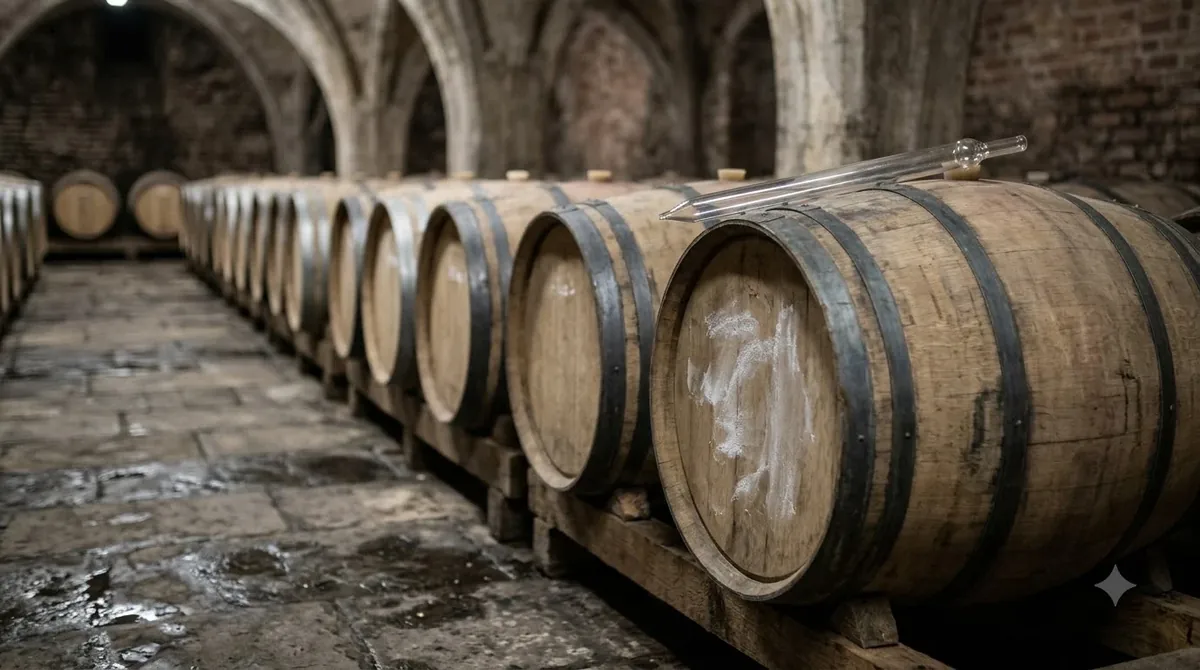
Winemaking choices often change Chardonnay more than the vineyard does. Two of the biggest are oak aging and malolactic fermentation, usually shortened to MLF. Wine Folly explains that MLF converts tart malic acid into softer lactic acid, which makes the wine feel creamier and less acidic. Diacetyl, a byproduct of MLF, is the main source of the buttery aroma many people associate with Chardonnay.
Oak adds its own layer. Vanilla, spice, cream, caramel and toast all come from barrel aging, and the type of oak changes the result. Wine Folly describes American oak as bold and coconutty, French oak as subtle and spicy, and heavily toasted oak as full and toasty. Some of what drinkers call a “buttery” Chardonnay is really the combination of MLF and oak rather than the grape alone.
Lees stirring, where the winemaker keeps the spent yeast in contact with the wine, adds biscuit, dough and brioche notes and a silkier texture. With bottle age, Chardonnay can also develop hazelnut, toasted nut, honey and mushroom flavors. If you prefer a clean, fresh glass, look for an unoaked or lightly oaked bottle with the label or producer note saying so.
Chardonnay styles at a glance
Chardonnay can show up in very different forms on a shelf, and it helps to recognize the common ones.
The easiest way to sort them is to look at three things on the label or in the shop listing: the region, whether the wine mentions oak, and whether it is labeled sparkling. Region tells you about climate and acidity, oak tells you about texture and vanilla notes, and sparkling tells you the bottle was made for a different kind of drinking altogether.
Within still wines, the range is wide. A cool-climate bottle from Chablis and a warm-climate bottle from California can share the grape but very little else. Learning to spot the difference is the fastest route to a bottle you enjoy. Lean, unoaked styles are the freshest and closest to the grape’s natural character. Balanced styles use some oak and some MLF to add texture without much heaviness. Rich, oaky styles are the familiar big Chardonnays that many people think of first.
Sparkling Chardonnay is a separate category. Wine Folly lists a serving range of about 38 to 45 degrees Fahrenheit for sparkling Chardonnay, which keeps the bubbles lively and the fruit crisp. Chablis-style wines are usually served around 45 degrees Fahrenheit, while oaked styles are often served a bit warmer, around 55 degrees.
Alcohol level is another clue. Wine Folly gives a typical range of 12 to 13.5 percent ABV for lean styles and up to about 14.5 to 15 percent for richer ones. A lighter bottle usually tastes crisper, while a heavier bottle often feels fuller and warmer on the palate.
| Style | Typical flavors | What makes it | Good with |
|---|---|---|---|
| Cool-climate, unoaked | Green apple, pear, lemon, chalk | Cool site, no oak, little or no MLF | Oysters, grilled fish, salads |
| Warm-climate, lightly oaked | Peach, mango, pineapple | Ripe fruit, some oak | Roast chicken, shrimp, pasta |
| Rich, oaky | Butter, vanilla, toast, caramel | Full MLF, heavy oak | Lobster, creamy sauces, pork |
| Sparkling | Apple, citrus, brioche | Bottle fermentation, lees contact | Appetizers, light desserts |
Tip: If you are unsure what you will like, try a cool-climate Chardonnay and a warm-climate one side by side. The difference in fruit and texture is usually clear within a few sips.
Tip: Chardonnay is a food-friendly white, so bring a bottle to a meal rather than tasting it alone. Seafood, roast poultry and creamy sauces each show a different side of the wine, and that is often the quickest way to learn your own preference.
Frequently Asked Questions
Is Chardonnay sweet?
Most Chardonnay is dry. The buttery and fruity flavors can make it taste rounder than a dry wine, but the grape is usually fermented to dryness. Sweetness is not a normal part of the style.
Why does some Chardonnay taste buttery?
Malolactic fermentation creates diacetyl, which gives the buttery aroma, and oak adds vanilla and toast. Wine Folly notes that these are winemaking effects rather than a trait of the grape by itself.
Is Chardonnay like Sauvignon Blanc?
Cool-climate Chardonnay can share the crisp acidity of Sauvignon Blanc, but Chardonnay usually has more body and a rounder texture. Oak and MLF can push it much further from Sauvignon Blanc’s bright, herbal style.
How should I serve Chardonnay?
Wine Folly gives a serving range of about 45 to 55 degrees Fahrenheit for most still styles, with sparkling Chardonnay a little colder. Lean styles taste best at the cool end, and oaked styles can handle a slightly warmer glass.
Chardonnay is a flexible grape, and once you know how climate and oak change it, the bottles on the shelf become easier to read. For a broader look at white grape families and how they differ, the Wine by Type guide is a useful next step. If you want to know how strong a Chardonnay tends to be, the Chardonnay alcohol content guide covers the typical range in more detail. You can also compare a lighter pink style in the guide to what rose tastes like. For the full taste profile in more depth, see the Wine Folly’s full Chardonnay guide.
More in Wine Types & Grapes
 Zinfandel Sugar Content: Dry Red vs. White Zinfandel GramsUpdated Nov 21, 2026
 Best Zinfandel Substitute Options for Sipping and CookingUpdated Nov 21, 2026
 Zweigelt Food Pairing: Best Dishes, Cheeses, and Serving TipsUpdated Nov 21, 2026
 Zinfandel Tannins Explained: How Structure Shapes Every BottleUpdated Nov 21, 2026
 Zinfandel Sweetness Level: Dry Red vs. Sweet White Zin ExplainedUpdated Nov 21, 2026
 Xinomavro Food Pairing: Best Dishes, Styles, and Serving TipsUpdated Nov 21, 2026