

We may earn a commission when you buy through links on this page, at no extra cost to you. Learn more.
Rosé wine usually tastes light, fresh, and fruity, with flavors of strawberry, watermelon, red cherry, and citrus. Most rosés also have a crisp, lively acidity, and many are dry rather than sweet. The exact taste depends on the grape, how long the juice touched the skins, and whether the wine was made in a dry Provençal style or a sweeter one, so what does rosé taste like is really a question about style.
This guide breaks down the main flavors you can expect from rosé, how production changes the taste, and how the sweetness range runs from bone dry to clearly sweet. It also gives a simple way to choose a bottle if you are not sure what you will enjoy.
The basic flavor of rosé
Rosé is generally light and fruity. Its aromas come mainly from the grape variety, with fermentation and skin contact adding further character. Reviewers commonly describe the wine as cool and crisp, and many say it is dry even when the bottle looks sweet. Compared with a full red, rosé has less tannin, which is why it feels smoother and easier to drink on its own or with food.
Common flavors include strawberry, raspberry, red cherry, watermelon, and a touch of citrus. Drier styles often show a mineral or herbal note, while fruitier ones lean toward candy-like strawberry and melon. The finish is usually short and clean, with acidity that makes the wine feel refreshing.
| Flavor family | Typical notes | Often found in |
|---|---|---|
| Red fruit | Strawberry, raspberry, red cherry | Most dry rosés |
| Melon and tropical | Watermelon, peach, a hint of pineapple | Lighter, fruit-forward styles |
| Citrus and herbal | Grapefruit, lemon zest, herbs | Provence and Mediterranean styles |
| Sweet candy | Ripe strawberry, sugary fruit | White Zinfandel and blush wines |
How production changes the taste
Rosé gets its color from dark-skinned grapes, but it is not a blend of red and white wine. The most common method is skin contact, where crushed grapes sit with their skins for a short time before the juice is pressed off. Wikipedia’s entry on rosé notes that this contact usually lasts around 12 to 24 hours, and longer contact produces a deeper color and more flavor.
A second method is saignée, sometimes called bleeding. Winemakers draw off some pink juice early from a red wine’s must, which concentrates the red wine that remains and gives the drawn-off juice a fermentation of its own as rosé. Some producers also press red grapes straight away with no skin contact to make a pale style called vin gris. Each method leaves a slightly different mark on the glass, with skin contact giving the most body and saignée often producing a richer, more structured wine.
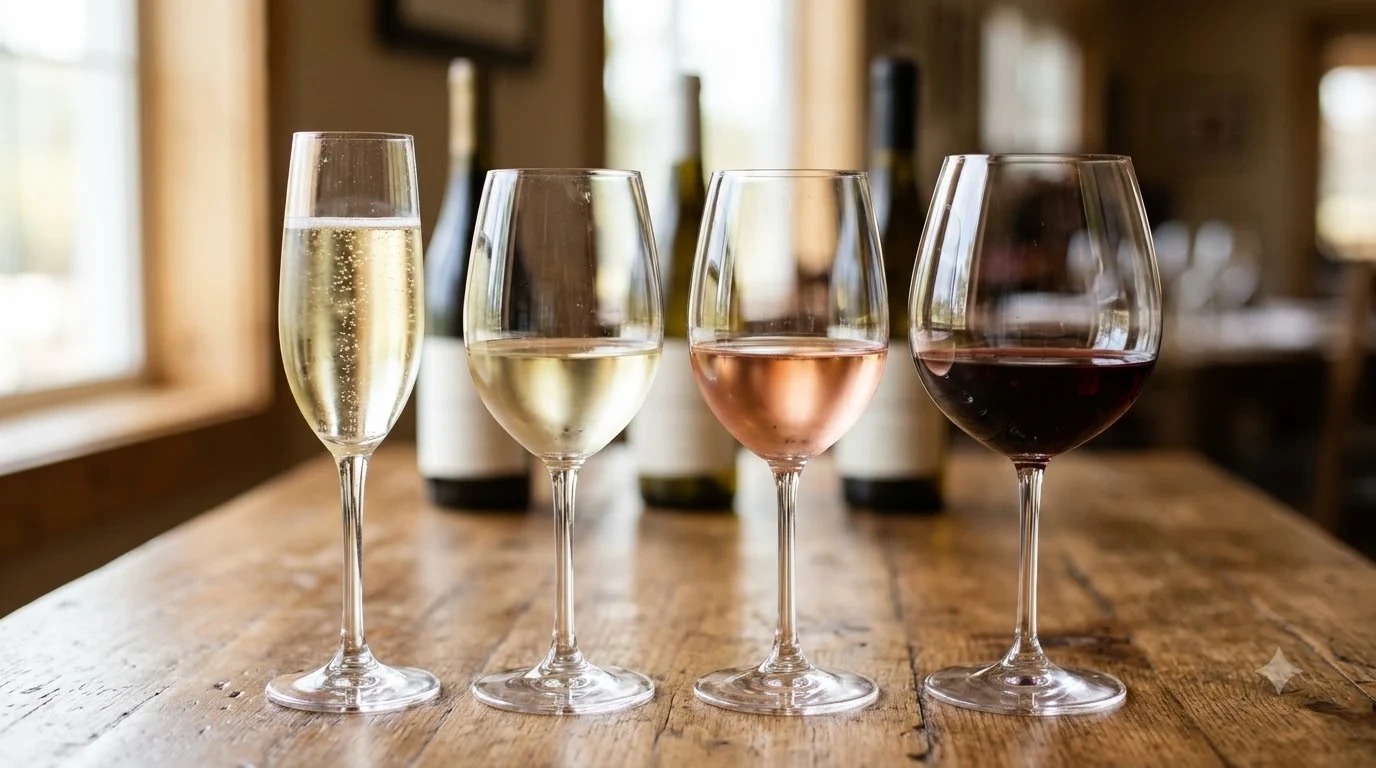
Color is one clue to the taste. Pale rosés, sometimes compared to the color of onionskin, tend to be lighter and crisper. Deeper, nearly purple pink shades often come from longer skin contact and usually taste fuller and fruitier.
Sweet, dry, and everything in between
Rosé’s sweetness covers a wide range. Dry Provençal rosés sit at one end, while White Zinfandel and blush wines sit at the sweet end. Blush wines typically contain about 2.5 percent residual sugar, which is enough to make them taste clearly sweet. Between those extremes are off-dry rosés that have a small touch of sugar to round out the fruit.
Labels can be confusing. In North America, dry pink wines are usually labeled rosé, while in Europe nearly every pink wine is called rosé regardless of how sweet it is. If you want a dry glass, look for words such as Provence, dry, or sec on the label, or check the producer’s description. If you prefer sweetness, a blush or a sweeter Loire rosé will suit you better.
Which grapes shape the flavor
Rosé can be made from almost any red grape, and the variety strongly affects the taste. Grenache, Syrah, Cinsault, Tempranillo, Pinot Noir, and Sangiovese are common choices. According to a Vinepair wine-101 article on rosé, winemakers blend these grapes to capture a flavor profile that works with modern, diverse food. The same article notes that rosé can range from super light and refreshing to bold, dark, and savory, depending on the grape and winemaking.
Grenache-based rosés tend to be round and berry-forward, while Sangiovese or Tempranillo rosés can feel a little more savory. Pinot Noir rosés often show bright red fruit and delicate acidity. If you enjoy a particular red grape, its rosé version is a good way to test how that grape tastes with less tannin.
Some regional styles are more distinctive. Italian Cerasuolo d’Abruzzo, made from Montepulciano, is generally fuller in body than a pale Provençal rosé. Ramato, a copper-hued style from Pinot Grigio, shows that skin contact can produce a rosé with a richer color and a more textured mouthfeel.
How to serve rosé and what to pair it with
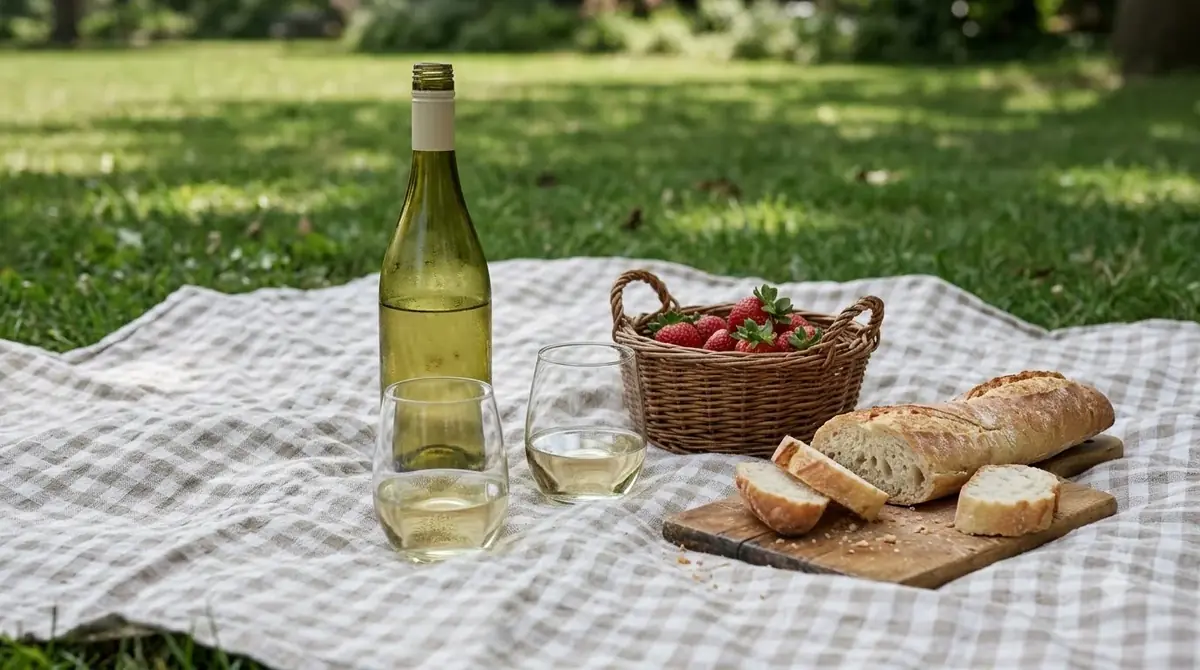
Rosé is usually best served chilled, and most people enjoy it young. Because the wine often has a short shelf life, a bottle from the most recent vintage will taste brighter than an older one. A cooler glass helps keep the fruit lively and the acidity crisp, especially in dry styles.
Its fruit and acidity make rosé a flexible food wine. Try a dry rosé with grilled fish, salads, roast chicken, or a charcuterie board. Sweeter blush wines pair well with spicy takeout or with fresh fruit desserts. If you want to compare how a different wine handles food, our guide to what does chardonnay taste like covers a white wine with a similar crisp profile.
Tip: If you want the classic dry rosé taste, start with a bottle labeled Provence, served well chilled, and taste it alongside a sweeter blush to see the difference clearly.
How to choose a rosé you will enjoy
Start with the sweetness you like, then think about the fruit. If you enjoy crisp white wine, a dry, pale rosé is a natural next step. If you prefer something rounder and fruitier, look for a rosé from a warm region or one made from a fruit-forward grape. Price is not a reliable guide to taste, so read the producer’s description and the grape list before you buy.
It also helps to think about the occasion. A dry rosé suits an afternoon on the patio or a casual meal, while a sweeter blush can be a crowd-pleaser at a party. For a broader look at the wine styles that sit alongside rosé, you can browse our wine by type section.
Frequently Asked Questions
What does rosé taste like?
Rosé usually tastes light and fruity, with strawberry, raspberry, watermelon, and citrus notes. Most dry rosés have crisp acidity and a clean finish, while sweeter blush wines taste clearly sweet.
Is rosé sweet or dry?
It can be either. Dry rosés from Provence and similar regions are common, while White Zinfandel and blush wines are sweet. Check the label or producer description if you want a specific style.
Is rosé just red and white wine mixed together?
Usually not. Most rosé is made by a short skin contact with dark-skinned grapes or by drawing off juice from a red wine, not by blending red and white. Blending is rare and is restricted in some places.
How long does rosé keep after opening?
Rosé is best drunk young, so it is usually at its freshest soon after you open it. Reseal the bottle, keep it cold, and drink it within a few days for the most lively flavor.
Rosé is one of the most approachable wine styles, with fruit, freshness, and a wide range of sweetness to suit different tastes. Start with a dry bottle if you want crisp and savory, or a sweeter one if you want easy fruit. Our wine by type section is a good place to keep exploring.
More in Wine Types & Grapes
 Zinfandel Sugar Content: Dry Red vs. White Zinfandel GramsUpdated Nov 21, 2026
 Best Zinfandel Substitute Options for Sipping and CookingUpdated Nov 21, 2026
 Zweigelt Food Pairing: Best Dishes, Cheeses, and Serving TipsUpdated Nov 21, 2026
 Zinfandel Tannins Explained: How Structure Shapes Every BottleUpdated Nov 21, 2026
 Zinfandel Sweetness Level: Dry Red vs. Sweet White Zin ExplainedUpdated Nov 21, 2026
 Xinomavro Food Pairing: Best Dishes, Styles, and Serving TipsUpdated Nov 21, 2026