


We may earn a commission when you buy through links on this page, at no extra cost to you. Learn more.
The best answer to “what can i substitute for white wine in cooking” is chicken or vegetable broth with a little lemon juice or white wine vinegar for acidity. Use the same total volume of liquid as the wine in most soups, sauces, and pan dishes, then adjust the sourness a little at a time. Dry vermouth is a close option when alcohol is acceptable, while verjus offers a grape-based, alcohol-free alternative.
White wine is often a supporting ingredient rather than the main flavor in a recipe. It loosens browned bits from a pan, brings acidity to rich sauces, and adds a light fruit note to seafood, poultry, and vegetables. The right replacement depends on which of those jobs matters most, so start with the dish and the amount of wine called for rather than reaching automatically for vinegar.
What White Wine Adds to a Recipe
White wine usually contributes three things: liquid, acidity, and a modest layer of fruit or fermented-grape flavor. A half cup in a chicken pan sauce can lift the browned fond, while a splash in risotto or mussels adds brightness that plain water cannot supply.

During deglazing, wine lifts browned bits left after searing chicken, pork, shrimp, or vegetables. The liquid then reduces into a base for stock, butter, cream, or herbs. Broth can do the liquid-replacement work, but it does not automatically provide wine’s clean acidity.
Acidity matters in creamy dishes. Butter, cream, and chicken drippings can feel heavy without a sharp counterpoint; cheese fondue also benefits from a little acidity. The replacement must do more than fill the measuring cup: it should balance the dish without making it sour, sweet, or salty.
White wine changes as it cooks: water evaporates, concentrating both sugar and acidity. Serious Eats found that reducing one cup of white wine to one-quarter cup made its sweetness or tartness more pronounced. A sweet juice or sharp vinegar can likewise become more noticeable during simmering. Choose according to the recipe’s purpose: a quick pan sauce needs acidity for balance, while a soup may mainly need replacement liquid and a little brightness at the end.
Best Alcohol-Free Substitute: Broth Plus Acid
For most savory recipes, use chicken, vegetable, or seafood broth in the same volume as the white wine, then add a small measured amount of lemon juice or white wine vinegar. This preserves the liquid level while replacing some of the wine’s acidity, and it works particularly well in chicken pan sauces, vegetable soups, and seafood dishes.
America’s Test Kitchen gives a precise starting point for a half-cup wine replacement: combine one-half cup broth with one teaspoon of wine vinegar, or one-half cup broth with one teaspoon of lemon juice. That is a useful baseline rather than a rule that every dish must follow. The guidance also recommends adding the acid near the end in soups and pan sauces, so the cook can taste the finished liquid before deciding whether it needs more.
Choose the broth to suit the food. Chicken broth fits poultry, pork, and many creamy sauces; vegetable broth is a flexible choice for vegetables and seafood; and a mild seafood stock can support shrimp, scallops, or fish. Mushroom broth works in an earthy mushroom risotto, although its deeper flavor will be more noticeable than a neutral vegetable stock. A low-sodium broth is easier to control because reduction concentrates salt as well as flavor. Treat the ratio as a starting point. If the recipe includes Parmesan, capers, olives, cured meat, or salted butter, wait until the sauce has reduced before adding salt. Add extra acid in drops, not freehand pours. Water can deglaze a pan that already contains browned chicken, shallots, garlic, and herbs, but the result will be thinner than a broth-based sauce. Finish with a little lemon juice or vinegar if it tastes flat; use stock when wine supplies a large share of the cooking liquid. Keep the liquid and acid separate until you know how the dish is developing; that gives you more control than replacing wine with an equal volume of concentrated vinegar or lemon juice.
Vinegar, Lemon Juice, and Verjus
Vinegar and citrus can replace wine’s acidity, but they are much sharper than a glass of dry white wine. Dilute them with broth or water rather than using them as a full-volume, one-for-one replacement; verjus is a gentler grape-based option when you want acidity without a strong vinegar or lemon character.
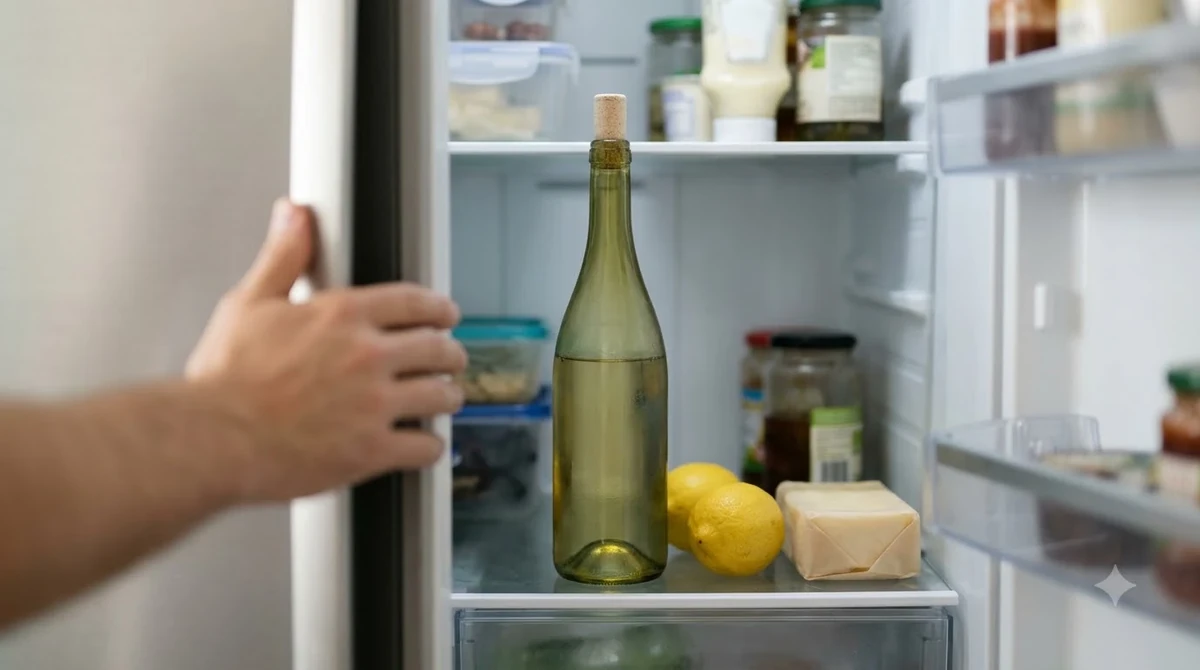
White wine vinegar has a wine-derived character, but its acidity is concentrated. Use small amounts to deglaze a pan, brighten a cream sauce, or balance cheese; stir it into broth and taste before adding more. Rice vinegar is softer and can taste sweeter, so it is not an exact match. Lemon juice suits chicken piccata, shrimp, scallops, asparagus, and light fish sauces. It adds recognizable citrus flavor, which may distract from mushrooms or delicate herbs. Add fresh juice near the end for a distinct lemon note, or earlier for a more blended flavor.
Verjus is made by pressing unripe grapes before fermentation, so it is naturally nonalcoholic. It tastes crisp, tart, and lightly fruity rather than sweet like ordinary grape juice. A winemaker interviewed by VinePair recommends it in sauces, mustards, and salad dressings as an alternative to vinegar, lemon juice, or wine. Taste before reducing it heavily, since its acidity will concentrate.
White grape juice and apple juice add sweetness more readily than dry-wine acidity. They may suit a glaze, but can make a savory sauce taste sweet; use only part juice, make up the rest with broth, and adjust with lemon or vinegar after tasting. Do not replace a whole cup of wine with a cup of straight lemon juice or vinegar. Replace the volume with broth or water, and treat the acidic ingredient as a seasoning; reductions concentrate it further.
Dry Vermouth and Other Alcoholic Alternatives
Dry vermouth is one of the closest practical substitutes when alcohol is acceptable: use it in a similar role to dry white wine, especially for quick deglazing, risotto, seafood, and chicken sauces. Dry sherry or fino Sherry can add a more savory, nutty character, while vodka can loosen browned bits but does not bring the same grape or herbal flavors.
Vermouth is a fortified, aromatized wine with herbal flavors. Dry vermouth is the better match for dry white wine; sweet vermouth can make a savory sauce taste of dried fruit and spice. Refrigerate it after opening, and use a lighter hand when the recipe depends on delicate herbs. Wine Enthusiast recommends dry vermouth with linguine and clams and in chicken pan sauces, where its crispness and herbal notes suit shellfish, Dijon, and tarragon. Start with a similar volume to the wine, then taste before adding salt or acid. Dry fino Sherry adds a deeper, nutty flavor and suits mushrooms or earthy risotto. Begin with less than the recipe’s wine quantity and complete the liquid with broth so the Sherry does not dominate.
Vodka can dissolve browned residue in a skillet, but it lacks white wine’s acidity and fruit; follow it with broth and adjust brightness with lemon or vinegar. Other rice wines and spirits bring their own aromas rather than acting as invisible replacements. For more on how cooking with red wine differs, see our guide to what can i substitute for red wine in cooking; red wine swaps need a different balance of color, tannin, and savory flavor.
Choose the Swap for the Dish
The best replacement depends on whether the wine is a quiet supporting ingredient or a defining part of the dish. Use a mild broth-based mixture for delicate foods, a more aromatic alternative for hearty ingredients, and a little extra care in recipes where the wine helps control texture as well as flavor.
Chicken and pork pan sauces
Deglaze the skillet with chicken broth, then add lemon juice or white wine vinegar using the half-cup ratio as a starting point. Thyme, parsley, Dijon, or cream can round out the sauce. Dry vermouth also pairs well with tarragon and mustard.
Seafood and mussels
Use vegetable broth or mild seafood stock with a little lemon juice. Because the steaming liquid is served with mussels, add acid carefully and finish with parsley. Dry vermouth also suits clams and shrimp when alcohol is acceptable; light beer brings malt and hop flavors instead.
Risotto
Replace the wine with an equal volume of the warm stock already used to cook the rice; add lemon juice near the end if the risotto tastes dull. Continue adding hot stock as the rice absorbs it. For mushroom risotto, a splash of fino Sherry adds nutty depth; vegetable or chicken broth gives a cleaner flavor.
Fondue and creamy cheese sauces
Broth plus a little white wine vinegar or lemon juice can balance melted cheese. Keep the heat gentle and add cheese gradually while stirring. Vinegar will not reproduce Champagne’s yeasty character, but it supplies some useful tang.
Soups, braises, and vegetables
Broth usually replaces the liquid in soup or stew, with acid added near the finish. For roasted vegetables, broth loosens pan juices and lemon or verjus provides a final lift. A braise built around a large quantity of wine will change more noticeably.
Marinades
Citrus juice can supply acidity, and beer may suit a recipe that welcomes its flavor. Account for garlic, herbs, oil, mustard, and salt already in the marinade; for a large wine quantity, use broth with measured lemon juice rather than straight citrus alone.
Match the weight of the substitute to the food: delicate fish needs restraint, while mushrooms and browned chicken can take more depth. Wine Enthusiast also recommends fino Sherry with mushroom risotto and dry vermouth with clams in its white wine substitute recommendations.
Ratios, Timing, and Mistakes to Avoid
Replace the wine volume with broth, then measure acid separately. America’s Test Kitchen gives a starting ratio of one teaspoon vinegar or lemon juice per one-half cup broth; scale it to the recipe and adjust after tasting.
These amounts scale that ratio for larger recipes. A dish with capers, tomatoes, pickles, or lemon already in it may need less acid.
| White wine in recipe | Broth or stock | White wine vinegar or lemon juice | How to use it |
|---|---|---|---|
| 1/2 cup | 1/2 cup | 1 teaspoon | Start with the full ratio in a simple pan sauce or soup. |
| 1 cup | 1 cup | 2 teaspoons | Scale the same ratio; taste before adding more acid. |
| 2 cups | 2 cups | 4 teaspoons | Use as a starting point for a larger soup or braise. |
For two tablespoons of wine used as a quick deglazer, use two tablespoons of broth and a few drops of lemon juice or vinegar, then taste. The browned meat and vegetables may already supply most of the flavor. Timing matters: acid added at the end tastes brighter, while a long simmer blends it into the dish and may concentrate it. America’s Test Kitchen suggests adding vinegar or lemon just before serving in soups and pan sauces; its alcohol-substitution guidance gives the half-cup measurement behind the table.
Tip: Hold back a little of the lemon juice or vinegar until the end. You can always add another few drops after tasting, but you cannot easily remove excess acidity from a finished sauce.
Avoid straight vinegar as a full replacement, sweet grape juice in a dry savory sauce, and heavy salting before stock has reduced; a swap that works in a quick pan sauce may not suit a two-hour braise. If you have an opened bottle of wine, freeze measured portions for later cooking. Our article on whether you can store wine in the freezer explains the practical considerations, and our broader Wine Q&A covers dry wine styles and other terms that appear in recipes.
Frequently Asked Questions
These quick answers cover a few edge cases that do not fit every substitution chart. The key distinctions are whether the replacement contains alcohol, how important wine is to the recipe, and whether the recipe uses wine for its flavor or simply for liquid.
Can nonalcoholic wine replace white wine in equal volume?
Usually, nonalcoholic white wine can replace the wine in the same volume, but products vary in sweetness, acidity, and flavorings. Taste it first and choose a dry style for a savory sauce.
Does all the alcohol cook off when white wine simmers?
No. Alcohol evaporates faster than water, but it does not vanish as soon as a dish reaches alcohol’s lower boiling point of about 173°F. The amount remaining depends on cooking method and time.
Can Shaoxing or another rice wine replace white wine?
It can suit recipes whose seasoning already fits that style. Wine Enthusiast notes that chefs may use Shaoxing or Taiwanese rice wine such as Mizhiu Tou; both bring their own aromas, so start with less and complete the liquid with broth.
What if white wine is the main ingredient in the recipe?
A replacement can change the dish substantially when wine supplies most of its sauce or braising liquid. VinePair cites a red wine sauce for duck leg confit as an example where changing the plan may be better than imitating the original.
Why do fondue recipes call for white wine?
White wine contains tartaric acid, which binds with calcium in cheese and helps keep fondue from turning stringy or seizing. Broth with lemon can add tang, but it does not reproduce wine’s exact acid composition.
For most everyday recipes, broth plus a little lemon juice or white wine vinegar is the dependable alcohol-free choice; dry vermouth is the easiest wine-like option when alcohol is acceptable. Match the substitute to the dish, measure the acid separately, and taste again after the sauce has reduced so the finished food stays balanced.
More in Wine Basics
 Which Rose Is Best for Your Taste, Budget, and Food PairingsUpdated Nov 21, 2026
 Is Cheap Wine Bad? How to Find Bottles Worth DrinkingUpdated Nov 21, 2026
 What To Write On A Wine Gift Tag: Thoughtful Messages For Every OccasionUpdated Nov 21, 2026
 Which Wine Is Best For Weight Loss? Compare Lower-Calorie ChoicesUpdated Nov 21, 2026
 What Is The Best Wine For Mimosas? Choose Bubbly That Balances Orange JuiceUpdated Nov 20, 2026
 Which Prosecco Is Best for Your Taste and OccasionUpdated Nov 20, 2026