

We may earn a commission when you buy through links on this page, at no extra cost to you. Learn more.
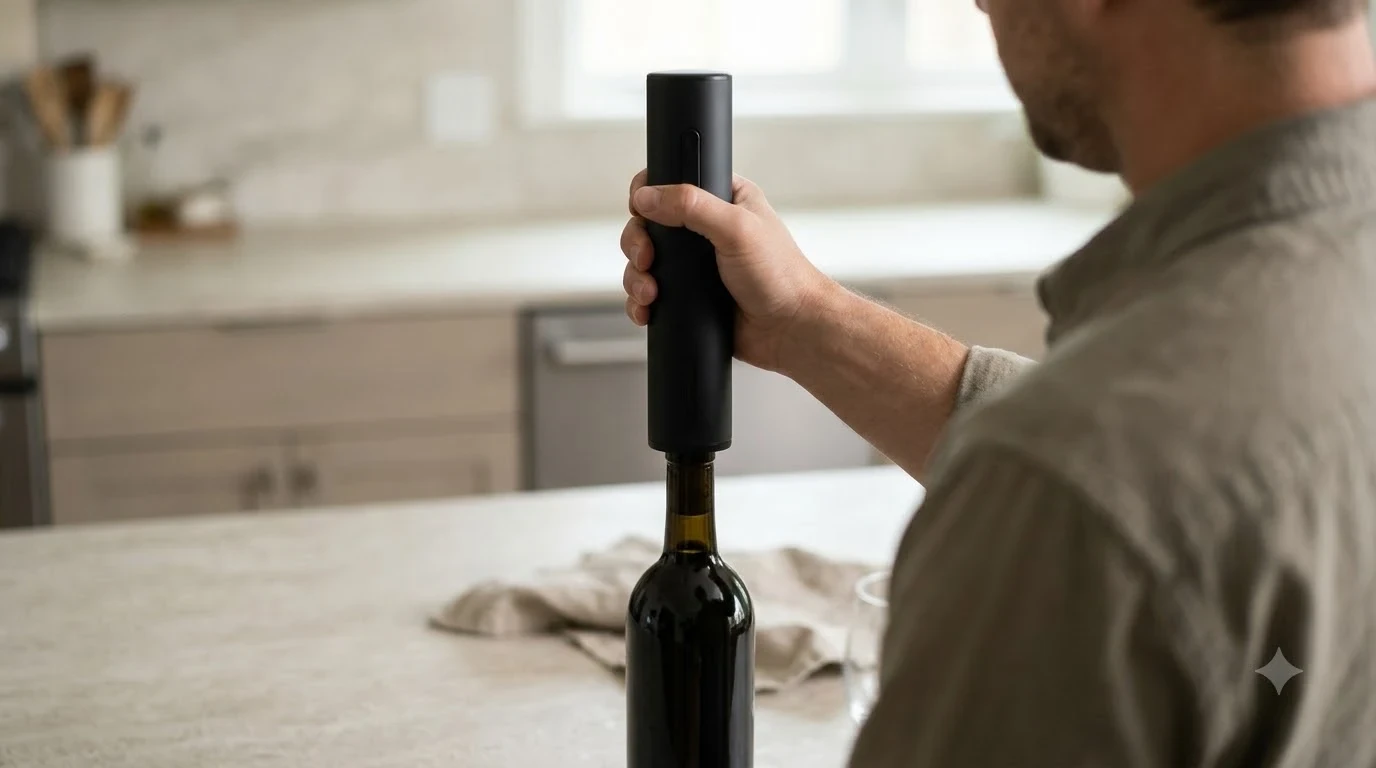
The vinturi wine opener is available in several designs, including traditional lever, vertical lever, and rechargeable electric models, offering different ways to remove natural and synthetic corks. The manual versions suit people who prefer mechanical operation, while the rechargeable model reduces the physical effort involved in opening bottles. However, availability varies between retailers, and some older Vinturi listings are marked as discontinued or sold out, so identifying the exact model matters before purchasing.
Vinturi is a familiar name in wine accessories, particularly for its wine aerators, but its product range has also included several cork-removal tools. The distinction matters because a Vinturi aerator and a Vinturi wine opener perform different jobs: one introduces air into wine during pouring, while the other removes the cork. This review examines the opener designs, their construction, practical advantages, limitations, and the situations in which each makes sense for a home wine collection.
Specs and Key Features
Vinturi’s wine opener range includes manual lever mechanisms and a rechargeable electric design. Their shared purpose is straightforward cork removal, but their dimensions, included accessories, and operating methods differ considerably.
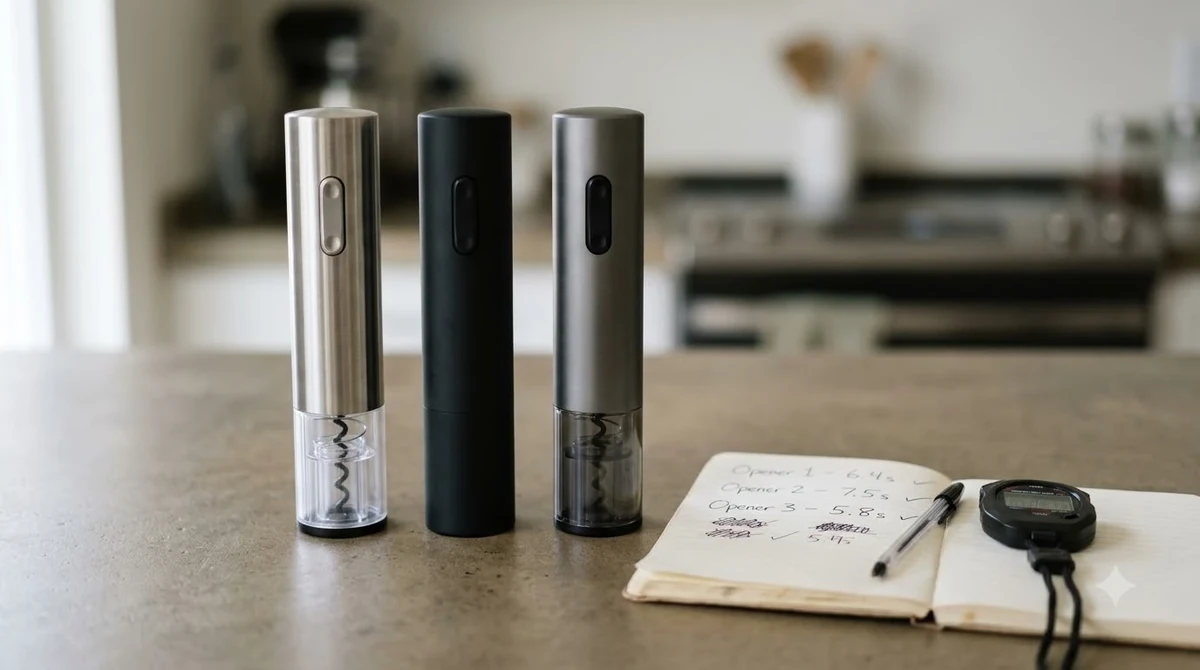
The traditional and vertical lever models use mechanical leverage rather than a motor. The rechargeable V9046 takes a different approach, using a powered corkscrew and charging base. The following comparison separates the documented specifications from features that should be checked on an individual listing before purchase.
| Feature | Traditional Lever | Vertical Lever | Rechargeable V9046 |
|---|---|---|---|
| Operation | Manual lever | Up-and-down lever | Electric, button-operated |
| Cork compatibility | Natural and synthetic | Natural and synthetic | Natural and synthetic |
| Construction | Chrome-plated cast zinc and plastic | Chrome-plated cast zinc and plastic | Metal and plastic |
| Listed dimensions | 7 1/4 inches long | 4 1/2 x 2 x 7 inches | 14.14 x 4.34 x 4.34 inches |
| Foil cutter | Separate accessory | Built in | Included accessory |
| Replacement screw | Included | Included | Not specified in the retailer description |
| Power source | Manual | Manual | Rechargeable battery |
| Charging base | Not required | Not required | Included |
These specifications come from product descriptions published by Williams Sonoma, QVC, and Kitchen Clique. In particular, the rechargeable model’s listed dimensions come from QVC, while the V9046 designation and up-to-120-cork battery claim come from Kitchen Clique. Those details should not automatically be applied to every Vinturi opener. The Williams Sonoma Vinturi Traditional Lever Wine Opener listing provides the original construction, accessory, and dimension details for that particular design.
One important distinction is the difference between the traditional and vertical lever designs. Both use manual leverage, but their physical layouts and handling characteristics are different. The traditional model includes a separate foil cutter, while the vertical version has an integrated cutter. The rechargeable model adds a charging base and illuminated opening chamber, making it the most equipment-dependent option.
For a buyer who wants a straightforward corkscrew, the manual models have fewer accessories to keep track of. For someone who regularly opens several bottles during gatherings, the electric model’s button-operated mechanism may be more appealing.
What Owners Like
The strongest selling points of the Vinturi opener range are its choice of operating styles, compatibility with natural and synthetic corks, and practical accessories. These features make the range relevant to different home entertaining habits rather than limiting it to one particular type of wine drinker.
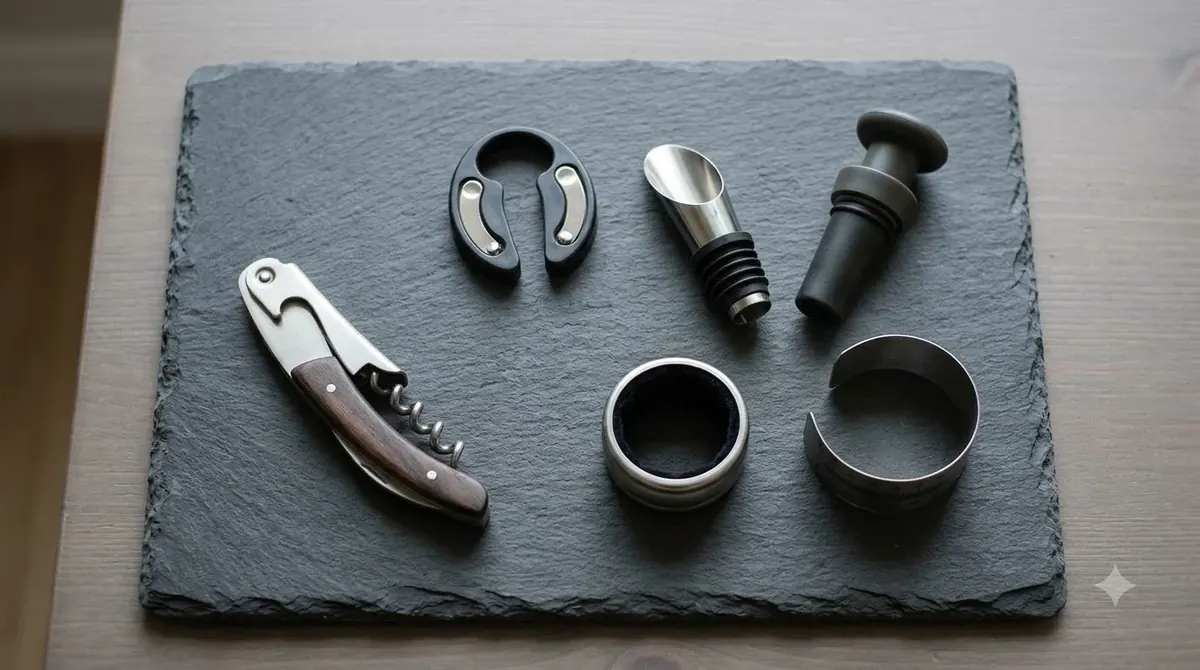
The manual lever designs are particularly appealing to people who want more mechanical assistance than a small waiter’s corkscrew provides. Instead of repeatedly twisting a handle, the user operates a lever to drive the screw into the cork and withdraw it. This arrangement can make opening a bottle feel more controlled, particularly for people who dislike the wrist movement required by conventional corkscrews.
The vertical model’s integrated foil cutter is another practical feature. A separate cutting tool can be misplaced between uses, especially in a crowded kitchen drawer or on a busy bar cart. Having the cutter incorporated into the opener keeps the opening process more organized. Its replacement screw is also useful because the screw is a working component that may eventually require replacement.
The rechargeable V9046 has a different appeal. Its push-button operation reduces the manual effort involved in extracting corks. Kitchen Clique describes the model as capable of removing up to 120 corks on a full charge. That figure is a retailer-published capacity claim rather than a guarantee of identical performance under every charging and usage condition. The Kitchen Clique Vinturi Rechargeable Wine Opener listing also identifies its illuminated interior, charging indicator, and included accessories.
The illuminated interior is another feature that distinguishes the electric model. It allows the user to see the cork-removal process rather than relying entirely on the sound and feel of the motor. A color-changing indicator also provides a visual signal when charging is needed.
Convenience for entertaining
For households that regularly host dinner parties, an opener should be easy to locate, comfortable to operate, and ready for repeated use. Vinturi’s manual options do not need electrical power, while the rechargeable model provides a more automated experience. Each approach has a reasonable place in a home wine setup.
The choice also depends on storage. A traditional lever opener is relatively straightforward to store in a kitchen drawer. A rechargeable model requires room for its charging base, AC adapter, and accessories. A dedicated space on a bar cart can keep the electric opener accessible alongside glassware and serving tools.
Common Complaints
The main concerns surrounding the Vinturi wine opener range are product availability, differences between model descriptions, and the additional storage and maintenance associated with certain designs. These are important considerations because a product’s specifications do not necessarily mean that a particular version remains readily available.
Availability is one of the clearest limitations in the published listings. Williams Sonoma identifies both its traditional and vertical Vinturi opener listings as no longer available. QVC also marks its rechargeable Vinturi listing as sold out. Kitchen Clique has a product page for the V9046, but retailer listings can change, and a product page alone does not establish consistent inventory across the United States.
That situation can complicate shopping for replacement parts. Someone looking for a specific traditional lever opener may encounter a listing for a vertical model instead. Although both are manual openers, their dimensions and cutter arrangements differ. Buyers should compare the actual product description rather than assuming that all Vinturi lever models share interchangeable parts.
The rechargeable model introduces a separate set of potential inconveniences. It depends on a battery and charging base, so it needs to be charged before use. An electric opener can be less convenient than a manual model if the battery is depleted just as guests arrive. Its larger listed dimensions also mean that it needs more dedicated storage space.
Construction and long-term use
Both manual models use chrome-plated cast zinc and plastic, according to Williams Sonoma. This combination provides a solid mechanical housing with plastic components, but the product description does not establish a specific service life or guarantee that every part will remain trouble-free indefinitely.
The rechargeable model uses metal and plastic construction, according to QVC. Its electrical components add another possible point of maintenance compared with a basic lever opener. The retailer listing identifies a one-year limited manufacturer’s warranty, but buyers should confirm that the warranty applies to the specific item and seller before relying on it.
Another consideration is the condition of older stock. A Vinturi opener purchased from a third-party seller may have been stored for an extended period. For rechargeable models, buyers should ask about battery condition, included charging equipment, return arrangements, and the availability of replacement accessories before committing to an older listing.
Tip: Before buying a discontinued Vinturi model, confirm the exact model designation, included foil cutter, replacement screw availability, and charging equipment. A listing with the right brand name may still describe a different opener design.
Who Should Buy and Who Should Skip
The Vinturi range makes the most sense for buyers who have identified a specific operating style they prefer. The manual lever models suit people who want a mechanical opener, while the rechargeable design is more appropriate for someone who values button-operated cork removal and has room for its charging base.
Who should consider the traditional lever model?
The traditional lever model is a sensible choice for someone who wants a manual opener with a separate foil cutter and replacement screw. Its 7 1/4-inch length is a useful reference when checking drawer or accessory storage space. Its mechanical operation also means that it does not depend on a battery or charging station.
This model is particularly relevant to people who prefer to keep their wine tools simple. It can work with natural and synthetic corks, according to the Williams Sonoma product description. However, its retailer listing is marked no longer available, so finding a new unit may require checking the seller, packaging, and return policy carefully.
Who should consider the vertical lever model?
The vertical lever version is worth considering for someone who prefers a more compact manual arrangement. Its listed dimensions are 4 1/2 x 2 x 7 inches, and the integrated foil cutter removes the need to store a separate cutting accessory.
Its up-and-down operating motion may also appeal to people who prefer a more direct lever movement. It is compatible with natural and synthetic corks, and Williams Sonoma lists a replacement screw as included. However, its discontinued retailer listing makes availability a practical concern.
Who should consider the rechargeable model?
The rechargeable V9046 is the better match for people who frequently open bottles and prefer push-button operation. The illuminated interior, charging indicator, and included foil cutter make it a more complete electric setup than a basic manual corkscrew.
The model may be particularly useful for someone who has difficulty operating a conventional lever opener. Still, it is not necessarily the right choice for an occasional wine drinker. Charging requirements, larger storage needs, and uncertainty surrounding replacement battery support can make a simple manual opener more practical.
Who should skip the Vinturi range?
Buyers who want a widely available opener with easily sourced replacement parts should be cautious about older Vinturi models. The discontinued and sold-out listings suggest that availability can be inconsistent. A currently supported alternative may be a safer purchase when reliable long-term access to accessories matters.
Likewise, someone who wants a compact tool for travel may prefer a small waiter’s corkscrew rather than a lever mechanism or electric charging station. The Vinturi range is more naturally suited to home use, particularly where the opener can remain in a kitchen drawer or designated entertaining area.
How It Compares to Alternatives
The Vinturi opener range occupies a middle ground between simple manual corkscrews and powered wine-opening tools. Its lever designs offer mechanical assistance without requiring electricity, while its rechargeable version adds automation at the cost of charging and storage requirements.
A traditional waiter’s corkscrew is the most straightforward alternative. It typically combines a small screw, a folding lever, and a foil-cutting blade. Unlike a larger Vinturi lever opener, it is designed to fit into a pocket or compact kitchen drawer. It also has the advantage of not requiring a dedicated charging base or a larger storage footprint.
The Rabbit bottle opener is another recognizable alternative in the wine-accessory category. Buyers comparing these approaches should focus on handling, physical size, replacement parts, and the amount of assistance they want from the opening mechanism.
The Vinturi rechargeable model is more comparable to other electric corkscrews. Its key appeal is the button-operated extraction process. However, an electric opener should be judged not only by its operating convenience but also by battery performance, charging arrangements, included accessories, and the availability of replacement components.
For buyers who are comparing a larger opening kit rather than a single tool, a wine opener and preserver set may be a more useful purchase. Such a combination is intended to address both cork removal and wine storage after opening. That is a different purpose from buying an individual Vinturi opener, so the contents of the set matter more than the brand name alone.
Choosing the right opening mechanism
The most important question is how much physical assistance is needed. A waiter’s corkscrew is inexpensive in terms of space and uncomplicated in operation, but it requires the user to control the twisting and leverage. A Vinturi lever model provides a larger mechanical handle, while the rechargeable model transfers much of the work to an electric motor.
There is no universal winner. For a person who opens one bottle on an occasional weekend, a simple manual tool may be enough. For someone who frequently serves several bottles at a gathering, a lever or electric mechanism may feel more convenient. The best choice is the opener that can be used comfortably, stored properly, and maintained without difficulty.
How to Choose a Vinturi Model
Choosing the right Vinturi opener starts with identifying the exact model rather than shopping by the brand name alone. The traditional lever, vertical lever, and rechargeable models have different operating systems and accessory arrangements.
-
Identify the operating mechanism.
Decide whether a manual lever or electric opener suits your routine. The traditional and vertical versions require physical lever operation, while the V9046 rechargeable version uses a button-operated mechanism.
-
Check cork compatibility.
The documented descriptions for the three models cover natural and synthetic corks. If your wine collection includes bottles with unusual closures, verify that the specific opener is appropriate before buying.
-
Compare the dimensions.
The traditional lever is listed at 7 1/4 inches long, while the vertical version measures 4 1/2 x 2 x 7 inches. The rechargeable model has a larger listed footprint of 14.14 x 4.34 x 4.34 inches, making storage an important consideration.
-
Review the included accessories.
The traditional version includes a separate foil cutter and replacement screw. The vertical version has an integrated cutter and a replacement screw. The rechargeable model’s package description includes a charging base, cord, and foil cutter.
-
Check power and charging requirements.
Manual openers are ready without electrical power. The rechargeable model requires a charging base and AC adapter, so make sure the charging equipment is included and suitable for your location.
-
Confirm the seller and return policy.
Some Vinturi listings are marked no longer available or sold out. For older stock, check whether the opener is new, complete, and covered by an applicable warranty before purchasing.
Buyers exploring the wider accessory category can also browse Accessory Brands to compare other wine tools. A good opener should be comfortable to operate and suitable for the type of corks found in the bottles you normally buy. Features are useful, but they should not outweigh the availability of replacement components and practical support.
Care and Maintenance
Proper maintenance helps keep a wine opener ready for regular use. The cleaning requirements depend on whether the tool has a manual mechanism or an electric charging system, so the care instructions should match the particular Vinturi model.
For the vertical Vinturi opener, Williams Sonoma recommends wiping the exterior with a damp cloth as needed. This is a simple approach for removing fingerprints, dust, and residue from the chrome-plated surfaces and plastic components. Avoid treating the opener like ordinary kitchen cutlery or leaving it soaking in water, particularly around its mechanical components.
The traditional lever model also benefits from routine exterior cleaning. Pay attention to the screw and moving joints, where cork particles or residue can collect. A dry or lightly damp cloth is generally more suitable for cleaning the exterior than excessive water. Make sure the opener is dry before returning it to a drawer or storage compartment.
Looking after the rechargeable opener
The V9046 requires a little more attention because it includes electrical components. Keep the charging base and cord in a dry location, and avoid exposing the opener to spilled wine or standing water. The foil cutter should be stored with the charging equipment when possible so that the accessories remain together.
Do not force the corkscrew through a cork that appears unusually difficult to remove. If the mechanism stalls, follow the instructions for the specific model rather than repeatedly activating the motor. This can help avoid unnecessary stress on the opening mechanism.
Battery maintenance is another consideration. Recharge the unit using its supplied charging equipment, and avoid leaving the charging base in an area where it can be knocked over or exposed to moisture. If an older rechargeable opener no longer holds its charge, investigate battery service or replacement options before assuming that the corkscrew mechanism itself has failed.
Storage recommendations
Store manual openers in a dry drawer or designated wine-tool compartment. Keep the screw protected from impact, and avoid placing heavy utensils on top of the handle. If a replacement screw is included, keep it somewhere identifiable rather than allowing it to become separated from the opener.
For the electric model, choose a stable location for the charging base. A dedicated shelf or section of a bar cart can keep the opener accessible without taking up valuable kitchen counter space. Organizing the foil cutter, adapter, and opener together also makes it easier to identify missing accessories before the next gathering.
These small habits are particularly helpful with older Vinturi products because replacement accessories may not be as easy to find as they are for currently supported products.
Frequently Asked Questions
Is the Vinturi wine opener the same as the Vinturi wine aerator?
No. A wine opener removes the cork from a bottle, while an aerator introduces air into wine during pouring. Vinturi has sold both types of accessories, and they should not be confused when searching for a particular product. The two tools also have different cleaning and storage requirements.
What does the V9046 model number identify?
V9046 identifies the Vinturi Rechargeable Wine Opener listed by Kitchen Clique. The retailer describes it as a rechargeable electric model with an illuminated opening chamber and a color-changing charging indicator. Its listed package includes an AC adapter and charging base.
Can a Vinturi opener be used with sparkling wine bottles?
The published descriptions identify natural and synthetic cork compatibility, but they do not establish that these openers are intended for pressurized sparkling wine closures. Sparkling wine requires a different opening technique because the cork is held in place by internal pressure. Use a careful, controlled hand-opening method rather than treating a sparkling wine closure like an ordinary still-wine cork.
Does the Vinturi rechargeable opener have a charging indicator?
Yes. Kitchen Clique describes the V9046 as having a color-changing indicator that signals when charging is necessary. The model also has an illuminated interior that makes the cork-removal process visible. These features distinguish it from the traditional and vertical manual versions.
Is a replacement screw available for every Vinturi wine opener?
Williams Sonoma lists a replacement screw as included with its traditional and vertical lever models. The retailer descriptions do not establish universal compatibility between replacement screws for different versions. Buyers should identify the exact model before ordering a replacement component.
The Vinturi wine opener range offers useful choices for people who prefer mechanical assistance or electric cork removal, with the traditional lever, vertical lever, and rechargeable models serving different needs. Its main purchasing challenge is inconsistent availability, particularly for older designs. Confirm the exact model, accessories, condition, and replacement-part support before buying so the opener fits your wine routine for the long term.
More in Wine Accessories
 Vinglace Wine Tumbler Review: A Glass-Lined Choice for Better SippingUpdated Nov 20, 2026
 ZWILLING Electric Wine Opener Review: Features and DrawbacksUpdated Nov 20, 2026
 Vinturi Electric Wine Opener Review for Easy UncorkingUpdated Nov 20, 2026
 Vinabon Wine Aerator Review for Easier, Cleaner Wine ServingUpdated Nov 20, 2026
 Vacu Vin Electric Wine Opener Review: Easy Cork Removal for Home Wine LoversUpdated Nov 20, 2026
 Rabbit Wine Accessories for Easier Home Wine ServiceUpdated Nov 20, 2026