

We may earn a commission when you buy through links on this page, at no extra cost to you. Learn more.
Vin rouge wine is simply red wine, the French term for a wine that gets its color from the skins of dark grapes. The juice of most purple grapes is greenish-white, so the color comes from pigments in the skin, which stay in contact with the juice during fermentation. That contact also brings tannin into the wine, which gives red wine its grip and structure.
This guide explains what the phrase means on a French label or menu, how red wine is made, and what separates the main styles. It is written for anyone who has seen vin rouge on a restaurant list and wanted a clear idea of what to order.
What Vin Rouge Means on a Label
Vin rouge translates directly as red wine. In France, it appears on bottles, menus, and shop shelves as a general term, usually next to the name of a region or a producer. Vin rouge does not describe a single grape or style. It covers everything from light, fresh bottles to dense, long-aged wines, so the region and the producer name give more useful information than the phrase alone.
When a bottle reads simply vin rouge, the label may also list a region such as Bordeaux or Beaujolais, which tells you more about the flavor. Bordeaux reds are often blends built for structure, while Beaujolais is known for a lighter, fruit-forward style. Reading the region is the easiest way to predict what the glass will taste like.

How Red Wine Gets Its Color
According to Wine Folly’s red wine tutorial, the juice of most purple grapes is greenish-white. The red color comes from anthocyan pigments present in the skin. Winemakers extract that color by keeping the skins in contact with the juice, a step known as maceration.
Several techniques help that contact happen. Winemakers pump the juice over the cap of skins, punch the cap down into the liquid, or submerge it. All of these aim to maximize the contact between the skins and the liquid. Some producers also chill the must for one to four days before fermentation, which extracts color and fruit flavors before alcohol is present in the tank.
The length of contact shapes the result. A short maceration gives a lighter red, while a longer one gives deeper color and more tannin. This is why two reds made from the same grape can look very different in the glass.
Where Tannin Comes From
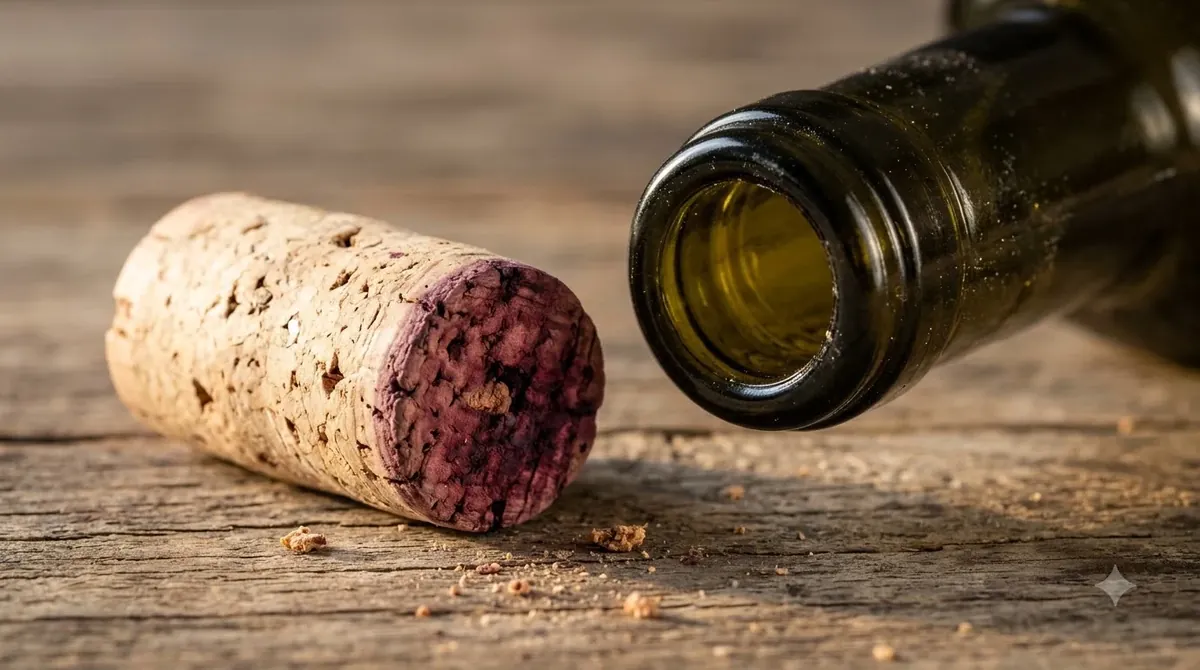
Tannins in red wine come from the grape skins. Skin contact draws color, tannins, and other phenolic compounds out of the skin, and tannin extraction increases during post-fermentation maceration, when alcohol is present. Tannin is the sensation of grip or dryness in the mouth, and it is one of the main reasons red wine feels different from white.
Some winemakers also add tannin in small amounts, though the source does not specify how it is added. For a shopper, the practical point is that tannin level is a matter of style and winemaking choice. A red with firm tannin usually pairs best with rich food, while a red with softer tannin can work with lighter dishes.
Main Styles of French Red Wine
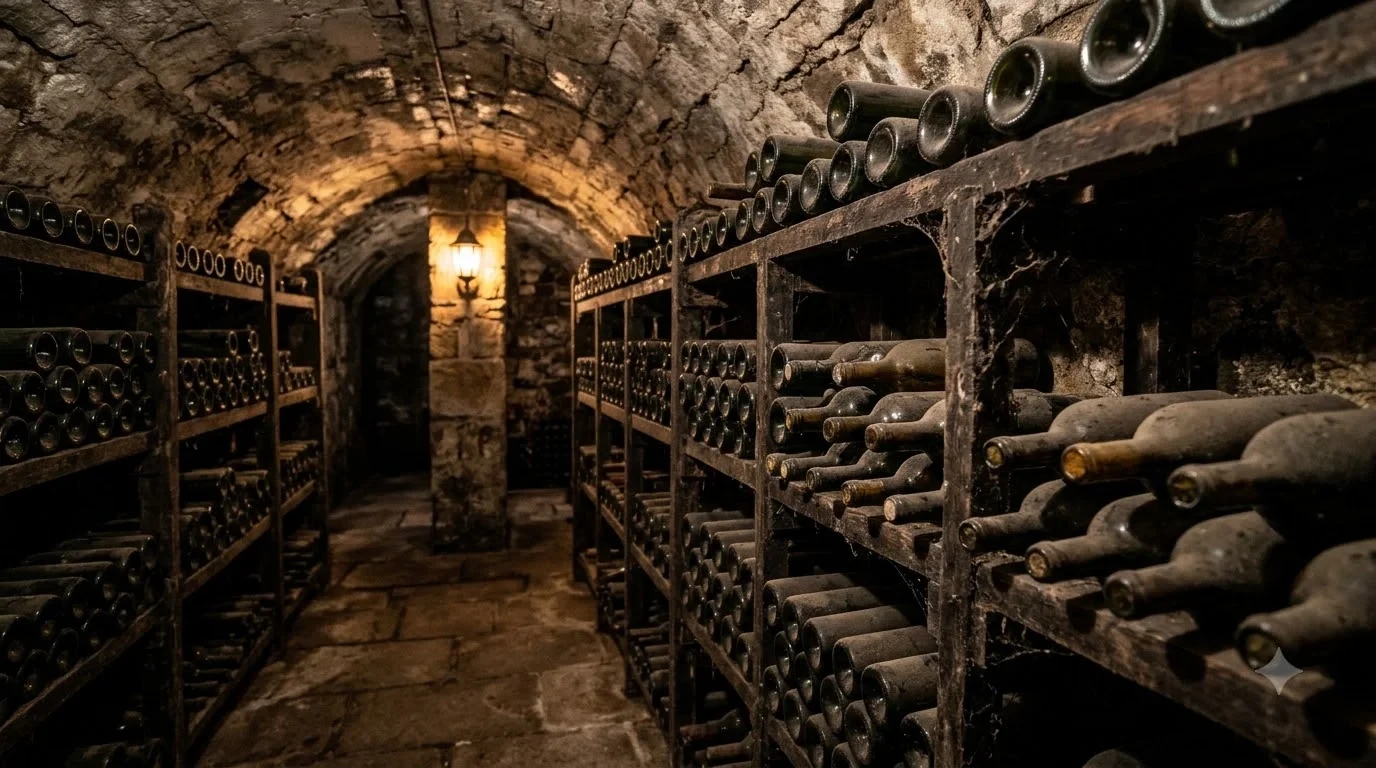
French reds range widely, and the region is the best guide to style. Wine Folly points to Bordeaux as a source of top reds that are aged for 18 months or longer. Those bottles are built for cellaring and are usually firm and structured when young. At the other end, Beaujolais Nouveau is aged for only a few days, which gives a bright, fresh, fruity wine meant to be drunk soon after release.
Readers who want to see how a single red variety shows up in the glass can look at guides on alicante bouschet wine and baco noir wine, which focus on individual grapes rather than regional blends. Comparing a single-grape wine with a regional blend is a good way to notice how much the winemaking shapes the final taste.
Between those poles sit many other styles. A shopper who wants an easy weeknight red will do well with a lighter regional bottle, while a special dinner may call for an older, more structured wine from a famous region. Matching the style to the meal is more useful than chasing a particular grape name.
| Style of vin rouge | What to expect | Typical use |
|---|---|---|
| Fresh and fruity (such as Beaujolais Nouveau) | Bright, light, aged only a few days | Casual meals, drinking young |
| Structured reds (such as top Bordeaux) | Firm tannin, aged 18 months or more | Roasts, rich dishes, cellaring |
| Everyday regional reds | Balanced, medium body, easy to drink | Daily dinners, group meals |
How Red Wine Is Enjoyed Around the World
Red wine is one of the most widely drunk styles in the world. The Wikipedia entry on red wine notes that China surpassed France and Italy in 2013 as the largest red wine consumer, and it names Bordeaux, Beaujolais Nouveau, and Champagne among the examples used to show the range of production. The variety of consumption means the phrase vin rouge is recognized widely beyond France.
In practice, the same bottle can be enjoyed in very different ways depending on the table. A fresh red may be served at a casual lunch, while a structured red fits a long dinner. Understanding the style helps a drinker choose well no matter where the bottle comes from.
How to Choose a Vin Rouge
Start with the region and the producer name, since these often tell you more than the words vin rouge. Next, consider the meal. A bright, fruity red suits lighter dishes and casual gatherings, while a firmer red can stand up to roasted meats and aged cheese. Price is less useful as a guide than style, because some modest bottles are very well suited to everyday meals.
Glass size and temperature also affect how a vin rouge tastes. A slightly cool red can feel fresher, while a red served too warm may taste heavier and more alcoholic. Let the glass rest for a few minutes after pouring so the aromas can open before the first sip.
If a menu offers only a generic vin rouge, ask the server which style is pouring that week. Staff can usually say whether the wine is light and fresh or fuller and firmer, which makes the choice easier.
Tip: On a French menu, look for the region in the description. A regional name plus vin rouge gives you a much clearer sense of the style than the general term on its own.
Frequently Asked Questions
What does vin rouge mean?
Vin rouge is the French term for red wine. It describes a wine made from dark-skinned grapes that have been fermented with their skins, which gives the wine its color and tannin.
Is vin rouge always dry?
Most vin rouge is dry, but the term itself does not guarantee a style. Check the producer or the description on the label to confirm the level of sweetness and the intended style of the bottle.
Why is red wine red?
The red color comes from anthocyan pigments in the grape skin. Winemakers leave the skins in contact with the juice so these pigments are extracted, which is why the time spent on skins affects how dark a wine looks.
What is the difference between vin rouge and red wine?
There is no difference in the wine itself. Vin rouge is the French name for the same category, so the phrase is a useful clue when reading a French label or menu.
Vin rouge is a simple phrase for a broad family of wines, and the region and producer name tell you most of what you need to know. To explore how red grapes differ in the glass, browse the wine by type guides and compare the styles before choosing your next bottle.
More in Wine Types & Grapes
 Zinfandel Sugar Content: Dry Red vs. White Zinfandel GramsUpdated Nov 21, 2026
 Best Zinfandel Substitute Options for Sipping and CookingUpdated Nov 21, 2026
 Zweigelt Food Pairing: Best Dishes, Cheeses, and Serving TipsUpdated Nov 21, 2026
 Zinfandel Tannins Explained: How Structure Shapes Every BottleUpdated Nov 21, 2026
 Zinfandel Sweetness Level: Dry Red vs. Sweet White Zin ExplainedUpdated Nov 21, 2026
 Xinomavro Food Pairing: Best Dishes, Styles, and Serving TipsUpdated Nov 21, 2026