

We may earn a commission when you buy through links on this page, at no extra cost to you. Learn more.
Beaujolais vs Bordeaux comes down to a light, juicy red made from Gamay versus a firmer, more structured red built on Cabernet Sauvignon and Merlot. Beaujolais is low in tannin and high in acidity, and it tastes best slightly chilled at about 54 to 58°F, which makes it easy to pair with a wide range of dishes. Bordeaux reds are medium to full in body with drying tannin, and they are usually served near 65°F after decanting, which is why they suit rich meat and can age for many years.
Walk down the French wine aisle and the two regions can look like they belong to different worlds. One shelf is full of cheerful bottles with simple labels, while the other holds row after row of serious estates with names that carry weight on a wine list. Both regions make red wine that shows up at dinner tables all over the world, though, and the gap between them is smaller than the shelf placement suggests. This guide covers where each region sits, which grapes go into the bottle, how the wines taste and feel, how to serve them, and which foods suit each one.
Two French Regions With Very Different Reputations
Beaujolais is a compact, mostly red-wine area just south of Burgundy, while Bordeaux is a much larger region along the Gironde estuary in southwest France. The Wine Society’s regional guide calls Bordeaux the largest vineyard of fine wines in the world, which helps explain why the name appears on so many wine lists.
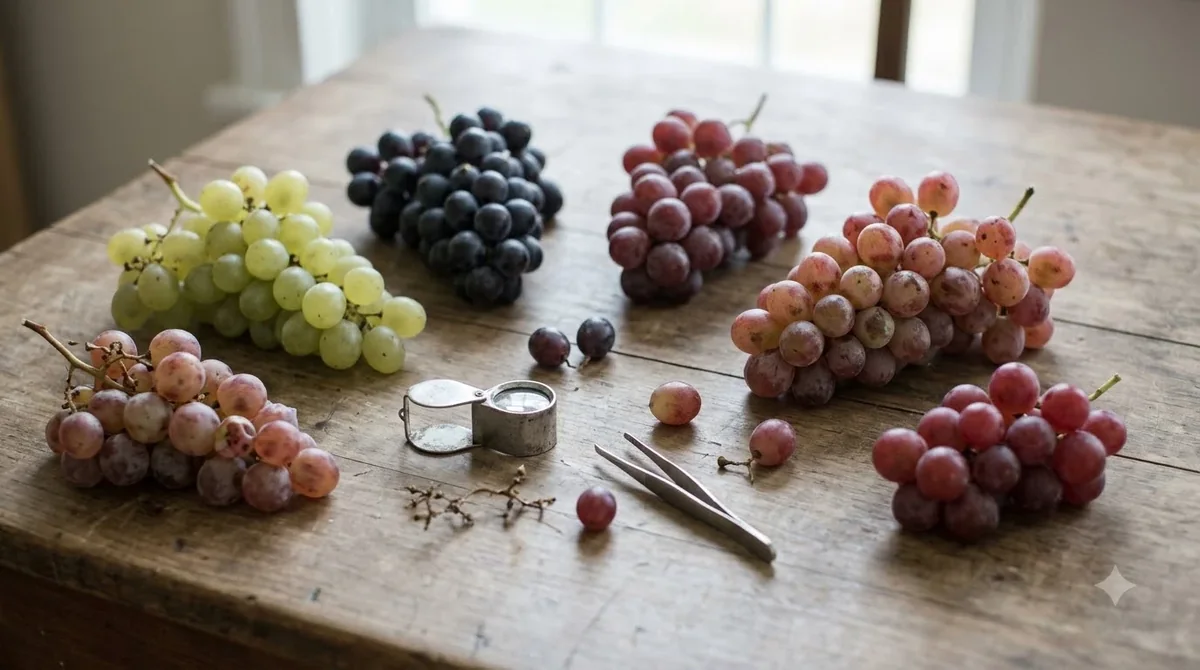
Beaujolais stretches between the towns of Mâcon and Lyon, and it is roughly 34 miles long and 7 to 9 miles wide, according to Wine Folly. The region is split into two sections by the Nizerand River, and the soils change noticeably from one side to the other. The northern half is dominated by granite and schist, which is where the ten cru villages sit, while the southern half has clay-based soils. Those soil differences are a big reason the region produces such a wide range of styles from one grape.
Bordeaux is organized along a different axis. Its best-known divide is between the Left Bank, which covers the Médoc and Graves on the left bank of the Gironde estuary, and the Right Bank, which centers on Libourne and includes Saint-Émilion and Pomerol. Wine Folly describes the Left Bank as gravelly and graphite-driven, while the Right Bank sits on red clay soils that tend to produce plummy wines. Between the Garonne and Dordogne rivers lies Entre-Deux-Mers, a district known for both red and white wines.
Reputation is where the two regions diverge most sharply. Many people know Beaujolais mainly through Beaujolais Nouveau, a young wine released on the third Thursday of November, and they never get to the cru wines that Total Wine describes as the most perfumed and concentrated of the region. Bordeaux, meanwhile, has long been treated as the benchmark for red blends. Beaujolais has also long been considered part of Burgundy, even though it now charts its own course. If you are weighing a Burgundy as well, our Beaujolais vs Burgundy comparison covers that overlap in more detail.
Gamay on Its Own Versus a Bordeaux Blend
Beaujolais red is made from a single grape, Gamay, while Bordeaux reds are blends of several varieties. That one distinction shapes almost everything else about how the two wines taste. Total Wine describes Gamay as producing mostly light-bodied wines with bright fruit and perfumed aromas, and Wine Folly lists its tannin as low, so the grape’s personality comes through as fruit rather than grip.
The vines themselves are demanding. According to The Wine Society, Beaujolais vineyards are typically planted at about 10,000 vines per hectare, pruned hard and low, and harvested by hand on steep slopes where machines are often impossible to use. Gamay ripens early, but it is prone to rot, and the Society warns that the most common mistake is picking too soon. Those practical challenges help explain why careful growers stand out in the region.
Bordeaux reds rely on blending. Wine Folly lists Cabernet Sauvignon, Merlot, Cabernet Franc, Petit Verdot and Malbec as the main red varieties, with a small amount of Carménère allowed. A typical Left Bank blend lists Cabernet Sauvignon first and Merlot second, while a typical Right Bank blend puts Merlot first and Cabernet Franc second. Cabernet Sauvignon brings high tannin and structure, Merlot adds softness, and Cabernet Franc adds aromatic lift, so the winemaker can adjust the mix in every vintage. If you want to explore the Merlot side of that equation, our Bordeaux vs Merlot guide breaks down how the two compare.
Beaujolais vs Bordeaux: The Numbers Side by Side
Beaujolais is lighter, lower in tannin, and lower in alcohol than most Bordeaux reds, while Bordeaux brings more grip and a firmer frame. The table below puts the key markers next to each other so you can compare them at a glance.
| Feature | Beaujolais (red) | Bordeaux (red) |
|---|---|---|
| Main grape(s) | Gamay | Cabernet Sauvignon, Merlot, Cabernet Franc (blended) |
| Body | Light to medium | Medium to full |
| Tannin | Low | Medium to high, drying |
| Alcohol (ABV) | 10–13% | 12.5–14.5% |
| Serving temperature | 54–58°F | About 65°F |
| Decanting | Not usually needed | At least 30 minutes |
| Typical ageing | Mostly drink young; Morgon 5–10 years | Left Bank 7–20 years; Saint-Émilion 3–12 years |
Tannin explains most of the difference you will notice in the glass. Wine Folly describes Beaujolais as low in tannin with high acidity, which makes the wine feel juicy and easy to drink even with a slight chill. Bordeaux reds bring medium to high tannin that dries the mouth and gives the wine its texture, and Wine Folly notes that these tannins are often strong enough for the wines to age for several decades.
Alcohol is the second difference. Wine Folly puts Beaujolais between 10 and 13 percent ABV, while the Bordeaux reds listed on The Wine Society’s Bordeaux page range from 12.5 to 14.5 percent. The gap looks small on paper, but at the table a lower-alcohol red feels lighter on the palate and less heavy after a rich course.
How Beaujolais Gets Its Juicy Fruit
Most Beaujolais is made with carbonic maceration, a process that highlights bright fruit and color while keeping tannin low. It is the reason many Beaujolais smell of banana, candied fruit and raspberry rather than oak or spice.
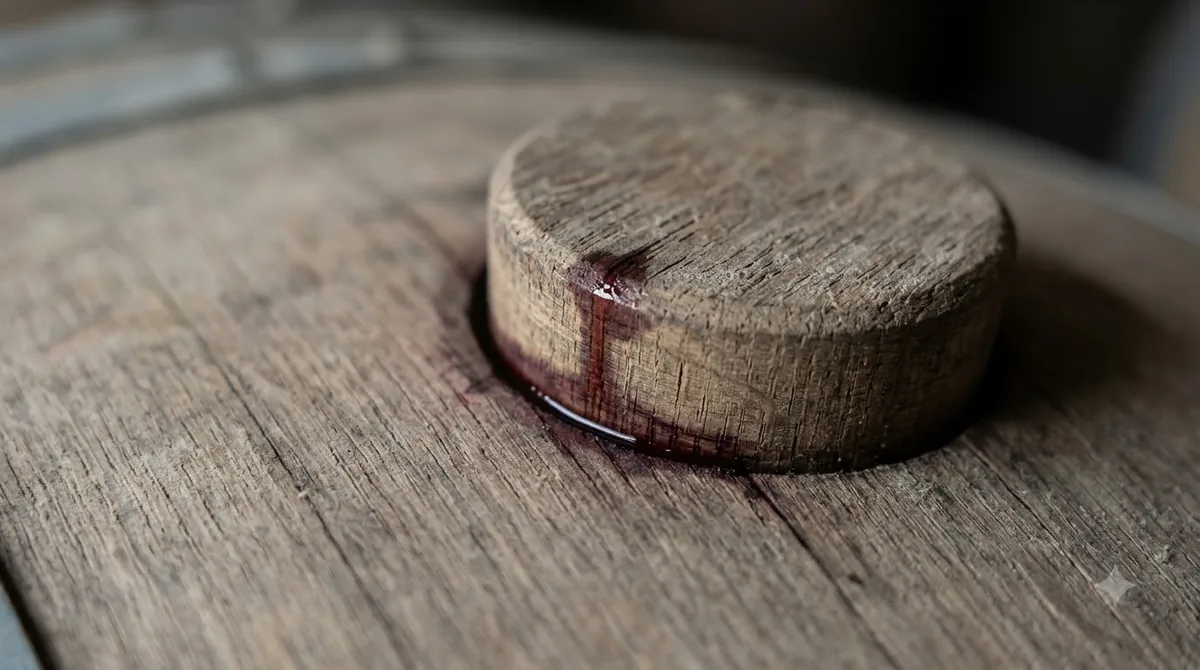
In the method described by Wine Folly’s Beaujolais guide, whole clusters of Gamay go into a tank rather than being crushed first. The weight of the fruit on top crushes the grapes at the bottom, and their juice starts to ferment and release carbon dioxide that fills the tank. Fermentation then continues inside the intact berries, which is why the wines are so fresh and fruit-driven. After a short maceration of roughly four to eight days, the free-run juice is drawn off, the remaining juice is pressed, and the two are blended to finish fermenting as a regular wine.
Not every Beaujolais is made this way. The Wine Society notes that the more serious bottles, especially from the crus, are often made more traditionally, through crushing and maceration with the juice pumped over the cap. That is why a cru Beaujolais can age into earthier, more savory character, while a basic Beaujolais is built to be drunk young. Beaujolais Nouveau relies on the carbonic method and is released on the third Thursday of November as the first wine of the harvest year, according to Total Wine.
Reading the Bordeaux Map: Banks, Appellations and Classifications
Bordeaux is organized by river bank and appellation, and the appellation on a label is a useful style guide, though the producer matters just as much. The Wine Society advises buyers to follow the property and the grower, since careful producers can make good wine even in vintages that once had a poor reputation. The sections below cover the main zones you are most likely to see.
Left Bank: Cabernet-led and built to age
The Left Bank covers the Médoc and Graves, and Wine Folly says its wines lean on Cabernet Sauvignon. The most prestigious sub-regions are Pauillac, Saint-Julien, Saint-Estèphe, Margaux and Pessac-Léognan, the areas first classified in 1855. That classification still ranks producers in five tiers, which is one reason certain estate names carry so much weight. The Wine Society notes that Pauillac has three first growths and that Margaux and Pauillac wines typically keep for seven to 20 years.
Right Bank: Merlot-led and soft-textured
Across the river, the Libournais area is built on Merlot. Wine Folly describes Pomerol and Saint-Émilion as Merlot-dominant, with Cabernet Franc and a little Cabernet Sauvignon in support, and says the wines have softer, more refined tannins than the Left Bank. The Wine Society describes Saint-Émilion as rich, full-coloured and spicy, and Pomerol as velvety. The satellite appellations of Montagne, Lussac, Puisseguin and Saint-Georges are more rustic and mature sooner, typically within two to 10 years.
Beyond the core: Côtes, Entre-Deux-Mers and Sauternes
The hill appellations of Bourg, Fronsac and Blaye offer good value. The Wine Society describes Blaye as charming, forward and fruity, best within two to seven years. Entre-Deux-Mers is better known for its white wines, which Wine Folly describes as having grapefruit and citrus notes with zippy acidity. Sauternes is the region’s famous sweet wine, where morning fog along the Garonne encourages botrytis, the noble rot that shrivels grapes and concentrates their sugar. The Wine Society lists Sauternes as able to keep anywhere from three to 40 years, depending on the producer and vintage.
Serving, Decanting and Storing Both Reds
Serve Beaujolais slightly chilled and Bordeaux a touch below room temperature, and give young Bordeaux time to open up. Those two habits do more for the glass than most equipment choices.
Wine Folly recommends serving Beaujolais at 54 to 58°F, and it suggests 55 to 60°F for Beaujolais-Villages. At that temperature the fruit stays bright and the acidity stays lively, so the wine tastes fresh rather than flat. Bordeaux works differently. Wine Folly suggests serving red Bordeaux around 65°F and decanting it for at least 30 minutes, because young full reds are often closed and tight. Decanting gives the tannins time to soften and lets the aromas come forward.
A standard 750 ml bottle holds about five 5-ounce pours, so one bottle covers a table of four with one glass each. Store unopened bottles on their side in a cool, dark place near 55°F. Once opened, still wines keep for about three to five days in the refrigerator, so finish an open Beaujolais within a few days and re-cork a Bordeaux tightly between glasses.
Tip: If a Beaujolais tastes flat or sharp, it is usually too cold, so let it sit in the glass for ten minutes. If a young Bordeaux tastes hard or closed, it is usually too warm or simply not open yet, and decanting it for 30 to 60 minutes will soften the tannins.
Food Pairings That Actually Work
Beaujolais suits lighter, herb-driven and spicy dishes, while Bordeaux needs fat and savory richness to soften its tannin. Matching the two correctly is much easier when you think about what each wine needs from the plate.
For Bordeaux, The Wine Society lists steak, lamb, duck, charcuterie and hard cheeses as classic matches, and Wine Folly points to steak frites as a near-perfect partner. Its reasoning is simple: the umami in the meat stands up to the wine’s structure, and the fat in the dish smooths out the grip of the tannin. Wine Folly also suggests roast pork, pot roast, venison and Comté, all of which give the tannin something rich to work against.
Beaujolais has the opposite strength. Its low tannin means it can handle dishes that would overwhelm a Bordeaux, including roast chicken, sausages, mushroom dishes and charcuterie. The two regions overlap on the plate as well, because The Wine Society notes that Brouilly is the bistro Beaujolais Parisians often drink with steak-frites. Chili is another area where Beaujolais shines. Heat is amplified by both alcohol and tannin, and the lower numbers on both counts keep the spice in balance.
A few pairings are worth avoiding. Oily fish clashes with tannic reds, so a full Bordeaux is a poor match for salmon or mackerel, while a lightly chilled Beaujolais handles them far better. If you are building a full dinner around either wine, our Wine vs Wine hub can help you plan the rest of the menu.
Frequently Asked Questions
Which is easier for a beginner to enjoy, Beaujolais or Bordeaux?
Beaujolais is usually the gentler starting point, and Beaujolais-Villages is a sensible first step within the region. The Wine Society calls it a midway point between the youthful style of Nouveau and the greater complexity of the crus, and it is often excellent value. Bordeaux tends to reward more patience and more food.
Why are Beaujolais and Burgundy so often compared?
A ducal decree passed in 1395 outlawed Gamay in Burgundy, which helps explain the long connection between the two regions. Wine Folly notes that the more serious crus drink a lot like red Burgundy. That resemblance is a big reason many drinkers reach for a cru when they want something more structured.
Are Bordeaux reds always expensive?
Not necessarily. The Wine Society notes that the second wines of top châteaux are often sold at about a third of the price of the first wine. Lighter vintages also mature earlier and cost less, and they often give just as much pleasure in the glass.
Which Beaujolais keeps best in the cellar?
Moulin-à-Vent and Chénas are the crus that The Wine Society says keep well, and Côte de Brouilly can age too. The Society also recalls a 1976 Morgon from one producer that was still fabulous in its experience. Most Beaujolais, however, is meant to be drunk within a few years of the harvest.
Does Beaujolais come in white as well as red?
Yes, though white wine is a small part of the region. The Wine Society says that a little over 200 of Beaujolais’s 18,500 hectares are planted with Chardonnay, which can also be made into Crémant de Bourgogne. The best white Beaujolais, according to the Society, comes from areas with chalk in the soil.
Beaujolais and Bordeaux are less like rivals than two answers to the same dinner question. Choose Beaujolais when you want fruit, freshness and an easy pour with a wide range of food, and choose Bordeaux when you want structure, grip and a wine that can age for years.
More in Wine vs Wine
 Chenin Blanc vs Pinot Gris: Acidity, Body, and Pairing DifferencesUpdated Nov 20, 2026
 Chianti vs Lambrusco: How Tuscany and Emilia-Romagna Reds CompareUpdated Nov 20, 2026
 Chianti vs Primitivo: Key Differences in Taste, Body, and PairingUpdated Nov 20, 2026
 Chianti vs Rioja: Key Differences in Taste, Aging, and PairingUpdated Nov 20, 2026
 Chianti vs Shiraz: How Acidity, Body, and Food Pairings CompareUpdated Nov 20, 2026
 Chianti vs Syrah: Key Differences in Taste, Body, and Food PairingUpdated Nov 20, 2026