


We may earn a commission when you buy through links on this page, at no extra cost to you. Learn more.
The villany wine festival is a harvest-season celebration of Hungarian red wine, traditional cellar culture, regional food, and live entertainment in Villány, one of Hungary’s best-known wine regions. Its best-known event is the Villány Red Wine Festival, which brings visitors to the town’s historic cellar row for tastings, concerts, and harvest activities. The celebration also provides an opportunity to discover local varieties such as Portugieser and Cabernet Franc, known locally as Villányi Franc.
Located in southern Hungary, Villány offers a wine experience that combines historic architecture, vineyard landscapes, Swabian cultural traditions, and a strong identity built around red wine. The festival is a particularly appealing reason to visit, but understanding the region’s wines and surrounding villages makes the trip more rewarding. Whether you are planning a weekend around the harvest procession or a longer wine-country itinerary, knowing what to expect will help you make the most of your visit.
What Makes the Villány Wine Festival Special
The Villány Wine Festival stands out because wine is closely connected to the town’s architecture, local history, and everyday culture. Rather than concentrating everything inside a single exhibition hall, the celebration spreads across public squares, performance areas, and the historic cellar district, creating an experience that brings visitors into the heart of the wine community.
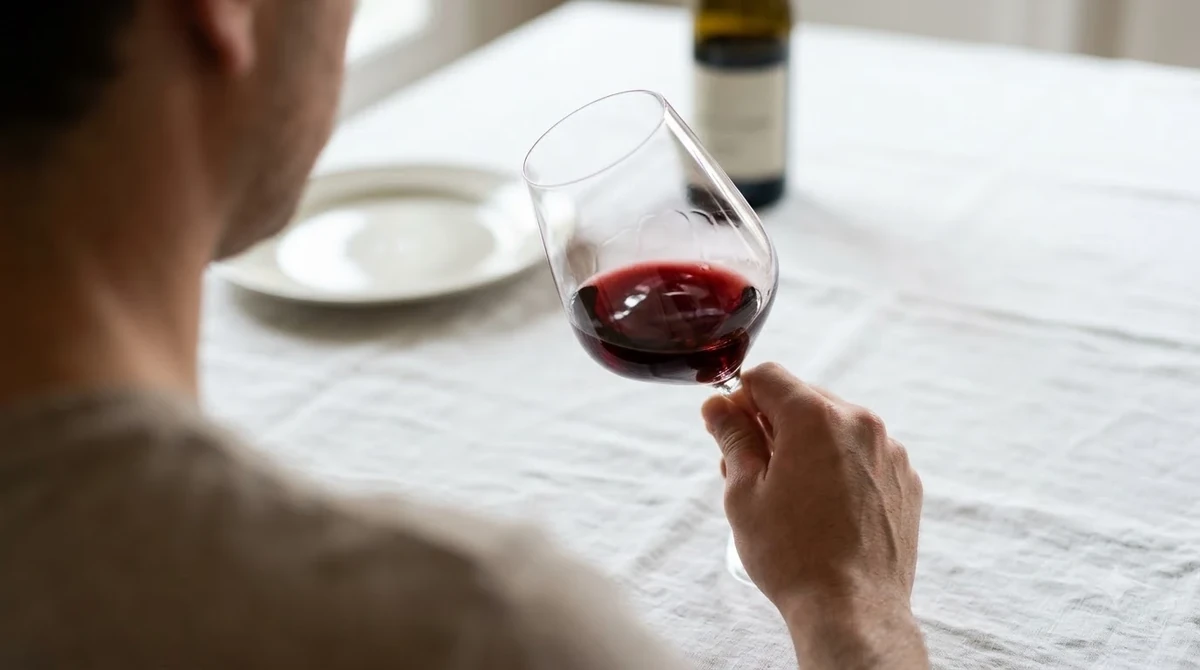
The best-known celebration is the Villány Red Wine Festival, officially called Villányi Vörösbor Fesztivál. Its 2026 edition was the 38th, running from October 2 through October 4. The municipal event listing describes it as one of the region’s principal gastronomic celebrations, combining Villány wines with food, entertainment, and harvest traditions. Visitors can consult the official Villány Red Wine Festival program for the event’s schedule and venue information.
One important distinction is that the Red Wine Festival is not the only wine-related event in the area. Villány also hosts rosé celebrations, wine picnics, professional tastings, and cultural gatherings throughout the year. Visitors interested in a broader wine itinerary can explore the regional calendar and the wider Wine Regions collection to understand how different destinations organize their wine tourism.
The atmosphere is a mixture of a traditional harvest gathering and a modern town festival. Visitors can move between wine cellars, food stands, concerts, and cultural performances without spending the entire day in one location. This makes the celebration suitable for people who enjoy wine but also want music, regional cuisine, and opportunities to explore local traditions.
Wine remains the central attraction, especially the region’s structured red wines. However, the festival is not limited to formal tastings. A visitor might begin with a glass of Portugieser, watch a traditional procession in the afternoon, visit an open cellar, and finish the evening at a concert. That combination gives Villány a distinctive identity among Central European wine destinations.
When the Festival Takes Place and What to Expect
The principal Red Wine Festival takes place in the autumn harvest season, with the first weekend of October serving as the established timing for the 2026 edition. Its three-day schedule combines wine-focused activities with concerts, family entertainment, and traditional events that reflect the agricultural history of the region.
The October 2–4, 2026, program illustrates the typical range of attractions visitors can expect from this celebration. Friday and Saturday featured major musical performances, while Saturday included the harvest procession and ceremonial barrel tapping. Sunday offered a quieter program of community and cultural activities, with free admission advertised for the entire day.
Because the 2026 festival has already taken place, travelers planning a future visit should distinguish between its established seasonal pattern and a confirmed upcoming schedule. The next edition’s precise dates, ticket arrangements, performers, and transportation details should be verified through the municipal event website before making travel reservations.
| Festival detail | 2026 information |
|---|---|
| Event | 38th Villány Red Wine Festival |
| Dates | October 2–4 |
| Duration | 3 days |
| Friday opening | 6:00 p.m. main-stage opening |
| Saturday procession | 2:00 p.m. |
| Saturday barrel tapping | 3:30 p.m. |
| Sunday admission | Free for the full program |
| Late-night train | 2:00 a.m. departure |
The timetable shows why Saturday is particularly attractive for visitors interested in traditional harvest customs. The afternoon procession, barrel ceremonies, and cellar activities provide a different experience from the Friday and Saturday evening concerts. Those who prefer a less crowded cultural visit may also find Sunday’s community performances appealing.
For visitors comparing international wine celebrations, Villány offers a different experience from events such as an Indiana wine festival, where the emphasis may be on discovering wines from a broad selection of producers and American regions. Villány’s appeal is its close connection to one specific Hungarian wine-producing community.
Which Villány Wines Should Visitors Try
Villány is particularly famous for red wine, and its warm growing conditions help produce ripe, concentrated styles. Visitors should begin with Portugieser and Cabernet Franc before exploring Merlot, Cabernet Sauvignon, and Syrah, which demonstrate the region’s range of red-wine styles.
Portugieser is one of the most historically important varieties in the region. It is generally associated with approachable, fruit-forward red wines, making it a useful introduction for someone unfamiliar with Hungarian wine. Depending on the producer and vintage, expect red cherry, plum, gentle spice, and moderate tannin rather than the dense structure of a powerful Cabernet Sauvignon.
Cabernet Franc is particularly important to Villány’s modern wine identity. Producers frequently use the local designation Villányi Franc for their premium Cabernet Franc wines. These wines can show black cherry, blackberry, herbal notes, pepper, and firm but polished tannins. The warm climate can contribute to ripe fruit character while retaining enough freshness to keep the wines balanced.
Visitors should also consider Merlot. Compared with Cabernet Sauvignon, Merlot generally has softer tannins and a rounder texture. In Villány, it can show ripe plum, blackberry, cocoa, and spice. Some producers bottle it independently, while others incorporate it into blends.
Cabernet Sauvignon is another important variety for visitors who prefer full-bodied red wines. It typically has higher tannin than Merlot and can display dark fruit, cedar, and structured finishes. Syrah offers another contrast, with dark berries, pepper, and savory spice.
Understanding the Main Grape Varieties
| Grape | Typical style | What to notice |
|---|---|---|
| Portugieser | Light to medium-bodied red | Cherry, plum, approachable tannins |
| Cabernet Franc | Medium to full-bodied red | Black fruit, herbs, freshness |
| Merlot | Medium to full-bodied red | Plum, softer tannins, round texture |
| Cabernet Sauvignon | Full-bodied red | Dark fruit, firm tannins, structure |
| Syrah | Medium to full-bodied red | Blackberry, pepper, savory spice |
Do not assume that every Villány wine is heavy or highly tannic. A young Portugieser can be considerably easier to drink than a concentrated Cabernet Sauvignon, while Cabernet Franc occupies a wide stylistic range depending on vineyard location, ripeness, winemaking, and aging.
A good tasting strategy is to sample lighter wines first and progress toward more structured selections. Try Portugieser, then Merlot, followed by Cabernet Franc and Cabernet Sauvignon. If Syrah is available, compare its peppery character with the more herbal profile of Cabernet Franc.
Tip: Ask the winery to pour its Portugieser and Villányi Franc side by side. The contrast between the approachable fruit of Portugieser and the structure of Cabernet Franc is one of the most useful ways to understand Villány’s wine identity.
Historic Cellars, Festival Venues, and Regional Attractions
Villány’s historic cellar district is one of the most distinctive parts of the festival experience. The combination of traditional wine cellars, public gathering spaces, and nearby vineyard landscapes allows visitors to discover the wine culture through architecture as well as tasting.
The 2026 Red Wine Festival used four principal event areas: the Historic Cellar Row, Diófás Street, Main Square, and the Event Square. Each provided a different setting for entertainment and wine-related activities. Visitors could move between open-cellar experiences, public performances, and larger concerts throughout the festival.
The Historic Cellar Row is especially important for understanding the area’s winemaking traditions. The region’s cellars are not simply places to store bottles. They represent a longstanding connection between wine production, family businesses, and local community life. Exploring these buildings gives visitors a better sense of why Villány has developed such a recognizable wine identity.
Beyond the town center, the Villány-Siklós wine route connects several settlements and wine destinations. Palkonya is particularly interesting for visitors who want to explore a traditional cellar village. Its wine-related architecture and surrounding countryside offer a quieter contrast to the festival’s concert areas.
The wider region also includes Siklós and Máriagyűd, both useful additions to a longer itinerary. Hungary’s official tourism organization identifies the route as an opportunity to visit historic cellars, attend tastings, cycle through the countryside, and explore local food traditions. Its official Villány tourism overview provides additional context on the region’s wine villages, landscape, and local specialties.
Walking and cycling are practical ways to experience the surrounding landscape, particularly outside the busiest festival hours. Visitors should plan longer excursions separately from scheduled tastings and evening performances. A relaxed morning in the vineyards followed by an afternoon in the town center can make an enjoyable combination.
It is also useful to distinguish between the main festival grounds and the individual wineries. A large public concert venue is not necessarily the same as a private winery tasting room. Some cellar experiences may require advance arrangements, especially for organized groups or more specialized tastings.
Traditional Hungarian Food and Wine Pairings
Regional food is an important part of a visit to Villány because local dishes help explain how the area’s wines fit into everyday Hungarian dining. Cockerel stew, catfish stew, and plum and onion flan are among the regional specialties identified by Hungary’s official tourism organization.
Cockerel stew is a natural companion for medium- to full-bodied reds. Its savory character and rich preparation can work particularly well with Merlot or a fruit-forward Cabernet Franc. If the preparation is especially rich, the wine’s acidity and tannin can provide useful contrast.
Catfish stew offers a different pairing challenge. Depending on the recipe, it may contain paprika, tomato, onion, and a rich sauce. Rather than automatically choosing a heavily tannic red, consider a wine with balanced acidity and moderate structure. A lighter red can work when the seasoning is not excessively hot.
Plum and onion flan is an interesting example of the region’s combination of sweet and savory flavors. Its fruit character can complement wines with ripe plum notes, although the sweetness of the dish should guide the wine choice. A wine should generally be at least as sweet as the dessert when a genuinely sweet dessert is involved.
Practical Pairing Suggestions
- Cockerel stew: Try Merlot or a medium-bodied Cabernet Franc with balanced tannins.
- Catfish stew: Consider a fresher, lighter red if the dish has a rich paprika-based sauce.
- Roasted meats: Cabernet Sauvignon and structured Cabernet Franc can handle the richness and protein.
- Smoked meats: Syrah can complement smoky flavors with its peppery character.
- Fruit-based desserts: Choose a wine with sufficient sweetness to match the dessert.
Salt and fat generally soften the perception of tannin, which helps explain why structured reds can work with grilled meats and rich stews. However, chili heat tends to become more pronounced alongside alcoholic and tannic wines. For particularly spicy dishes, a softer, lower-alcohol option may be more comfortable.
Visitors should also explore the food stands and local restaurants rather than relying exclusively on the main wine-tasting areas. A regional meal provides a welcome break between tastings and makes the festival experience more representative of southern Hungarian hospitality.
Planning Transportation, Accommodation, and Your Festival Schedule
Good planning is particularly important during the harvest celebration because the festival brings visitors into a relatively small town. Accommodation, transportation, tasting appointments, and evening entertainment should be considered together rather than treated as separate decisions.
Villány is in southern Hungary, within the wider Pécs region. Pécs is a useful reference point for travelers arriving from other parts of the country. Visitors can organize their journey around the regional transport connections or arrange private transportation, depending on their accommodation and tasting plans.
The 2026 festival listing included special late-night travel arrangements. A train was scheduled to leave Villány at 2:00 a.m. on both festival nights. Planned special buses also connected the town with Pécs and the Siklós–Harkány–Pécs area, with several departures during the evening and around midnight.
These arrangements are useful examples of how festival transportation may work, but they should not be assumed to apply to future editions. Check the relevant timetable before traveling, particularly if you plan to attend the final concerts. A normal weekday transportation schedule may not provide the same late-night options.
For accommodation, consider staying in Villány if your main objective is to attend multiple tastings and evening activities. Staying in the town reduces the need to travel after dinner and makes it easier to return to your room between afternoon events and nighttime performances.
Pécs is another possible base for visitors who want to combine the festival with a wider cultural trip. It can provide a different urban experience while keeping the Villány-Siklós wine route within the broader itinerary. However, visitors should calculate their return journey before committing to late-night events.
A Practical Three-Day Itinerary
A three-day visit can provide a useful balance between wine discovery, regional sightseeing, and festival entertainment.
Friday: Arrive in Villány, settle into your accommodation, and explore the historic cellar district. Start with a lighter red such as Portugieser before sampling a Cabernet Franc. Spend the evening exploring the festival’s public spaces and concert program.
Saturday: Reserve the afternoon for the traditional harvest procession and barrel ceremonies. If available, attend a guided tasting or cellar demonstration. Leave enough time for dinner before returning to the main entertainment areas for the evening concerts.
Sunday: Enjoy a slower morning, explore nearby vineyards, or visit a regional cellar village such as Palkonya. The 2026 Sunday festival program was free, making it an appealing option for visitors interested in community performances rather than the busiest concert schedule.
The same approach can be adapted for shorter visits. Travelers arriving for just one day should prioritize the Historic Cellar Row, one guided tasting, and the main harvest activity if the schedule includes it. Avoid trying to visit every winery in a single afternoon.
For anyone interested in comparing festival destinations, a Livermore wine festival offers another opportunity to explore wine tourism through a regional American wine community. Comparing destinations can be useful when deciding whether you prefer a large public celebration, a cellar-focused tasting weekend, or a broader wine-country vacation.
Wine Tasting Etiquette and Making the Most of Every Visit
A little preparation makes festival tastings more enjoyable, especially when several wineries are offering different styles of red wine. Start with a clear idea of what you want to learn, keep tasting portions manageable, and allow enough time between appointments to appreciate the wines.
When comparing Portugieser, Merlot, and Cabernet Franc, pay attention to three characteristics: acidity, tannin, and body. Acidity contributes freshness, tannin creates a drying sensation, and body describes the wine’s overall weight on the palate. These characteristics can help explain why two wines made from different varieties feel so different even when they come from the same region.
For example, a young Portugieser may feel softer and more immediately accessible than a Cabernet Sauvignon. Cabernet Franc may provide a middle ground, with noticeable structure and freshness. A mature or oak-aged red can show additional complexity through spice, dried fruit, and savory characteristics.
Ask producers about the vineyard location, grape variety, vintage conditions, fermentation choices, and aging methods. These questions are particularly helpful when comparing two Cabernet Franc wines. Even when the grape variety is identical, different vineyard sites and winemaking decisions can produce very different results.
Serving temperature also affects the experience. Light reds generally show well around 55–60 F, while full-bodied reds are usually best around 60–65 F. Very warm serving conditions can emphasize alcohol, while excessively cold temperatures can make tannins seem harder and reduce the wine’s aromatic expression.
There is no need to rush through a tasting list. A 5-ounce serving is a typical standard wine pour, and a 750-milliliter bottle contains approximately five such glasses. Festival tasting portions may be considerably smaller, allowing visitors to compare more wines without committing to full glasses.
It is also useful to take short notes. Record the producer, grape variety, vintage, and one or two impressions about aroma and structure. If you particularly enjoy a wine, ask whether the producer offers additional tasting opportunities or cellar visits outside the main festival period.
For visitors who want to explore more international wine celebrations, the Utah wine festival provides another regional perspective on how wine events bring together producers, visitors, food, and local culture. Villány’s defining feature remains its concentration on the southern Hungarian red-wine tradition.
Frequently Asked Questions
What does the name Villányi Franc mean?
Villányi Franc is the regional designation used for premium Cabernet Franc wines from Villány. It reflects the variety’s importance to the area’s modern wine identity and helps distinguish the region’s distinctive interpretation of Cabernet Franc from examples produced elsewhere. The designation is associated with the region’s efforts to communicate its wine identity internationally.
Why is Villány associated with Swabian wine traditions?
German-speaking Swabian settlers arrived in the region during the 18th century and contributed to its viticultural development. Their influence included the establishment of cellar infrastructure and the cultivation of Portugieser. These historical connections remain part of the cultural identity of Villány and surrounding settlements.
Is Villány known for white wine too?
Yes. Although Villány is particularly recognized for its red wines, the neighboring Siklós area is associated with white wine production. This makes the wider Villány-Siklós region interesting for visitors who want to compare southern Hungarian red and white wine traditions during the same trip.
What is the difference between the Red Wine Festival and the European Wine Song Festival?
The Red Wine Festival centers on the harvest season, local red wines, concerts, and community celebrations. The European Wine Song Festival combines wine culture with international choral performances and musical traditions. The latter also includes separate premium wine tasting activities, providing a more specialized combination of music and wine education.
Can visitors explore Villány’s wine region without attending a festival?
Yes. The Villány-Siklós wine route offers year-round opportunities to explore wineries, cellar villages, and countryside attractions. Visitors can also arrange cycling and hiking excursions or explore traditional food establishments. Individual cellar opening schedules and tasting appointments vary, so advance contact with producers is useful when planning a quieter visit.
The Villány wine festival offers an engaging introduction to one of Hungary’s most distinctive red-wine regions, combining historic cellars, Cabernet Franc, traditional harvest celebrations, and regional food. The October celebration is an excellent starting point, but the surrounding Villány-Siklós wine route offers plenty of reasons to extend the journey. For the best experience, combine a guided tasting with time in the historic cellar district and an opportunity to explore the region beyond the main festival grounds.
More in Wine Regions
 Willcox Wine Trail: Discover Arizona’s High-Elevation Wine CountryUpdated Nov 20, 2026
 Yakima Valley Wine Region: Find the Best Styles to TryUpdated Nov 20, 2026
 Vosne Romanee Wine Tasting: Identify Aromas and Choose Better PairingsUpdated Nov 20, 2026
 Yakima Valley Wine Festival: Find the Best Seasonal Wine EventsUpdated Nov 20, 2026
 Wales Vineyards: Discover Cool-Climate Wines and Where to VisitUpdated Nov 20, 2026
 Yountville Wine Festival: Discover Napa Wines and Local FoodUpdated Nov 20, 2026