

We may earn a commission when you buy through links on this page, at no extra cost to you. Learn more.
Verde Valley wine country is Arizona’s high-elevation wine region north of Phoenix, where vineyards and tasting rooms around Cottonwood, Cornville, Clarkdale, Jerome, and Sedona showcase distinctive wines from more than 40 planted grape varieties. The Verde Valley American Viticultural Area (AVA) was established in 2021, giving the region a formally defined identity. Visitors can combine vineyard visits and downtown tasting rooms with red-rock scenery, historic mining towns, and outdoor activities.
Set in central Arizona’s Yavapai County, the Verde Valley is a smaller, varied wine destination rather than a single resort-style wine strip. Its appeal comes from the contrast between river corridors, high-desert slopes, and communities with different personalities: Page Springs and Cornville for vineyard settings, Cottonwood for walkable tasting rooms, and Jerome for a historic hillside stop. A little planning helps you taste thoughtfully and see more of the region without rushing between appointments.
Where Verde Valley Wine Country Sits in Arizona
The Verde Valley AVA occupies a 219-square-mile area in northeastern Yavapai County, centered on the meeting of Oak Creek and the Verde River. The wine-travel area is broader in feel, linking vineyard communities with nearby destinations including Sedona, Cottonwood, Clarkdale, Cornville, Camp Verde, and Jerome.
For visitors, Cottonwood is a useful base because it sits near several wine-trail clusters and has an Old Town district with tasting rooms, restaurants, and places to pause between winery visits. Page Springs Road, near Cornville, is the more vineyard-focused corridor: the route follows Oak Creek and brings several wineries close together. Clarkdale adds another small-town stop, while Jerome offers a steep, historic mining-town setting above the valley. Sedona supplies the red-rock landscape many travelers already have on their itinerary.
The AVA boundary and the wider tourism region are not interchangeable. An American Viticultural Area is a legally defined grape-growing region, not a list of every business that pours local wine; a tasting room in Sedona or Cottonwood may serve wines made from Verde Valley fruit, fruit from elsewhere in Arizona, or both. The Arizona Wine Growers Association places the broader northern Arizona wine area at roughly 3,000 to 5,500 feet in elevation and includes several surrounding towns in its visitor landscape. Use the AVA to understand wine origin and the towns to plan lodging, meals, and sightseeing.
From Phoenix, the drive is commonly described as about two hours, depending on the destination and traffic. Decanter places the Verde Valley about an hour southwest of Flagstaff, making it convenient for visitors approaching from northern Arizona. The region can fit into a longer Sedona visit, but it merits its own itinerary if vineyard visits and conversations with producers are the priority. For a broader introduction to American appellations, the site’s Wine Regions section provides useful context.
High Elevation, Desert Sun, and River-Cooled Sites
Elevation and sharp day-to-night temperature changes help explain why wine grapes grow in this central Arizona valley. Much of the AVA sits between 3,000 and 4,000 feet, while nearby terrain rises substantially higher and channels cooler air toward the valley floor.
University of Arizona Cooperative Extension reports that almost all of the AVA has an average growing-season temperature between 70°F and 75°F. Its growing-season calculation covers April 1 through October 31, and its climate analysis places much of the region in a Winkler Index range of 2,222 to 2,700. These figures describe broad patterns, not every individual vineyard.
| Regional measure | Typical figure |
|---|---|
| AVA area | 219 square miles |
| Elevation across much of the AVA | 3,000–4,000 feet |
| Average growing-season temperature | 70°F–75°F |
| Winkler Index across much of the AVA | 2,222–2,700 |
| Growing-season period used in the analysis | April 1–October 31 |
The Verde River and Oak Creek are more than scenic features: the AVA is centered on their confluence, and surrounding mountains shape air movement through the basin. Cooler air can drain downslope, while south- and west-facing slopes receive different solar exposure from north- and east-facing sites. These details affect frost exposure, vine growth, water management, and ripening, helping explain why nearby producers can make different wines.
Soils also vary across the valley. The Arizona Wine Growers Association identifies limestone around Rimrock, sandstone in Sedona, basalt near House Mountain, and fertile alluvial deposits by Oak Creek and the Verde River; the AVA’s educational material describes alluvial soils as generally well drained. Summer monsoon storms can bring lightning, strong wind, and heavy downpours during the harvest period, according to Decanter. The region is shaped by both desert sunshine and seasonal weather that demands careful vineyard decisions.
Grape Varieties and Wine Styles to Look For
Verde Valley vineyards include a broad mix of grapes rather than one signature variety. The AVA’s educational FAQ lists more than 40 varieties planted in the region, including Mediterranean grapes and familiar international varieties that respond differently to elevation, heat, and site conditions.
White grapes named in the regional materials include Malvasia Bianca, Viognier, Chardonnay, Vermentino, Seyval Blanc, and Picpoul Blanc. That list offers a useful tasting strategy: compare the aromatic lift of Viognier or Malvasia Bianca with the brighter, more incisive profile often associated with Picpoul Blanc or Vermentino. Chardonnay gives visitors a familiar reference point, but its flavor and texture depend heavily on harvest decisions and cellar handling. A grape name tells you the variety, not whether the finished wine will be lean, rich, unoaked, or barrel-aged.
Red varieties include Syrah, Petite Sirah, Cabernet Sauvignon, Sangiovese, Tannat, and Barbera. Each brings a different structural profile. Syrah can show dark fruit and savory spice; Cabernet Sauvignon commonly carries firmer tannin; Barbera is often marked by lively acidity; and Sangiovese can combine tart red fruit with savory notes. Tannat and Petite Sirah are usually more forceful in tannin and color. These are general grape tendencies, not guarantees about every local bottling, so ask the tasting-room staff how a wine was grown and made.
Some producers work with grapes associated with southern Europe and the Rhône Valley. Decanter has highlighted Caduceus Cellars bottlings made from Monastrell (also known as Mourvèdre) and Tempranillo, plus a blend combining Sagrantino and Souzão. These examples show why visitors should not expect every winery to offer the same Cabernet-Merlot-Chardonnay lineup. Fruit may come from different parts of Arizona, so ask whether a bottling is entirely Verde Valley fruit or includes another AVA. For comparison, the Yadkin Valley wine country offers another American regional example, with its own grapes and growing conditions.
Wineries, Vineyards, and Tasting Rooms
The Verde Valley Wine Trail brings together vineyard properties and tasting rooms across several communities. The regional visitor listing includes established names such as Page Springs Cellars, Oak Creek Vineyards & Winery, Javelina Leap Vineyard & Winery, Alcantara Vineyards, Chateau Tumbleweed, Caduceus Cellars, Merkin Vineyards Hilltop Winery & Trattoria, and Cellar 433 in Old Town Cottonwood.
Page Springs and Cornville are natural starting points for travelers who want a vineyard setting. Page Springs Cellars, Oak Creek Vineyards & Winery, and Javelina Leap Vineyard & Winery appear on the local trail listing, along with other nearby options. This corridor is especially appealing for a slower visit: look for outdoor seating, vineyard views, and a chance to ask about the site and the growing season. Because tasting-room hours, reservation policies, and food service can vary, confirm details directly before setting out rather than assuming every stop follows the same schedule.
Clarkdale and Jerome bring a different character to the route. Decanter describes Chateau Tumbleweed as a project begun by friends with experience at other Arizona wineries before it established its own Clarkdale facility. Caduceus Cellars has a Jerome tasting room and draws primarily on Verde Valley fruit, while managing vineyards around Arizona. These examples show the mix of vineyard operations, production sites, and town tasting rooms. Confirm whether your booking is at a vineyard, winery, or separate tasting room; the settings are not interchangeable.
Old Town Cottonwood suits visitors who prefer to park once and explore on foot. The local tourism site lists tasting rooms and dining options including Merkin Vineyards Hilltop Winery & Trattoria, Cellar 433, Arizona Stronghold, Tantrum Wines, Rubrix Wines, and The Ventura Room. For a current stop list and passport information, consult the Cottonwood tourism board’s Verde Valley Wine Trail page. The site’s guide to Verde Valley vineyards offers a closer look at individual estates and vineyard settings.
How to Plan a Verde Valley Wine Country Visit
A successful visit is easier to organize by area than by trying to cover every name on a map. Choose one main cluster for the day, leave time for a meal, and treat a second community as an optional add-on rather than a rushed checklist.
For a vineyard-centered day, begin around Page Springs and Cornville. Choose two nearby tasting stops, then leave time for the creekside landscape and lunch. Another option is to focus on Cottonwood: visit one or two Old Town tasting rooms, eat nearby, and stroll the historic downtown between appointments. Clarkdale or Jerome can make a separate outing, but their hillside setting and distinct atmosphere make it sensible not to crowd every community into one afternoon.
Before leaving your lodging, confirm hours, reservations, tasting formats, food options, and visitor policies directly with each venue. These details can vary for private events and seasonal schedules; a producer’s website or phone call is more reliable than an old itinerary. Ask whether a tasting fee includes a flight, guided visit, or glass. The Arizona Wine Growers Association’s Verde Valley AVA overview is a useful orientation before choosing specific stops. Arrange a designated driver, private wine tour, or other ride before the first pour, and keep the schedule flexible instead of racing to collect passport stamps.
Season also affects the experience. Spring and fall can be comfortable for outdoor visits, while summer brings strong sun and the possibility of monsoon storms. Ask whether a tour includes walking among vines or standing outdoors, then dress for the forecast and the site’s terrain. Comfortable shoes, sun protection, and water are useful where paths are uneven or exposed.
Tasting, Pairing, and Bringing Bottles Home
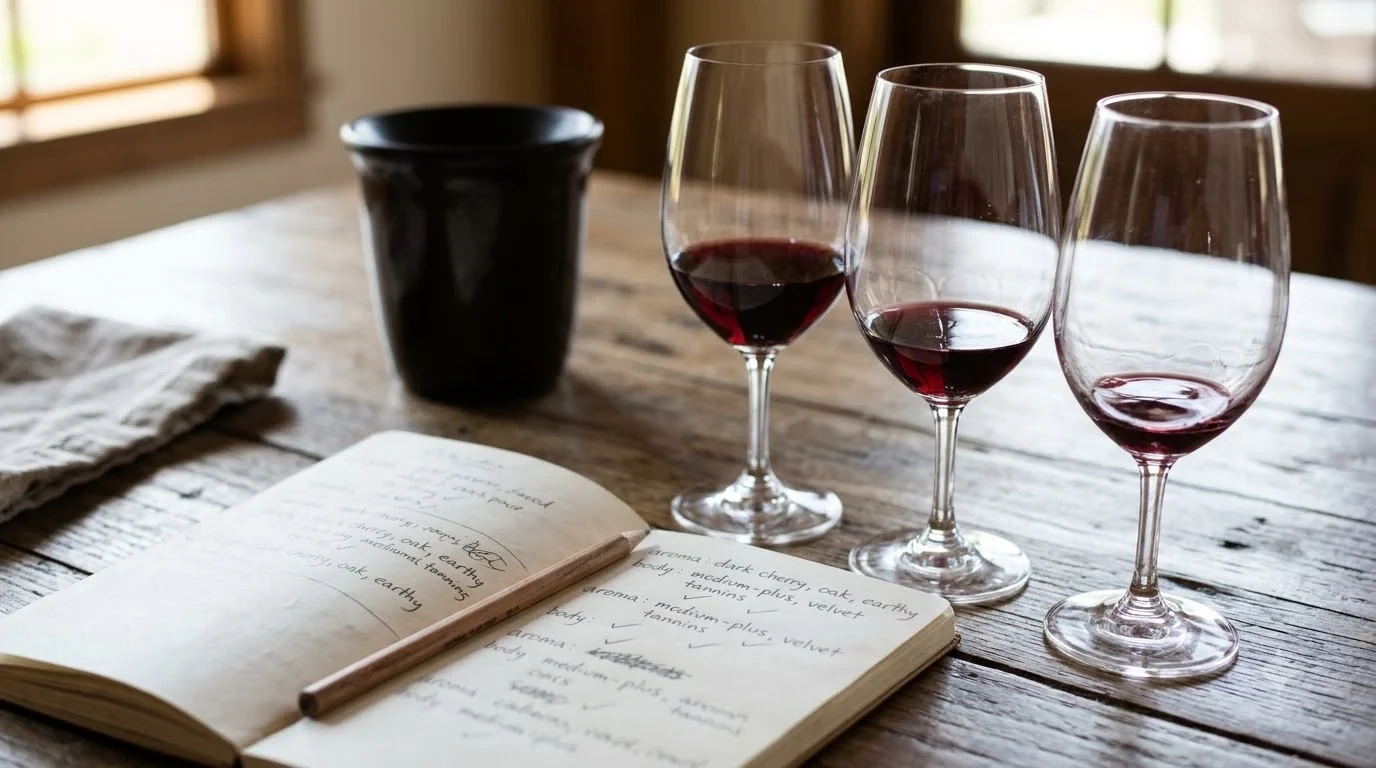
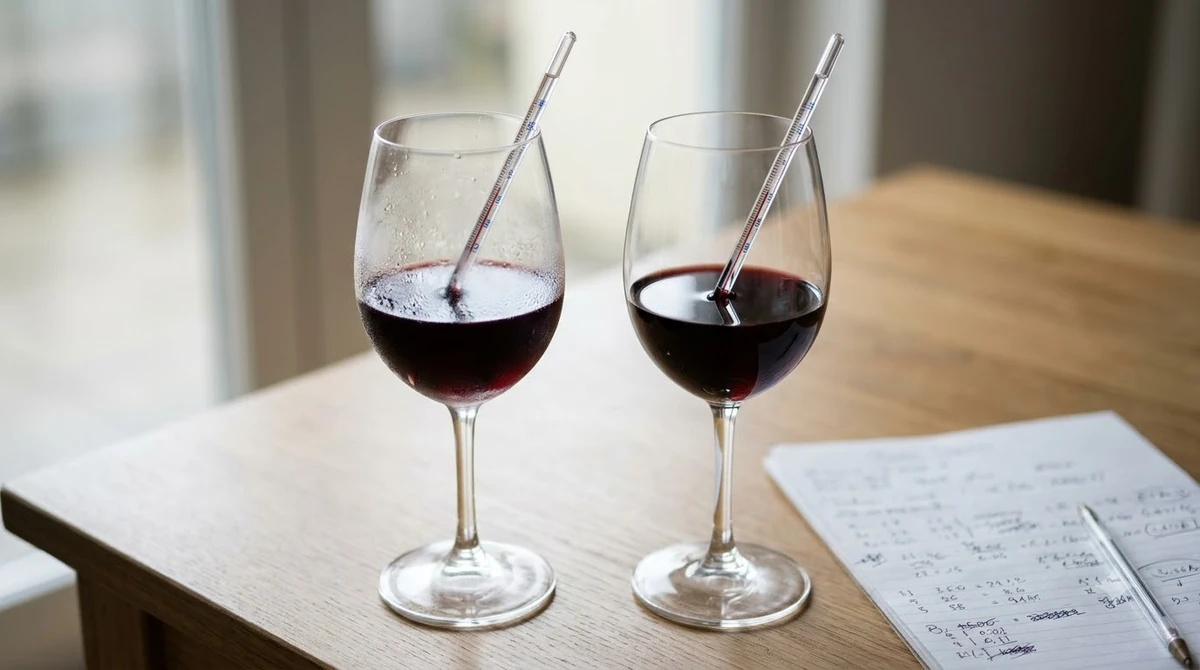
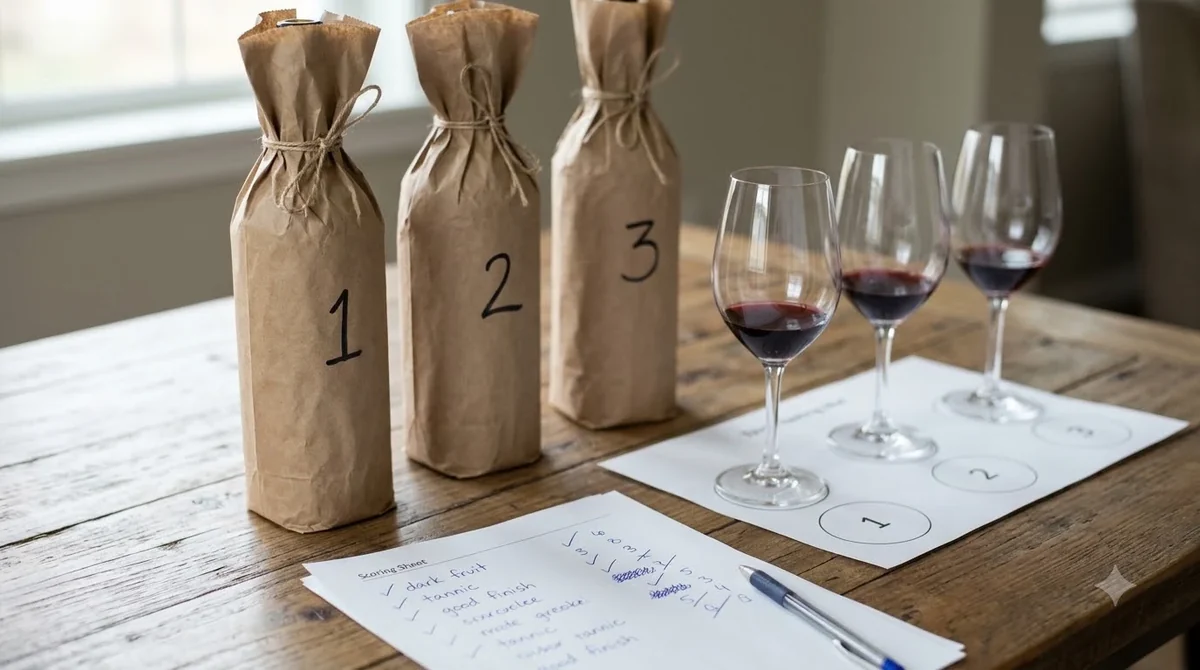
Approach a tasting as a comparison of styles, not a contest to sample the largest number of wines. Start with lighter whites or rosé, move toward fuller whites and reds, and finish with sweet wines if offered. Take notes on grape, acidity, tannin, texture, and finish, and use a food break to reset your palate. Serving temperature matters: light whites and rosé suit roughly 45°F to 50°F, fuller whites 50°F to 55°F, light reds 55°F to 60°F, fuller reds 60°F to 65°F, and sparkling wines 40°F to 50°F.
Pair food with structure. High-acid whites such as Picpoul Blanc or Vermentino work well with citrus, tomatoes, or vinaigrette because the wine’s acidity can meet the food’s acidity. A softer red suits roasted vegetables, poultry, or charcuterie, while a more tannic Cabernet Sauvignon or Tannat benefits from protein and fat. Very spicy dishes can make alcohol and tannin seem more pronounced, and heavily tannic reds are usually a poor match for oily fish. For dessert, choose a wine at least as sweet as the dish.
Tip: If you are buying bottles to take home, keep them out of a hot vehicle and store them in a cool, dark place. A 750 ml bottle yields about five standard 5 oz pours, so one bottle is often enough for a small dinner table to compare alongside a meal.
For the trip home, keep purchases shaded and stable rather than leaving them in a parked car. At home, store cork-finished bottles on their sides in a cool place near 55°F; refrigerate opened still wines and enjoy them within roughly three to five days. A young full-bodied red may benefit from 30 to 60 minutes in a decanter. Ask whether grapes came from one vineyard or several and whether the wine was fermented or aged in stainless steel or oak; those details help explain differences between Malvasia Bianca and Vermentino, or Sangiovese and Syrah.
Frequently Asked Questions
These answers cover appellation labeling, local history, recreation, and land ownership—details that help put the wine trail in context.
How much Arizona-grown fruit is required to use the Verde Valley AVA name?
An Arizona winery may identify Verde Valley as the grape origin on a wine label or in advertising when at least 85% of the grapes were harvested from vineyards inside the AVA. The designation refers to grape origin, not necessarily the location of the winery or tasting room.
Does “estate bottled” mean the wine simply uses grapes from the area?
No. The regional AVA FAQ explains that the estate-bottled standard is stricter: at least 85% of the grapes must come from the winery’s estate, the estate vineyards must be on the winery property, and the wine must be produced and bottled entirely on that property. A wine can therefore be from the Verde Valley AVA without being estate bottled.
Is Jerome significant beyond its wine tasting rooms?
Yes. The entire town of Jerome is recognized as a National Historic Landmark, reflecting its mining-era history and preserved hillside setting. It offers a markedly different atmosphere from the vineyard roads around Page Springs and the flatter downtown streets of Cottonwood.
What can visitors do in the Verde Valley besides visit wineries?
The area supports hiking, fishing, birding, camping, and river rafting, along with visits to museums, national monuments, and state parks. That range makes it possible to pair a wine-focused afternoon with a separate outdoor or history-focused day.
Is all land inside the Verde Valley AVA privately owned?
No. University of Arizona Cooperative Extension reports that about 79 square miles, or 36% of the 219-square-mile AVA, is privately owned. Federal and state entities manage the remainder, so the appellation includes much more than vineyard parcels and winery properties.
Verde Valley wine country rewards visitors who allow time for both the wines and the landscape that shapes them. Choose a focused tasting route, ask producers about grape origin and growing conditions, and leave room for Cottonwood, Jerome, or Sedona beyond the cellar door. The result is a more grounded understanding of Arizona wine and of the communities that support it.
More in Wine Regions
 Willcox Wine Trail: Discover Arizona’s High-Elevation Wine CountryUpdated Nov 20, 2026
 Yakima Valley Wine Region: Find the Best Styles to TryUpdated Nov 20, 2026
 Vosne Romanee Wine Tasting: Identify Aromas and Choose Better PairingsUpdated Nov 20, 2026
 Yakima Valley Wine Festival: Find the Best Seasonal Wine EventsUpdated Nov 20, 2026
 Wales Vineyards: Discover Cool-Climate Wines and Where to VisitUpdated Nov 20, 2026
 Yountville Wine Festival: Discover Napa Wines and Local FoodUpdated Nov 20, 2026