
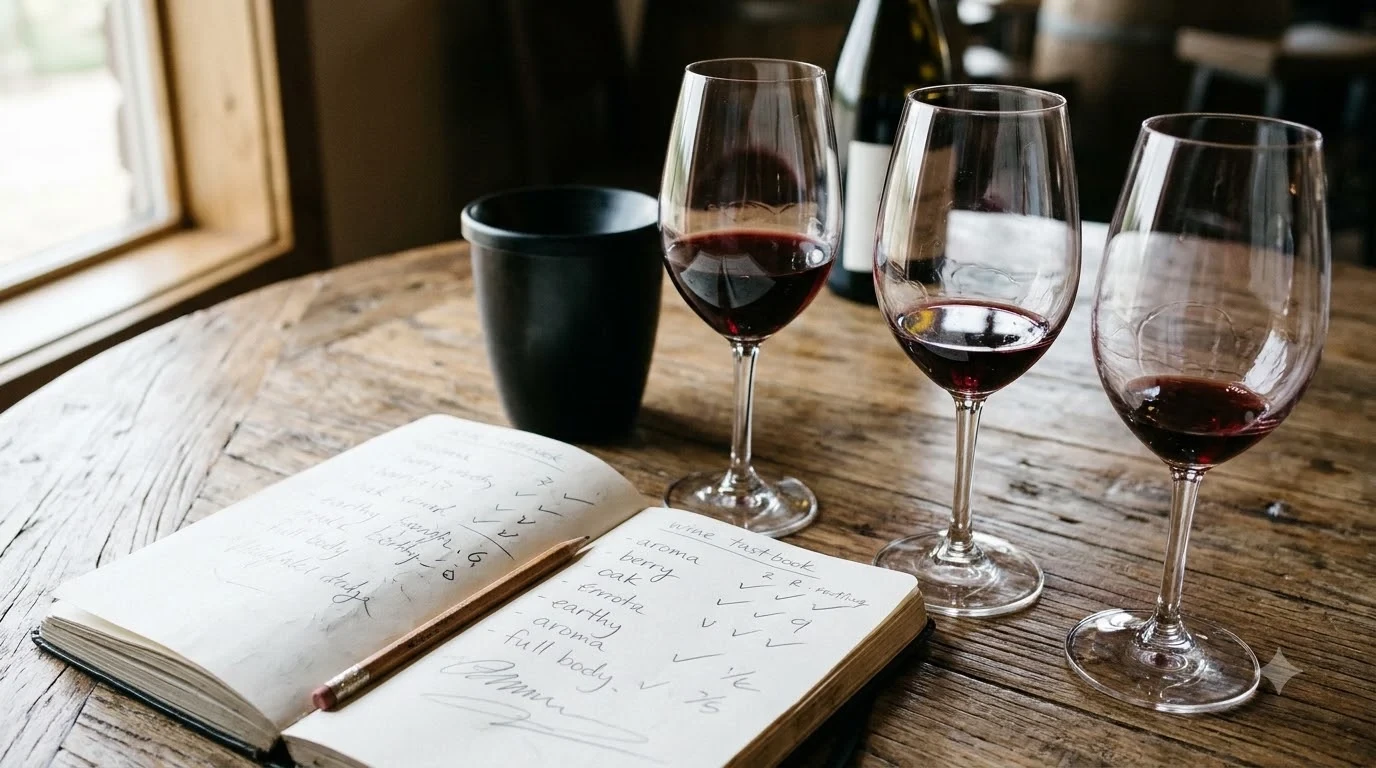

We may earn a commission when you buy through links on this page, at no extra cost to you. Learn more.
Valais wine tasting introduces visitors to Switzerland’s largest wine-producing region, where distinctive Alpine whites, characterful reds and steep Rhône Valley vineyards create an unusually diverse tasting experience. Start with Fendant, Petite Arvine and Heida to understand the region’s white wines, then explore Cornalin, Humagne Rouge and Pinot Noir for its reds. Visits to cellars in Sion, Fully, Sierre and Visperterminen provide opportunities to discover how elevation, sunshine and local grape varieties shape the wines.
Valais occupies a remarkable position in Swiss wine culture. Its vineyards stretch along the upper Rhône Valley, where sunny slopes, dry mountain air and dramatic changes in elevation create favorable conditions for a wide selection of grapes. The region is particularly rewarding for visitors interested in wines that are less familiar outside Switzerland. Rather than concentrating on one famous international variety, a tasting here can move from mineral Fendant to aromatic Petite Arvine, structured Heida and distinctive indigenous reds. Understanding the geography and the grapes before visiting makes it easier to recognize what distinguishes each glass.
Understanding the Valais Wine Region and Its Alpine Terroir
Valais wine tasting begins with the geography of the Rhône Valley, where sunny vineyard slopes and a relatively dry climate support a wide range of grape varieties. Switzerland’s largest wine-producing region combines approximately 4,609 hectares of vineyards with elevations that reach 1,100 meters above sea level.
The vineyards follow the Rhône through the canton of Valais, forming a long corridor of cultivated slopes between mountain communities. The landscape is especially striking around Sion, Sierre, Fully and Visperterminen. Many vineyards occupy terraces cut into steep hillsides, where dry-stone walls help support the cultivated land. These terraces are not simply scenic features. They allow growers to use slopes with favorable sunlight exposure while managing difficult terrain.
Climate is another important part of the regional identity. Swiss Wine Promotion describes Valais as receiving approximately 650 millimeters of annual rainfall and 2,500 hours of sunshine. The warm foehn wind also influences the growing season, helping late-ripening varieties reach maturity. These conditions support grapes that might struggle in cooler or wetter environments.
Elevation introduces further variation. Some vineyards sit along the valley floor, while the vineyards around Visperterminen climb to approximately 1,100 meters. Higher sites can experience different temperature patterns and growing conditions from lower, warmer locations. This creates opportunities to compare wines made from the same grape in different vineyard settings.
The scale of the region also deserves attention. Valais tourism authorities report 55 AOC grape varieties, divided into 31 white and 24 red varieties. The region’s approximately 73,000 vineyard plots demonstrate how fragmented and varied the landscape can be. Instead of expecting one uniform regional style, visitors should approach Valais as a collection of smaller vineyard environments connected by the Rhône.
This diversity is particularly useful during a tasting. A Fendant from one village may emphasize freshness and subtle fruit, while a Petite Arvine from another location can show more pronounced citrus and saline character. Comparing wines by village, elevation and producer can reveal more about Valais than tasting several unrelated bottles without considering their origins.
Fendant, Petite Arvine and Heida: Essential White Wines
The three most useful white wines to explore during a first Valais tasting are Fendant, Petite Arvine and Heida. They provide contrasting expressions of freshness, acidity, aromatic intensity and texture, while introducing grapes closely associated with the region.
Fendant is the local name for Chasselas and is an excellent starting point. It generally offers a restrained aromatic profile rather than the immediately recognizable tropical fruit character found in some international white varieties. Depending on its origin and production style, it may show delicate floral, orchard-fruit or mineral notes. Some examples have a slight natural sparkle. Its relatively understated character makes it especially suitable as an aperitif and alongside local food.
Petite Arvine is a more expressive white wine. It is closely identified with Valais and can combine grapefruit, citrus, floral aromas and a savory, saline finish. The regional tourism authority associates the variety with Valais since 1602. Dry examples often emphasize crispness and lively acidity, although producers can also make softer expressions. During a tasting, pay particular attention to the finish: that slightly salty impression is one of the grape’s recognizable characteristics.
Heida, also known as Païen, is made from Savagnin Blanc. It is particularly associated with the elevated vineyards of Visperterminen, where vines grow at approximately 1,100 meters. Its aromatic profile can include citrus and exotic fruit, while its structure gives it more presence than a straightforward light aperitif wine.
These three wines are useful to taste side by side because their differences are relatively easy to recognize. Fendant tends toward restraint and freshness, Petite Arvine offers a combination of lively acidity and savory character, and Heida can provide greater aromatic intensity and structure.
How to compare the three varieties
Begin with Fendant, move to Petite Arvine and finish with Heida. This progression gives the more expressive and structured wines room to develop without allowing a richer wine to dominate your perception of the lighter examples. Ask the tasting host whether the wines come from different villages or elevations, as this additional information can make the comparison more informative.
Temperature also matters. Serve these light and medium-bodied whites at approximately 45–50 degrees Fahrenheit. Excessive warmth can make alcohol seem more prominent, while very cold temperatures can suppress delicate aromas. A standard 5-ounce pour provides enough wine to evaluate appearance, aroma and texture without overwhelming the palate.
Tip: If you can arrange only one introductory white-wine flight, request Fendant, Petite Arvine and Heida in that order. Ask the producer to explain the vineyard elevation and village for each bottle, rather than focusing only on grape names.
Exploring Cornalin, Humagne Rouge and Valais Red Wines
Valais red wines deserve as much attention as the region’s celebrated whites. Cornalin, Humagne Rouge, Pinot Noir and Syrah provide contrasting combinations of fruit, freshness, tannin and aging potential, making a red-wine flight an essential part of a complete tasting.
Cornalin is one of the most distinctive red varieties associated with Valais. The grape was recorded in the region at the beginning of the 19th century and is known for its dark cherry color, violet highlights and fresh fruit character. Its aromatic profile can include black cherry and clove. Despite its concentrated appearance, Cornalin can retain an energetic, relatively fresh character. It is especially interesting when tasted alongside other regional reds because its fruit expression is so recognizable.
Humagne Rouge offers a different personality. Its aromas can suggest wild berries, woodland, citrus peel and violets. The wine can feel supple at the beginning of the palate before gaining structure toward the finish. The regional tourism authority describes it as suitable for drinking young or after approximately three to five years of storage. A comparison between a younger bottle and a bottle with some age can show how its fruit and savory characteristics develop.
Pinot Noir is the most widely planted grape variety in Valais. It can produce wines with different levels of fruit intensity, body and structure depending on the vineyard and producer. Some versions are relatively light and elegant, while others have greater concentration. Pinot Noir also contributes to Dôle, a traditional regional blend involving Pinot Noir and Gamay.
Syrah adds another dimension. Introduced into Valais in 1926, the variety produces wines with dark color, elegant tannins and notes of black pepper and wild berries. Suitable examples can develop over five to ten years. Its more substantial structure makes it a useful comparison with the fresher, fruit-focused character of Cornalin.
When tasting these reds, pay attention to the relationship between fruit and tannin. Cornalin may emphasize dark cherry and freshness, Humagne Rouge can show wild-fruit and floral complexity, and Syrah typically has more noticeable tannic structure. Pinot Noir provides an opportunity to examine how a familiar international grape expresses itself in an Alpine environment.
Valais Wine Villages and Where to Arrange Tastings
The most productive way to organize Valais wine tasting is to concentrate on a few wine villages rather than trying to cover the entire Rhône Valley in one day. Sion, Fully, Sierre and Visperterminen each offer a different perspective on the region’s wines and vineyard conditions.
Sion is a practical starting point for visitors who want access to wine cellars and a variety of regional producers. The surrounding vineyard landscape includes several important wine-growing communities, and visitors can find established tasting venues such as Maison Gilliard and Cave de l’État du Valais. The town also works well as a base for combining cellar visits with local restaurants and cultural attractions.
Fully is especially relevant to Petite Arvine. The village is closely associated with the grape and provides a useful starting point for understanding how local vineyard conditions influence its expression. Fol’terres is one of the wine tourism destinations featured by Valais tourism authorities. A visit can be combined with a walk through the surrounding vineyards and a meal featuring regional ingredients.
Sierre and nearby Salgesch offer another productive tasting area. Several established wineries operate in this part of the canton, including Domaines Rouvinez and Adrian & Diego Mathier. Visitors interested in comparing several producers can look for tasting appointments that include different grape varieties and winemaking approaches. Sierre is also useful as a base for exploring the surrounding wine communities.
Visperterminen is particularly worthwhile for visitors interested in high-altitude winegrowing. Its association with Heida makes it a natural destination for comparing wines produced in elevated vineyard conditions with those from lower sections of the Rhône Valley. The scenery is also an important part of the experience, although visitors should allow enough time for mountain transport and appointments.
For a wider introduction to Swiss wine destinations, the Wine Regions section provides useful context for comparing Valais with other European and international growing areas.
Choosing wineries for a tasting itinerary
Valais has a substantial number of producers, so advance planning is helpful. Swiss Wine Promotion lists approximately 390 producers in the region, and the official Valais tourism website maintains a searchable selection of tasting venues. This makes it possible to identify wineries by village, grape variety and tasting format.
For a first visit, two winery appointments in one day are usually more manageable than trying to visit four or five. Allow time for travel, vineyard scenery, questions and food. Some cellars offer structured tasting flights, while others organize guided visits that explain the production process. Confirm the appointment arrangements, language availability and transportation before setting out.
Reading Valais Wine Labels and Understanding Regional Styles
Valais wine labels communicate useful information about grape varieties, appellations and geographical origins. Understanding a few common terms helps visitors choose a tasting flight that covers the region rather than repeatedly sampling similar wines.
AOC Valais is the regional controlled-origin designation. Swiss Wine Promotion also identifies ten AOC Grand Cru appellations within the region. These designations provide a geographical framework for understanding the wines, although a Grand Cru designation should not replace consideration of the grape, producer and vintage.
Grape names are particularly important. Fendant identifies Chasselas in Valais, while Heida and Païen refer to Savagnin Blanc. Petite Arvine, Cornalin and Humagne Rouge are especially useful names to recognize because they represent varieties strongly associated with the canton.
Dôle is another important term. It refers to a traditional regional red wine involving Pinot Noir and Gamay. Its proportions and resulting character can vary, so it should not be treated as a single fixed flavor profile. Some bottlings emphasize Pinot Noir’s structure and elegance, while others show more of Gamay’s juicy fruit character.
Other names worth recognizing include Johannisberg, the Valais designation associated with Sylvaner, and Malvoisie, which refers to Pinot Gris in the regional naming tradition. These wines expand the range of styles available beyond the best-known indigenous varieties.
The following figures provide a useful overview of the vineyard distribution published by Swiss Wine Promotion. They illustrate why Pinot Noir, Chasselas and Gamay frequently appear in regional tasting flights.
| Grape variety | Vineyard area | Share of Valais vineyards |
|---|---|---|
| Pinot Noir | 1,275 hectares | 28% |
| Chasselas | 755 hectares | 16% |
| Gamay | 457 hectares | 10% |
| Sylvaner | 317 hectares | 7% |
| Petite Arvine | 259 hectares | 6% |
| Savagnin Blanc | 214 hectares | 5% |
| Syrah | 172 hectares | 4% |
| Cornalin | 163 hectares | 4% |
| Humagne Rouge | 143 hectares | 3% |
| Other varieties | 881 hectares | 19% |
Source: Swiss Wine Promotion’s Valais grape variety distribution. Percentages are rounded.
The figures show that international varieties and traditional Swiss grapes coexist throughout Valais. Pinot Noir dominates the plantings, but smaller varieties such as Cornalin and Petite Arvine can be particularly memorable during a regional tasting. For additional geographical context, the Alsace wine tasting experience offers an interesting comparison with another French-speaking European wine region where grape identity and local geography strongly influence wine styles.
Food Pairings and Serving Temperatures for Valais Wines
Food pairing is an important part of Valais wine tasting because the region’s wines are closely connected to local mountain cuisine. Fendant, Petite Arvine and Heida work particularly well with regional cheeses and freshwater dishes, while Cornalin, Humagne Rouge and Pinot Noir provide options for meat, mushrooms and richer preparations.
Fendant is a natural partner for raclette, one of the best-known foods associated with Valais. The wine’s freshness helps balance the richness of melted cheese, while its restrained aromas do not overpower the food. It also works with cheese platters, savory pastries and lighter starters.
Petite Arvine is particularly useful with seafood, shellfish and dishes that benefit from pronounced acidity. Its citrus character can complement grilled fish, while the saline impression on the finish makes it an interesting partner for oysters and other shellfish. Acidic dishes generally need wines with equal or higher acidity, so Petite Arvine is often a more suitable choice than a softer, lower-acid white.
Heida can accompany richer preparations of fish, poultry and creamy vegetable dishes. Its greater structure and aromatic presence allow it to handle foods with more texture than those suited to a very delicate aperitif wine.
For red wines, Cornalin can accompany roast poultry, grilled meats and dishes featuring mushrooms or herbs. Humagne Rouge is a useful match for lamb, game and regional meat preparations. Pinot Noir works well with roasted chicken, duck and mushroom dishes, while Syrah can handle more substantial grilled meats and pepper-seasoned preparations.
Serving temperature makes a noticeable difference. The following ranges are useful starting points for a tasting flight:
| Wine style | Serving temperature | Suitable Valais examples |
|---|---|---|
| Light whites | 45–50°F | Fendant |
| Fuller whites | 50–55°F | Structured Heida |
| Light reds | 55–60°F | Some Pinot Noir and Gamay |
| Full-bodied reds | 60–65°F | Structured Syrah and Cornalin |
For a traditional meal, start with Fendant and raclette, then move to Petite Arvine with fish or seafood. Serve Cornalin or Humagne Rouge with the main meat course. This sequence moves from lighter wines toward more substantial styles and makes it easier to appreciate the differences between the grapes.
When comparing wines at a cellar, use the same glass shape and similar serving temperatures whenever possible. A standard 5-ounce pour is sufficient for evaluating each sample. A 750-milliliter bottle contains approximately five such servings, making it easy to plan a tasting for a small group.
Planning a Valais Wine Tasting Trip
A successful Valais wine trip combines a manageable number of cellar appointments with time for vineyard walks, local meals and travel between communities. Spring through autumn can be particularly rewarding for visitors interested in seeing the vineyard landscape, while harvest season offers a closer look at the work involved in producing regional wines.
Start by choosing a geographical focus. Visitors staying in Sion can explore nearby cellars and arrange a day trip toward Fully or Sierre. Those more interested in high-altitude wines can plan around Visperterminen and include a Heida-focused tasting. Trying to combine every destination in one day is unnecessary, especially because mountain roads and vineyard access can take longer than expected.
The Chemin du Vignoble is another option for visitors who prefer to combine walking and wine discovery. This vineyard route links Martigny with Loèche and passes through important wine-growing landscapes. It offers an opportunity to observe the terraces, dry-stone walls and differences in vineyard elevation that are difficult to appreciate from a tasting room alone.
Before traveling, identify two or three grape varieties you particularly want to explore. A visitor interested in white wines could arrange a Fendant and Petite Arvine comparison in the central Rhône Valley before visiting Visperterminen for Heida. Someone interested in reds could prioritize Cornalin, Humagne Rouge and Pinot Noir in Sierre or Salgesch.
Use the official Valais wine experiences directory to identify cellar visits and tasting opportunities. The selection includes venues in Fully, Sion, Sierre, Chamoson, Salgesch and other communities. Booking arrangements vary by producer, so it is sensible to contact individual cellars before arrival rather than assuming that every tasting room accepts walk-in visitors.
Transportation deserves attention. If your itinerary includes several wineries, arrange a designated driver, use public transportation where practical or book an organized wine tour. This is especially important when visiting elevated vineyards or combining appointments in different villages. A relaxed schedule makes it easier to appreciate the wines without rushing through each stop.
For visitors comparing regional wine experiences, Willcox wine tasting offers a contrasting perspective on an American growing region, while Bolgheri wine tasting provides another useful comparison with Italy’s Tuscan coastal vineyards. These regions have different grape traditions and climates, but all demonstrate how local conditions influence the character of a wine.
A practical itinerary might include a morning cellar appointment in Sion, lunch featuring local cheese and regional specialties, and an afternoon visit to a producer in Fully or Sierre. A separate day can be reserved for Visperterminen. This approach provides enough time to compare producers, understand local geography and enjoy the mountain scenery without making the trip feel like a checklist.
Frequently Asked Questions
Can visitors buy Valais wines directly from the wineries?
Many Valais producers offer direct sales through their cellars, although availability and shipping arrangements differ. Some wineries can arrange purchases after a guided tasting, and selected producers offer online ordering. International visitors should ask about export shipping, customs requirements and packaging before purchasing bottles for delivery abroad.
What is the difference between Païen and Heida?
They are regional names for wine made from the same grape, Savagnin Blanc. Heida is the name commonly used in Upper Valais, while Païen is used elsewhere in the canton. The naming difference reflects regional language traditions rather than two separate grape varieties.
Does Valais produce sparkling wine?
Yes. Sparkling wines are available from producers in Valais, although the region is more widely recognized for its still wines. Fendant itself can sometimes have a slight natural sparkle. Visitors interested in traditional-method sparkling wines should ask individual producers about their fermentation and aging methods.
How many wineries are represented in the Valais wine tourism directory?
Swiss Wine Valais lists 343 wine cellars in its winery directory. This is a useful indication of the region’s extensive producer network, although listings and individual tasting availability can change. The directory includes producers from communities such as Fully, Salgesch, Sierre and Chamoson.
What is the Chemin du Vignoble and how long is its route?
The Chemin du Vignoble is a vineyard walking route that connects Martigny and Loèche through the Valais wine landscape. It follows a route through vineyard communities and offers views of the Rhône Valley, historic terraces and dry-stone walls. Visitors can use sections of the route rather than completing the entire journey in one outing.
Valais wine tasting offers an opportunity to discover an Alpine wine region whose identity is shaped by elevation, sunshine, distinctive grape varieties and centuries of vineyard cultivation. Begin with Fendant, Petite Arvine and Heida, then explore Cornalin and Humagne Rouge to appreciate the region’s broader range of styles. With a few well-planned winery visits and time to enjoy the Rhône Valley landscape, Valais provides a memorable introduction to one of Switzerland’s most distinctive wine-producing areas.
More in Wine Regions
 Willcox Wine Trail: Discover Arizona’s High-Elevation Wine CountryUpdated Nov 20, 2026
 Yakima Valley Wine Region: Find the Best Styles to TryUpdated Nov 20, 2026
 Vosne Romanee Wine Tasting: Identify Aromas and Choose Better PairingsUpdated Nov 20, 2026
 Yakima Valley Wine Festival: Find the Best Seasonal Wine EventsUpdated Nov 20, 2026
 Wales Vineyards: Discover Cool-Climate Wines and Where to VisitUpdated Nov 20, 2026
 Yountville Wine Festival: Discover Napa Wines and Local FoodUpdated Nov 20, 2026