

We may earn a commission when you buy through links on this page, at no extra cost to you. Learn more.
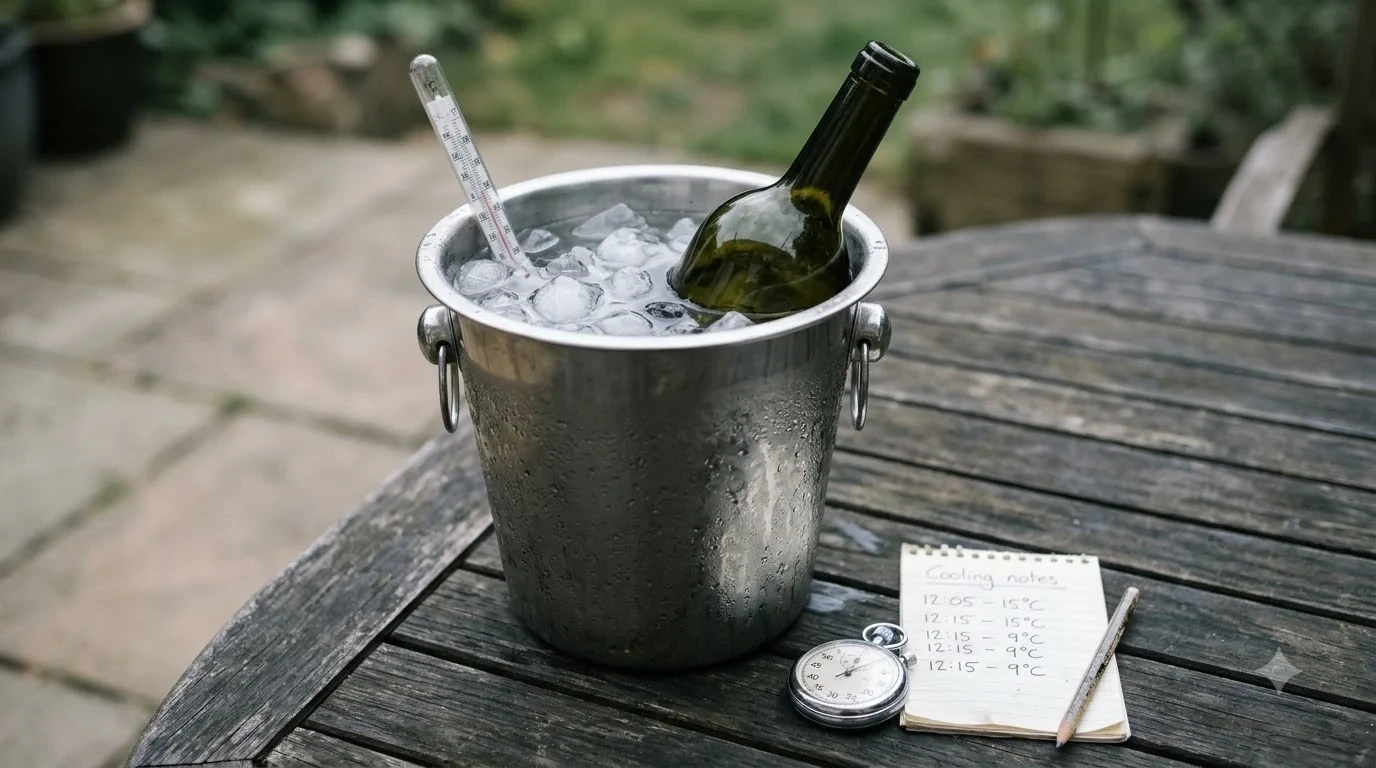
The vacu vin wine chiller is a reusable, freezer-powered bottle cooler that actively cools wine and helps maintain its serving temperature without an ice bucket. Its cooling-gel sleeve is designed to chill a bottle in approximately 15 minutes after the sleeve has spent 6 hours in the freezer. It is particularly useful for serving chilled white wine, rosé, and sparkling wine at dinner, on a patio, or during a picnic, although bottle compatibility and freezer preparation are important considerations.
A wine chiller can make the difference between enjoying a properly chilled Sauvignon Blanc and watching it gradually warm on the dinner table. Vacu Vin approaches this problem with reusable cooling sleeves rather than electricity, ice, or a dedicated wine refrigerator. Its range includes flexible sleeves and more substantial tabletop designs, giving buyers several ways to keep bottles cool. This review examines how the cooling system works, what owners appreciate, where its limitations appear, and which version makes the most sense for different wine-serving situations.
Specs and Key Features
The Vacu Vin Active Cooler system combines a reusable cooling-gel element with an insulating exterior to cool bottles and maintain their temperature during service. The Elegant Stainless Steel version adds a tabletop case, while the simpler sleeve designs prioritize portability and freezer storage.

The Elegant Stainless Steel model is a useful reference point because Vacu Vin publishes specific dimensions, weight, preparation instructions, and bottle-capacity information for it. According to the manufacturer, the cooling element should remain in the freezer for 6 hours before use. After inserting a compatible bottle, the manufacturer describes approximately 15 minutes as the expected cooling period. These figures provide a practical starting point, although the actual cooling result depends on the bottle’s starting temperature, ambient conditions, and how often the bottle is removed from the cooler.
| Specification | Vacu Vin Elegant Stainless Steel |
|---|---|
| Cooling technology | Reusable active cooling-gel sleeve |
| Freezer preparation | 6 hours |
| Manufacturer’s cooling estimate | Approximately 15 minutes |
| Compatible bottle capacity | 0.7–1 liter |
| Product dimensions | 153 x 210 x 153 mm |
| Listed product weight | 0.83 kg |
| Outer construction | Stainless steel case |
| Cooling element | Removable, reusable sleeve |
| Electricity required | No |
| Ice required | No |
One of the more practical features is the removable sleeve. The cooling element can be used independently rather than remaining permanently attached to the tabletop case. That gives the product two possible configurations: a more presentable bottle holder for a dining table and a flexible cooling sleeve for situations where portability matters more than appearance. It also means buyers do not necessarily have to transport the complete tabletop unit every time they want to chill a bottle.
The cooling system is different from a conventional insulated wine bucket. A traditional double-wall container primarily slows heat transfer and helps preserve the temperature of an already-chilled bottle. Vacu Vin’s frozen gel element also absorbs heat from the bottle. Its insulating properties then help slow subsequent warming. This distinction is important because the product is intended to perform an active cooling function rather than simply provide a decorative holder.
The stainless steel Elegant model is not the only option in the range. Vacu Vin also offers simpler wine sleeves, Champagne-specific coolers, a Mini version, and the Flexible Wine Cooler Artico. The exact construction and intended bottle sizes vary between these categories, so the specifications of one version should not automatically be applied to another.
For additional details about the manufacturer’s cooling process and preparation instructions, consult the Vacu Vin Elegant Stainless Steel product specifications. The central advantage is straightforward: a reusable frozen element can accompany a bottle from the kitchen to the dining table without requiring a bucket of melting ice.
What Owners Like
The main appeal of the Vacu Vin wine chiller is its ability to combine active cooling with convenient tabletop use. Buyers particularly appreciate not having to refill an ice bucket, deal with water around the bottle, or repeatedly return to the refrigerator during a meal.
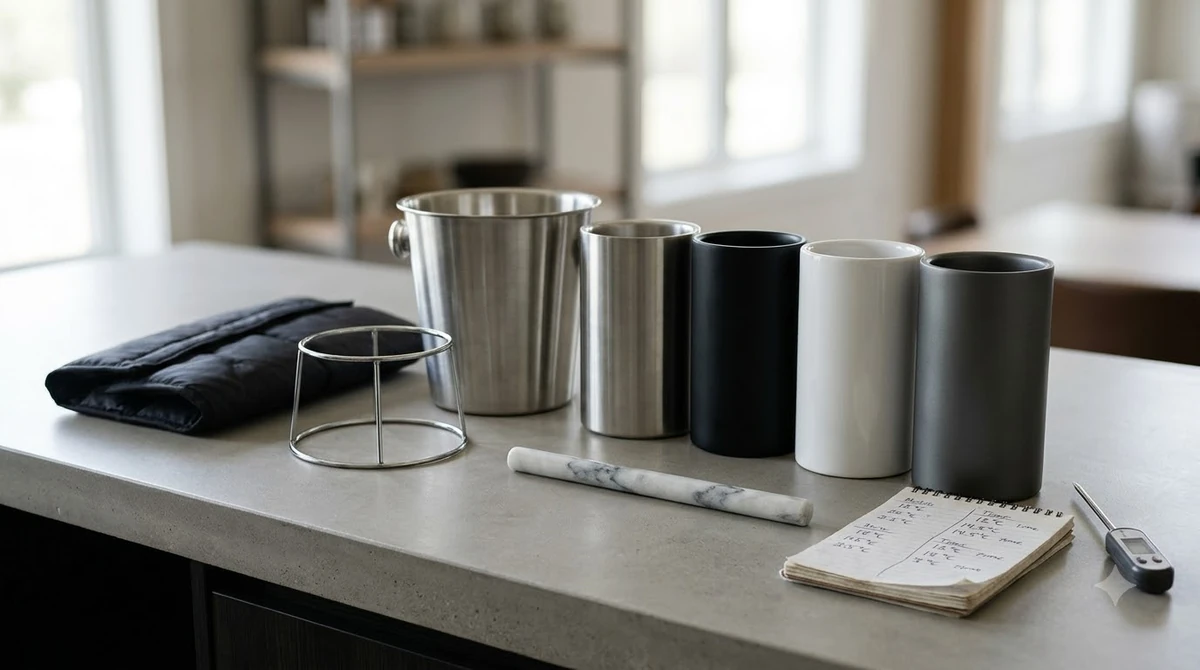
Temperature maintenance is especially useful for white wines and rosé. A Sauvignon Blanc generally benefits from serving around 45–50°F, while a fuller-bodied Chardonnay is usually more enjoyable around 50–55°F. Sparkling wine is commonly served around 40–50°F. Once a bottle reaches its preferred temperature, the Vacu Vin cooler can help maintain those conditions while guests pour several glasses over the course of dinner.
Customer comments published on Vacu Vin’s product page include favorable observations about the cooler’s appearance, ease of assembly, and ability to keep wine cold throughout a meal. One customer specifically mentions using it for rosé and appreciating how quickly the bottle cooled. Another describes the product as effective in warm outdoor conditions. These comments are useful indications of the situations in which owners find the design convenient, although individual experiences are not a guarantee of identical performance in every environment.
Convenience without an ice bucket
A conventional ice bucket needs ice, water, and a suitable place on the table. It can also leave condensation and water around the bottle when guests lift it to pour. The Vacu Vin design avoids those requirements because its cooling element is stored in the freezer before use. There is no need to fill a container with ice immediately before dinner or dispose of melted water afterward.
This is particularly helpful for smaller dining tables. A full-size ice bucket can occupy considerable space alongside plates, glasses, serving dishes, and food. A compact cooling sleeve or the Elegant tabletop case provides another way to keep a bottle cool without managing a separate bucket.
Useful for outdoor entertaining
Outdoor dining is another natural application. A chilled bottle can warm surprisingly quickly when placed in direct sunlight, particularly during a summer gathering. The Vacu Vin system provides a portable cooling solution that does not depend on a nearby electrical outlet.
The Kitchn’s published review by Dana McMahan describes encountering an Active Wine Cooler during a visit to a winery near San Sebastian, Spain. The reviewer noticed that a bottle of white wine remained pleasantly cool during an outdoor meal. Her account highlights a particularly relevant use: bringing chilled wine to a picnic or patio table without carrying an entire cooler. The review also describes the convenience of keeping the sleeve in a freezer between uses.
Reusable rather than disposable
The cooling sleeve is intended for repeated use. After serving, it can be returned to the freezer so it is ready for another bottle. This makes it a practical accessory for households that regularly serve chilled wines rather than a single-purpose item for one special occasion.
It also works well alongside other wine accessories. A bottle stopper can help preserve unfinished wine, while a foil cutter and suitable opener simplify preparation. Readers assembling a more complete home wine setup can explore the Accessory Brands category for additional equipment.
Another advantage is that the product does not require a complicated setup. There are no electrical connections, temperature controls, compressors, or complicated operating instructions. The preparation requirement is mainly remembering to return the cooling element to the freezer after use.
Common Complaints and Limitations
The biggest limitation of the Vacu Vin wine chiller is that it depends on advance freezer preparation and suitable bottle dimensions. Its cooling performance also has practical limits, especially when starting with warm wine, serving outdoors in hot weather, or using unusually shaped bottles.
The 6-hour freezer preparation period is an important consideration. Someone who decides to serve a bottle of chilled wine immediately cannot assume that a room-temperature bottle will reach its preferred serving temperature simply by putting it into a sleeve. The manufacturer’s approximately 15-minute cooling estimate assumes that the cooling element has been properly prepared. It should not be interpreted as a universal guarantee that any warm bottle will reach a specific temperature in that time.
Pre-chilling is therefore a sensible approach. Put the wine in the refrigerator before dinner, then transfer it into the Vacu Vin cooler when it is ready to serve. This reduces the amount of heat the frozen element needs to absorb and allows the sleeve to concentrate on maintaining the temperature during the meal.
Bottle fit is not universal
Another recurring limitation is bottle compatibility. The Elegant Stainless Steel model is specified for bottles between 0.7 and 1 liter, but that capacity range does not mean every bottle with an appropriate volume will have identical dimensions. Wine bottles vary in diameter, shoulder shape, base width, and overall profile.
Vacu Vin customer feedback includes a report that the Elegant cooler did not accommodate an oversized Ruinart bottle. This illustrates why buyers should consider bottle shape rather than relying exclusively on nominal volume. A large Champagne bottle or a particularly wide sparkling-wine bottle may not fit comfortably in a cooler designed around more conventional wine-bottle dimensions.
Even among standard wine bottles, some designs have broader shoulders or heavier bases than others. If the bottle must be forced into the sleeve or tabletop case, the model is probably unsuitable for that bottle. A flexible sleeve may offer more adaptability than a rigid outer case, but the manufacturer’s intended bottle category still matters.
Freezer space and preparation
The cooling element also needs dedicated freezer space. Although the flexible sleeve can be folded flat according to the manufacturer’s instructions, it still occupies room in a freezer drawer. Households with limited freezer capacity may find it less convenient to keep the cooler permanently prepared.
There is also a scheduling consideration. If several bottles are needed for a dinner party, one cooler may not be sufficient for continuous service. A single cooling element can only actively surround one bottle at a time. Switching bottles during a gathering means managing which bottle is being served and which one needs additional chilling.
Hot weather reduces convenience
Outdoor conditions matter as well. A frozen cooling element absorbs heat, but it cannot prevent all warming indefinitely. Direct sunlight, high air temperatures, frequent bottle handling, and a warm starting temperature can reduce the time a bottle remains at its preferred serving temperature.
Vacu Vin specifically recommends placing the cooler in the shade and pre-chilling the wine before bringing it outdoors. These are useful precautions, but they do not turn the product into a substitute for a refrigerator in prolonged extreme heat.
Tip: Refrigerate a bottle of Sauvignon Blanc or rosé before serving, freeze the Vacu Vin cooling element for at least 6 hours, and keep the assembled cooler out of direct sunlight. The combination is more dependable than expecting a frozen sleeve to chill a completely warm bottle during a short dinner service.
Who Should Buy and Who Should Skip
The Vacu Vin wine chiller is a sensible purchase for people who regularly serve chilled wine at the table and want a reusable alternative to an ice bucket. Its greatest strengths are portability, simple operation, and the combination of cooling gel with insulation.
White-wine drinkers are among the clearest potential buyers. Sauvignon Blanc, Pinot Grigio, Albariño, and dry Riesling are generally served chilled, and their freshness can become less pronounced as the bottle warms. A cooling sleeve helps maintain the serving conditions while guests enjoy several pours.
Rosé drinkers have a similar reason to consider the product. A dry Provence-style rosé is commonly served around 45–50°F, making temperature maintenance important during a long lunch or outdoor gathering. The cooler can remain beside the bottle rather than requiring a bucket of ice on the table.
Sparkling-wine drinkers may also benefit, particularly when serving standard-sized bottles. Champagne, Cava, and Prosecco are usually enjoyed cold, and a cooling sleeve can help preserve that temperature after the bottle leaves the refrigerator. Buyers who regularly serve unusually large sparkling bottles should pay particular attention to the Champagne-specific versions and their compatibility.
Buy it if you want simple tabletop cooling
The Elegant Stainless Steel model is particularly appropriate for people who prefer a more finished presentation. Its outer case gives the bottle a dedicated place on the table, while its removable cooling sleeve offers some flexibility between serving situations. It is a better match for a regular dining-room setup than a basic sleeve if appearance is an important consideration.
It also makes sense for households that entertain regularly but do not want another powered appliance. There is no need to find an outlet or reserve counter space for a wine refrigerator. The cooler can be stored between uses and brought out when a bottle needs to remain chilled.
Choose another solution if you need long-term refrigeration
Buyers who need dependable temperature control over many hours should consider a different type of equipment. A Vacu Vin cooler is designed for bottle cooling and serving, not long-term wine storage. It cannot replace a dedicated wine refrigerator for maintaining a collection at a stable temperature.
Likewise, anyone who frequently serves multiple bottles at once may prefer a larger cooling arrangement. A traditional ice bucket can accommodate more than one bottle in some configurations, while a wine refrigerator can keep several bottles ready before guests arrive.
People who rarely drink chilled wine may not get enough use from a dedicated cooling accessory to justify keeping it in the freezer. A conventional insulated bottle holder may be sufficient if the only requirement is slowing the warming of a bottle that is already cold.
For a more decorative, passive alternative, a marble wine chiller offers a different approach to tabletop presentation. Buyers who want active refrigeration without freezer preparation can also compare the features of an electric wine chiller.
How It Compares to Alternatives
Vacu Vin occupies a useful middle ground between a simple insulated bottle holder and an electric wine-cooling appliance. Its frozen gel sleeve provides active cooling without electricity, while the Elegant tabletop model adds a more substantial presentation for home entertaining.
Understanding the differences between cooling accessories helps determine whether the Vacu Vin design is appropriate for a particular household. The important factors are cooling method, preparation time, portability, bottle compatibility, and the amount of space available for storage.
Vacu Vin versus a conventional insulated wine holder
A conventional insulated wine holder primarily slows the transfer of heat between the bottle and the surrounding air. It is most useful when a bottle has already reached its intended serving temperature. It does not necessarily have a frozen cooling component capable of actively absorbing heat from a warmer bottle.
Vacu Vin’s cooling gel changes that equation. Once frozen, the element absorbs heat from the bottle while the surrounding sleeve provides insulation. This makes the product more useful when a bottle needs some additional cooling after leaving the refrigerator.
The trade-off is preparation. An ordinary insulated holder may be ready whenever needed, whereas the Vacu Vin sleeve needs to spend approximately 6 hours in the freezer for the manufacturer’s recommended preparation. Buyers should decide whether that extra step is worthwhile for their normal serving habits.
Vacu Vin versus a marble wine chiller
A marble wine chiller is generally valued for its weight, appearance, and ability to help maintain the temperature of an already-chilled bottle. Marble can provide some passive thermal buffering, but it does not provide the same active cooling mechanism as a frozen gel sleeve.
Vacu Vin is therefore more practical for people who want a bottle to cool further after leaving the refrigerator. Marble may appeal more to buyers who prioritize natural materials and a decorative tabletop accessory.
The two approaches also differ in storage. A marble cooler is a substantial object that needs cupboard or counter space. A flexible Vacu Vin sleeve can be folded flat for freezer storage, although the Elegant tabletop model requires room for its outer case.
Vacu Vin versus an electric wine chiller
An electric wine chiller is designed for people who prefer powered temperature management. Depending on the product, it may offer a more controlled cooling arrangement or a dedicated place for a bottle. This can be appealing to households that regularly serve wine and have room for another appliance.
Vacu Vin offers a simpler alternative. It has no power cord, compressor, or electrical controls, making it easier to take outside or use at a location without an outlet. Its cooling capacity depends on the frozen element rather than a continuous electrical cooling system.
The choice is largely about convenience and usage patterns. A Vacu Vin sleeve makes sense for occasional entertaining, outdoor meals, and keeping one bottle cool. An electric appliance may be more suitable when powered operation and regular temperature management are priorities.
Vacu Vin versus an ice bucket
An ice bucket is a familiar option for Champagne and white wine. It can provide substantial cooling when filled correctly with ice and water, but it needs preparation and can become messy as the ice melts.
Vacu Vin avoids the need for ice and water. It is particularly convenient when serving one bottle at a small dining table or taking wine to a picnic. However, a sufficiently large ice bucket may be more useful for parties involving several bottles or bottles that need substantial cooling.
These alternatives serve different purposes rather than representing universally interchangeable products. The Vacu Vin design is most appealing when portability, reusable cooling, and freedom from ice are more important than continuous refrigeration or multi-bottle capacity.
Frequently Asked Questions
Does the Vacu Vin wine chiller work with beer bottles?
Vacu Vin makes a separate Mini Active Cooler intended for 375 ml wine bottles and 33 cl beer bottles. This is a different product category from the standard wine cooler. Buyers who want to chill smaller beverages should choose the Mini version rather than assuming that a full-size wine sleeve will fit every bottle.
Can the Vacu Vin wine chiller be customized?
Vacu Vin describes customization options for its Active Cooler range, including printed or engraved company logos. This makes certain models suitable as corporate gifts or promotional items. Customization availability and minimum order requirements should be confirmed directly with the manufacturer.
Is the Vacu Vin Elegant model covered by a warranty?
The manufacturer’s European product listing advertises a minimum 5-year warranty for the Elegant Stainless Steel model. Warranty coverage, registration requirements, and applicable terms can differ by market and seller. US buyers should confirm the warranty provided with their particular purchase rather than assuming that European terms automatically apply.
Where are Vacu Vin Active Coolers manufactured?
Vacu Vin describes its Active Cooler products as designed and made in Europe. The company’s product information also identifies the Netherlands in its description of its social production facility. Manufacturing details can differ across individual products, so buyers seeking a particular country of origin should verify the specific model.
Does Vacu Vin make a cooler specifically for Champagne?
Yes. Vacu Vin identifies a separate Active Cooler Champagne category for sparkling-wine bottles. It also offers the Flexible Wine Cooler Artico, which the manufacturer describes as suitable for both wine and Champagne. These dedicated options are useful for shoppers who regularly serve sparkling wine and want an alternative to a standard wine sleeve.
The Vacu Vin wine chiller is a practical accessory for keeping a bottle cool without an ice bucket or electrical appliance. Its reusable cooling-gel sleeve, straightforward preparation, and portable design make it particularly appealing for white wine, rosé, and sparkling wine served over dinner or outdoors. The main considerations are freezer preparation and bottle compatibility, especially for unusually wide bottles. For buyers who regularly serve one chilled bottle at a time, the Vacu Vin system offers a convenient and attractive solution.
More in Wine Accessories
 Vinglace Wine Tumbler Review: A Glass-Lined Choice for Better SippingUpdated Nov 20, 2026
 ZWILLING Electric Wine Opener Review: Features and DrawbacksUpdated Nov 20, 2026
 Vinturi Electric Wine Opener Review for Easy UncorkingUpdated Nov 20, 2026
 Vinabon Wine Aerator Review for Easier, Cleaner Wine ServingUpdated Nov 20, 2026
 Vacu Vin Electric Wine Opener Review: Easy Cork Removal for Home Wine LoversUpdated Nov 20, 2026
 Rabbit Wine Accessories for Easier Home Wine ServiceUpdated Nov 20, 2026