

We may earn a commission when you buy through links on this page, at no extra cost to you. Learn more.
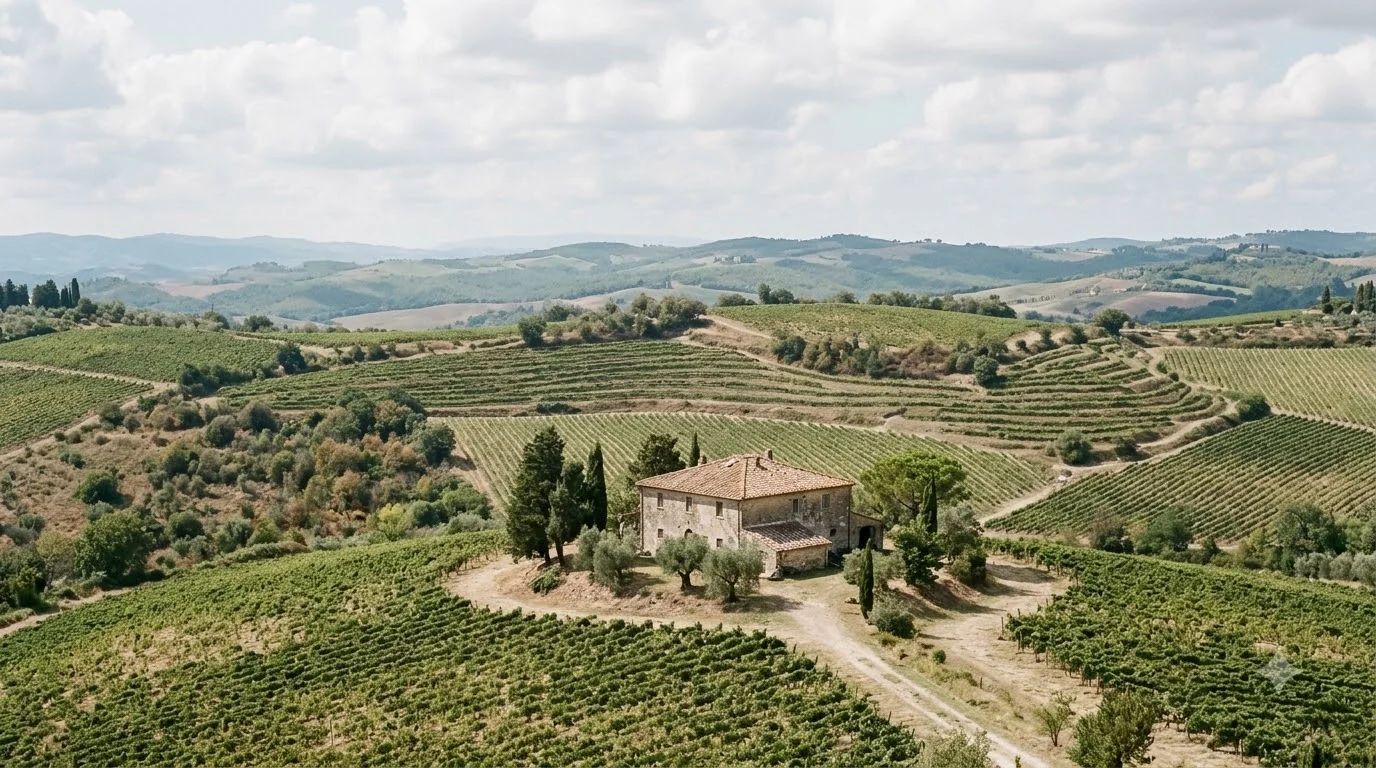
Uruguay wine tasting introduces visitors to distinctive South American wines, especially structured Tannat reds, refreshing Albariño whites, and coastal wines shaped by Atlantic breezes. The country’s main wine-growing areas include Canelones near Montevideo, Maldonado along the Atlantic coast, and Colonia in the west. A tasting can combine family-run wineries, vineyard lunches, regional cheeses, and traditional grilled beef. Understanding the differences between these regions makes it easier to choose wineries and appreciate what each glass reveals about Uruguay.
Uruguay occupies a relatively small stretch of South America’s Atlantic coastline, between Argentina and Brazil, but its wine culture offers considerable variety. Its vineyards reflect European immigration, local food traditions, maritime weather, and a growing interest in expressing individual vineyard sites. Tannat remains the country’s defining grape, yet visitors who explore its whites, lighter reds, and regional blends often discover an unexpectedly broad wine selection. Whether planning a dedicated vineyard holiday or adding a winery visit to a Montevideo itinerary, knowing the country’s geography and wine styles makes the experience more rewarding.
Understanding Uruguay’s Wine Culture and Signature Grapes
Uruguay is best known for Tannat, a dark, structured red grape that has become central to its national wine identity. However, a good tasting should also include Albariño, Sauvignon Blanc, Chardonnay, and lighter red varieties to reveal the country’s range.

Uruguayan winemaking developed through waves of European immigration beginning in the 18th century. Spanish and Italian settlers brought their food and agricultural traditions, while Basque immigrant Pascal Harriague introduced Tannat during the late 19th century. The variety originated in southwestern France, particularly the Pyrenean wine-growing areas, but found a lasting home in Uruguay.
Tannat eventually became the country’s signature red grape. Its naturally substantial tannins, deep color, and dark-fruit character suit the local preference for substantial red wines served alongside grilled beef. Vineyard improvements and replanting during the 1970s, 1980s, and 1990s helped producers refine the grape’s expression. Modern examples can retain considerable structure while showing more balanced fruit, freshness, and texture.
Other varieties are increasingly important to the tasting experience. Albariño, originally associated with Galicia in northwestern Spain, has adapted particularly well to Uruguay’s Atlantic-influenced vineyards. It typically produces fresh wines with citrus, orchard-fruit, and sometimes stone-fruit aromas. Sauvignon Blanc offers another refreshing option, while Chardonnay ranges from crisp, restrained styles to fuller wines with more texture.
Red and white varieties to recognize
Knowing the principal grapes helps visitors understand tasting flights and compare producers more effectively.
| Grape | Wine style | Typical tasting characteristics |
|---|---|---|
| Tannat | Full-bodied red | Dark berries, firm tannins, spice |
| Merlot | Medium-bodied red | Plum, softer tannins, rounded texture |
| Pinot Noir | Light to medium red | Red cherry, freshness, delicate structure |
| Marselan | Medium to full red | Dark fruit, color, aromatic intensity |
| Albariño | Dry white | Citrus, peach, lively acidity |
| Sauvignon Blanc | Dry white | Citrus, herbal notes, high acidity |
| Chardonnay | Dry white | Apple, pear, citrus, medium acidity |
| Viognier | Aromatic white | Peach, floral aromas, generous texture |
When comparing wines, pay attention to acidity, tannin, body, and finish rather than focusing exclusively on grape names. Two Tannats can taste quite different because of vineyard conditions, harvest decisions, fermentation, and maturation. An unoaked example may emphasize fresh fruit and direct structure, while a barrel-aged version can show additional spice, toast, and a broader texture.
For an informative first flight, taste an Albariño, a Sauvignon Blanc, a younger Tannat, and a more mature or barrel-aged Tannat. This sequence demonstrates the contrast between Uruguay’s refreshing coastal whites and its more powerful red wines. If a producer offers a blend containing Merlot or Cabernet Franc, include it to see how blending changes the character of Tannat.
Canelones and Montevideo: The Best Starting Point for Winery Visits
Canelones and Montevideo form the heart of Uruguay’s historic wine industry, making them the most convenient starting point for visitors staying in the capital. Canelones is especially important for Tannat, while its established wineries also produce Sauvignon Blanc, Chardonnay, Albariño, and red blends.
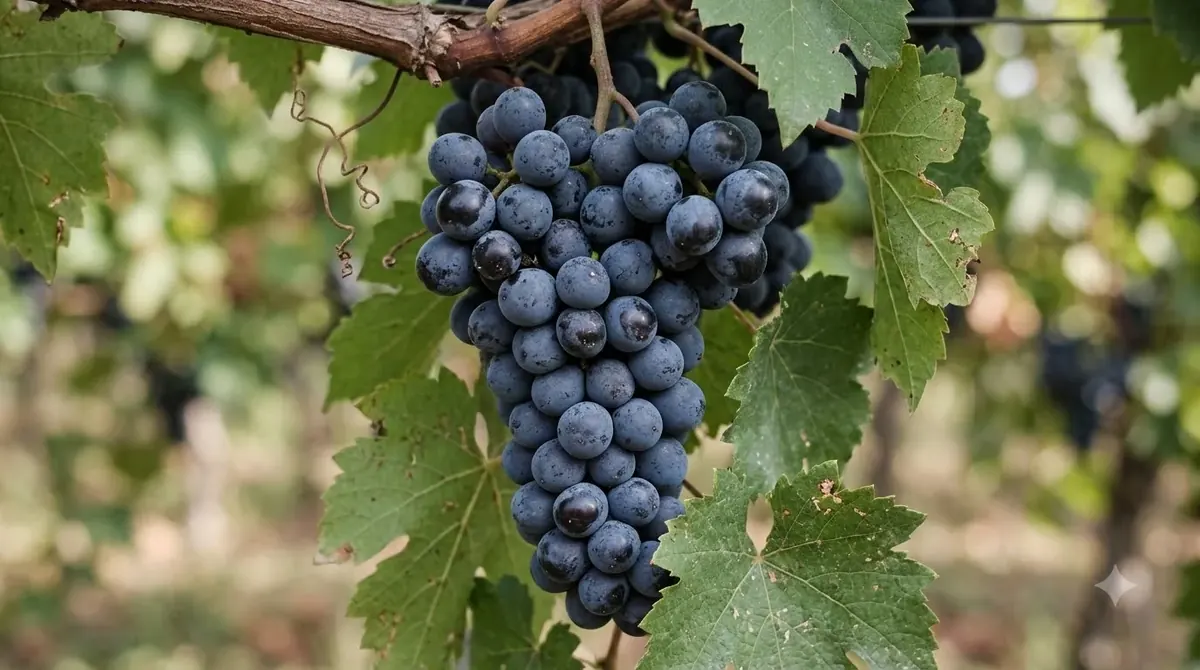
The Metropolitan wine region includes Canelones, Montevideo, and San José. According to Uruguay Wine, it contains more than 70% of the country’s wineries, while Canelones alone accounts for approximately 60% of national wine production. These figures help explain why the area offers such a concentrated selection of wine experiences.
Much of the region’s vineyard landscape consists of gentle slopes and fertile soils. Canelones is particularly associated with clay-based and clay-calcareous soils, although geological conditions vary between individual properties. The Río de la Plata influences the area’s growing conditions, while seasonal humidity and rainfall contribute to the character of its wines.
For visitors, the main advantage is accessibility. Montevideo provides an urban base with restaurants, hotels, and transportation connections, while wineries in nearby Canelones can be incorporated into a half-day or full-day excursion. A vineyard visit might include a walk through the vines, an explanation of fermentation and barrel maturation, a guided tasting, and lunch featuring local ingredients.
Producers to look for around Canelones
Several established wine families help define the region’s identity. Pisano is associated with traditional Uruguayan winemaking and a strong emphasis on Tannat. Familia Deicas is another recognized name, with wines that demonstrate the development of modern Uruguayan production. Bodega Bouza is also an important producer for visitors interested in comparing different varieties and winemaking approaches.
Other names worth recognizing include Pizzorno, Giménez Méndez, Traversa, Montes Toscanini, and Varela Zarranz. Each producer has its own range, so tasting appointments can offer a useful opportunity to compare different expressions of the same grape. Ask whether the flight includes multiple Tannats, a white wine, or a regional blend rather than simply selecting the most expensive or prestigious bottle.
Montevideo itself has historical significance because some of Uruguay’s earliest vineyards developed close to the capital’s original wine market. Urban expansion gradually encouraged wine production to spread into neighboring areas. Today, the wider metropolitan region remains essential to understanding how the country’s wine industry developed.
Visitors with limited time should prioritize one winery with a substantial guided tasting rather than attempting to visit several properties in a single afternoon. Allow enough time for the vineyard tour, tasting, questions, and transportation. If lunch is part of the reservation, confirm whether it includes a complete wine pairing or only a tasting before the meal.
Tip: If you are staying in Montevideo, begin with Canelones. Its concentration of wineries makes it easier to arrange a focused tasting day without committing to a long interregional journey. Reserve transportation before sampling wine, particularly if the itinerary includes a full lunch pairing.
Maldonado and Garzón: Discovering Atlantic-Inspired Wines
Maldonado offers a different expression of Uruguayan wine, with stronger Atlantic influences, varied rocky soils, and a growing selection of fresh whites and elegant reds. The area around Garzón and José Ignacio is particularly interesting for visitors who want to combine winery visits with Uruguay’s coastal scenery.
The modern development of Maldonado as a wine region is relatively recent compared with Canelones. Decanter identifies Alto de la Ballena’s first vine plantings in 2001 as an important milestone in the area’s modern viticultural history. The region’s challenging rocky and granite-rich soils initially limited agricultural development, but they became attractive to producers interested in lower yields and distinctive vineyard characteristics.
Atlantic breezes and cooler coastal conditions influence grape development. Compared with some of the warmer inland areas, the growing season can encourage freshness and more gradual ripening. The region’s rocky soils also provide good drainage, which helps distinguish its vineyards from the deeper clay-based soils found in parts of Canelones.
Bodega Garzón is among the best-known names associated with this part of Uruguay. Its development brought international attention to the eastern wine-growing area. Visitors interested in understanding the region should look for its Tannat and Albariño, as well as other varieties that demonstrate how coastal conditions influence the final wine.
Whites and lighter reds deserve attention
Albariño is particularly important in Maldonado. Its combination of citrus fruit, freshness, and lively acidity makes it an appealing choice for visitors who usually prefer white wines. The variety is also a useful point of comparison with Albariño from Galicia, although local climate and vineyard conditions produce their own distinct expression.
Sauvignon Blanc and Chardonnay add further variety to the region’s white-wine selection. Pinot Noir is another interesting option because its lighter body and red-fruit character offer a contrast to the more structured Tannat styles. A tasting that includes these wines demonstrates that Maldonado is not simply an alternative location for producing powerful reds.
Other producers associated with the broader area include Bodega Oceánica José Ignacio, Familia Deicas, Cerro del Toro, and Viña Edén. Their different vineyard sites and production approaches provide opportunities to compare the effects of soil, coastal exposure, and winemaking decisions.
For travelers, Maldonado is an attractive option when combining wine with a coastal holiday. Punta del Este and José Ignacio provide convenient bases, while Garzón offers a more rural vineyard experience. Wine tourism can be combined with local seafood, countryside restaurants, and time along the Atlantic coast.
Wine Enthusiast describes the journey from Montevideo to Maldonado as approximately an hour and a half, although actual travel time depends on the destination and road conditions. Visitors should consider staying overnight if they plan a substantial tasting and lunch rather than attempting several winery appointments and a long return drive.
Colonia, Carmelo, and Uruguay’s Historic Western Wine Country
Colonia and Carmelo offer a more traditional wine experience, combining historic wineries, river-influenced landscapes, and a relaxed countryside atmosphere. The area is especially interesting for travelers who want to explore Uruguay’s wine heritage alongside its historic towns and regional food traditions.
Colonia lies west of Montevideo and has an important place in the country’s cultural and agricultural history. Carmelo is one of its principal wine-producing areas, with vineyards and family wineries connected to a long tradition of winegrowing. The River Plate and nearby waterways influence the local environment, while the soils vary between sandy, clay-rich, and stony areas.
One of the most significant historical producers is Los Cerros de San Juan, founded in 1854. Decanter identifies it as Uruguay’s oldest commercial winery. Its history makes it an especially relevant stop for anyone interested in the development of commercial winemaking in the country.
The region’s wines often have a fuller, richer character associated with warmer river influences and local growing conditions. Tannat remains an important grape, but visitors should also explore Cabernet Sauvignon and other varieties that benefit from the area’s relatively warm environment.
Exploring Carmelo’s winery traditions
Carmelo has a particularly appealing mix of established wine families and smaller boutique producers. Zubizarreta is among the traditional names associated with the region. Visitors can also look into wineries such as Narbona and Irurtia when planning a wine-focused itinerary.
Some visits emphasize historical buildings and traditional winemaking, while others combine wine with accommodation, food, and countryside activities. This makes Carmelo suitable for travelers who prefer a slower itinerary rather than a series of short appointments.
The town also provides a useful base for exploring the western wine route. Its position near the river gives the surrounding area a distinctive landscape, and a winery visit can easily become part of a broader food and cultural itinerary. Local cheeses, grilled meats, and regional dishes provide natural opportunities to explore wine pairing.
Colonia del Sacramento is another appealing destination because of its historic architecture and established tourism infrastructure. Visitors can spend time exploring its historic quarter before traveling to nearby wine properties. Those planning multiple winery visits should arrange transportation in advance because distances between rural properties can make spontaneous travel difficult.
For a first visit, choose one historic winery and one smaller producer if the schedule allows. Comparing their Tannats can reveal differences in extraction, oak influence, and texture. It is also useful to ask how the River Plate influences the vineyard climate and whether the producer works with grapes other than Tannat.
How to Taste Uruguayan Wines and Recognize Regional Differences
A structured tasting makes it easier to distinguish Uruguay’s wine styles and understand the relationship between grape variety, vineyard location, and winemaking. Begin with fresh whites, move through lighter reds, and finish with fuller-bodied Tannat or red blends.
Start by examining the wine’s appearance. A young Tannat often shows deep purple or ruby coloring, while Pinot Noir is generally more transparent. White wines such as Albariño may display pale straw or light yellow tones. Appearance offers clues, but aroma and texture provide more useful information about the wine’s overall style.
Next, evaluate the aroma. Albariño may suggest lemon, grapefruit, peach, and other orchard fruits. Sauvignon Blanc often shows citrus and herbal notes. Tannat can display blackberry, plum, dark cherry, and spice, while barrel maturation may introduce vanilla, toast, or additional savory aromas.
Pay particular attention to tannin in red wines. Tannat is naturally high in tannin, creating a firm sensation along the gums and inside the cheeks. Merlot is generally softer, while Pinot Noir typically has lower to medium tannin and more pronounced acidity. These contrasts become clearer when wines are tasted side by side.
A practical tasting sequence
A useful four-wine tasting flight can be arranged as follows:
- Albariño: Start with a fresh white to assess acidity, citrus character, and texture.
- Sauvignon Blanc: Compare its herbal and citrus notes with the more rounded fruit character of Albariño.
- Young Tannat: Examine dark fruit, color, tannin, and the freshness of the finish.
- Barrel-aged Tannat: Compare the additional texture, spice, and oak influence with the younger wine.
For a broader flight, add a Pinot Noir or a blend containing Merlot. These varieties help explain why Uruguay should not be understood exclusively through its flagship red grape. The differences between the wines are especially interesting when they come from different regions.
Temperature also affects how a wine performs. Serve full-bodied Tannat at approximately 60–65 F, while lighter reds such as Pinot Noir generally show well around 55–60 F. Full-bodied white wines are often best around 50–55 F, while lighter whites and Albariño are usually more refreshing at 45–50 F.
Allow young, full-bodied Tannat approximately 30–60 minutes in a decanter if its tannins feel particularly firm. This can help soften the initial impression and make its aromas easier to assess. For a tasting flight, use consistent pours so that comparisons remain fair and manageable.
Take short notes on acidity, body, tannin, aroma, and finish. Record the producer and growing region as well as the grape variety. These details will be more useful later than a general note saying that a wine was enjoyable.
Food Pairings, Winery Planning, and the Best Time to Visit
Uruguayan wine is closely connected to local food, particularly grilled beef, lamb, seafood, and regional cheeses. Matching the wine’s body, acidity, tannin, and sweetness with the food creates a more balanced tasting experience.
Asado, Uruguay’s traditional grilled-meat preparation, is a natural partner for Tannat. The grape’s firm tannins work well with the protein and fat in beef, while its dark-fruit flavors complement the smoky character of grilled meat. Lamb and richly seasoned sausages are also suitable choices.
Merlot can be a more flexible option for moderately rich dishes, while Pinot Noir works well with roast poultry, mushrooms, and grilled vegetables. Its lighter tannin and higher acidity make it more adaptable than a powerful Tannat when the meal contains delicate ingredients.
Albariño is a strong match for grilled fish, shrimp, oysters, and other seafood. Its acidity helps refresh the palate, while its fruit character complements lighter dishes. Sauvignon Blanc is particularly useful with fresh herbs, salads, and seafood preparations that include citrus.
Pairing ideas for a Uruguayan tasting menu
- Tannat with asado: The wine’s substantial tannins work with fatty grilled beef, while its dark fruit complements charred flavors.
- Tannat with lamb: A full-bodied example can match the richness and savory character of roasted or grilled lamb.
- Albariño with seafood: Fresh acidity complements grilled white fish, shrimp, and shellfish.
- Sauvignon Blanc with salads: Its pronounced acidity suits fresh herbs, green vegetables, and citrus dressings.
- Pinot Noir with poultry: Its lighter tannin and red-fruit character work with roast chicken and mushrooms.
- Merlot with pork: Its softer structure pairs comfortably with grilled pork and moderately rich sauces.
For desserts, select a wine at least as sweet as the dish. A dry Tannat is not a suitable match for a very sweet dessert because the wine can taste harsh or bitter by comparison. For savory dishes, remember that acidic food needs wine with equal or higher acidity, while salt and fat can soften the perception of tannin.
Planning the winery itinerary
The best time to visit depends on the experience you want. Uruguay’s Southern Hemisphere growing season means harvest generally takes place during the late summer and early autumn, usually between February and April. This period can be especially interesting for visitors who want to see grape picking and winery activity, although exact harvest dates vary with the weather and grape variety.
Spring offers attractive vineyard scenery and generally comfortable conditions for outdoor visits. Summer is appealing for combining coastal wineries with beaches in Maldonado, although temperatures can be higher and popular destinations busier. Autumn can provide opportunities to learn about harvest and fermentation, while winter is generally a quieter period for visitors seeking guided tastings and indoor winery experiences.
Reservations are advisable throughout the year. Smaller family wineries may operate by appointment, and lunch services can require separate arrangements. Confirm the tasting language, duration, transportation options, and whether food is included before finalizing the itinerary.
Travelers can also explore the wider range of Uruguay vineyards to understand how different properties fit into a regional itinerary. Comparing a traditional Canelones producer with a coastal Maldonado winery is particularly useful for understanding the country’s diversity.
If you enjoy exploring wine destinations beyond South America, Alsace wine tasting offers an interesting comparison because of its aromatic white grapes and distinctive regional food culture. Visitors interested in American wine regions can also explore Willcox wine tasting for another example of how local climate and geography shape wine styles.
For additional background on the country’s different growing areas, the official Uruguay Wine regional overview provides useful descriptions of the principal vineyard zones and their growing conditions. It is a helpful starting point when deciding which areas deserve the most time.
Finally, transportation deserves careful attention. Uruguay’s wineries are spread across several departments, and public transportation does not always provide convenient access to rural properties. A private driver, organized wine excursion, or overnight stay near the wineries can make the experience more comfortable. Visitors should avoid driving after drinking and should arrange a safe return journey before beginning a tasting.
Frequently Asked Questions
Is Uruguay’s wine industry older than Argentina’s modern wine industry?
Uruguay has a long history of European-influenced grape growing, with commercial Tannat production developing during the late 19th century. Argentina’s Mendoza wine industry also expanded significantly during the 19th century. Both countries have distinct historical paths, and their modern wine identities developed through different combinations of immigration, grape selection, and export growth.
Does Uruguay produce sparkling wine?
Yes. Uruguay produces sparkling wines, including examples made using traditional bottle-fermentation techniques. Visitors may encounter sparkling wines made from Chardonnay, Pinot Noir, and other varieties. Ask producers about the fermentation method and the time spent aging on lees because these details influence texture and complexity.
What is Uruguay’s official wine industry organization?
The Instituto Nacional de Vitivinicultura, commonly known as INAVI, is Uruguay’s national viticulture and winemaking institute. It plays an important role in the country’s wine industry, including promotion, regulation, and sector development. Uruguay Wine is the country’s promotional brand for international wine communication.
Can visitors find organic or sustainably produced Uruguayan wine?
Yes. Uruguay has developed sustainability initiatives for its wine industry, and some producers emphasize environmental management, vineyard practices, and responsible resource use. Visitors interested in these approaches should ask wineries about their specific certifications and production methods. Sustainability claims can differ between individual vineyards and wineries, so it is useful to ask what a particular certification covers.
What is the traditional name for Uruguay’s grilled-meat gathering?
Asado is the traditional South American style of preparing meat over a grill or open fire. In Uruguay, it is also an important social occasion that often involves family and friends gathering for an extended meal. The preparation can include different cuts of beef, sausages, and other meats, making it a natural setting for comparing several styles of Tannat.
Uruguay wine tasting offers a rewarding combination of distinctive grapes, varied vineyard landscapes, and a strong connection between wine and regional cuisine. Start with Canelones for historical depth, explore Maldonado for Atlantic-influenced whites and reds, and visit Colonia for traditional wineries and river-country character. Above all, taste beyond Tannat: Uruguay’s Albariño, Sauvignon Blanc, Pinot Noir, and regional blends reveal why this relatively small South American wine country deserves attention.
More in Wine Regions
 Willcox Wine Trail: Discover Arizona’s High-Elevation Wine CountryUpdated Nov 20, 2026
 Yakima Valley Wine Region: Find the Best Styles to TryUpdated Nov 20, 2026
 Vosne Romanee Wine Tasting: Identify Aromas and Choose Better PairingsUpdated Nov 20, 2026
 Yakima Valley Wine Festival: Find the Best Seasonal Wine EventsUpdated Nov 20, 2026
 Wales Vineyards: Discover Cool-Climate Wines and Where to VisitUpdated Nov 20, 2026
 Yountville Wine Festival: Discover Napa Wines and Local FoodUpdated Nov 20, 2026