

We may earn a commission when you buy through links on this page, at no extra cost to you. Learn more.
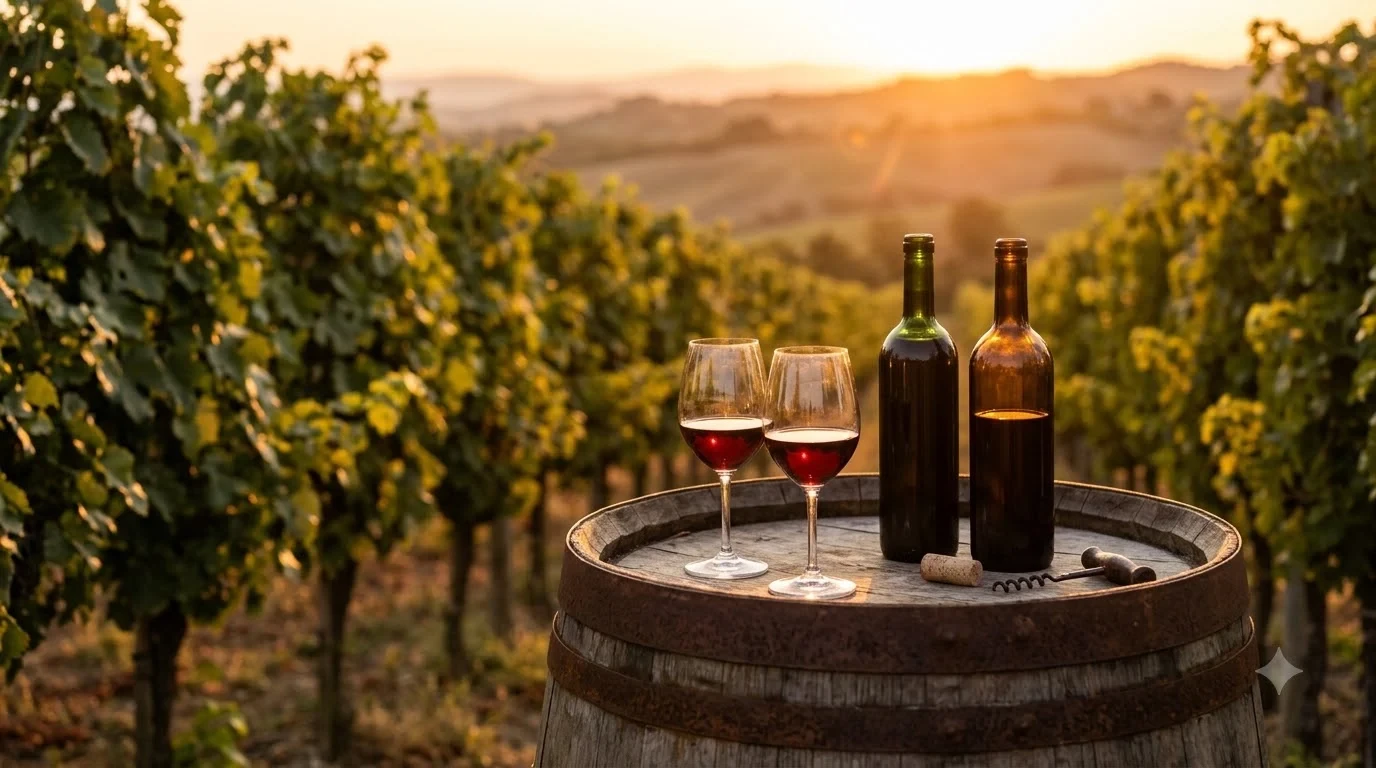
Umpqua Valley vineyards are located in Southern Oregon, where three distinct growing zones produce an unusually wide range of wines, from cool-climate Pinot Noir to warm-climate Tempranillo and Syrah. The region became an American Viticultural Area (AVA) in 1984 and is known for its varied mountain landscapes, more than 150 soil types, and experimental approach to grape growing. For wine enthusiasts, its appeal lies in discovering several different wine styles within one relatively compact appellation.
Oregon is often associated with Willamette Valley Pinot Noir, but its southern wine country offers a different perspective on the state’s potential. The Umpqua Valley combines maritime influences, warmer inland conditions, varied elevations, and a long history of independent winemaking. Whether you are researching Oregon wine regions, choosing bottles for your collection, or planning a vineyard visit, understanding the area’s geography is the best place to start.
Where the Umpqua Valley Wine Region Is Located
The Umpqua Valley is a Southern Oregon wine region situated between the Willamette Valley to the north and the Rogue Valley to the south. Its location between three major mountain ranges creates a complicated landscape with numerous small valleys, river corridors, and vineyard sites.
The appellation sits between the Coast Range to the west, the Cascade Range to the east, and the Klamath Mountains to the south. The Umpqua River and its tributaries run through this landscape, providing important geographical features around which many agricultural communities developed. Roseburg serves as the principal urban center for exploring the region, while Elkton, Oakland, Winston, and Canyonville provide additional starting points for vineyard visits.
The Oregon Wine Board identifies the appellation’s total area as approximately 683,300 acres, although only a small portion is planted to wine grapes. Its reported vineyard acreage is approximately 3,605 acres. The region stretches about 65 miles from north to south and 25 miles from east to west, according to Umpqua Valley Winegrowers.
This geography explains the area’s nickname, the Hundred Valleys of the Umpqua. Rather than presenting one continuous, uniform valley floor, the region contains numerous smaller growing environments separated by hills, ridges, waterways, and mountain formations. Two vineyards relatively close to each other can experience different sunlight exposure, drainage, rainfall, and growing-season temperatures.
The Umpqua Valley is part of Southern Oregon’s larger wine-growing landscape. Its position between cooler northern Oregon and warmer southern Oregon makes it an important transition zone for grape varieties that need different amounts of heat to ripen.
Wine drinkers familiar with Wine Regions will recognize why appellation boundaries matter: a regional designation describes a broad geographical origin, not a guarantee that every vineyard shares identical conditions. In Umpqua, the differences between northern and southern locations are particularly important.
For an official geographical overview, the Oregon Wine Board’s Umpqua Valley profile provides regional information about the appellation, its history, its growing conditions, and its predominant grape varieties.
Climate, Elevation, and Soil Differences Across the Valley
The defining characteristic of Umpqua Valley vineyards is their climatic diversity. Three broad growing zones create different opportunities for grape growers, with the cool northern area around Elkton, the transitional central area near Roseburg, and the warmer southern area supporting distinct wine styles.
The northern zone: Elkton
The northern Umpqua Valley receives substantial maritime influence from the Pacific Ocean. According to the Oregon Wine Board, the Elkton area receives approximately 50 inches of annual rainfall. Cool temperatures, moisture, and a relatively mild growing environment make this part of the appellation suitable for varieties that benefit from a longer, cooler ripening period.
Pinot Noir is particularly important in this area. Riesling and Pinot Gris are also appropriate choices for cooler northern sites. These grapes can retain acidity while developing fruit character, producing wines that often emphasize freshness, moderate alcohol, and a more restrained expression of ripe fruit.
The central zone: Roseburg and surrounding areas
The central region around Roseburg has a transitional climate. Warm days can encourage ripening, while cooler nighttime temperatures help preserve freshness. This combination creates opportunities for both cool-climate and warmer-climate varieties.
Growers can work with Pinot Noir and Chardonnay as well as varieties such as Merlot and Syrah, depending on the vineyard’s elevation, exposure, and soil conditions. This middle zone is one reason the appellation cannot be described using a single dominant wine style.
The southern zone: warmer vineyard sites
South of Roseburg, conditions become warmer and generally drier. This environment favors grapes that need more accumulated heat to reach full ripeness. Tempranillo, Syrah, and Merlot are important examples.
Spanish varieties are particularly interesting in this part of Oregon. Tempranillo can develop ripe fruit character and sufficient structure, while Syrah can produce darker-fruited wines with a fuller body. The region’s warmer conditions also provide opportunities for other Mediterranean-influenced varieties.
The following comparison summarizes the three zones:
| Growing zone | Geographical center | Typical conditions | Suitable grapes |
|---|---|---|---|
| Northern | Elkton | Cool, maritime, approximately 50 inches of annual rainfall | Pinot Noir, Riesling, Pinot Gris |
| Central | Roseburg | Transitional, warm days, cooler nights | Pinot Noir, Chardonnay, Merlot, Syrah |
| Southern | South of Roseburg | Warmer, drier, greater heat accumulation | Tempranillo, Syrah, Merlot |
Soils add another layer of variation. Umpqua Valley Winegrowers reports more than 150 identified soil types. These include materials derived from sedimentary, metamorphic, and volcanic rocks. Deep alluvial deposits and heavier clay soils occur in some valley-floor locations, while hillside and benchland sites offer different combinations of silt, clay, and alluvial material.
Soil influences drainage, water availability, vine vigor, and root development. A well-drained hillside may behave differently from a deep valley-floor site, even when both experience similar temperatures. These differences help growers decide which varieties and rootstocks are appropriate for individual vineyard blocks.
Climate and soil should therefore be considered together. A warm southern site with good drainage presents different growing conditions from a cool northern hillside exposed to marine air. This combination of factors is central to understanding the region’s wine diversity.
The History and Development of Umpqua Valley Vineyards
Umpqua Valley winemaking has roots that reach back to the nineteenth century. Its modern wine industry developed through independent growers willing to experiment with grape varieties and challenge assumptions about what Oregon’s climate could support.
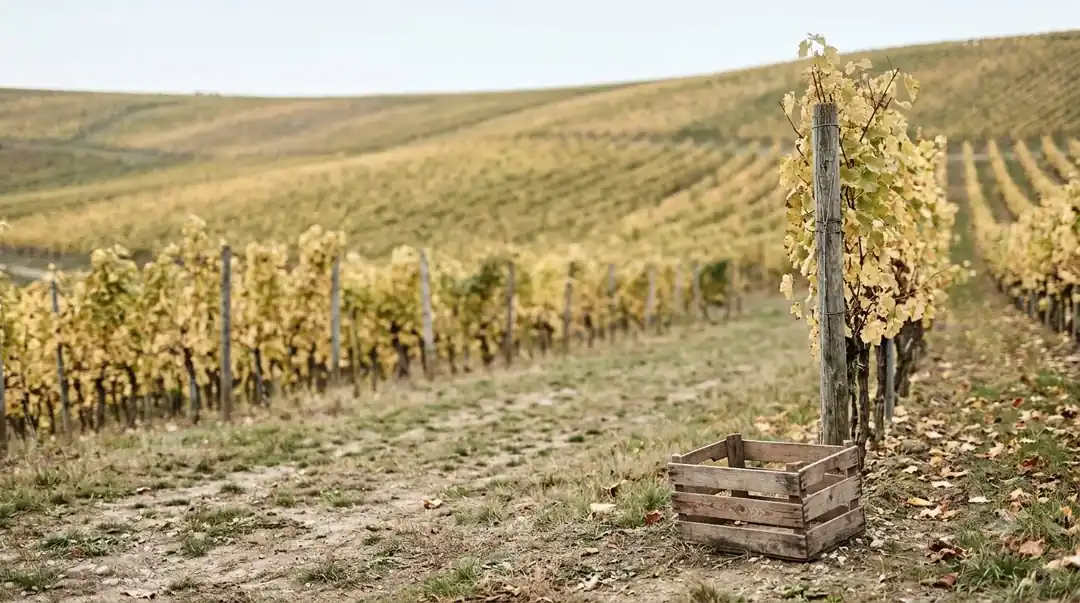
The region’s early winegrowing history dates to the 1880s, when German immigrants planted the first vineyard in the valley. These early agricultural efforts established a foundation for later commercial production, although the industry did not develop continuously at the same pace throughout the following decades.
One important historical name is HillCrest Vineyard near Roseburg. Richard Sommer established the property in 1961 and planted Oregon’s first Pinot Noir vines, according to the Oregon Wine Board. At a time when many people questioned whether Oregon could reliably ripen Pinot Noir, Sommer demonstrated that appropriate site selection could make the variety successful.
HillCrest’s significance extends beyond its pioneering vineyard plantings. It represents the independent spirit that helped shape Oregon’s modern wine industry. The Umpqua Valley was not simply following the development of northern Oregon wine country; it was contributing its own ideas and experience to the state’s viticultural identity.
The 1970s and 1980s brought additional producers and greater experimentation. Henry Estate Winery became an important part of this development. Its winemaker, Scott Henry, developed the Henry Trellis System, a vine-training approach designed to improve grape production through canopy management.
The appellation officially became the Umpqua Valley AVA in 1984. This designation established a recognized geographical identity for the region and helped distinguish its wines from those produced elsewhere in Oregon.
The development of two nested AVAs
As winegrowers gained more experience with the area’s different growing environments, smaller geographical distinctions became increasingly important. Two nested appellations were subsequently established within the larger Umpqua Valley.
- Red Hill Douglas County AVA: Established in 2004, this appellation identifies a more specific growing area within the Umpqua Valley.
- Elkton Oregon AVA: Established in 2013, this northern subregion recognizes the distinctive marine-influenced conditions around Elkton.
These designations help wine drinkers understand geographical differences that a broader Umpqua Valley label might not communicate. A bottle from Elkton, for example, comes from a cooler northern environment than a bottle sourced from warmer vineyards south of Roseburg.
The region’s development has also been shaped by experimentation. Growers have explored varieties that are less commonly associated with Oregon, including Albariño, Garnacha, Malbec, Grüner Veltliner, and Petit Verdot. This willingness to test different grapes remains an important part of the area’s identity.
For comparison, the Verde Valley vineyards in Arizona also demonstrate how distinctive local conditions can encourage grape-growing experimentation outside the country’s most familiar wine regions.
Grape Varieties and Wines to Look for
Umpqua Valley vineyards produce both cool-climate and warm-climate wines, making grape variety one of the most useful ways to explore the appellation. Pinot Noir, Pinot Gris, Syrah, Tempranillo, Merlot, and Riesling are among the region’s recognizable grapes, but its plantings extend considerably further.
Pinot Noir
Pinot Noir is closely connected to the region’s modern history. Its early development at HillCrest helped establish the Umpqua Valley as an important location for Oregon winegrowing. Cooler northern sites, particularly around Elkton, are well suited to the variety.
Typical Pinot Noir offers red cherry, raspberry, cranberry, and earthy notes. Its tannin level is generally low to medium, while its acidity is relatively high. These characteristics make it versatile with food, particularly roast chicken, mushroom dishes, salmon, and pork.
Serving temperature matters. A light-bodied Pinot Noir is generally best served around 55 to 60 degrees Fahrenheit rather than at a warm room temperature.
Pinot Gris and Riesling
Pinot Gris is an important white grape in Oregon and performs well in cooler parts of the Umpqua Valley. Depending on the producer and harvest conditions, it can offer pear, apple, citrus, and stone-fruit flavors. Its texture can range from light and crisp to richer and more rounded.
Riesling is another variety worth seeking out. It naturally maintains high acidity and can be made in dry, off-dry, or sweeter styles. Cooler growing conditions can help preserve its aromatic character and refreshing structure.
For food pairing, dry Riesling works well with seafood, spicy Asian dishes, and foods containing fresh herbs. A sweeter Riesling is particularly useful with spicy dishes because a touch of sweetness can balance heat.
Tempranillo
Tempranillo is one of the most distinctive reasons to explore southern Oregon wine country. Although it is strongly associated with Spain, particularly Rioja and Ribera del Duero, it has found a suitable growing environment in the warmer portions of the Umpqua Valley.
Typical Tempranillo offers red and dark cherry, plum, leather, and savory spice. Oak aging can introduce vanilla, cedar, and toasted notes. Its moderate-to-firm tannins make it a natural partner for grilled meats, lamb, roasted vegetables, and aged cheeses.
Abacela is especially important in this story. Travel Southern Oregon identifies the winery as an influential Oregon Tempranillo pioneer. Visitors interested in Spanish varieties should make it a priority when researching producers around Roseburg.
Syrah and Merlot
Syrah is another important red variety in warmer Umpqua Valley sites. It can produce wines with blackberry, blueberry, pepper, smoked-meat, and herbal characteristics. Its tannins are generally medium-plus to high, depending on ripeness and winemaking choices.
Merlot usually offers softer tannins and a rounder texture. Plum, black cherry, and chocolate notes are common characteristics. These qualities make it approachable for drinkers who prefer a fuller red wine without the more pronounced tannic structure of Cabernet Sauvignon.
Less familiar varieties
Part of the region’s attraction is its willingness to grow grapes outside the standard Oregon lineup. Albariño, Grüner Veltliner, Garnacha, Malbec, and Petit Verdot illustrate the range of experimentation taking place across the appellation.
Albariño is especially interesting for white-wine drinkers who enjoy citrus, stone fruit, and lively acidity. Grüner Veltliner can offer citrus, green apple, and peppery notes. Garnacha and Malbec provide additional options for people who prefer fruit-driven reds.
For a broader perspective on how grape selection shapes regional identity, compare the varieties grown here with those found in Dry Creek Valley vineyards, where California’s warmer conditions create a different set of opportunities.
Tip: When exploring Umpqua Valley wines, taste a cool-climate Pinot Noir alongside a southern Oregon Tempranillo. Comparing the two styles is one of the easiest ways to understand how geography influences the finished wine.
Notable Umpqua Valley Vineyards and Wineries
The Umpqua Valley’s wine scene includes established estate producers, smaller family wineries, and urban tasting rooms. Roseburg is a convenient base for exploring several producers, while Elkton offers a more compact tasting experience in a cooler northern setting.
HillCrest Vineyard
HillCrest Vineyard is an essential stop for anyone interested in Oregon wine history. Richard Sommer established the property near Roseburg in 1961 and planted the state’s first Pinot Noir vines. The Oregon Wine Board also identifies HillCrest as Oregon’s oldest estate winery.
Its historical importance makes it a particularly interesting destination for Pinot Noir enthusiasts. The property connects the modern Umpqua Valley wine industry with the early development of Oregon’s fine-wine reputation.
Abacela
Abacela is closely associated with the development of Tempranillo in Oregon. Its work helped demonstrate the suitability of Southern Oregon’s warmer conditions for Spanish grape varieties.
Travel Southern Oregon recommends a seated tasting at the winery, where visitors can explore its Spanish-inspired wines through guided flights. For someone interested in the relationship between climate and grape selection, Abacela provides an especially relevant perspective.
Reustle-Prayer Rock Vineyards
Located west of Sutherlin, Reustle-Prayer Rock Vineyards is known for its distinctive wine cave and European-inspired setting. Its wine program includes Grüner Veltliner, a variety that is unusual in the American wine landscape.
Travel Southern Oregon identifies the winery as the first to plant Grüner Veltliner in the United States. This makes it particularly interesting for visitors who want to explore something beyond the familiar Pinot Noir and Chardonnay selections.
Brandborg Vineyard and Winery
Brandborg Vineyard and Winery is associated with the northern Umpqua Valley and Elkton. Its Pinot Noir wines reflect the cooler marine-influenced environment of this part of the appellation.
For visitors comparing northern and southern wines, Brandborg provides a useful northern reference point. Its location also makes it possible to combine a tasting with visits to other Elkton establishments.
Paul O’Brien Winery
Paul O’Brien Winery occupies a distinctive place in Roseburg’s wine scene. It opened in 2013 as the Umpqua Valley’s first urban winery, according to Travel Southern Oregon.
The winery sources grapes from multiple vineyards around the valley, allowing it to work with fruit from different growing environments. Its location is convenient for visitors who want to explore wine without driving between rural vineyard properties throughout the day.
Other producers and tasting destinations include River’s Edge Winery, Cooper Ridge Vineyard, Girardet Vineyards and Winery, and Lexème. Each offers a different opportunity to experience the region’s combination of small-scale production and varied grape varieties.
Planning a Wine-Tasting Visit to Southern Oregon
The Umpqua Valley is a rewarding destination for wine tourism because its tasting rooms are spread across several communities rather than concentrated in one central village. Planning around Roseburg, Elkton, and the southern wineries makes it easier to experience the region without spending the entire day driving.
Start in Roseburg. Roseburg is a practical base for exploring the central and southern portions of the appellation. HillCrest Vineyard offers historical context, while Paul O’Brien Winery provides an urban tasting experience. Abacela is another important destination for visitors interested in Tempranillo and Spanish-inspired wines.
From Roseburg, visitors can explore wineries south toward Canyonville or travel west and north toward other vineyard communities. The surrounding area also provides restaurants, accommodation, and access to outdoor activities.
Spend time in Elkton. Elkton is a good choice for visitors interested in cool-climate wines. The Oregon Wine Board identifies three tasting rooms in the town that are within approximately a 15-minute walk of one another.
River’s Edge Winery, Brandborg Vineyard and Winery, and Lexème are among the destinations to consider. The compact layout makes Elkton especially appealing to visitors who prefer to park once and walk between tasting rooms.
Explore Oakland and Sutherlin. Oakland offers another opportunity to combine wine tasting with a historic small-town visit. Triple Oak Vineyard’s Wine Vault tasting room is one destination to investigate. West of Sutherlin, Reustle-Prayer Rock Vineyards provides an opportunity to explore distinctive white wines and its wine cave.
Travelers interested in the wider landscape can also follow the Umpqua River Scenic Byway. The Oregon Wine Board describes it as a 66-mile drive through the Coast Range toward the Pacific coast. It provides a scenic addition to a wine-focused itinerary.
When to visit
Spring and summer are appealing seasons for vineyard visits because outdoor tasting areas and scenic drives can be especially enjoyable. Fall offers the additional interest of harvest activity, although winery schedules can become busier during this period.
Winter visits are possible, but opening hours may be reduced. Travel Southern Oregon specifically recommends calling ahead and reserving tastings, particularly during winter. This is sensible throughout the year for smaller producers that may operate by appointment.
Visitors should also account for transportation. Vineyard roads can be rural, and mobile reception may be unreliable in some backcountry areas. A designated driver, a planned route, and a paper map or downloaded directions can make the experience more straightforward.
What to bring and how to pace tastings
Plan for approximately two or three winery visits in a day if you want time to understand each producer’s wines. A tasting flight can contain several different styles, and rushing between appointments makes it harder to appreciate the differences.
Bring water, snacks, and a suitable way to transport purchased bottles. A cooler can help protect wine from temperature extremes during a long drive, particularly on warm summer days. Avoid leaving bottles in a hot vehicle for extended periods.
Visitors can also combine winery appointments with outdoor activities. The Umpqua River provides opportunities for fishing, rafting, and kayaking, while the Callahan Mountains west of Roseburg offer hiking and rock climbing. This combination makes the region appealing even to travelers who want more than a traditional wine-country itinerary.
How to Enjoy and Store Umpqua Valley Wines
Serving temperature, glassware, and food pairing can make a noticeable difference when enjoying wines from the Umpqua Valley. The region produces enough variety that there is no single serving recommendation for every bottle, but a few basic guidelines provide a useful starting point.
Pinot Noir is generally best served between 55 and 60 degrees Fahrenheit. This slightly cool temperature preserves freshness without hiding the wine’s aromas. Tempranillo, Syrah, and fuller Merlot styles are generally more expressive around 60 to 65 degrees Fahrenheit.
White wines need different treatment. Pinot Gris and Albariño are usually best served between 45 and 50 degrees Fahrenheit, while fuller Chardonnay styles benefit from temperatures around 50 to 55 degrees Fahrenheit. Riesling can be served between 45 and 50 degrees Fahrenheit, with sweeter styles often benefiting from the cooler end of that range.
Allowing a wine to warm slightly in the glass can reveal more of its aroma. Serving a red wine too warm can emphasize alcohol, while serving a white wine excessively cold can make its flavors seem muted.
Food pairing suggestions
Umpqua Valley Pinot Noir is a natural partner for roast chicken, mushroom risotto, pork tenderloin, and salmon. Its relatively high acidity and lower-to-medium tannin structure allow it to work with a range of foods without overwhelming delicate flavors.
Tempranillo pairs particularly well with lamb, grilled beef, roasted peppers, and hard cheeses. Its tannins and savory fruit character complement protein-rich foods, while salt and fat can soften the perception of tannin.
Syrah is a good choice for grilled meats, smoked dishes, and richly seasoned vegetables. Its firmer tannins and darker fruit profile work especially well with food that has sufficient protein and richness.
For white wines, Pinot Gris pairs with seafood, salads, and roasted vegetables. Albariño is particularly useful with shellfish and grilled fish, while Riesling can complement spicy dishes because its acidity and potential residual sweetness provide balance.
Storage and opening bottles
Store unopened bottles in a cool, dark location with a relatively stable temperature near 55 degrees Fahrenheit. Bottles with natural cork closures are generally stored on their sides to help keep the cork from drying out. Avoid direct sunlight, strong vibrations, and large temperature fluctuations.
Once opened, still wines generally remain in good condition for approximately three to five days when refrigerated and properly resealed. Sparkling wines typically last one to three days with a suitable sparkling-wine stopper. Fortified wines can remain enjoyable for several weeks, depending on their style and storage conditions.
For a full-bodied young Syrah or Tempranillo, decanting for approximately 30 to 60 minutes can help soften the initial impression and allow aromas to develop. Lighter Pinot Noir usually needs less aeration, so start by pouring a glass before deciding whether further decanting is necessary.
A standard wine pour is approximately 5 ounces, and a 750-milliliter bottle provides about five glasses. These amounts are useful when planning a tasting at home or selecting several wines for a dinner.
Another useful comparison is to explore wines from Eden Valley vineyards in Australia. Their cooler-site Riesling provides an interesting contrast with the Riesling produced in Southern Oregon, illustrating how different regions can interpret the same grape.
Frequently Asked Questions
Is Umpqua Valley part of the Willamette Valley?
No. The Umpqua Valley is a separate AVA in Southern Oregon, south of the Willamette Valley. Both are part of Oregon’s wine industry, but they have different geographical boundaries and growing conditions.
Does the Umpqua Valley have a wine trail?
Yes. The Umpqua Valley Wine Trail connects participating wineries and tasting destinations throughout the region. Umpqua Valley Winegrowers provides a trail map to help visitors plan routes between communities and producers.
How many wineries are in the Umpqua Valley?
Umpqua Valley Winegrowers reports more than 30 boutique, family-owned wineries in the region. The number of tasting rooms and participating producers can vary, so consulting the regional winery directory is a practical way to identify current visitor options.
Can visitors stay overnight at an Umpqua Valley winery?
Some regional wineries offer overnight accommodation. The Oregon Wine Board identifies Girardet Vineyards and Winery, Reustle Prayer Rock Vineyards, and Cooper Ridge Vineyard among the properties that host guests. Accommodation arrangements and availability should be confirmed directly with each property.
What is the Henry Trellis System?
The Henry Trellis System is a vine-training approach developed by Scott Henry, the winemaker associated with Henry Estate Winery. It uses divided canopy management to improve the distribution of foliage and fruit within the vineyard. The system became influential beyond the Umpqua Valley and is used as a reference in modern viticulture.
Umpqua Valley vineyards offer a distinctive introduction to Southern Oregon wine, combining pioneering Pinot Noir history with increasingly recognized Tempranillo, Syrah, Riesling, and other varieties. Their diverse geography makes the appellation particularly interesting for anyone who wants to understand how climate, soil, and vineyard location influence wine style. Whether exploring its wineries in person or comparing bottles at home, the Umpqua Valley deserves a place among Oregon’s most interesting wine regions.
More in Wine Regions
 Willcox Wine Trail: Discover Arizona’s High-Elevation Wine CountryUpdated Nov 20, 2026
 Yakima Valley Wine Region: Find the Best Styles to TryUpdated Nov 20, 2026
 Vosne Romanee Wine Tasting: Identify Aromas and Choose Better PairingsUpdated Nov 20, 2026
 Yakima Valley Wine Festival: Find the Best Seasonal Wine EventsUpdated Nov 20, 2026
 Wales Vineyards: Discover Cool-Climate Wines and Where to VisitUpdated Nov 20, 2026
 Yountville Wine Festival: Discover Napa Wines and Local FoodUpdated Nov 20, 2026