

We may earn a commission when you buy through links on this page, at no extra cost to you. Learn more.
The best umbria wineries for memorable wine experiences are found around Montefalco, Torgiano, Orvieto, and Lake Trasimeno, where visitors can discover distinctive regional grapes, guided cellar tours, and authentic Umbrian wines. Arnaldo Caprai is a particularly strong choice for visitors interested in Sagrantino, while the wider region offers everything from structured reds to refreshing whites and traditional sweet wines. Choosing the right winery depends on your preferred wine style, travel itinerary, and the kind of tasting experience you want.
Umbria is sometimes overlooked in favor of Tuscany, but this central Italian region offers an impressive range of wine experiences. Its medieval hill towns, rolling vineyards, historic cellars, and traditional food culture make it an appealing destination for wine enthusiasts. The best approach is to choose a wine-producing area first, then select wineries that offer the grape varieties and visitor experiences you find most interesting. Whether you are planning a dedicated wine trip or adding a tasting to a visit to Perugia, Assisi, or Orvieto, understanding the region’s geography makes choosing the right estates considerably easier.
Who Should Visit Umbria’s Wineries
Umbria is particularly rewarding for travelers who appreciate regional Italian wines, historic towns, and smaller-scale wine tourism experiences. Its four principal wine-producing areas offer different styles, so visitors can build an itinerary around full-bodied reds, expressive whites, or scenic vineyard experiences.
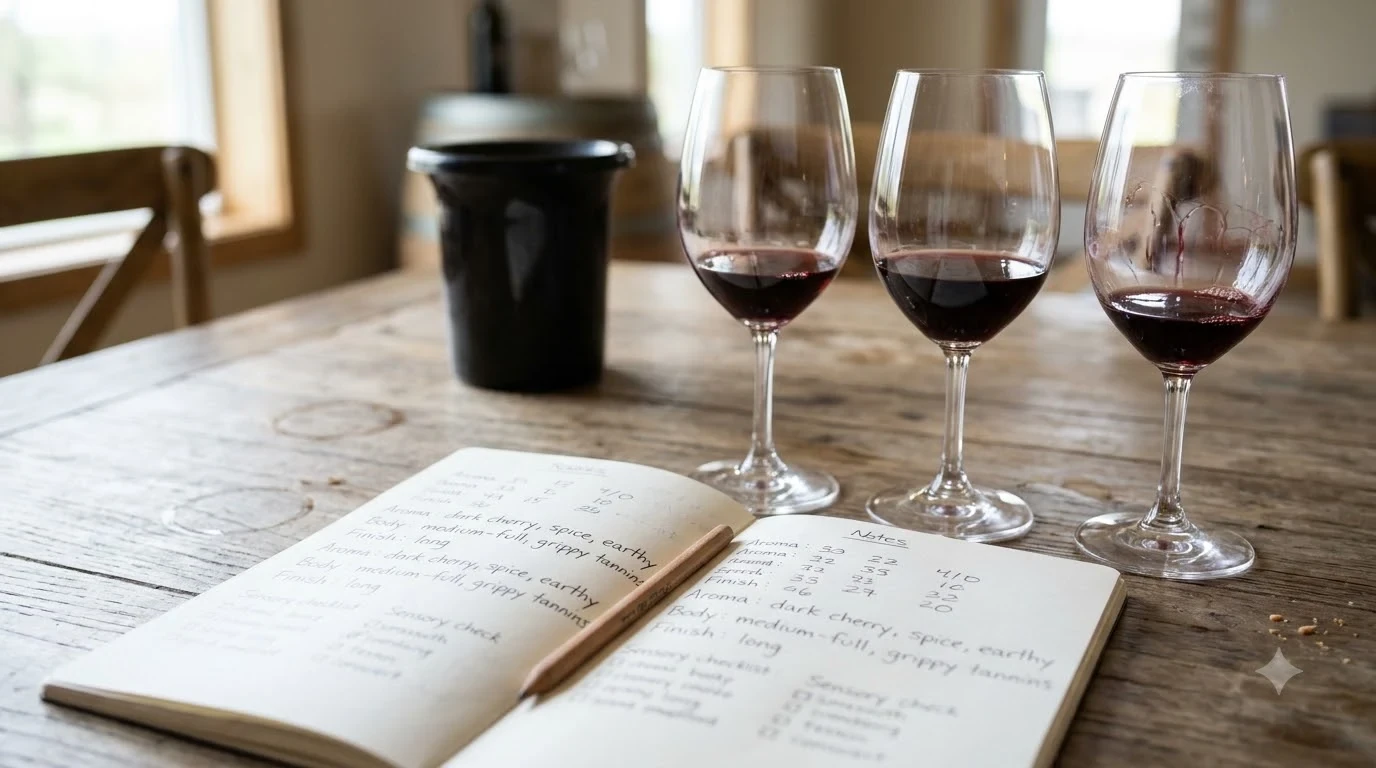
Red wine enthusiasts should begin around Montefalco, east of Perugia. The area is closely associated with Sagrantino, a distinctive grape responsible for Montefalco Sagrantino DOCG. These wines are recognized for substantial tannins, concentrated fruit, and considerable structure. They suit drinkers who appreciate Cabernet Sauvignon, structured Italian reds, and wines that develop additional complexity with bottle age. Montefalco is also an excellent destination for travelers interested in pairing tastings with medieval architecture and countryside walks.
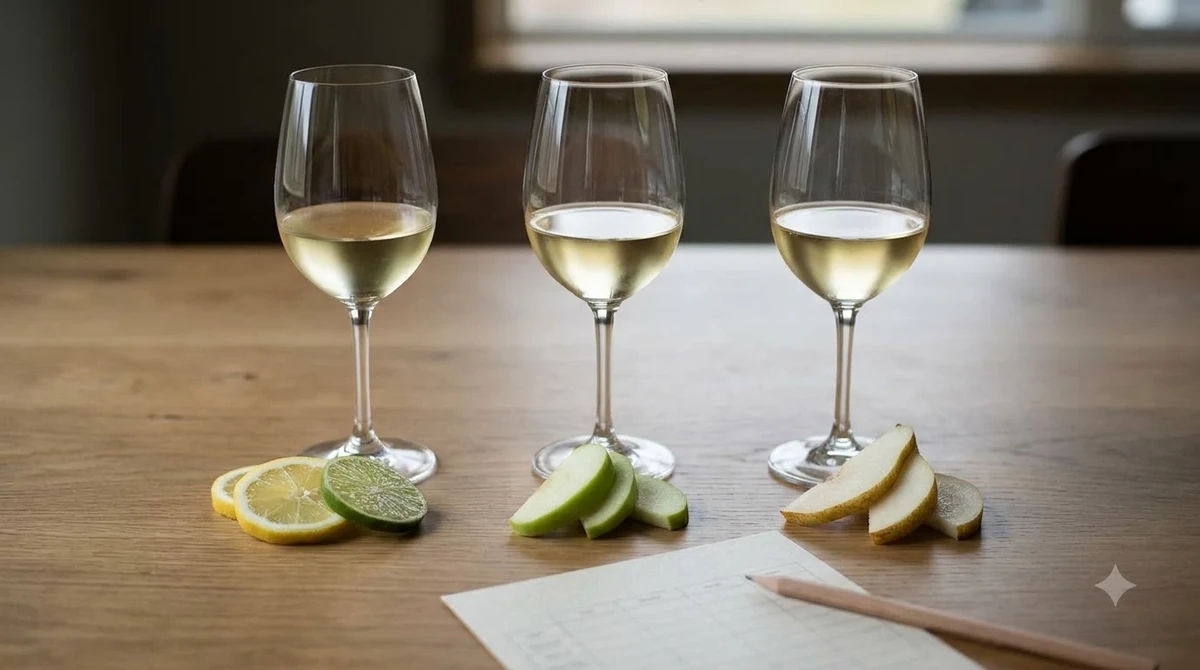
Visitors who prefer white wines should consider Orvieto, where the regional DOC includes wines made with Trebbiano and Grechetto. Styles range from dry, refreshing bottles to sweet wines with more concentrated aromas. Torgiano and Lake Trasimeno offer additional variety, particularly for travelers interested in Sangiovese-based reds and distinctive local grape traditions.
Umbria also works well for visitors who want more than a tasting counter. Some estates organize vineyard walks, cellar tours, food pairings, and longer educational sessions. The regional tourism information published by Italia.it describes vineyard activities, artisan workshops, meals among the vines, and experiences with local winemakers. Visitors interested in a broader itinerary can also explore the Routed from Learn resource for practical wine-selection advice before traveling.
Key Factors to Compare When Choosing Umbria Wineries
The strongest winery choice is not necessarily the largest or most famous estate. Compare the area’s grape varieties, tasting format, appointment requirements, location, and food options before deciding where to spend your time.
Start with the wine itself. Montefalco is the natural destination for Sagrantino, while Torgiano is especially interesting for Sangiovese-based reds. Orvieto is a stronger match for white wine drinkers, and the Trasimeno area provides an opportunity to explore local Gamay, which is actually Grenache rather than the French Gamay grape.
Next, compare the visitor experience. A short tasting might be sufficient for someone who wants to sample three wines before continuing to another town. A guided vineyard and cellar visit offers more value to visitors interested in how grapes are grown, harvested, fermented, and aged. Arnaldo Caprai, for example, offers experiences ranging from a 90-minute introductory visit to a three-hour Signature Collection experience.
| Comparison factor | What to look for | Best regional match |
|---|---|---|
| Signature red wine | Structured wines with powerful tannins | Montefalco |
| Traditional red blend | Sangiovese with possible Merlot and Cabernet Sauvignon | Torgiano |
| Fresh red wine | Grenache-based local wines with smooth tannins | Lake Trasimeno |
| Dry white wine | Trebbiano and Grechetto expressions | Orvieto |
| Sweet wine | Botrytized wines with honeyed and dried-fruit character | Orvieto |
| In-depth winery education | Vineyard, production, and barrel-cellar visits | Montefalco |
| Food and wine experience | Guided tastings with regional specialties | Montefalco and Trasimeno |
| Wine and sightseeing | Historic towns, architecture, and vineyard landscapes | Orvieto and Torgiano |
Another important consideration is transportation. Wineries are distributed across several countryside areas rather than concentrated in one walkable district. A visit near Montefalco may work well with a day exploring Bevagna, while Orvieto wineries fit naturally into a sightseeing itinerary focused on the cathedral and historic underground passages.
Finally, compare the amount of time each experience requires. A 90-minute visit leaves room for additional sightseeing, whereas a three-hour tasting deserves a more relaxed schedule. Avoid planning multiple lengthy tastings too close together. The quality of the experience is more important than the number of winery stops.
Tip: Book your winery appointments before finalizing your driving itinerary. Many Umbrian estates arrange visits by reservation, and countryside locations can take longer to reach than their map distances suggest.
Step-by-Step: How to Plan an Umbrian Winery Visit
A successful wine trip begins with a regional focus and a realistic schedule. Choose one principal wine area, identify the tasting experiences that interest you, and leave enough time for meals and sightseeing.
- Choose your preferred wine style. Start with Montefalco if you enjoy structured Sagrantino, Torgiano for Sangiovese-based reds, Orvieto for white wines, or Trasimeno for distinctive Grenache-based reds.
- Select a convenient base town. Perugia offers access to Torgiano and the surrounding countryside, while Montefalco and Orvieto are useful bases for exploring their respective wine areas. Assisi can also work for visitors interested in the central Umbrian countryside.
- Identify two or three suitable wineries. Compare their tasting menus, vineyard tours, cellar visits, and food options. Give priority to experiences that offer something different rather than booking several nearly identical tastings.
- Check appointment requirements. Contact the winery directly to confirm availability, languages offered, tasting duration, and whether food is included. Even estates advertising regular daily experiences may require advance reservations.
- Choose an educational or introductory tasting. Beginners may prefer a guided introduction to regional grapes, while experienced collectors might choose vertical tastings or focused Sagrantino sessions.
- Build in a meal and sightseeing stop. Allow time for Umbrian specialties such as local cheeses, cured meats, truffles, and traditional flatbread. Consider visiting a historic village between appointments.
- Arrange responsible transportation. Use a designated driver, private transfer, or organized wine tour. This is particularly important when visiting multiple rural estates with guided tastings.
A practical first itinerary could focus on Montefalco for a morning winery visit, followed by lunch and an afternoon exploring the town. Another option is to combine an Orvieto tasting with a visit to the cathedral and the underground cave network. These approaches provide a more complete regional experience than trying to cover every wine district in one day.
For travelers interested in a specific estate, Arnaldo Caprai provides a useful example of a clearly organized visitor program. Its Tour & Food experience includes a vineyard walk, winery production explanations, a barrel-cellar visit, and a guided tasting. The winery publishes morning and afternoon appointment times, and the experience lasts approximately 90 minutes. Details are available on the official Arnaldo Caprai visits and tastings page.
Types of Umbria Wineries and Wine Styles Explained
Umbria’s wine regions are best understood through their signature grapes and denominations. Montefalco, Torgiano, Orvieto, and Trasimeno provide four distinct starting points for choosing wineries and understanding what you are likely to taste.
Montefalco: Sagrantino and Montefalco Rosso
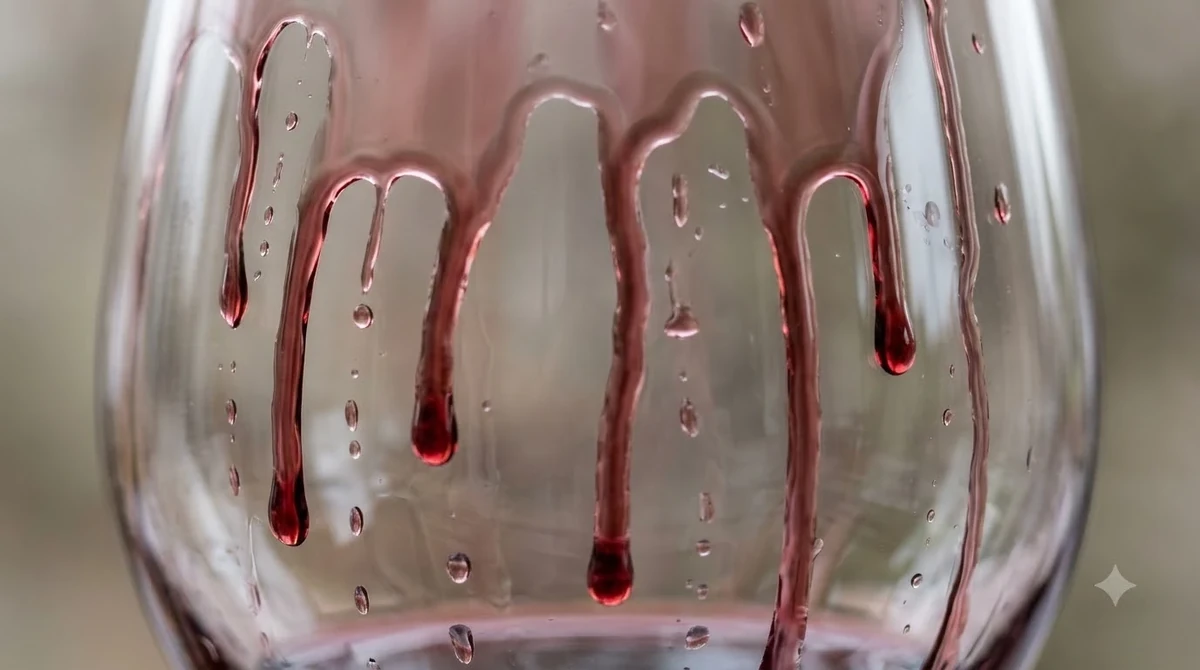
Montefalco is the first destination to consider for serious red wine enthusiasts. Its best-known wine, Montefalco Sagrantino DOCG, is produced from Sagrantino and is distinguished by powerful tannins, concentrated fruit, and considerable structure. Typical aromatic characteristics can include forest berries, chocolate, black pepper, licorice, and balsamic notes.
Sagrantino is not necessarily the easiest wine for someone who prefers light, delicate reds. Its substantial tannin structure makes it better suited to rich foods, grilled meats, and dishes with enough fat and protein to balance its intensity. Visitors should also explore Montefalco Rosso, which offers another perspective on the area’s red wine traditions.
Arnaldo Caprai is a particularly useful winery to consider in this district. Its published tasting program includes Montefalco Rosso DOC, Montefalco Sagrantino DOCG Collepiano, and Colli Martani Grechetto DOC Grecante. This combination allows visitors to compare a regional red, the area’s signature Sagrantino, and a local white wine within one guided experience.
Torgiano: Sangiovese-Based Red Wines
Torgiano is located south of Perugia and is associated with Torgiano Rosso Riserva DOCG. Sangiovese is central to the regional red wine identity, with Merlot and Cabernet Sauvignon also appearing in blends. These wines can show blackberry, plum, pepper, tobacco, leather, and sweet spice characteristics associated with wood aging.
Choose Torgiano if you want to understand how Umbria interprets familiar Italian red wine grapes. It is also a convenient destination for combining winery visits with cultural attractions. The town has a Wine Museum and an Olive Oil Museum, providing additional context for the region’s agricultural traditions.
Lake Trasimeno: Local Grenache and Regional Diversity
The vineyards around Lake Trasimeno offer a different experience from the more structured reds of Montefalco. The representative denomination is Colli del Trasimeno DOC, and one of its distinctive local grapes is called Trasimeno Gamay. Despite its name, this grape is Grenache, also known as Garnacha in Spain.
Wines made from Trasimeno Gamay can feature red berries, gentle spice, balanced acidity, and smooth tannins. They provide an appealing alternative for visitors who find Sagrantino too powerful. The area’s lakeside villages, including Castiglione del Lago, also make attractive stops between tastings.
Orvieto: Dry Whites and Sweet Wines
Orvieto is one of Umbria’s most recognizable wine destinations, particularly for white wine lovers. Orvieto DOC includes wines made with Trebbiano and Grechetto, with styles ranging from dry and savory to sweet and concentrated.
Dry Orvieto wines can offer peach, yellow flowers, and refreshing mineral impressions. More complex examples may show honey and dried-fruit characteristics. Orvieto Muffato is particularly distinctive because it uses grapes affected by noble rot, resulting in flavors that can include candied fruit, saffron, vanilla, and honey.
Visitors can combine winery appointments with the city’s Gothic cathedral and underground caves carved into the local tuff rock. This makes Orvieto especially attractive for travelers who want a mixture of wine, architecture, and regional history.
Common Mistakes When Choosing Umbria Wineries
The most common mistake is treating Umbria as a single wine destination rather than a collection of distinct areas. A better itinerary recognizes the differences between Montefalco’s powerful reds, Orvieto’s whites, Torgiano’s Sangiovese wines, and Trasimeno’s regional grape varieties.
Another mistake is assuming that every winery specializes in the same type of experience. Some estates concentrate on introductory tastings, while others offer vineyard walks, barrel-cellar tours, technical explanations, or food pairings. A visitor looking for an educational experience may be disappointed by a simple tasting-counter appointment, even if the wines themselves are excellent.
Do not overlook the importance of advance reservations. Umbria Wine Tours describes the region’s wineries as a mixture of larger historic producers and smaller family-run estates, with many tours and tastings arranged by reservation. A winery’s presence in a destination guide does not automatically mean it accepts walk-in visitors every day.
Another error is choosing wines based solely on grape familiarity. Trasimeno Gamay is Grenache rather than French Gamay, for example, and Sagrantino has a very different tannin profile from softer red grapes. Understanding these distinctions makes tastings more interesting and helps visitors select bottles they will actually enjoy.
Finally, avoid overloading the schedule. Two carefully chosen winery experiences with time for lunch and sightseeing are often more rewarding than four rushed appointments. A longer tasting can involve several wines, regional food, and detailed explanations, so allow enough time to appreciate each experience.
Travelers comparing Italian wine destinations can also look at the best Temecula wineries and best Paso Robles wineries to understand how different wine regions organize tastings, tours, and visitor facilities. These destinations offer a useful contrast to Umbria’s historic Italian estates and denomination-focused wine culture.
Wine Care, Serving, and Storage Tips After Your Visit
Buying bottles at an Umbrian winery is only part of the experience. Proper transportation, serving temperature, and storage help preserve the character of the wines, particularly structured Sagrantino and age-worthy regional reds.
Start by considering the style of wine you have purchased. Full-bodied reds such as Montefalco Sagrantino generally show their structure best at approximately 60 to 65 degrees Fahrenheit. Lighter reds, including more approachable expressions from Trasimeno, can be served slightly cooler at 55 to 60 degrees Fahrenheit. White Orvieto wines are generally best at 45 to 50 degrees Fahrenheit when light and fresh, while fuller white wines benefit from approximately 50 to 55 degrees Fahrenheit.
Temperature matters because excessively warm red wine can make alcohol feel more prominent, while very cold reds can seem harder and more tannic. Similarly, serving delicate whites too warm can reduce their refreshing character. If a bottle has traveled in warm weather, allow it to return to an appropriate serving temperature before opening.
Storage is equally important. Keep bottles away from direct sunlight, radiators, and repeated temperature changes. For cork-sealed bottles intended for longer storage, a horizontal position helps maintain contact between the wine and cork. A cool storage environment near 55 degrees Fahrenheit is a useful target, provided temperatures remain relatively stable.
Young, full-bodied reds may benefit from decanting for approximately 30 to 60 minutes before serving. This can help soften their initial impression and allow aromatic characteristics to develop. Sagrantino is a particularly interesting candidate for this approach, although the appropriate aeration time depends on the bottle’s age and structure.
Food pairing can make regional wines even more enjoyable. Sagrantino’s firm tannins work well with fatty meats and rich dishes because fat helps soften the perception of tannin. Sangiovese-based Torgiano reds can complement tomato-based dishes and grilled meats, while crisp Orvieto whites are natural companions for lighter seafood dishes and fresh cheeses. Sweet Orvieto wines should generally be served with desserts that are no sweeter than the wine itself.
After opening a bottle, refrigerate remaining still wine and aim to finish it within approximately three to five days. Use a suitable closure to limit oxygen exposure. Sparkling wines generally retain their quality for approximately one to three days when properly sealed and refrigerated. These simple practices help preserve bottles purchased during a winery visit and make it easier to enjoy them after returning home.
Travelers planning another Italian-inspired wine trip can also explore Fredericksburg wineries for a different regional approach to wine tourism, tasting rooms, and local food pairings.
Frequently Asked Questions
Is Umbria a good alternative to Tuscany for wine tourism?
Yes. Umbria offers a different selection of native grapes and wine experiences, including Sagrantino, Grechetto, and Trasimeno Gamay. It also has important historic wine towns such as Montefalco, Torgiano, and Orvieto, making it an appealing destination for travelers interested in exploring central Italy beyond Tuscany.
What is the difference between Sagrantino and Sangiovese?
Sagrantino is particularly associated with high tannin concentration and powerful structure, while Sangiovese is known for its characteristic acidity and red-fruit profile. Sagrantino is strongly identified with Montefalco, whereas Sangiovese is central to Torgiano Rosso Riserva DOCG. Their contrasting structures make them useful wines to compare during an Umbrian tasting trip.
Can visitors find organic wineries in Umbria?
Yes, organic wine production is represented among Umbrian producers. Visitors should distinguish certified organic production from integrated farming or wineries transitioning toward organic practices. Ask individual estates about their certification, vineyard management, and winemaking practices before booking a specialized tasting.
What is the traditional sweet wine of the Trasimeno area?
Vin Santo DOC Colli del Trasimeno is one traditional sweet wine associated with the area. It is made using Trebbiano and Malvasia grapes that are dried on racks before fermentation in small barrels. Some examples undergo extended maturation, developing aromas of apricot syrup, caramel, and other concentrated dried-fruit characteristics.
What should visitors bring to a winery tasting in Umbria?
Comfortable walking shoes are useful for vineyard and cellar visits, particularly on uneven countryside paths and stone floors. Bring your reservation confirmation, a reusable water bottle, and a small notebook if you want to record grape varieties and favorite bottles. Visitors planning to purchase wine should also ask whether the winery offers suitable protective packaging for transportation.
The best umbria wineries offer much more than bottles to take home: they provide a closer look at the region’s grapes, food traditions, landscapes, and historic communities. Start with Montefalco for Sagrantino, explore Torgiano for Sangiovese, and include Orvieto or Trasimeno if you want a broader picture of Umbrian wine. With advance reservations and a carefully planned itinerary, a winery visit can become one of the most memorable parts of a trip through central Italy.
More in Wine Buying Guides
 Cheap Red Blend: How to Find a Flavorful Bottle for LessUpdated Nov 20, 2026
 Pinot Grigio Gift: How to Choose a Bottle They’ll EnjoyUpdated Nov 20, 2026
 Best White Wine at Total Wine for Every MealUpdated Nov 20, 2026
 Wine Fridge Replacement Shelves: Find the Right FitUpdated Nov 20, 2026
 Best Sparkling Wine Under 20: Find Bubbles Worth BuyingUpdated Nov 20, 2026
 Best Wine For Birthday Celebrations With Perfect Party PairingsUpdated Nov 20, 2026