

We may earn a commission when you buy through links on this page, at no extra cost to you. Learn more.
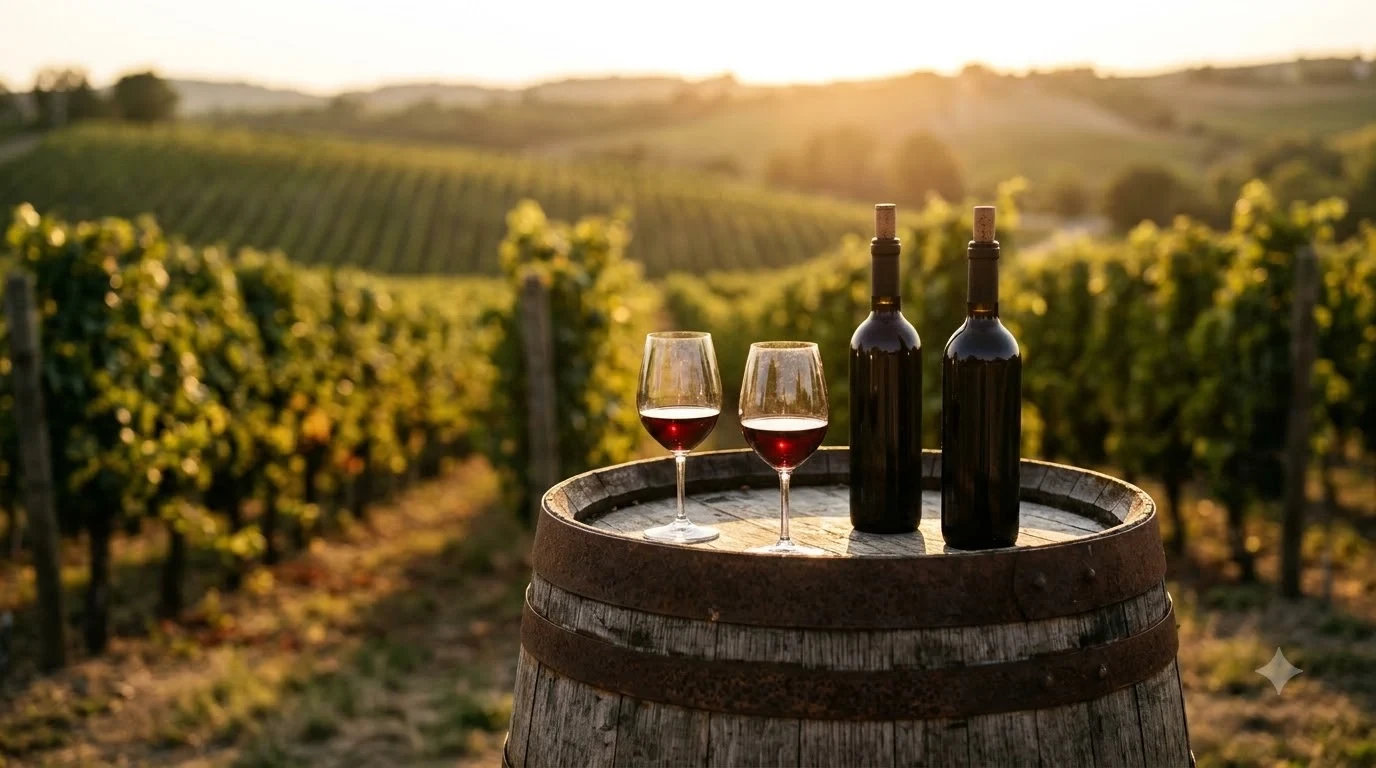
The umbria wine region is Italy’s only landlocked territory, positioned in the center of the peninsula between Tuscany, Marche, and Lazio, where winemakers produce age-worthy red wines from Sagrantino and Sangiovese alongside crisp whites from Grechetto and Trebbiano. Known widely as the “Green Heart of Italy,” Umbria features two DOCG appellations—Montefalco Sagrantino and Torgiano Rosso Riserva—and 13 DOC zones spread across rolling hills and river valleys. Although white wine accounts for roughly 60 percent of the region’s total production, Umbria has earned global acclaim for its deeply structured, tannic reds that rival neighboring Tuscan icons.
Often overshadowed by its famous neighbor to the west, Umbria offers wine lovers a quieter, less crowded window into central Italian viticulture. Its vineyards climb gentle hills dotted with medieval stone towns, olive groves, and ancient Etruscan cellars carved directly into volcanic rock. Whether you are exploring broader Wine Regions across Europe or comparing central Italian reds to the structured styles of the graves wine region, Umbria rewards anyone willing to look beyond household labels.
Overview of the Umbria Wine Region
Umbria’s viticultural identity stems from its inland geography, hilly topography, and centuries-old winemaking heritage dating back to the Etruscans and Romans. Without a coastline to moderate summer heat, the region relies on elevation, Apennine mountain breezes, and inland waterways like the Tiber River and Lake Trasimeno to preserve freshness in its grapes.
According to Wine Folly, Umbria encompasses 13 distinct wine zones, anchored by a trio of internationally recognized appellations: Orvieto, Torgiano, and Montefalco. While white grapes dominated the region’s commercial reputation throughout the twentieth century, modern producers have transformed umbria wine by championing native red varieties and hillside vineyard sites.
Soils across Umbria vary dramatically from one hillside to the next, directly shaping what ends up in the glass. Around Orvieto in the southwest, vines sink their roots into porous volcanic tuff and clay, imparting a distinct savory minerality to white wines. Further east around Montefalco and Torgiano, sedimentary clay, gravel, and limestone soils dominate, providing the drainage and mineral tension needed for concentrated, long-lived red wines.
Key Sub-Regions and Appellations
The umbria wine region is organized around two prestigious DOCG zones and 13 DOC appellations, with Montefalco, Torgiano, and Orvieto representing the core pillars of quality. Each sub-region specializes in distinct grape varieties and aging traditions dictated by local terrain and Italian wine law.
| Appellation | Classification | Primary Grapes | Minimum Aging & Key Style |
|---|---|---|---|
| Montefalco Sagrantino | DOCG | 100% Sagrantino | 37 months total (including 12 months in oak); full-bodied, intensely tannic dry red or sweet Passito |
| Torgiano Rosso Riserva | DOCG | 50–70% Sangiovese, 15–30% Canaiolo | 3 years total (minimum 6 months in bottle); structured, savory, age-worthy red from elevated hillside sites |
| Montefalco Rosso | DOC | 60–70% Sangiovese, 10–15% Sagrantino | 18 months (30 months for Riserva); approachable, spiced ruby red |
| Orvieto / Orvieto Classico | DOC | Minimum 40% Grechetto, 20–40% Trebbiano (Procanico) | No mandatory oak aging; crisp, dry, mineral-driven white wine |
Montefalco sits in the hills southeast of Perugia and serves as the spiritual home of Sagrantino. Elevated to DOCG status in the 1990s, Montefalco Sagrantino mandates 100 percent Sagrantino grapes and a minimum aging period of 37 months before release, ensuring the wine’s massive tannins begin to soften. Within the exact same geographical zone, winemakers also produce Montefalco Rosso DOC, a more accessible blend led by Sangiovese with a supporting splash of Sagrantino, Merlot, or Cabernet Sauvignon.
Torgiano, a small commune south of Perugia near the confluence of the Tiber and Chiascio rivers, gained international fame largely through the efforts of a single pioneering family. Its flagship Torgiano Rosso Riserva DOCG sources fruit exclusively from elevated vineyard sites rather than valley flatlands, producing refined, Sangiovese-dominant reds built to mature for a decade or longer.
Orvieto anchors southwestern Umbria, where the historic city perches atop a dramatic cliff of volcanic stone. The Orvieto DOC—and its historic core, Orvieto Classico—spans terraced hillsides surrounding the town, yielding dry, refreshing white blends centered on Grechetto and Trebbiano Toscano, known locally as Procanico. Smaller appellations such as Colli Martani, Todi, Colli del Trasimeno, and Lago di Corbara round out the region, offering everything from single-varietal Grechetto to international red blends.
Signature Grapes and Wine Styles
Umbrian vineyards balance widely planted central Italian staples—led by Sangiovese at 22 percent, Trebbiano at 17 percent, and Grechetto at 13 percent of regional plantings—with the fiercely local Sagrantino grape. Together, these varieties yield an impressive spectrum of styles ranging from zesty aperitif whites to some of the most tannic red wines on earth.
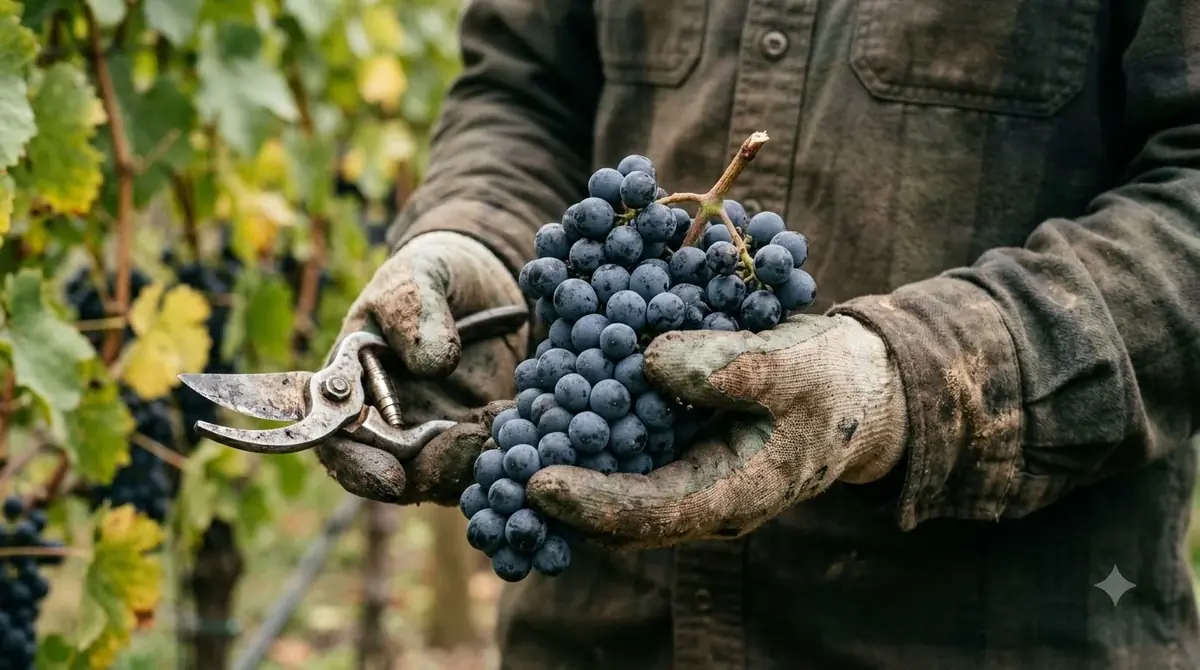
Sagrantino is Umbria’s undisputed calling card. Thick-skinned and packed with polyphenols, this indigenous red variety produces an inky purple wine bursting with blackberry, plum, dark cherry, cinnamon, and dried herbs. Reviewers at Wine Folly note that Sagrantino’s tannin structure mirrors pure cocoa powder, giving well-cellared bottles the backbone to age for 30 years or more. Alongside the dry version, producers craft Montefalco Sagrantino Passito, a traditional sweet wine made from grapes dried on mats for at least two months, where lush berry sweetness balances the grape’s natural grip.
Sangiovese acts as the versatile workhorse across Umbria’s red appellations. In Torgiano Rosso Riserva, it delivers bright raspberry, sour cherry, violet, leather, and cocoa nuances framed by tangy acidity. In Montefalco Rosso, Sangiovese brings vibrant red-fruit lift and juiciness that temper the heavier, brooding weight of Sagrantino, creating a medium- to full-bodied red suited for drinking three to ten years past vintage.
Grechetto and Trebbiano (Procanico) define Umbria’s white wine identity. Grechetto contributes body, stone-fruit richness, citrus zest, and a subtle blanched-almond finish, making it a compelling Italian alternative to Pinot Gris or unoaked Chardonnay. When blended with crisp, high-acid Procanico in Orvieto Classico, the resulting wines feel bright and saline on the palate, though top single-vineyard versions fermented in oak or amphora show remarkable aging potential.
Notable Producers in Umbria
Umbria’s modern reputation rests on a blend of historic family estates that modernized local appellations and boutique, quality-focused wineries reviving ancient vineyard traditions. Exploring bottles from these established names provides a clear benchmark for what the region can achieve.
In Torgiano, Lungarotti is synonymous with the appellation’s rise to prominence. The family winery put Torgiano on the international map with its Rubesco Rosso di Torgiano and its flagship single-vineyard Rubesco Vigna Monticchio Torgiano Rosso Riserva, demonstrating how elevated Umbrian Sangiovese can rival Tuscany’s finest cellar reds.
Around Montefalco, Arnaldo Caprai played a decisive role in rescuing Sagrantino from near-obscurity in the late twentieth century through clonal research and modern cellar techniques. In the same hills, Paolo Bea represents the region’s traditionalist, minimal-intervention soul, crafting long-macerated, unfiltered Sagrantino and Trebbiano wines prized by collectors worldwide. Other respected Montefalco estates highlighted by wine critics include Perticaia, Montioni, and Tenute Lunelli, whose Carapace estate crafts Sagrantino inside a striking tortoise-shell-shaped winery.
In the white-wine heartland of Orvieto and Todi, estates like Palazzone and Cantine Neri showcase the age-worthiness of Grechetto and old-style field blends fermented in Etruscan caves. Meanwhile, Cantina Roccafiore near Todi draws acclaim for organic, lees-aged Grechetto di Todi as well as supple Sangiovese reds.
Visiting Tips for Wine Travelers
Traveling through the umbria wine region offers an intimate, unhurried experience compared to the busy tasting rooms of Chianti or Montalcino. Because vineyards are spread across winding hilltop roads and small medieval communes, renting a car is the most practical way to explore.
Visitors can follow official mapped itineraries known as Strade del Vino, including the Strada del Sagrantino linking Montefalco, Bevagna, and Gualdo Cattaneo, or the Strada dei Vini Etrusco Romana around Orvieto and Todi. Unlike Napa Valley, most Umbrian estates remain small, family-run operations where appointments are essential. Booking tastings several days in advance often results in a personal tour led by the winemaker or estate owner, frequently featuring underground Etruscan caves and estate-pressed olive oil.
Tip: When opening a young bottle of Montefalco Sagrantino DOCG at home, decant it for at least one to two hours and serve it slightly cool—around 64 to 68°F (18 to 20°C)—to soften its firm tannins and open up its dark fruit and spice aromas.
How to Buy and Pair Umbrian Wines
Navigating Umbrian wine labels in a US wine shop is straightforward once you match the appellation to your meal and timeline. Because Umbria remains less commercialized than neighboring regions, its bottles consistently deliver strong character relative to their peers.
If you want a red wine for tonight’s dinner, look for Montefalco Rosso DOC or a standard Torgiano Rosso DOC. Their Sangiovese core provides bright acidity and supple red berry flavors that pair effortlessly with tomato-based pasta, roast chicken, grilled sausages, or aged pecorino cheese. Save Montefalco Sagrantino DOCG and Torgiano Rosso Riserva DOCG for special occasions, cellar aging, or rich, high-protein dishes like braised wild boar, roasted lamb, grilled ribeye, or Umbria’s signature herb-stuffed porchetta.
For white wine buyers, an Orvieto Classico Superiore or a single-varietal Grechetto from Todi or Colli Martani offers crisp citrus, orchard fruit, and savory minerality. Serve these whites well chilled at 45 to 50°F alongside antipasti platters, roasted vegetables, freshwater fish from Lake Trasimeno, or creamy truffle pasta.
Frequently Asked Questions
What is the umbria wine region best known for?
The umbria wine region is most famous for Montefalco Sagrantino DOCG, a deeply colored, intensely tannic red wine made from the native Sagrantino grape, and Orvieto DOC, a crisp dry white blend based on Grechetto and Trebbiano. It is also renowned for Torgiano Rosso Riserva DOCG, an age-worthy Sangiovese-led red wine from elevated hillside vineyards.
How does Umbrian wine compare to Tuscan wine?
Both regions rely heavily on Sangiovese and share rolling Apennine hill terrain, yet Umbria is entirely landlocked and places greater emphasis on native grapes like Sagrantino and Grechetto. While Tuscan reds like Chianti Classico lean into bright cherry and savory herb notes, Umbrian Montefalco reds tend to be darker, denser, and more tannic.
Is Umbria wine sweet or dry?
The vast majority of wine produced in Umbria is completely dry, including Orvieto Classico, Montefalco Rosso, Torgiano Rosso Riserva, and standard Montefalco Sagrantino. However, the region also produces traditional sweet wines, most notably Montefalco Sagrantino Passito—a rich, tannic dessert red made from air-dried Sagrantino grapes—and occasional sweet styles of Orvieto.
How long should you age Montefalco Sagrantino?
Because Sagrantino possesses higher tannin levels than almost any other red grape, most bottles benefit from at least five to ten years of bottle age after release. Top vintages of Montefalco Sagrantino DOCG stored in a cool cellar can easily evolve for 15 to 30 years, gradually trading youthful astringency for complex notes of dried cherry, leather, cocoa, and sweet pipe tobacco.
From the volcanic cliffs of Orvieto to the sun-drenched hills of Montefalco, Umbria delivers an authentic, deeply rooted wine experience without the crowds of Italy’s more commercialized territories. Much like exploring the distinct volcanic terroir of the campania wine region further south, uncorking a bottle from Umbria rewards curious drinkers with indigenous grapes, unmistakable sense of place, and remarkable aging potential.
More in Wine Regions
 Willcox Wine Trail: Discover Arizona’s High-Elevation Wine CountryUpdated Nov 20, 2026
 Yakima Valley Wine Region: Find the Best Styles to TryUpdated Nov 20, 2026
 Vosne Romanee Wine Tasting: Identify Aromas and Choose Better PairingsUpdated Nov 20, 2026
 Yakima Valley Wine Festival: Find the Best Seasonal Wine EventsUpdated Nov 20, 2026
 Wales Vineyards: Discover Cool-Climate Wines and Where to VisitUpdated Nov 20, 2026
 Yountville Wine Festival: Discover Napa Wines and Local FoodUpdated Nov 20, 2026