

We may earn a commission when you buy through links on this page, at no extra cost to you. Learn more.
The campania wine region is Italy’s southern wine area, centered near Naples, known for volcanic soils and native grapes such as Aglianico, Fiano and Falanghina. Its winemaking history is among the oldest in the country. Today its wines range from structured reds to mineral, age-worthy whites.
This guide explains what sets the region apart, how its geography shapes the wines, and which grapes and appellations matter most. It also covers producers to look for, food pairings, and practical tips for buying and storing bottles in the United States.
What Is the Campania Wine Region?
Campania is a wine region in southern Italy whose vineyards sit near the city of Naples and inland in the hills of Irpinia. It is one of the country’s oldest wine producers, and many of its wines come from grapes that are native to the area rather than imported varieties.
According to a wine writer’s Campania overview, the region’s geography runs from the Amalfi Coast to the Apennine Mountains. That mix of sea, volcano and mountain gives the region a wide range of growing conditions within a fairly small area.
History is a big part of the story. Sources describe wine production here dating back to ancient times, and the area is known for Falerno, a wine mentioned in several historic texts. If you want a broader view of the region’s wine styles, our campania wine guide covers the basics in more detail.
Geography, Climate and Volcanic Soils
The region’s vineyards are shaped by Mount Vesuvius and the mountains to the inland side. Two or three factors explain most of the differences between the wines you will see on a shelf.
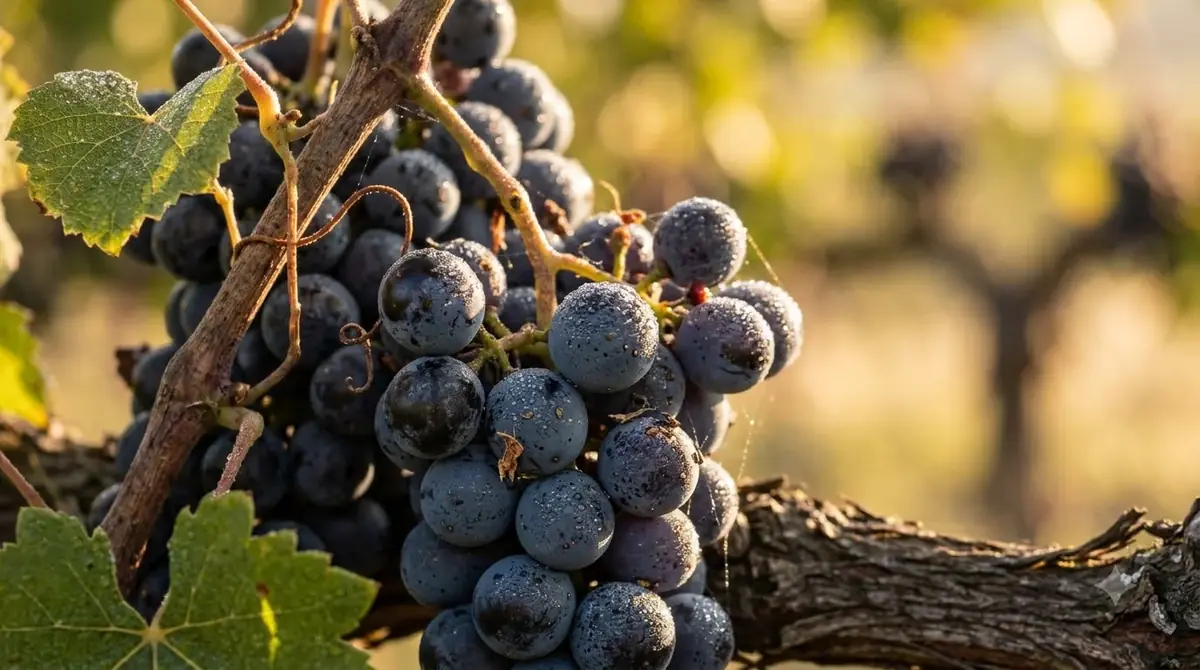
Volcanic soil is the most distinctive feature. Ash from ancient eruptions of Vesuvius covers many vineyards, and limestone and clay appear in other parts of the region. Wines grown on volcanic ground often show a mineral edge that wine writers describe as flinty or smoky.
Climate varies sharply from place to place. Warm maritime air off the Mediterranean reaches the coastal vineyards, while higher inland subregions such as Irpinia have cooler mountain air and higher elevations. These contrasts create microclimates, so two vineyards only a short drive apart can produce very different wines.
For the drinker, this means the place of origin matters. Coastal and Vesuvius wines tend to be lighter and saline, while inland wines from the Irpinia hills often show more structure and age potential. Reading the appellation on the label gives you a good clue about the style you will get.
Key Grape Varieties: Aglianico, Fiano and Falanghina
Three grapes do most of the heavy lifting in Campania. Aglianico makes the region’s serious reds, while Fiano and Falanghina are the core white varieties, with Greco, Piedirosso and Coda di Volpe playing supporting roles.
- Aglianico: the region’s primary grape, with high acidity, firm tannin and a typical profile of tart cherry, plum, dried herbs and leather.
- Fiano: an aromatic white with notes of pear, green apple, honey and hazelnut, grown most notably around Avellino.
- Falanghina: a lighter white often described as easy to drink, with green apple, pear and a floral lift.
Aglianico deserves special attention because it is grown widely on volcanic soils and can age for years. Young examples may feel austere, but they soften with time in bottle. Fiano shows a different side of the region, and an encyclopedia entry on the Wikipedia’s Fiano grape entry notes its long history in Campania and its link to the ancient Roman wine Apianum.
Falanghina is often the easiest entry point for newer wine drinkers. It is lighter and fresher than Fiano or Greco, which makes it a good everyday white. If you are exploring the region’s grapes next to those of another Italian area, our umbria wine region guide offers a useful comparison.
Major DOC and DOCG Appellations
Campania has several protected designations, and the DOCG rules are the strictest. Reading these rules helps you understand why some bottles cost more and age longer than others.
| Appellation | Main grape | Key rules and facts from sources |
|---|---|---|
| Taurasi DOCG | Aglianico | At least 85% Aglianico; reds age at least 3 years, including 1 in barrel; Riserva ages at least 4 years |
| Aglianico del Taburno DOCG | Aglianico | A second DOCG for Aglianico, with a softer profile than Taurasi according to regional guides |
| Fiano di Avellino DOCG | Fiano | At least 85% Fiano; minimum 11.5% alcohol; Riserva ages at least 1 year |
| Greco di Tufo DOCG | Greco | At least 85% Greco with up to 15% Coda di Volpe; includes metodo classico sparkling styles |
| Irpinia DOC | Fiano, Greco, Aglianico and others | Broader rules than the DOCGs, often used for more everyday bottlings |
The Taurasi DOCG is the region’s most famous red, and its longer aging requirements explain why these wines are built for the cellar. Producers must hold the wine for several years before release, which adds time and cost to every bottle. Check the label for the designation and any Riserva marking, since these words signal the aging rules behind the wine.
The Greco di Tufo and Fiano di Avellino DOCGs cover the region’s best-known whites. Both share the Avellino growing zone, so many estates produce wines from both. Irpinia DOC offers a looser framework for producers who want to experiment or who want a less formal bottle. Wine writers often point to it as a practical choice when you want the same grapes with fewer rules.
Notable Producers and Food Pairings
Several producers are often cited when people talk about this region. Mastroberardino is linked in sources to preserving Aglianico and Fiano through the 20th century. Feudi di San Gregorio, based near Tufo, is named by one guide as a producer that brought Greco di Tufo to international wine lists.
Another producer, Vini Contrada, is described by a wine writer as a family estate in Irpinia that has farmed vines since the early 1900s. The same writer praises its Fiano di Avellino Riserva for citrus, honey and hazelnut notes. Ask your local wine shop for producers from Irpinia if you want to explore the region’s best-known whites.
Food pairing follows the wine’s style. Fresh whites like Falanghina suit seafood and light starters, while Fiano and Greco match richer dishes such as roasted fish or creamy pasta. Aglianico reds pair well with grilled meats and hearty tomato-based dishes. Sources also mention buffalo mozzarella, Neapolitan street food and ragù as classic partners for the region’s wines.
How to Buy and Store Campania Wine
Buying Campania wine is easiest when you know the designation and grape. Look for the DOCG or DOC name on the label, the grape variety and the vintage year. Those three details tell you most of what you need before you open a bottle.
- Choose the style first: a white like Falanghina for everyday drinking, or an Aglianico for a more serious red.
- Check the appellation and whether the label says Riserva, since Riserva means a longer aging requirement.
- Ask a retailer about recent vintages, especially for the Taurasi and Fiano Riservas that are meant for aging.
- Store bottles on their side in a cool, dark place with steady temperature, especially if you plan to age them.
- Serve whites chilled and reds slightly below room temperature, and drink responsibly.
Storage matters more for reds meant to age. Aglianico and Taurasi need time and stable conditions to develop, so a closet away from heat or sunlight works well. Whites like Falanghina are best drunk young, while many Fiano and Greco wines can develop for several years when stored properly.
Frequently Asked Questions
What is the campania wine region known for?
The region is known for volcanic soils, ancient winemaking roots and native grapes. Aglianico is the main red, while Fiano, Greco and Falanghina lead the whites. Several DOCG appellations, including Taurasi and Fiano di Avellino, anchor its reputation.
What grape is the campania wine region most famous for?
Aglianico is the region’s most important grape and its primary red variety. It is grown widely on volcanic soils and produces wines with high acidity and firm tannin. Taurasi DOCG is the best-known wine made from it.
Are Campania wines only red?
No. The region produces strong white wines from Fiano, Greco and Falanghina. Sparkling styles also appear under the Greco di Tufo DOCG. Reds and whites are both part of the regional identity.
How should I choose a Campania wine for the first time?
Start with Falanghina if you want a light, fresh white, or a Fiano di Avellino if you prefer something richer. Read the label for the DOC or DOCG name. Ask a shop staff member to recommend a style that matches your food.
The campania wine region rewards curious drinkers who look past the most famous names. Start with one grape and one appellation, then compare a few bottles side by side. To keep exploring, browse the Wine Regions section for more guides.
More in Wine Regions
 Willcox Wine Trail: Discover Arizona’s High-Elevation Wine CountryUpdated Nov 20, 2026
 Yakima Valley Wine Region: Find the Best Styles to TryUpdated Nov 20, 2026
 Vosne Romanee Wine Tasting: Identify Aromas and Choose Better PairingsUpdated Nov 20, 2026
 Yakima Valley Wine Festival: Find the Best Seasonal Wine EventsUpdated Nov 20, 2026
 Wales Vineyards: Discover Cool-Climate Wines and Where to VisitUpdated Nov 20, 2026
 Yountville Wine Festival: Discover Napa Wines and Local FoodUpdated Nov 20, 2026