

We may earn a commission when you buy through links on this page, at no extra cost to you. Learn more.
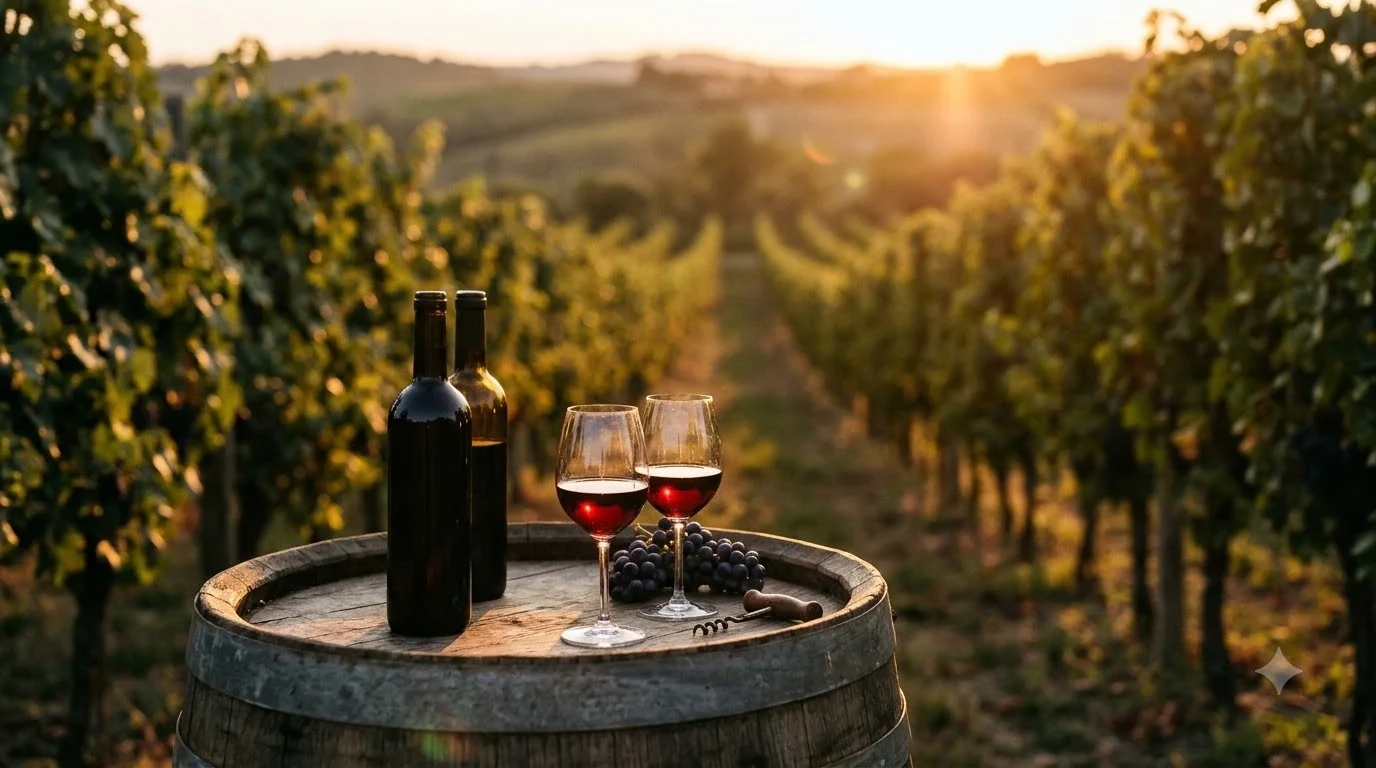
Turkey wine country spans the Aegean coast, Thrace, Cappadocia, and southeastern Anatolia, offering distinctive indigenous grapes, historic vineyards, and diverse regional wine styles. The country’s wine heritage stretches back thousands of years, while its modern producers are bringing traditional varieties to a wider audience. From crisp whites made with Emir to structured reds from Boğazkere, Turkish wines offer plenty of opportunities for discovery. Understanding the major growing regions and their signature grapes makes it easier to choose bottles and plan a vineyard visit.
Türkiye occupies a distinctive position between Europe and Asia, with vineyards shaped by Mediterranean coastlines, continental interiors, volcanic landscapes, and mountainous terrain. Although the country grows grapes for many purposes, its wine producers are increasingly emphasizing indigenous varieties and regional identity. Whether you are interested in wine tourism or simply want to understand an unfamiliar bottle at your local wine shop, the country’s geography provides a useful starting point. Here is how to explore its principal wine-growing areas, grape varieties, and tasting experiences.
Understanding Turkey’s Ancient Wine Heritage
Türkiye has one of the world’s oldest documented grape-growing traditions, but its contemporary wine industry is much younger than its agricultural history suggests. Its vineyards reflect centuries of cultural exchange, changing political circumstances, and a recent movement toward distinctive local wines.
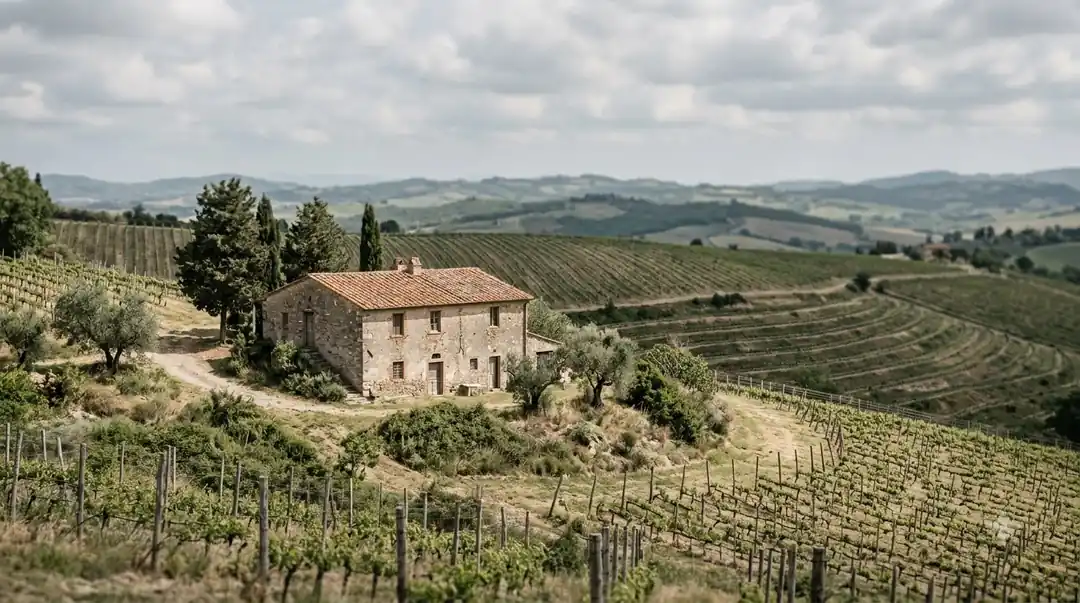
Archaeological evidence places early grape cultivation in the Tigris-Euphrates region of southeastern Anatolia thousands of years ago. Winemaking continued through successive civilizations, including the Hittites, Phrygians, Greeks, and Romans. During the Ottoman period, wine production and trade were closely connected with non-Muslim communities, particularly Greek and Armenian populations. These communities played an important role in maintaining viticultural knowledge and commercial winemaking traditions.
The establishment of the Turkish Republic in 1923 brought substantial changes to the industry. Population movements, abandoned vineyards, and a state-controlled alcohol market affected the continuity of winemaking expertise. According to the historical account published by Decanter, boutique vineyards began emerging during the 1990s, marking an important stage in the development of modern Turkish wine.
Another important distinction concerns the country’s overall grape production. Türkiye has an enormous vineyard area and hundreds of indigenous grape varieties, but most grapes are not destined for wine. Fresh table grapes, raisins, molasses, and other traditional products account for substantial agricultural activity. The Wine & Spirit Education Trust notes that only around 15% of the country’s total vineyard area is dedicated to wine grapes. Its overview of Turkish wine regions and grape varieties provides useful background on this distinction.
This agricultural background explains why Türkiye can possess an extraordinary collection of native grapes without being as internationally recognized as France, Italy, or Spain. It also explains the growing interest in preserving unusual varieties that might otherwise remain limited to small local vineyards.
For American wine enthusiasts, the most useful approach is to begin with regional identity rather than expecting familiar European classifications. A Turkish bottle may be labeled by grape variety, producer, or regional association, and learning a few indigenous names can make wine shopping considerably easier. Readers exploring other emerging American wine destinations can also compare this regional approach with wine regions around the world.
The Major Wine Regions of Turkey
Four major growing areas provide a practical framework for understanding Turkish wine: the Aegean, Thrace, Central Anatolia, and Southeastern Anatolia. Each has different climatic conditions, grape varieties, and vineyard traditions.
The Aegean is the country’s most important wine-producing area. WSET identifies it as responsible for approximately 30% of national wine production. Its principal areas include coastal vineyards around İzmir, Urla, Selçuk, Bodrum, and Datça, as well as inland districts such as Manisa, Denizli, and Uşak. The coastal Mediterranean influence and inland temperature differences support several varieties and styles.
Thrace occupies the European side of Türkiye, around the Sea of Marmara. Kırklareli, Tekirdağ, Şarköy, and the Gallipoli Peninsula are among its important wine-growing locations. The region has a cooler continental influence than much of the Aegean and is known for both indigenous and international varieties. Its vineyard culture makes it particularly interesting for visitors interested in exploring several producers during one trip.
Central Anatolia includes Cappadocia and Kalecik, two places especially important for native grapes. Cappadocia is associated with Emir, a white variety, while Kalecik is the traditional home of Kalecik Karası. Southeastern Anatolia, particularly around Elazığ and Diyarbakır, is associated with the red grapes Öküzgözü and Boğazkere.
| Region | Important locations | Signature grapes | Typical wine interest |
|---|---|---|---|
| Aegean | Urla, İzmir, Manisa, Denizli | Çal Karası, Sultaniye, Bornova Misketi | Coastal wines, reds, whites, rosé |
| Thrace | Tekirdağ, Kırklareli, Gelibolu | Papazkarası, international varieties | Fresh reds, whites, blends |
| Central Anatolia | Cappadocia, Kalecik | Emir, Kalecik Karası | Fresh whites and aromatic reds |
| Southeastern Anatolia | Elazığ, Diyarbakır | Öküzgözü, Boğazkere | Fruit-forward and structured reds |
These are broad geographical groupings rather than a formal hierarchy of protected wine appellations. Wine Enthusiast explains that Türkiye does not have the same established official appellation structure found in countries such as France or Italy. Consequently, grape variety and producer information are especially useful when comparing bottles.
For a broader comparison of American regional wine identities, consider Yadkin Valley wine country, where local growing conditions and grape selection similarly help define the area’s character.
The Aegean Coast and Its Vineyard Destinations
The Aegean is an excellent starting point for understanding Turkish wine tourism because it combines established wine production, coastal scenery, historic vineyard sites, and a range of indigenous grapes. Urla and Bozcaada are two particularly interesting destinations.
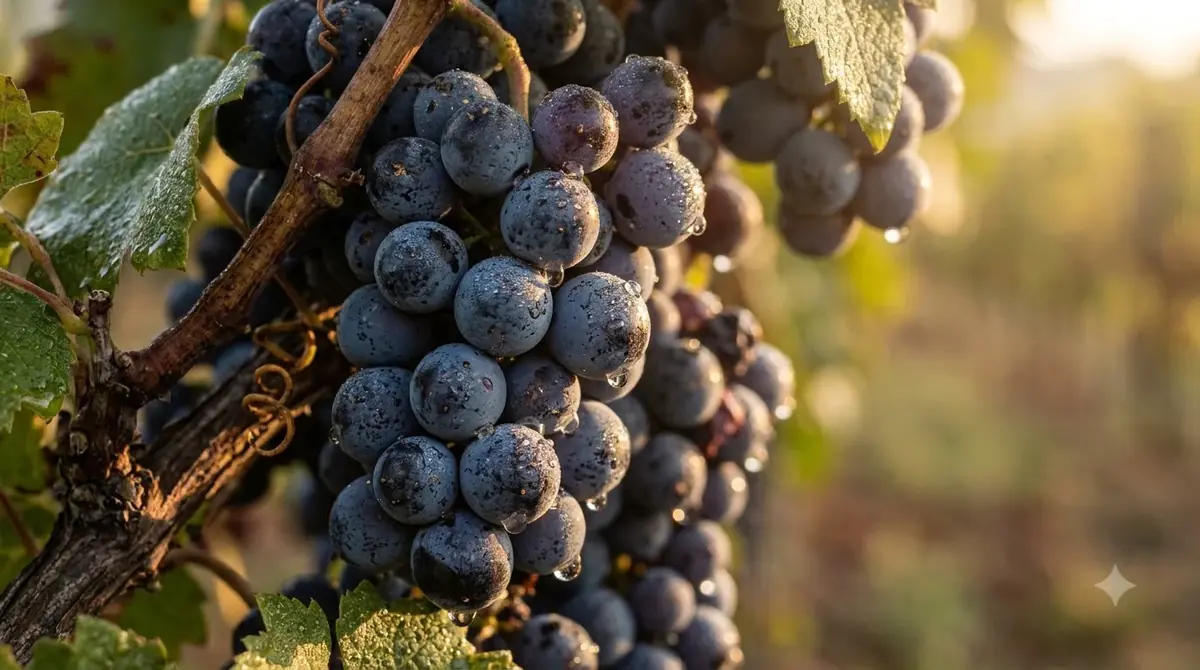
Urla lies near İzmir on the western Aegean coast. Its maritime surroundings, established agricultural heritage, and growing wine tourism scene have helped make it one of Türkiye’s best-known vineyard destinations. Producers in the area work with both international varieties and indigenous grapes, including Urla Karası, a local red variety that has received renewed attention through conservation and revival projects.
One distinctive feature of the Urla wine scene is its vineyard route, which connects multiple producers. Visitors can arrange winery appointments, learn about local grape varieties, and combine tastings with meals at regional restaurants. Because individual estates have different visitor arrangements, scheduling appointments ahead of time is a sensible way to organize a visit.
Bozcaada, an island in the northern Aegean, offers another perspective on traditional Turkish viticulture. Its wine heritage extends approximately 3,000 years, and its island setting provides a strong sense of regional identity. The island is particularly associated with local grapes such as Karalahna and Çavuş, alongside international varieties grown by contemporary producers.
Manisa and Denizli provide useful contrasts to the coastal vineyards. Inland conditions can be warmer and more continental, while elevation and nighttime temperature differences influence grape development. Denizli is associated with Çal Karası and Sultaniye, varieties used in different wine styles. Some producers also work with older vineyards and less widely known local grapes.
For travelers interested in more than wine, the Aegean offers opportunities to combine vineyard appointments with coastal towns, local markets, seafood restaurants, and historic sites. Urla is particularly convenient for visitors who want to combine a wine-focused day with time around İzmir. Bozcaada requires more travel planning, but its island atmosphere provides a different experience from mainland winery visits.
Cappadocia, Thrace, and Southeastern Anatolia
Beyond the Aegean, three wine-growing areas demonstrate how different landscapes shape Turkish wine. Cappadocia is notable for its volcanic terrain, Thrace offers a cooler northern setting, and southeastern Anatolia preserves some of the country’s most distinctive red grape traditions.
Cappadocia and Central Anatolia
Cappadocia is internationally famous for its unusual rock formations, cave dwellings, and hot-air balloon scenery, but it also has a significant wine-growing tradition. Its volcanic soils, inland continental climate, and elevated vineyards create distinctive conditions for grape cultivation.
The area’s best-known wine grape is Emir. This indigenous white variety generally produces fresh wines with noticeable acidity and citrus or green-fruit characteristics. Depending on the producer and winemaking method, Emir can also show mineral, floral, and more textured characteristics. Its freshness makes it an appealing introduction for people who usually drink Sauvignon Blanc or other lively white wines.
Kalecik, located in Central Anatolia near Ankara, is another important destination. Its signature variety, Kalecik Karası, is a red grape capable of producing wines with red cherry, strawberry, pepper, and spice characteristics. The wines can be aromatic and relatively approachable, offering an alternative to more heavily structured international reds.
Thrace and the Sea of Marmara
Thrace is an attractive option for visitors who prefer a route connecting multiple wineries across a relatively compact northern wine-growing area. Important locations include Kırklareli, Tekirdağ, Şarköy, and Gelibolu. The area is influenced by the surrounding Sea of Marmara, Black Sea, and Aegean Sea, creating a range of local growing conditions.
Papazkarası is one of the indigenous grapes associated with the region. It can produce aromatic reds with fresh fruit character, while international varieties such as Cabernet Sauvignon, Merlot, Syrah, and Sauvignon Blanc are also grown in parts of Thrace. This combination makes the region useful for comparing traditional Turkish grapes with more familiar international styles.
Southeastern Anatolia and Mesopotamia
Southeastern Anatolia has a particularly strong connection to the country’s ancient wine history. The provinces of Elazığ and Diyarbakır are associated with two important red varieties: Öküzgözü and Boğazkere. Both are central to the identity of Turkish red wine, although their individual characteristics differ considerably.
Elazığ and the surrounding areas are particularly associated with Öküzgözü, while Diyarbakır is a traditional home of Boğazkere. The grapes are often blended to combine Öküzgözü’s fruit and acidity with Boğazkere’s structure and tannins. Other southeastern destinations, including Midyat, also offer connections to historic vineyard traditions.
Visitors exploring the region should allow time for longer travel distances between towns. Unlike a compact city-based tasting itinerary, southeastern wine exploration can involve several separate destinations and significant road journeys. The experience is particularly rewarding for people interested in indigenous varieties and the historical geography of wine.
Indigenous Turkish Grapes Every Wine Lover Should Know
Türkiye’s indigenous grape varieties are among its greatest wine attractions. Learning the differences between five principal grapes provides a practical foundation for selecting bottles and understanding regional styles.
Öküzgözü: Fresh and Fruit-Driven Red Wine
Öküzgözü, pronounced approximately uh-KOOZ-guh-zoo, translates as bull’s eye. It is one of Türkiye’s best-known red varieties and is associated particularly with southeastern Anatolia. Wine Enthusiast describes its characteristic flavors as including black cherry, pomegranate, lavender, and other dark-fruit notes.
Its naturally lively acidity and softer ripe tannins can make it relatively approachable compared with more heavily structured reds. Some versions are made with little or no oak to preserve fresh fruit characteristics, while more ambitious examples may receive oak aging for additional texture and complexity.
Boğazkere: Structure and Firm Tannins
Boğazkere means throat burner, a name that reflects its powerful tannic structure rather than necessarily indicating high alcohol. The grape produces deeply colored wines with substantial tannins, moderate acidity, and flavors that can include blackberry, black cherry, raspberry, anise, and baking spices.
It is frequently blended with Öküzgözü. In this combination, the more generous fruit and acidity of Öküzgözü help balance Boğazkere’s firmer structure. Single-variety bottlings are also available for drinkers who enjoy more assertive reds.
Kalecik Karası: Aromatic and Elegant Red
Kalecik Karası takes its name from Kalecik in Central Anatolia. Its wines can display strawberry, cherry, black pepper, and clove, often with an aromatic profile that distinguishes them from fuller-bodied international reds.
Its lighter structure makes it a useful introduction to Turkish red wine for people who normally enjoy Pinot Noir or other aromatic varieties. It can also work well with roasted poultry, grilled vegetables, and dishes that do not require a particularly powerful wine.
Narince: A Versatile Indigenous White
Narince is an important Turkish white grape associated particularly with Tokat. Its name means delicately, and the wines generally have medium body and good acidity. Citrus, grapefruit, lemon, pineapple, and floral notes are common descriptors.
Unoaked examples are often fresh and fruit-driven, while fuller versions can benefit from oak aging and extended lees contact. This versatility makes Narince particularly interesting for people who enjoy Chardonnay but want to discover a different grape variety.
Emir: A Fresh White from Cappadocia
Emir is strongly associated with Cappadocia and is among the most recognizable indigenous white grapes in Türkiye. It generally produces crisp wines with lively acidity and citrus or green-fruit characteristics. Its freshness makes it especially useful alongside regional foods and lighter meals.
Other varieties worth recognizing include Papazkarası, Çal Karası, Sultaniye, Bornova Misketi, Yapıncak, and Karasakız. Some are gaining attention through projects dedicated to preserving old vineyards and bringing lesser-known grapes into commercial winemaking.
Climate, Vineyard Conditions, and Turkish Wine Styles
Türkiye’s varied climate explains why its wine regions produce such different styles. Coastal Mediterranean conditions, inland continental temperatures, volcanic soils, and mountainous vineyards all influence ripening, acidity, and grape selection.
The Aegean and southern parts of the country generally experience warm Mediterranean conditions. Long sunny periods support grape ripening, while proximity to the sea can moderate temperatures in coastal locations. Farther inland, areas around Manisa and Denizli can experience more continental conditions, with larger differences between daytime and nighttime temperatures.
Central Anatolia has a more pronounced continental climate. Cappadocia’s elevated vineyards experience seasonal temperature variations and cooler conditions than many low-lying Mediterranean areas. These conditions help preserve freshness in Emir and support distinctive regional wine styles. Volcanic soils are another important part of Cappadocia’s vineyard identity.
The northern Black Sea coast has a more moderate maritime climate, but high rainfall can make commercial grape growing difficult. According to WSET, the central and eastern Black Sea coast experience substantial growing-season rainfall, which increases disease pressure. This is one reason why the country’s major commercial wine-growing areas are concentrated elsewhere.
Elevation is another important influence. WSET gives Türkiye’s average elevation as approximately 1,140 meters above sea level. Higher vineyard sites can experience cooler growing conditions and slower ripening, helping grapes retain acidity while developing flavor.
These environmental differences influence which grapes work best in each location. Warm areas can support ripe red varieties and fuller wine styles, while cooler or elevated vineyards can produce whites with more pronounced freshness. The final result also depends on harvest timing, fermentation temperature, skin contact, oak use, and aging.
For anyone comparing Turkish wines, a useful approach is to consider both grape and location. An Emir from Cappadocia should not automatically be expected to taste identical to a Narince from Tokat, just as a coastal Aegean red may have a different balance from a structured southeastern blend.
Planning Vineyard Visits, Tastings, and Food Pairings
The best way to explore Turkish wine country is to organize a route around one or two regions rather than trying to cover the entire country in a single trip. Spring through early autumn is the main visiting period, with winery appointments and harvest activities offering different experiences.
Choosing the Right Season
Türkiye’s official tourism portal recommends April through early October for vineyard-route visits. April offers the opportunity to see the growing season begin, with budding vines and fresh spring landscapes. Summer provides warmer weather for coastal travel, while September and early October are particularly interesting for visitors who want to experience harvest activity. The official Vineyards of Anatolia travel overview outlines the country’s principal vineyard routes and recommended visiting season.
Harvest timing varies according to region, grape variety, elevation, and seasonal weather. A warm Aegean vineyard may follow a different schedule from an elevated Central Anatolian site. Therefore, anyone hoping to see harvesting should contact wineries before finalizing travel dates.
Building a Practical Vineyard Itinerary
For a first visit, Urla and the surrounding İzmir area make a convenient introduction to the Aegean wine scene. Travelers can arrange winery appointments, visit local restaurants, and explore the coastline without covering excessive distances each day. Bozcaada is a good alternative for visitors who want an island-focused wine experience.
Cappadocia is a natural choice for travelers who want to combine wine with sightseeing. A visit can include local producers, regional cuisine, historic cave settlements, and the area’s distinctive geological formations. Because winery visits may require advance arrangements, it is sensible to reserve appointments before arriving.
Thrace offers a different option for visitors interested in a multi-producer route. Its principal vineyard locations include Kırklareli, Tekirdağ, Şarköy, and Gelibolu. The official tourism information recommends booking ahead for winery tours, vineyard restaurants, and accommodation.
A southeastern trip requires more careful transportation planning because the wine-growing locations are more widely separated. Elazığ, Diyarbakır, and Midyat are interesting destinations for travelers whose main priority is discovering native red grapes and the country’s historic viticultural landscape.
Matching Turkish Wine with Food
Regional food is an important part of the Turkish wine experience. Fresh Emir and Narince can work particularly well with grilled fish, seafood, salads, and vegetable dishes. Their acidity provides freshness alongside lemon, herbs, and olive oil.
Öküzgözü is a versatile choice for grilled poultry, lamb, roasted vegetables, and tomato-based dishes. Its fruit character and lively acidity can complement moderately rich food without overwhelming the meal. Kalecik Karası is another useful option for roasted chicken, mushroom dishes, and lighter meat preparations.
Boğazkere generally benefits from richer, protein-based dishes that can soften its tannins. Grilled lamb, beef kebabs, slow-cooked meats, and dishes with savory sauces can provide a suitable match. Blends of Öküzgözü and Boğazkere offer a middle ground between fruitiness and structure.
Local cheeses are also worth exploring. Türkiye has several distinctive regional cheeses, including Divle Obruk, Kars Kaşarı, and Mihaliç. The official Cappadocia tourism route specifically highlights Divle Obruk cheese, traditionally produced in caves approximately 36 meters underground. Its rich, savory character can make an interesting partner for regional wines.
Tip: Start a Turkish wine tasting with Emir or Narince, then move to Kalecik Karası and Öküzgözü before finishing with a more tannic Boğazkere. Serve light whites around 45–50°F, fuller whites around 50–55°F, and full-bodied reds around 60–65°F to bring out their respective characteristics.
When serving a Turkish red blend, consider the structure of the wine rather than relying only on its country of origin. A blend dominated by Boğazkere may need a richer meal than one based primarily on Öküzgözü. Similarly, a fresh Emir is generally more suitable for lighter dishes than a fuller, oak-aged Narince.
Buying and Enjoying Turkish Wines in the United States
Turkish wine is still less familiar to many American consumers than wine from Italy, France, Spain, or California, but imported selections provide opportunities to discover its indigenous grapes. Starting with a few well-known varieties is a practical way to develop an understanding of the country’s different wine styles.
Specialist importers and restaurant wine programs provide opportunities to discover Turkish bottles. Availability varies considerably by state and distributor, so a specialist wine retailer or a restaurant with an international wine list can be a useful starting point.
When shopping, look for the names Öküzgözü, Boğazkere, Kalecik Karası, Emir, and Narince. These varieties offer a useful cross-section of Turkish wine styles, from fresh whites to aromatic reds and structured blends. If a bottle features an unfamiliar indigenous grape, asking a retailer about its region and expected structure can help you make an informed choice.
Producer names can also help narrow the selection. Established Turkish wineries include Kavaklıdere, Doluca, Vinkara, Suvla, and Paşaeli. These producers are associated with different regional grapes and winemaking approaches, although their individual portfolios vary. Exploring a producer’s range can be a good way to compare how one winery approaches both indigenous and international varieties.
For a first tasting at home, choose three bottles with contrasting characteristics: an Emir or Narince white, a Kalecik Karası or Öküzgözü red, and a Boğazkere-based red or blend. Serve approximately 5 ounces per glass and use a standard 750-milliliter bottle as a reference for roughly five tasting pours. This arrangement makes it easier to compare acidity, tannin, body, and fruit character without overwhelming the palate.
Young, full-bodied Boğazkere wines may benefit from 30–60 minutes of decanting, especially when their tannins are firm. Lighter Kalecik Karası and fresh Öküzgözü may need less preparation. Store unopened bottles on their sides in a cool, dark location near 55°F, away from direct sunlight and significant temperature changes.
Once opened, most still wines are best consumed within approximately three to five days when refrigerated and properly resealed. White wines should also be chilled before serving, while red wines often benefit from slightly cooler temperatures than a warm room provides.
Turkish wine offers an opportunity to move beyond familiar international varieties and discover grapes with distinctive regional histories. For readers interested in comparing other American destinations, Hill Country vineyards provide another example of how local climate, grape selection, and regional food traditions shape a wine destination.
Frequently Asked Questions
Does Turkey have an official wine classification system?
Türkiye does not have the same established appellation hierarchy as France’s AOC system or Italy’s DOC and DOCG classifications. Wine labels therefore rely heavily on producer identity, grape variety, and geographical information. This makes learning indigenous grape names especially helpful when choosing a Turkish bottle.
Are Turkish wines made with organic or natural winemaking methods?
Some Turkish producers work with low-intervention methods, old vines, and traditional fermentation vessels, including amphorae. Cappadocia has attracted particular interest in amphora fermentation using local grapes. However, these practices are producer-specific rather than universal characteristics of Turkish wine.
What is the traditional Turkish drink made from grapes besides wine?
Rakı is Türkiye’s well-known anise-flavored spirit, traditionally made using grape-based alcohol and flavored with anise. Another traditional grape product is pekmez, a concentrated grape molasses used in cooking and as a sweetener. Neither should be confused with conventional grape wine.
What is the difference between Turkish wine and Turkish raki?
Wine is produced by fermenting grape juice, while rakı is a distilled alcoholic beverage flavored with anise. Rakı is traditionally served with water and often accompanies meze dishes. The two beverages have different production methods, flavor profiles, and places in Turkish dining culture.
Can Turkish vineyards accommodate visitors who do not speak Turkish?
Some wineries receive international visitors and may offer English-language tastings or tours, particularly in established tourism destinations such as Urla and Cappadocia. Language availability differs between estates, so visitors should ask about the available tour language when arranging an appointment. Having a confirmed reservation also helps wineries prepare for the visit.
Turkey wine country offers much more than an ancient connection to grape growing: it provides a diverse collection of indigenous varieties, regional food traditions, and evolving vineyard destinations. Begin with the Aegean, Cappadocia, or Thrace, then explore Öküzgözü, Boğazkere, Emir, Narince, and Kalecik Karası to understand what makes Turkish wine distinctive. Whether discovering bottles in the United States or planning a vineyard trip, these regions offer plenty of reasons to explore beyond familiar wine-producing countries.
More in Wine Regions
 Willcox Wine Trail: Discover Arizona’s High-Elevation Wine CountryUpdated Nov 20, 2026
 Yakima Valley Wine Region: Find the Best Styles to TryUpdated Nov 20, 2026
 Vosne Romanee Wine Tasting: Identify Aromas and Choose Better PairingsUpdated Nov 20, 2026
 Yakima Valley Wine Festival: Find the Best Seasonal Wine EventsUpdated Nov 20, 2026
 Wales Vineyards: Discover Cool-Climate Wines and Where to VisitUpdated Nov 20, 2026
 Yountville Wine Festival: Discover Napa Wines and Local FoodUpdated Nov 20, 2026