

We may earn a commission when you buy through links on this page, at no extra cost to you. Learn more.
The treixadura grape is a white wine grape native to Galicia in northwestern Spain, best known for producing aromatic, balanced wines with fruity and floral flavors, refreshing acidity, and a medium-bodied texture. It is the principal white variety in the Ribeiro wine region, where it makes both distinctive single-variety wines and traditional blends with grapes such as Godello, Albariño, and Loureira. Often called Trajadura in Portugal, Treixadura offers an appealing alternative to more familiar Spanish whites, combining ripe fruit character with freshness and moderate alcohol.
Galicia is famous for Albariño, but its white wine heritage includes several other native grapes that deserve attention. Treixadura is one of the region’s most historically important varieties, particularly around Ribeiro in the province of Ourense. Its combination of aromatic complexity, natural acidity, and substantial texture makes it useful both as a standalone wine and as a blending partner. Understanding where it grows, how it tastes, and what foods complement it makes choosing a bottle much easier.
What Is the Treixadura Grape?
Treixadura is a traditional white grape variety associated with Galicia, Spain, and the neighboring Portuguese wine-growing area. It is especially important in Ribeiro, where it provides the foundation for many of the region’s characteristic white wines.
The grape has a long history in northwestern Iberia. According to the Museo do Viño de Galicia, its earliest historical reference in Galicia dates to the 18th century. The museum identifies it as Galicia’s second most important white grape and the principal variety in Ribeiro. Its official description of the Treixadura grape also explains its traditional importance in the region and its physical characteristics.
In Portugal, Treixadura is known as Trajadura. The two names refer to the same grape variety, although wines made under the different regional traditions can have different compositions and styles. Portuguese examples are particularly associated with Vinho Verde, where Trajadura frequently contributes to blends with varieties such as Loureiro and Alvarinho.
Treixadura is a member of the European wine grape species Vitis vinifera. Its importance comes from its ability to produce aromatic wines with a combination of ripe fruit, floral character, and useful acidity. Rather than relying on exceptionally sharp acidity or intense mineral flavors, it offers a more rounded profile that balances freshness with texture.
The variety is particularly interesting for wine drinkers who enjoy the freshness of Spanish white wines but want something with a little more body and a different aromatic character. It can be approachable when young while offering enough structure to work alongside a broad range of foods.
Treixadura is also a useful grape to recognize when exploring Galician wines by region. A bottle labeled Ribeiro White will often feature the variety prominently, while bottles from other Galician designations may include it as part of a larger blend.
Where Treixadura Grows and How It Develops
Treixadura grows most successfully in suitable warm, sunny locations, particularly the valleys and slopes of Galicia’s inland wine country. Its late-growing-season behavior makes vineyard exposure, altitude, and local weather important factors in achieving full ripeness.
Ribeiro is the variety’s most important home. Located in the province of Ourense, the region has a landscape of valleys and hillsides that provides different exposures and growing conditions. Its climate combines Atlantic influences with more Mediterranean characteristics. Daytime warmth and cooler nights contribute to the gradual development of grape sugars and aromatic compounds.
According to the Museo do Viño de Galicia, Treixadura is a late-emerging and late-ripening variety. It is sensitive to altitude and performs particularly well in dry, sunny valleys and on well-exposed slopes. These characteristics help explain why vineyard location matters so much to its success. A site that receives insufficient warmth or sunlight may make it harder for the grapes to reach appropriate maturity.
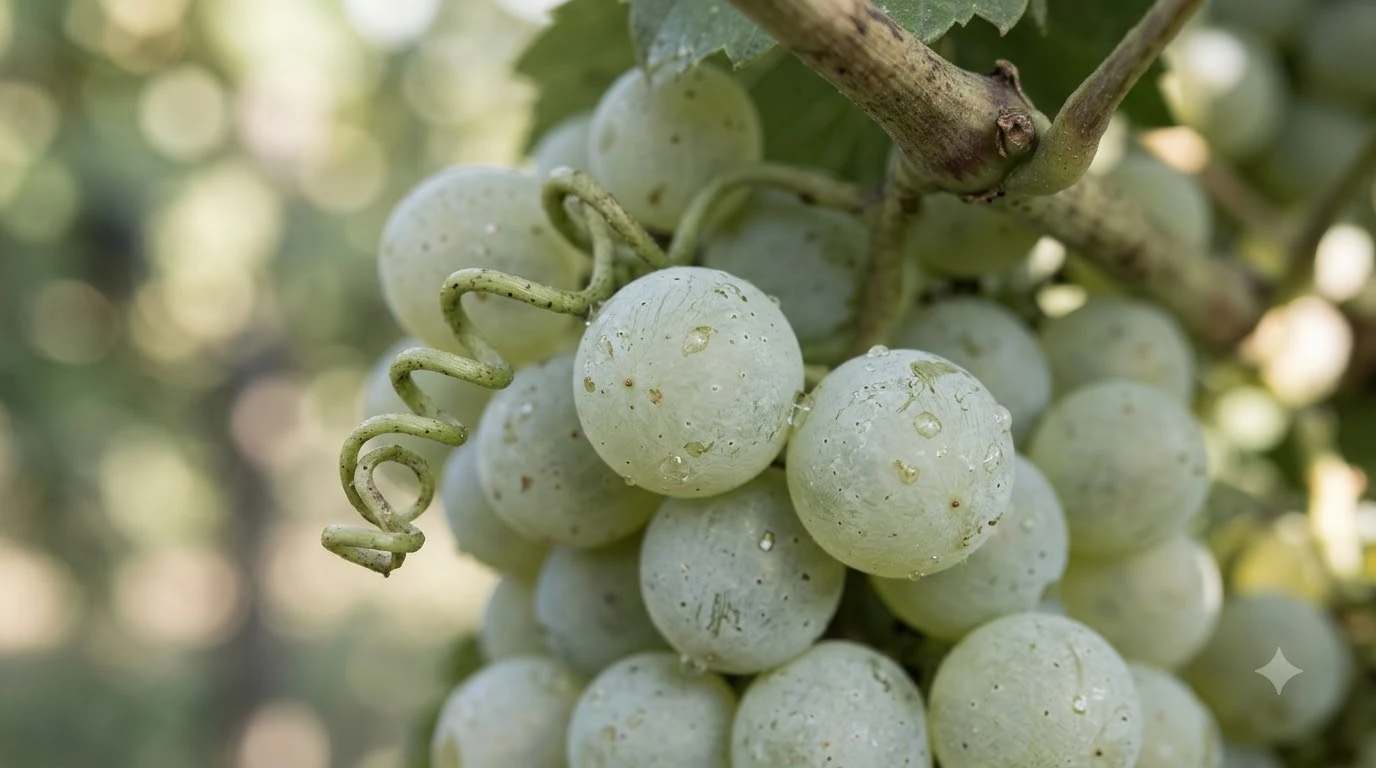
The berries grow in small to medium-sized clusters. They are tightly packed and elliptical, with golden coloring and violet highlights. Their relatively thick and tough skins are another identifying feature. The grape is sometimes called verdello rubio, a name associated with its distinctive coloring.
Treixadura has moderate fertility, meaning growers must consider vineyard management and the balance between fruit production and ripening. Its late development also makes the timing of harvest important. Picking too early can limit the development of ripe fruit aromas, while waiting for maturity requires attention to weather conditions and the health of the clusters.
In addition to Ribeiro, Treixadura is permitted or cultivated in other Galician wine areas. In Rías Baixas, the grape has a particularly recognized association with Condado do Tea. It is also grown in Monterrei and Ribeira Sacra, though its regional importance differs from one designation to another.
These locations illustrate why Treixadura should not be treated as a grape with only one possible expression. Ribeiro provides its most familiar regional identity, while other Galician sites and Portuguese growing areas can produce different interpretations depending on climate, blending choices, and winemaking decisions.
Ribeiro and Other Important Treixadura Wine Regions
Ribeiro is the most important region for understanding Treixadura, but the variety also contributes to wines from other parts of Galicia. Each location provides a different regional context for its aromatic character, acidity, and texture.
Ribeiro: This inland Galician designation is the grape’s strongest regional association. Treixadura is the principal white variety, and Ribeiro white wines are principally based on it. Producers also work with other local grapes, including Godello, Albariño, Loureira, Torrontés, Lado, and Caíño Branco.
The area’s geography is important to the finished wine. Its hillsides, valleys, and differences in daytime and nighttime temperatures create conditions that influence ripening. The European Union’s Ribeiro geographical-indication documentation describes the region’s climate as temperate, with Mediterranean characteristics and Atlantic influences. It also identifies sun exposure and the area’s low water-retention soils as relevant factors in grape growing.
Rías Baixas: Treixadura is one of the recommended white varieties within this designation, although Albariño is much more prominent. The Rías Baixas regulatory council identifies Condado do Tea as a natural home for Treixadura within the designation. Wines from this area can show ripe fruit and floral aromas alongside a fresh, balanced structure.
Rías Baixas includes five subzones: Condado do Tea, O Rosal, Val do Salnés, Ribeira do Ulla, and Soutomaior. Treixadura is part of the region’s broader native grape heritage, even though it is not the dominant variety across all five areas.
Monterrei: This inland Galician wine region also cultivates Treixadura. Godello has a particularly important position in Monterrei, so Treixadura is generally less prominent than it is in Ribeiro. Its presence nevertheless demonstrates the variety’s wider importance in Galicia.
Ribeira Sacra: Treixadura is grown here as well, but its production is considerably less significant than in Ribeiro. The region is better known for its steep vineyard landscapes and red wines based on Mencía.
Vinho Verde, Portugal: Under the name Trajadura, the grape also has a place in Portuguese white wine production. It is frequently used in blends, where it contributes ripe fruit and body. The result can differ from a Ribeiro wine because of the regional climate, grape combinations, and production methods.
For a first introduction, a Ribeiro bottle labeled with Treixadura as its principal variety is a useful starting point. It provides a clearer understanding of the grape’s identity than a complex regional blend in which several varieties contribute equally.
Treixadura Wine Taste, Aroma, and Typical Style
Treixadura wine is generally dry, aromatic, and medium-bodied, with fruity and floral aromas, balanced acidity, and a rounded mouthfeel. Its appeal comes from the relationship between ripe fruit flavors and enough freshness to keep the wine lively.
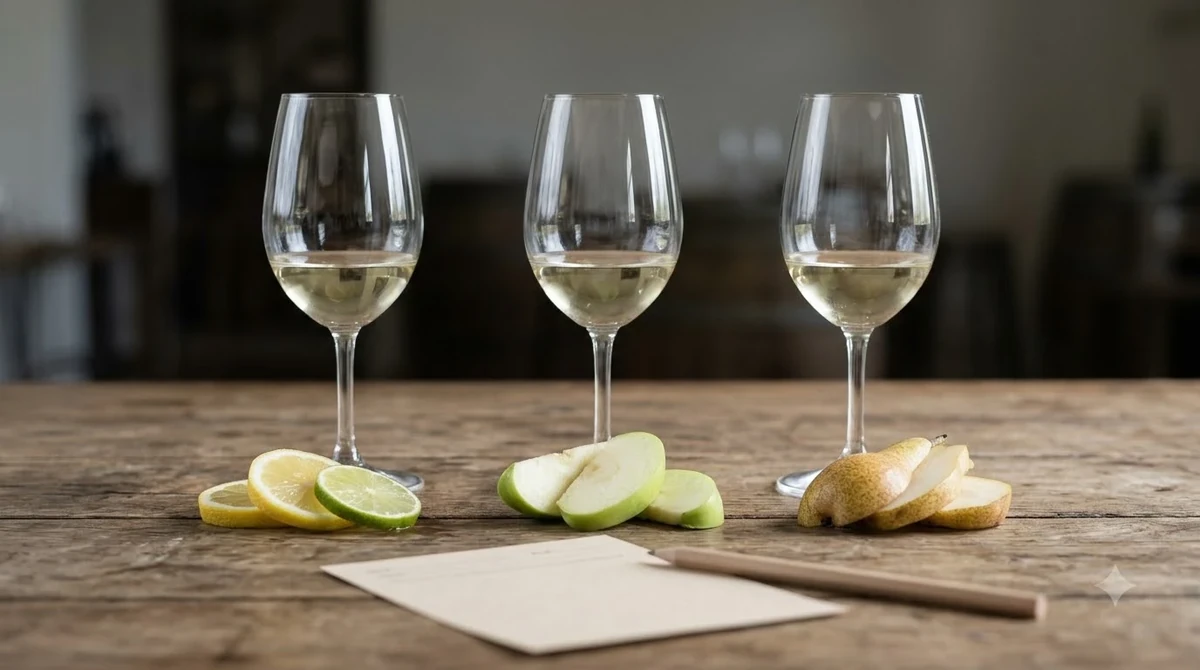
On the nose, common descriptors include apple, pear, citrus, white flowers, and fresh orchard fruit. Green apple is specifically identified by the Rías Baixas regulatory council as a characteristic aroma associated with the variety. Depending on the growing region and producer, other impressions can include ripe stone fruit and subtle herbal notes.
The palate is usually more rounded than that of particularly sharp, high-acid white wines. Treixadura can show a noticeable sense of weight without feeling heavy. Its natural acidity gives the wine structure and helps balance the fruit, while its aromatic profile keeps the finish interesting.
Floral notes are another important part of the grape’s identity. These may suggest white blossoms rather than strongly perfumed tropical flowers. The fruit character can range from crisp apple and citrus to softer pear and ripe orchard fruit.
Treixadura is not normally considered a sweet grape wine style. Most examples are fermented to dryness, although sweetness and texture can vary with production methods. A dry bottle should show fruitiness without tasting sugary. This distinction is important because ripe fruit aromas are sometimes mistaken for residual sugar.
The grape can produce wines with approximately 12–13% alcohol by volume, according to the Museo do Viño de Galicia. This moderate alcohol range can contribute to a satisfying mouthfeel without necessarily making the wine feel heavy. The natural acidity provides a counterbalance.
Oak treatment is not a defining requirement of Treixadura. Many wines emphasize the grape’s freshness and fruit through relatively restrained winemaking, while individual producers may choose different approaches to fermentation and maturation. Stainless-steel fermentation is one possible way to preserve primary fruit character. Lees aging or oak maturation can produce additional texture, but neither should be assumed for every bottle.
Single-variety Treixadura is particularly useful for understanding the grape’s natural character. Blends can be equally interesting, but the contributions of other varieties may change the balance of acidity, aroma, and body.
For example, a Treixadura and Albariño blend may combine Treixadura’s fuller texture with Albariño’s more pronounced acidity. A blend with Loureira may introduce additional aromatic complexity, while Godello can contribute structure and a broader palate.
The best way to understand the variety is to consider its overall balance rather than looking for one dominant flavor. It is the combination of floral aromas, orchard fruit, freshness, and rounded texture that makes Treixadura distinctive.
How Treixadura Compares With Other White Grapes
Treixadura occupies a useful middle ground among European white grapes. It offers more rounded texture than some very crisp varieties while retaining enough acidity to remain refreshing and food-friendly.
Treixadura vs. Albariño: Both grapes are strongly associated with Galicia, and both can produce dry wines with fruity and floral aromas. Albariño is generally known for higher acidity, citrus character, and a lively profile. Treixadura tends to emphasize a rounder texture and balanced acidity. The two are also common blending partners.
Treixadura vs. Godello: Godello often produces fuller-bodied wines with substantial structure and flavors of apple, citrus, and mineral notes. Treixadura can also have a rounded texture, but its floral aromas and balanced fruit character are particularly important to its identity. Both varieties are used in Ribeiro and other Galician regions.
Treixadura vs. Loureira: Loureira is particularly valued for aromatic intensity, including distinctive laurel-like notes. Treixadura tends to provide a more substantial fruit-driven foundation. This difference makes the varieties complementary in some regional blends.
Treixadura vs. Sauvignon Blanc: Sauvignon Blanc is generally recognized for high acidity and distinctive citrus, green fruit, and herbaceous flavors. Treixadura is typically less sharply acidic and more rounded. Drinkers who find some Sauvignon Blanc wines too aggressively herbal may enjoy Treixadura’s softer aromatic balance.
Treixadura vs. Chardonnay: Chardonnay has a broad range of styles, from crisp unoaked wines to rich examples matured in oak. Treixadura generally has a more distinctly floral and orchard-fruit profile, particularly in traditional Ribeiro expressions. Both can have medium-bodied textures, but their aromatic identities are different.
| White grape | Typical acidity | Common character | General texture |
|---|---|---|---|
| Treixadura | Medium to balanced | Apple, pear, white flowers | Medium-bodied, rounded |
| Albariño | High | Citrus, peach, floral notes | Fresh and lively |
| Godello | Medium | Apple, citrus, mineral notes | Medium to full-bodied |
| Loureira | High | Laurel, herbs, floral aromas | Light to medium-bodied |
| Sauvignon Blanc | High | Citrus, grass, green fruit | Light to medium-bodied |
| Chardonnay | Medium | Apple, citrus, stone fruit | Medium to full-bodied |
These comparisons describe typical styles rather than fixed rules. Climate, harvest decisions, fermentation, and maturation can significantly change the character of an individual wine. A ripe, textured Albariño may overlap with a lighter Treixadura, while an oak-aged Godello can be considerably richer than a fresh, unoaked example.
For drinkers who enjoy discovering less familiar grapes, Treixadura is also a good addition to a broader exploration of Spanish varieties. Comparing it with the Spanish white Airén grape is particularly interesting because the two varieties have different regional identities and typical wine styles.
Best Food Pairings and Serving Temperature
Treixadura pairs particularly well with seafood, grilled fish, shellfish, poultry, fresh vegetables, and moderately rich cheeses. Its balanced acidity and medium-bodied texture make it flexible enough for dishes that need both freshness and a little weight.
Seafood is a natural starting point. Galicia has a strong culinary tradition built around fish and shellfish, and Treixadura fits comfortably alongside these foods. Try it with steamed mussels, grilled prawns, scallops, or simply prepared white fish. The wine’s fruit and floral aromas complement delicate seafood without overwhelming its flavors.
Grilled fish is another strong choice. Cod, hake, sea bass, and halibut work particularly well when prepared with olive oil, lemon, and herbs. The acidity in the wine helps refresh the palate, while its texture provides enough substance to accompany the fish.
For richer seafood preparations, Treixadura can also complement dishes with butter-based sauces. A moderate amount of richness in the food works well with the wine’s rounded mouthfeel. Very heavy sauces, however, can overpower a lighter, fresher example.
Chicken and turkey provide excellent alternatives to seafood. Roast chicken with lemon, thyme, rosemary, or garlic complements the grape’s fruit and floral notes. Grilled chicken with a light herb dressing is another suitable option.
Vegetable dishes are also worth considering. Grilled zucchini, asparagus, green beans, roasted fennel, and salads with citrus-based dressings can work well. The key is to keep the preparation fresh enough to match the wine’s acidity.
For cheese, consider young goat cheese, fresh sheep’s milk cheese, or mild semi-soft varieties. Their creamy textures complement the wine’s body without creating an overwhelming contrast. Very strong blue cheeses are generally less suitable for a dry, delicate Treixadura.
Treixadura can also accompany rice dishes, including seafood rice and vegetable paella. The grain’s mild flavor allows the wine’s aromas to remain noticeable, while the acidity helps balance olive oil and other richer ingredients.
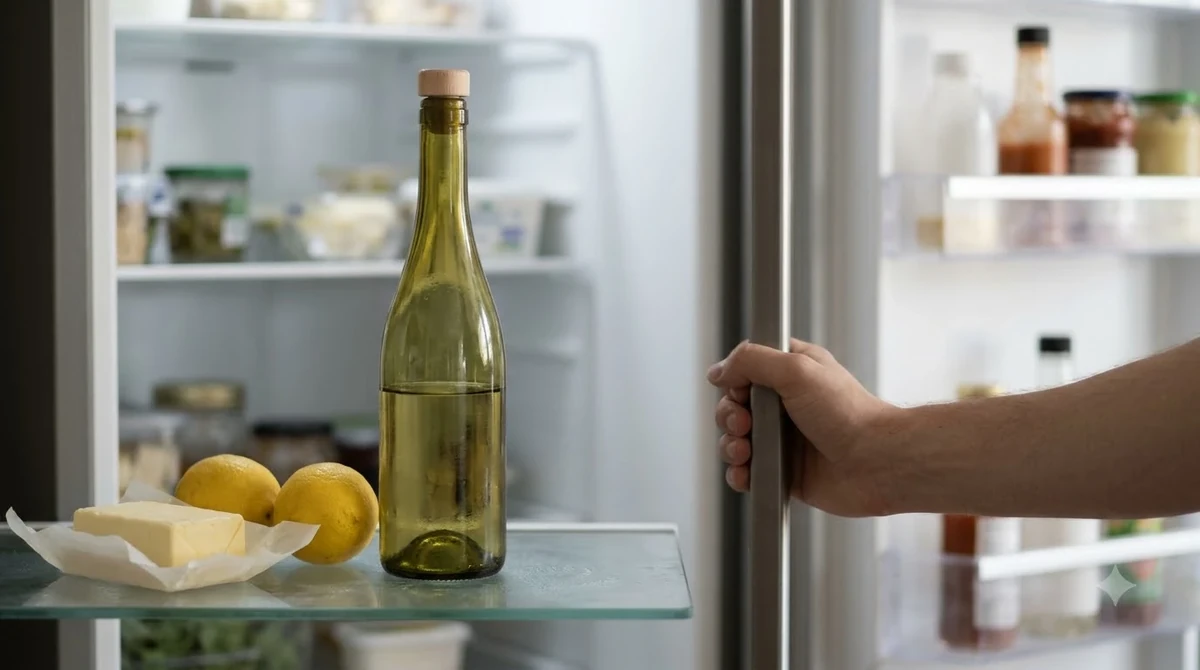
Serving temperature makes a noticeable difference. A practical range for most Treixadura wines is 45–50°F. This temperature keeps the wine refreshing while allowing its fruit and floral aromas to develop in the glass. Very cold temperatures can suppress its aromatic character.
Tip: Refrigerate Treixadura before serving and remove it shortly before pouring. Aim for approximately 45–50°F, then allow the wine to warm slightly in the glass if its aromas seem restrained. Use a standard white wine glass rather than a very narrow glass to give the floral and fruit notes room to develop.
A standard 750 ml bottle provides approximately five 5-ounce servings. If serving Treixadura with a meal, pour modest amounts initially and allow guests to experience how its aroma and texture change as the wine warms slightly.
For a complete meal, consider starting with grilled prawns or fresh seafood, followed by roast chicken or grilled white fish. Finish with a mild cheese course rather than an intensely sweet dessert, which can make a dry white wine seem sharper and less fruity.
How to Choose, Store, and Enjoy Treixadura
The easiest way to discover Treixadura is to start with a Ribeiro white wine that identifies the variety as its principal grape. From there, comparing single-variety wines with regional blends provides a useful introduction to the different ways Galician producers work with the grape.
When selecting a bottle, begin with the geographical designation. Ribeiro is the clearest starting point because Treixadura has its strongest regional identity there. A Ribeiro white is principally based on the grape, although the exact proportions of the blend can differ between producers. The Ribeiro designation’s Treixadura profile describes its aromatic character, growing conditions, and role in regional blends.
For a more direct comparison, look for a wine explicitly described as single-variety Treixadura. These wines help demonstrate the grape’s own combination of fruit, floral character, acidity, and texture. They are particularly useful for people who are still learning to recognize the variety.
Rías Baixas offers another perspective. Treixadura is less widely planted there than Albariño, but it has a recognized place in the designation, particularly in Condado do Tea. Regional blends can provide a different balance of freshness and fruit, especially when the grape is combined with other local white varieties.
Portuguese Trajadura is another worthwhile comparison. A bottle from Vinho Verde may include several grapes, and the result can be different from a Ribeiro Treixadura. This is a useful way to understand how regional traditions and blending choices influence the finished wine.
For everyday enjoyment, younger Treixadura wines are generally a sensible choice because they emphasize freshness and primary fruit aromas. Their apple, pear, citrus, and floral characteristics are especially appealing when served with food. More structured examples may offer additional complexity, depending on the producer’s winemaking approach.
Storage conditions are similar to those for other quality white wines. Keep unopened bottles in a cool, dark location with a relatively stable temperature. A storage temperature near 55°F is a useful target, and bottles sealed with natural cork should generally be stored on their sides to keep the cork from drying out.
Avoid placing bottles in locations exposed to direct sunlight, kitchen heat, or frequent temperature changes. Excessive warmth can accelerate wine development and reduce the freshness that makes Treixadura appealing.
Once opened, reseal the bottle and keep it refrigerated. Most opened still wines retain their best qualities for approximately three to five days, although freshness and aroma will gradually decline. A properly fitted stopper can help limit exposure to oxygen.
Treixadura does not generally require decanting. Simply open the bottle, pour a small amount, and allow it a few minutes in the glass. This is usually enough to reveal its aromatic profile and assess its texture.
Exploring unfamiliar grapes is also easier when comparing wines by style rather than by name alone. Someone who enjoys aromatic whites may want to compare Treixadura with other distinctive grapes such as Brachetto, although Brachetto is usually associated with a very different red-fruited, often sparkling style. For broader exploration, Wine by Type provides another way to understand how grape varieties shape wine styles.
The best bottle is one that suits the occasion. A fresh Ribeiro Treixadura can work for a casual seafood lunch, while a more structured example can accompany a full dinner. The grape’s combination of fruit, floral aromas, and balanced acidity gives it plenty of versatility.
Frequently Asked Questions
Is Treixadura an indigenous Spanish grape?
Yes. Treixadura is an established indigenous variety of Galicia, with a long history in northwestern Iberia. Its Portuguese name is Trajadura, reflecting its cultivation on both sides of the Spain-Portugal border. The variety belongs to the historical grape heritage of the region.
What does the name Treixadura mean?
The name is associated with the grape’s relatively thick and tough skin. Its alternative Galician name, verdello rubio, refers to the berries’ golden coloring with violet highlights. These physical characteristics distinguish the variety in the vineyard.
Can Treixadura be used to make sparkling wine?
Yes. Treixadura is among the preferential white varieties permitted for Ribeiro sparkling wines. The Ribeiro designation includes white sparkling wines made exclusively from preferential varieties in Brut and Brut Nature styles. These wines offer another expression of the grape beyond conventional still whites.
Is Treixadura related to Albariño?
Treixadura and Albariño are distinct grape varieties, even though both are important in Galician white wine production. Their historical cultivation in the same region has made them familiar blending partners. Their different aromatic and structural characteristics help producers create more balanced regional wines.
Is Treixadura suitable for bottle aging?
Some Treixadura wines can develop additional complexity in the bottle, particularly structured examples made with aging in mind. However, bottle-aging potential depends on the individual wine’s acidity, concentration, production methods, and storage conditions. Not every young, fruit-focused bottle is intended for extended cellaring.
Treixadura is one of Galicia’s most distinctive white grapes, combining ripe orchard fruit, floral aromas, balanced acidity, and a satisfying texture. Ribeiro remains the best place to begin exploring it, while Rías Baixas and Portuguese Trajadura wines offer useful comparisons. For anyone looking beyond familiar Spanish white varieties, Treixadura is a rewarding grape to discover.
More in Wine Types & Grapes
 Zinfandel Sugar Content: Dry Red vs. White Zinfandel GramsUpdated Nov 21, 2026
 Best Zinfandel Substitute Options for Sipping and CookingUpdated Nov 21, 2026
 Zweigelt Food Pairing: Best Dishes, Cheeses, and Serving TipsUpdated Nov 21, 2026
 Zinfandel Tannins Explained: How Structure Shapes Every BottleUpdated Nov 21, 2026
 Zinfandel Sweetness Level: Dry Red vs. Sweet White Zin ExplainedUpdated Nov 21, 2026
 Xinomavro Food Pairing: Best Dishes, Styles, and Serving TipsUpdated Nov 21, 2026