

We may earn a commission when you buy through links on this page, at no extra cost to you. Learn more.
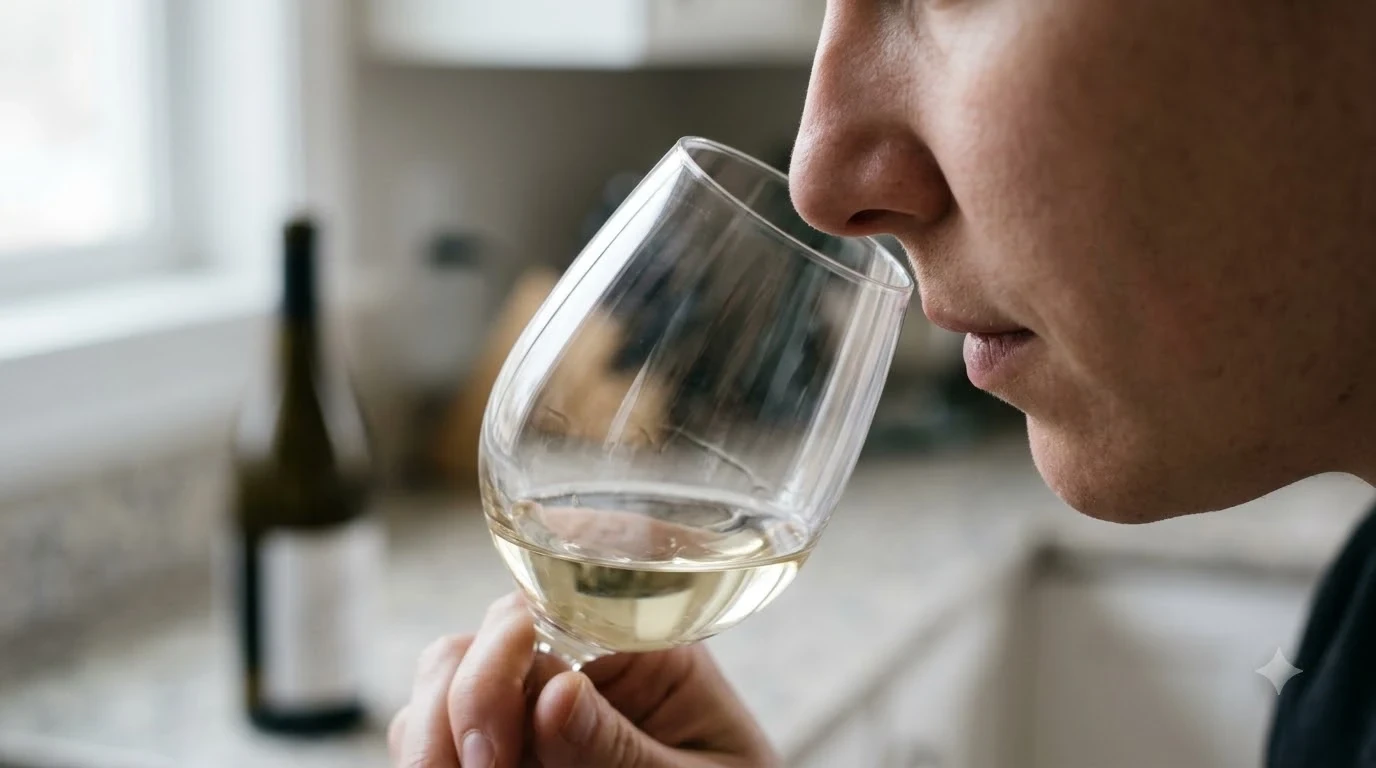
Treixadura wine is a dry, aromatic white from Galicia in northwest Spain, where the grape is the leading variety in the Ribeiro region and is often blended with other native grapes. The wines are typically fresh and fruit-driven, with lemon, apple, citrus and white flower notes, plus enough acidity to pair easily with seafood and simple dishes. Most bottles are best served lightly chilled, and an opened bottle keeps only a few days in the fridge.
If you have spotted this white on a Spanish shelf and wondered what to expect, you are not alone. The grape is little known outside its home region, yet it has a clear identity: aromatic without being sweet, structured enough for a full meal, and easy to match with the seafood-driven cooking of northwest Spain. This guide covers where the grape comes from, how it grows in the vineyard, what the wine tastes like, and how to pair and serve it at home.
Origins and Names of Treixadura
Treixadura is an old white grape with a possible Portuguese origin, and it has been part of Galician winemaking for centuries. The name you see on a label depends on where you are, since the same vine has carried different names in different places.
The grape is planted mainly in the northwest of Portugal, in the Minho area, and in Galicia. Peñín, the Spanish wine guide, describes its origin as possibly Portuguese and lists trajadura as the name used in Portugal, with verdelho rubio used in the Galician provinces of Orense and Lugo. Those synonyms matter when you read older wine literature or Portuguese labels, because the vine may appear under a name you do not expect.
The Museo do Viño de Galicia, the wine museum maintained by the Xunta de Galicia regional government, places the earliest historical reference to the variety in the 18th century, which makes Treixadura one of the oldest varieties in the region. The grape then fell out of favor for a long stretch. Decanter’s Galicia travel guide explains that after the nineteenth-century attacks of oidium, mildew and phylloxera, Ribeiro’s vineyards were replanted with imported, high-yielding varieties and quality declined. Interest returned in the 1990s, when a few producers began reclaiming terraces and rebuilding the reputation of the native whites. You can read the museum’s full profile of the grape on its Treixadura page.
Ribeiro, the Heartland of the Grape
Ribeiro is the appellation where Treixadura does its best work, and it sits inland from the coastal vineyards that most people associate with Galician wine. The region’s reputation for wine goes back centuries.
Ribeiro lies along the northern banks of the Miño River, just east of Rías Baixas, and the town of Ribadavia serves as the capital of the Denominación de Origen. According to VinePair’s definitive guide to Galician wine, the area is slightly warmer than its neighbor, and its Treixadura-dominant whites have a fuller body and more tart acidity than the wines of Rías Baixas. That contrast is the simplest way to explain the region to a buyer. Decanter notes that Albariño makes up 96% of all grapes harvested in Rías Baixas, so that region’s identity rests on one variety, while Ribeiro’s identity rests on a blend that Treixadura leads.
Climate is one of the main differences. Decanter reports that midday summer temperatures in the Ribeiro area routinely rise above 30°C, yet cool nights help keep the grapes fresh. The vines are planted on steep, well-drained granite terraces above the rivers and are equipped with drip-irrigation systems. The Sierra del Suido screens the inland vineyards from the worst of the Atlantic squalls, which gives the area a more sheltered position than the coastal valleys. Decanter’s guide also points out that Cistercian monks laid the foundations of quality winemaking in Ribeiro during the Middle Ages.
Several family estates in the area show how the region combines older holdings with newer projects. Decanter describes Casal de Armán, a 20-hectare property where the winery, guesthouse and restaurant are all run by family members. It also describes Ramón do Casar, which has just 8 hectares of Treixadura, Albariño and Godello on slopes above the Miño. Those different sizes give a clear picture of how Ribeiro’s whites are made, from family operations that work a few hectares to larger properties with more land under vine.
How Treixadura Grows in the Vineyard
Treixadura is a late-emerging grape that does best on dry, sunny valleys and slopes, and growers have to plan around its slow season.
According to the Museo do Viño de Galicia, the vine is sensitive to altitude, which is one reason it is found in sheltered valleys and on sunny slopes rather than exposed high ground. The clusters are small to medium in size, with tight, elliptical berries that turn golden with violet highlights. The museum connects that golden color to the name verdelho rubio, and it notes the thick, relatively tough skin the grape carries. Fertility is described as medium, which places the vine in the middle of the range for yield.
The vine can reach 12 to 13 percent alcohol while still holding significant acidity, so the grape can give body without losing freshness. That balance explains why growers value it in Ribeiro, where warm days and cool nights give the grapes time to develop flavor before harvest. For the varietal details in one place, see our treixadura grape page.
What Treixadura Wine Tastes Like
A young Treixadura wine is fresh and fruity, with citrus and floral notes, while more serious bottles gain texture from time on the lees and in barrel.
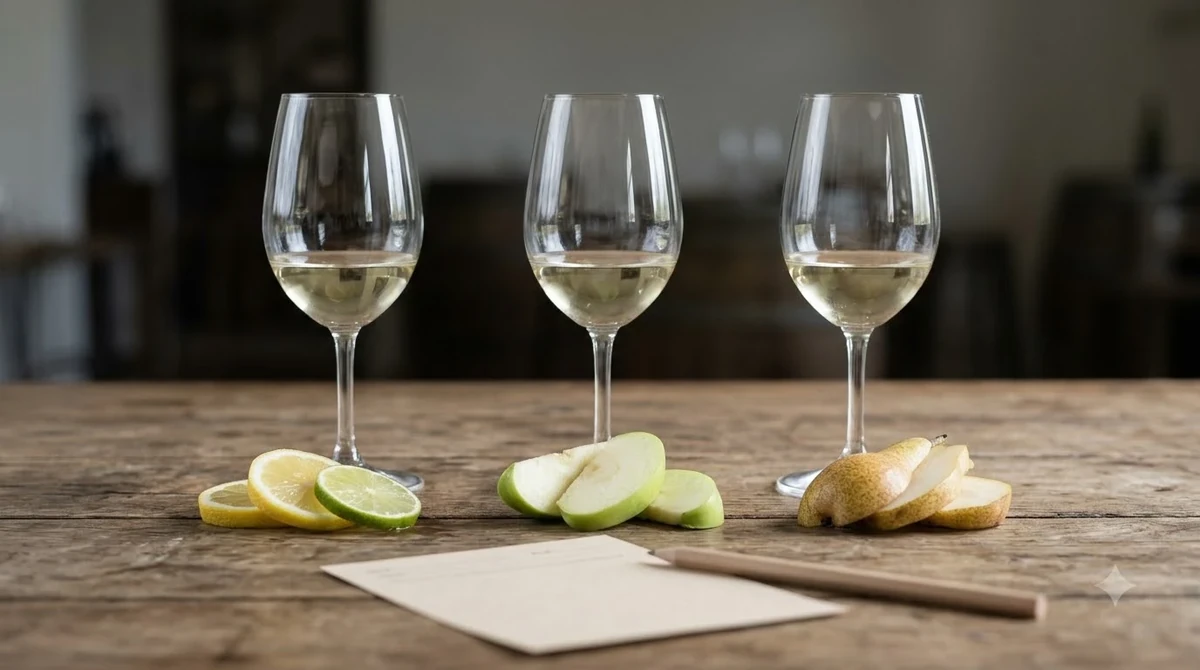
On its own, the grape tends to show lemon and apple fruit with a fresh, fruit-driven character, as VinePair notes. Peñín describes single-varietal Ribeiro wines as showing white fruit, citrus and floral notes, along with hints of balsamic herbs. The same guide says these wines are fresh with moderate alcohol, so the palate feels lively rather than heavy. The aromatic side is distinct, with a floral lift that usually comes forward before the fruit does.
Winemaking changes the picture. Peñín notes that quality Ribeiro wines made with lees work and barrel aging gain a certain unctuousness and structure, which gives them more weight than a light, simple white. A wine like that feels rounder in the mouth than a bright, unoaked version. When a bottle is 100 percent Treixadura, the grape’s floral and citrus character tends to stand out more, because there is no partner grape to mix with it. Most bottles finish clean and dry, which is part of the wine’s appeal at the table.
Single-Varietal Bottles Versus Blends
Most Treixadura ends up in a blend, although 100 percent Treixadura bottlings are common enough to compare side by side.
According to the Museo do Viño de Galicia, the majority of wines made from the grape are blends, usually with torrontés, godello, loureira, lado and albariño. Peñín adds that Treixadura is the leading variety in Ribeiro’s blends, though single-varietal bottlings are frequent. VinePair explains the logic of the blend: Treixadura adds body and alcohol, two structural components that suit a region known for high-acid whites.
The common partners each add a different character. Albariño brings a bright, tart edge, Godello contributes a mineral signature, and Loureiro adds aromatic lift. When you read a label, the grape list tells you what to expect, and a single-varietal bottle is the best way to see the grape without a partner. If you are building a shopping list of Spanish whites, our Wine by Type guide places this style next to other white wines so you can compare them directly.
Pairing Treixadura with Food
Treixadura is at its best with seafood, shellfish and garlic-forward dishes, where its acidity and body keep the wine and food in balance.
Decanter’s Galicia guide describes a meal that fits the wine well: garlicky zamburiñas, or queen scallops, followed by roast kid, served with a bottle of Finca Misenhora or Finca Os Loureiros from the Casal de Armán estate, which the González Vázquez family runs. Both are single-vineyard whites in which the straw-gold, peachy Treixadura plays a starring role. The briny sweetness of the shellfish and the garlic both sit comfortably against the wine’s fruit, while the acidity keeps the mouth fresh between bites.
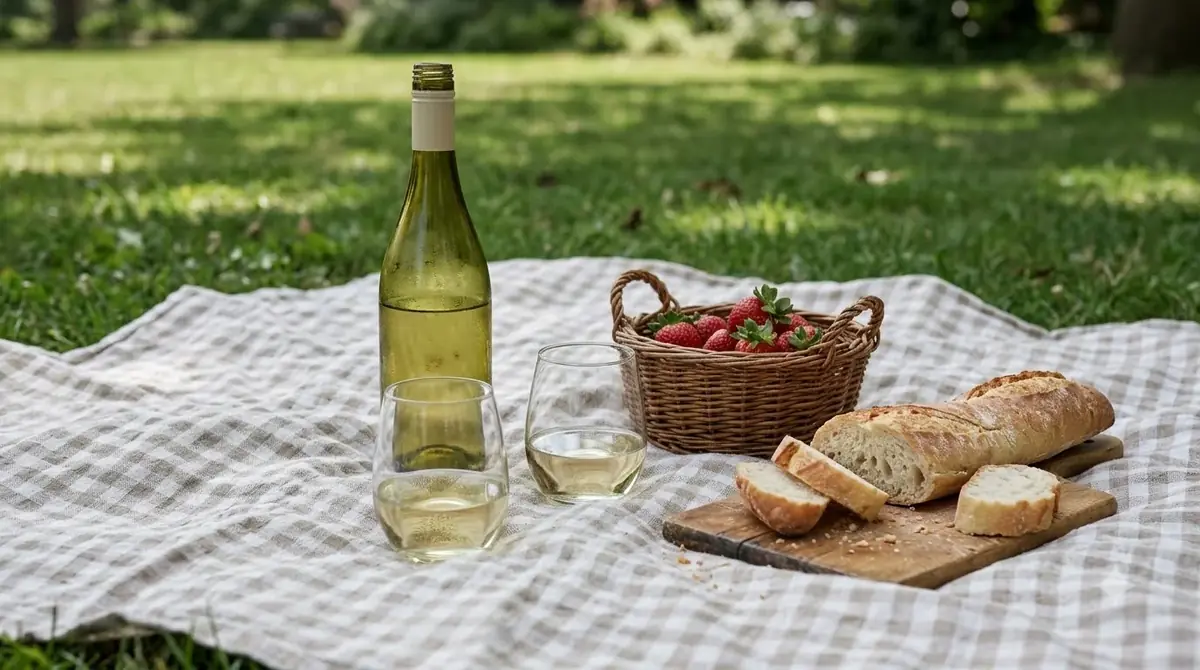
Use the dish’s acidity as your guide. Lemon-dressed seafood, grilled sardines, steamed mussels and fried calamari have enough acid to meet the wine on equal terms, and a squeeze of citrus will not make the pairing feel thin. Roast chicken with herbs, soft white cheeses and lightly spiced vegetable dishes also work, since the wine’s body keeps it from feeling sharp. Avoid sweet desserts, because a dry wine will taste thin next to sugar. If you cook with chili, choose a milder dish, since heat tends to amplify the alcohol and make the wine taste hotter.
Serving and Storing Treixadura at Home
Serve Treixadura lightly chilled, usually between 45 and 55 F, and finish open bottles within a few days for the best fruit.
Lighter, unoaked bottles are best at 45 to 50 F, while fuller wines with lees texture or barrel time show more of their character at 50 to 55 F. Pour about 5 ounces per glass, which gives roughly five glasses from a 750 ml bottle. If a bottle feels tight straight from the fridge, let it sit for a few minutes, since the aromas open as the wine warms slightly.
Store unopened bottles on their side in a cool, dark place, ideally near 55 F, so the cork stays moist. Once opened, still white wines keep for about three to five days in the fridge, and the fresh fruit fades over that stretch. Reseal the bottle tightly and keep it cold between pours.
Tip: Chill the bottle for about an hour before serving, then pour a small taste first. If the wine seems flat or dull, it is usually still too cold, and a few minutes out of the fridge will bring the fruit forward. If it smells heavy and closed, it has probably warmed too far, so move it back to the fridge for a short time.
| Measure | Typical figure |
|---|---|
| Earliest historical reference | 18th century |
| Alcohol the grape can reach | 12 to 13% |
| Midday summer heat in the Ribeiro area | Above 30°C, with cool nights |
| Albariño share of Rías Baixas harvest | 96% of grapes harvested |
| Serving temperature for lighter whites | 45 to 50 F |
| Serving temperature for fuller whites | 50 to 55 F |
| Pour per glass | 5 oz, about 5 glasses per 750 ml bottle |
| Opened still white, kept in the fridge | 3 to 5 days |
Frequently Asked Questions
Is treixadura wine sweet or dry?
Most Treixadura wines from Ribeiro are dry. VinePair notes that the appellation also makes Viño Tostado, a sweet wine produced by the appassimento method, in which grapes are dried before they are pressed. If you see one on a menu, expect a dessert-style wine rather than an everyday dry white.
Where else in Galicia is treixadura grown?
Treixadura also appears in Monterrei, the southernmost winemaking area in Galicia, where whites are made from Godello and Treixadura. VinePair also says that O Rosal, which lies across the Miño from Portugal, is most likely to blend Albariño with Loureiro and Treixadura. Outside Ribeiro, the grape usually plays a supporting role rather than the lead.
How does Loureiro differ from treixadura?
Loureiro is high in acidity and low in alcohol, which makes it a useful counterpart to Treixadura in a blend, according to VinePair. It adds aromas of orange oil and fruit blossom that sit alongside the grape’s citrus and floral notes. That contrast explains why the two are so often found together in Ribeiro bottles.
What kind of red wine does Ribeiro produce?
Decanter’s Galicia guide notes that red wines once outnumbered whites in Ribeiro, but whites now dominate the region. VinePair says the reds are typically made from Caiño, which brings high acidity and strong tannins. If you want to try one, look for a firm, acid-driven bottle rather than a plush, fruit-heavy style.
Which Ribeiro estate uses all four signature grapes?
Decanter’s Galicia guide points to Finca Viñoa, a newly established estate high above the River Avia, which planted Treixadura, Albariño, Godello and Loureira for a single white blend. The owners carved terraces into a granite hillside streaked with schist to make room for the vines. It is a useful example of how the region’s signature grapes come together in one bottle.
Treixadura rewards readers who look past the label and into the region. Start with a Ribeiro blend and a single-varietal bottle to compare the grape’s two faces, then pair them with seafood served at the right temperature. You will quickly see why this native Galician white has earned its place alongside Albariño and Godello.
More in Wine Types & Grapes
 Zinfandel Sugar Content: Dry Red vs. White Zinfandel GramsUpdated Nov 21, 2026
 Best Zinfandel Substitute Options for Sipping and CookingUpdated Nov 21, 2026
 Zweigelt Food Pairing: Best Dishes, Cheeses, and Serving TipsUpdated Nov 21, 2026
 Zinfandel Tannins Explained: How Structure Shapes Every BottleUpdated Nov 21, 2026
 Zinfandel Sweetness Level: Dry Red vs. Sweet White Zin ExplainedUpdated Nov 21, 2026
 Xinomavro Food Pairing: Best Dishes, Styles, and Serving TipsUpdated Nov 21, 2026