
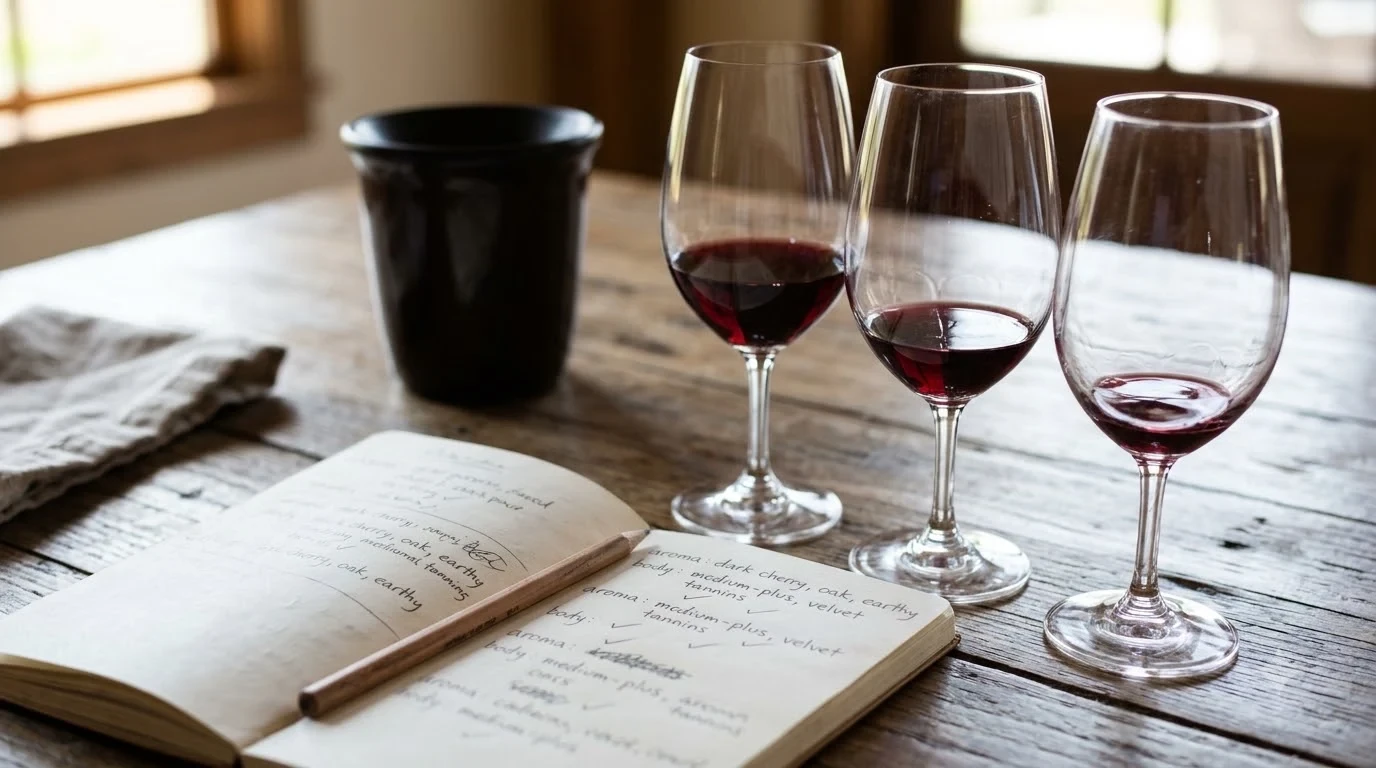

We may earn a commission when you buy through links on this page, at no extra cost to you. Learn more.
Torrontes tasting notes typically feature rose petals, jasmine, geranium, peach, citrus, and orange blossom, followed by a dry, refreshing palate with medium acidity. This aromatic white wine comes primarily from Argentina, where Torrontés Riojano produces particularly expressive examples. Although its perfume can suggest sweetness, most bottles are dry, making Torrontés an excellent choice for seafood, fresh herbs, and boldly seasoned Asian dishes.
Torrontés offers a distinctive combination of floral fragrance and crisp white-wine freshness. Its Muscat-like aromas make it immediately recognizable, while its relatively light body and savory finish give it a different character from sweeter aromatic wines. Understanding its appearance, nose, palate, and regional variations makes it easier to recognize the grape and choose a bottle that suits your preferences.
What Torrontés Wine Looks and Smells Like
Torrontés is best recognized by its expressive floral fragrance, which often appears more intense than its relatively light body would suggest. In the glass, expect pale straw or light yellow coloring, followed by recognizable aromas of flowers, citrus, and ripe orchard fruit.

Its appearance is generally bright and clear. Young examples commonly display pale yellow tones, sometimes accompanied by greenish reflections. Some wines develop slightly deeper golden hues, particularly when grapes reach greater ripeness or winemaking introduces additional texture.
The nose is where Torrontés makes its strongest impression. Rose petals, jasmine, geranium, and orange blossom form the central aromatic group. These scents can be accompanied by honeysuckle and a distinctly grapey fragrance reminiscent of Muscat. Rather than smelling like a neutral white wine, Torrontés usually announces itself immediately after pouring.
Fruit aromas provide another layer. Peach, apricot, lychee, and orange are common descriptors, while lemon peel and citrus zest contribute freshness. Depending on the growing conditions and producer, a glass may lean toward delicate white flowers and fresh peach or toward more tropical fruit and pronounced orange blossom.
Spicy and herbal notes can also appear. Ginger, fresh herbs, and occasionally a subtle mineral impression add complexity without taking attention away from the floral character. These secondary aromas are particularly interesting when tasting Torrontés alongside Gewürztraminer or aromatic dry Riesling.
For a first tasting, try identifying three aromas rather than attempting to name everything in the glass. Rose, peach, and lemon make a useful starting combination. Then revisit the nose after a few minutes to see whether jasmine, geranium, or tropical fruit becomes more noticeable.
How Torrontés Tastes on the Palate
Most Torrontés is dry, light to medium-bodied, and refreshing, with medium acidity that can become particularly lively in wines from cooler, high-altitude vineyards. The palate often repeats the floral and fruit impressions found on the nose but adds citrus freshness and a slightly savory finish.
The first sip may seem sweeter than expected because the aromatic intensity creates an impression of ripe fruit and floral sweetness. However, fragrance and residual sugar are different things. A wine can smell like rosewater, peach nectar, and orange blossom while containing very little residual sugar.
Peach and apricot commonly provide the central fruit flavors. Lemon, orange peel, and grapefruit can bring additional brightness, while lychee and ripe melon sometimes appear in more tropical expressions. The balance between these flavors depends on ripeness, vineyard location, and the winemaking approach.
Acidity gives Torrontés its refreshing character. It helps balance the aromatic richness and keeps the wine from feeling heavy. Although the grape is not always as sharply acidic as Sauvignon Blanc or Riesling, good examples maintain enough freshness to complement flavorful food.
Body generally falls between light and medium. Torrontés is not usually as weighty as an oaked Chardonnay, but certain examples develop a broader texture through ripe fruit, lees contact, or barrel maturation. Most have little to no perceptible tannin, which makes their texture smooth rather than drying.
The finish can include citrus peel, floral impressions, and a faint bitter note reminiscent of grapefruit pith. This gentle bitterness is not necessarily a flaw. It can provide a useful counterpoint to ripe fruit and help the wine finish with a savory impression.
| Tasting characteristic | Typical Torrontés profile |
|---|---|
| Color | Pale yellow to light gold |
| Primary aromas | Rose, jasmine, geranium |
| Fruit flavors | Peach, apricot, lychee, citrus |
| Sweetness | Usually dry |
| Acidity | Medium to high |
| Body | Light to medium |
| Tannin | Very low to negligible |
| Typical alcohol | 11.5–13.5% ABV |
| Serving temperature | 45–50°F |
| Best drinking window | Generally enjoyed young |
These characteristics describe a representative dry style rather than a fixed formula. Producers, vineyard conditions, grape maturity, and cellar techniques can create meaningful differences between bottles.
The Three Torrontés Varieties and Their Differences
Torrontés is the name used for three closely related Argentine grape varieties: Torrontés Riojano, Torrontés Sanjuanino, and Torrontés Mendocino. Torrontés Riojano is the most widely planted and is generally regarded as the strongest choice for fine, aromatic varietal wines.
Torrontés Riojano is the variety most closely associated with the distinctive floral wines that have introduced Argentina to international white-wine drinkers. Its perfume can include rose, jasmine, geranium, and honeysuckle, with peach, citrus, and tropical fruit adding depth. It is particularly successful in high-altitude growing areas, including Cafayate in Salta.
Riojano generally offers the most expressive combination of fragrance, fruit, and freshness. The best examples show how an intensely aromatic wine can remain dry and balanced. Although its name refers to La Rioja, it is also important in other Argentine provinces, especially Salta.
Torrontés Sanjuanino is associated with San Juan, where much of its traditional cultivation has taken place. It shares the family’s aromatic qualities, although its wines are generally less associated with premium fine-wine production than Riojano. The variety is also used for table grapes and less elaborate wine styles.
Torrontés Mendocino is another member of the family, with relatively limited plantings compared with Riojano. Its aromatic intensity and suitability for fine wine production are generally considered less pronounced. It is also used for table grapes rather than exclusively for winemaking.
The distinction matters because the three varieties do not necessarily produce identical wines. Riojano is the most useful reference point when learning the classic Torrontés tasting profile, while Sanjuanino and Mendocino demonstrate the wider diversity within the grape family.
There is also a genetic connection worth understanding. Research by Argentina’s National Institute of Viticulture identifies Muscat of Alexandria and Criolla Chica as the likely parents of Torrontés Riojano and Sanjuanino. The Muscat parent helps explain the characteristic floral perfume that makes the wines so recognizable.
How Argentina’s Wine Regions Shape Torrontés
Argentina is the essential reference point for understanding Torrontés, and the country’s different growing areas produce distinct expressions. Salta’s high-altitude vineyards, La Rioja’s traditional plantings, and Mendoza’s growing areas each contribute different combinations of fragrance, fruit, acidity, and body.
Cafayate and the Calchaquí Valleys in Salta are among the most celebrated places to find Torrontés. The vineyards benefit from considerable elevation, abundant sunshine, and cool nighttime conditions. These environmental factors help preserve freshness while encouraging expressive aromatic development.
Cafayate wines often show pronounced jasmine, rose, lychee, and citrus aromas. Many are light to medium-bodied, with crisp acidity and an energetic finish. Some older-vine examples can be more concentrated, offering additional fruit depth and texture without losing their floral identity.
La Rioja is another important region with a long connection to the grape. Its Torrontés wines can show less exuberant floral perfume than those from the Calchaquí Valleys, while offering a little more body. Peach, citrus, and gentle herbal impressions may become more prominent than intensely tropical aromas.
Mendoza produces Torrontés across several growing areas. Its importance is also reflected in national vineyard statistics: Argentina’s National Institute of Viticulture recorded 3,428 hectares of Torrontés in Mendoza in its 2025 preliminary figures, compared with 2,155 hectares in San Juan and 1,580 hectares in La Rioja.
These regional differences are useful when selecting a bottle. Someone who enjoys intensely floral wines may prefer a Cafayate example, while someone looking for a little more texture may enjoy a wine from La Rioja or a carefully made Mendoza bottling.
Wines of Argentina also highlights the diversity of Torrontés styles from Cafayate and Chilecito, including wines with citrus and floral aromas such as orange blossom and rose. The differences demonstrate why the grape should not be treated as a single, unchanging flavor profile.
For additional Argentine wine exploration, compare these white wines with the fruit and structure found in grenache tasting notes or the more tannic profile of petit verdot tasting notes. These comparisons help explain how grape variety and growing conditions influence what appears in the glass.
How to Serve and Taste Torrontés Properly
Torrontés is best served chilled at 45–50°F, using a standard white-wine glass that allows its floral aromas to develop. It generally needs no decanting and is best enjoyed while its primary fruit and floral characteristics remain fresh.
Serving temperature makes a noticeable difference. If the wine is too warm, its alcohol and ripe fruit impressions can become more prominent, making the palate seem less refreshing. If it is excessively cold, delicate jasmine, rose, and peach aromas can become difficult to identify.
Remove the bottle from the refrigerator briefly before pouring if it feels excessively cold. A temperature-controlled serving approach helps reveal both the fragrance and the acidity. A medium-sized white-wine glass is preferable to a narrow glass because it provides enough space to appreciate the wine’s aromatic character.
A simple tasting sequence
Start by examining the wine against a white background. Look for pale straw coloring, bright clarity, and occasional greenish reflections. These visual details establish the wine’s general appearance before you move to its aroma.
Next, swirl the glass gently and smell the wine without immediately taking a sip. Look for floral aromas first, especially rose and jasmine. Then try to identify fruit such as peach, apricot, lychee, or lemon. If you notice ginger or orange blossom, consider these additional clues rather than treating them as essential characteristics.
Take a moderate sip and allow the wine to coat your palate. Notice whether the first impression is citrus-driven, floral, or fruit-forward. Consider how the acidity balances the aromatic fruit and whether the finish is clean, savory, or slightly bitter.
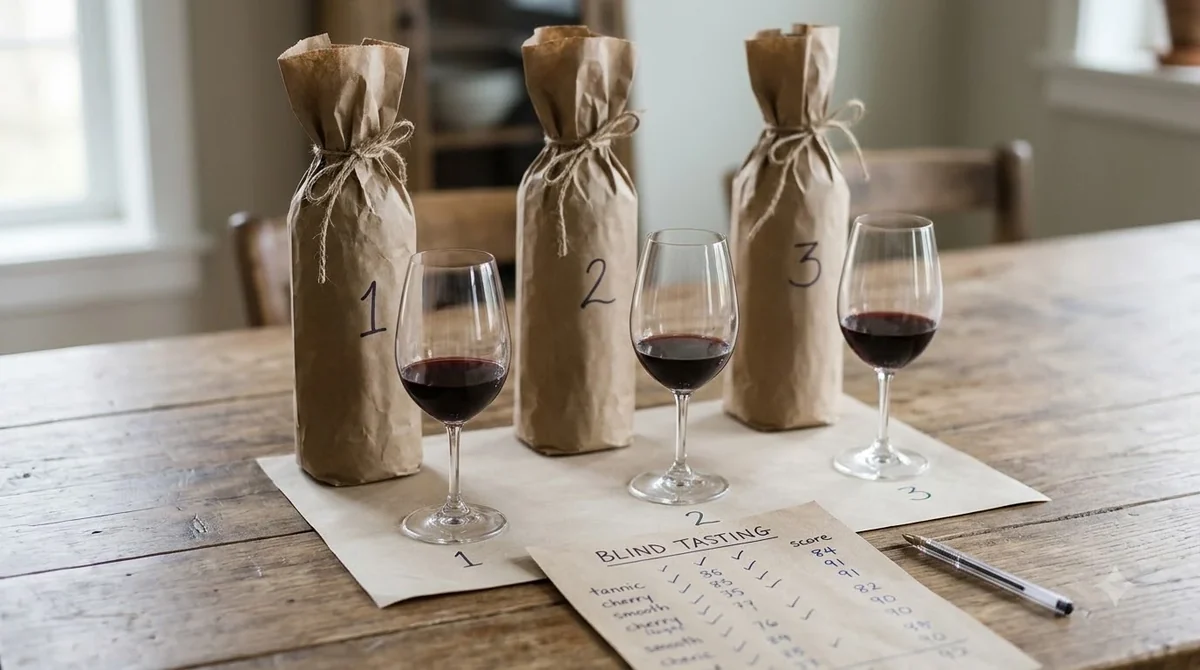
Finally, compare the aroma with the actual sweetness. Most dry Torrontés will smell much sweeter than they taste. This contrast is one of the most useful characteristics to remember when identifying the grape in a blind tasting.
Tip: Taste Torrontés alongside a dry Riesling or Sauvignon Blanc. Compare the floral perfume, citrus intensity, acidity, and finish. Torrontés is particularly easy to recognize once you learn to separate its sweet-smelling aromas from its usually dry palate.
Freshness is another important consideration. Torrontés generally benefits from drinking relatively young, when the floral and fruit aromas are at their most expressive. Although some carefully produced wines can develop additional complexity, long-term cellaring is not necessary for the typical everyday style.
For a bottle intended for immediate enjoyment, keep it refrigerated after opening and aim to finish it within three to five days. Use a suitable closure and minimize unnecessary exposure to air to help preserve the wine’s aromatic character.
Best Food Pairings for Torrontés
Torrontés pairs particularly well with seafood, aromatic herbs, spicy Asian cuisine, and lighter proteins because its floral aromas and refreshing acidity complement flavorful dishes without requiring heavy sauces. Its dry style also makes it suitable for meals featuring citrus, ginger, and fresh herbs.
Seafood and fish are natural partners. Grilled shrimp, crab, white fish, and ceviche work well because their delicate textures allow the wine’s floral and citrus characteristics to remain noticeable. Lime juice and fresh cilantro in ceviche also connect with the citrus and herbal impressions found in many Torrontés wines.
Choose preparations with moderate seasoning rather than heavy, oily sauces. Lightly grilled fish, steamed shellfish, and citrus-marinated seafood are particularly suitable. Torrontés is generally a better match for lean seafood than for oily fish served with rich sauces.
Thai and Vietnamese cuisine offer especially interesting combinations. Dishes featuring lemongrass, cilantro, basil, ginger, lime, and coconut can complement the wine’s aromatic character. Vietnamese spring rolls with fresh herbs, grilled chicken with lemongrass, and lightly seasoned shrimp dishes are useful options.
For Thai food, consider coconut-based curries, chicken satay, and dishes featuring ginger or aromatic herbs. A dry Torrontés can refresh the palate between bites, while its floral character works well with fragrant ingredients.
However, pay attention to chili heat. Alcohol and tannin can amplify the sensation of chili, so particularly hot dishes may make a wine feel harsher. Torrontés usually has little tannin, but its alcohol can still intensify spicy sensations. For very hot dishes, choose a slightly off-dry expression if available, or reduce the chili level.
Indian cuisine is another good match, particularly when dishes include coriander, cumin, turmeric, ginger, and coconut. Mild vegetable curries, tandoori chicken, and aromatic rice dishes can complement the wine without overwhelming its fragrance.
For dishes with stronger spice, consider the wine’s sweetness carefully. A wine should generally be at least as sweet as the dessert or sweet component it accompanies. In savory spicy dishes, a slightly off-dry wine can soften the impression of heat, while a dry Torrontés works best with balanced seasoning.
Cheese and lighter meat dishes offer further possibilities. Fresh goat cheese, feta, paneer, and other moderately salty cheeses can pair well with Torrontés. Salt softens the perception of acidity and makes the wine feel more approachable alongside savory food.
Chicken, pork, tofu, and lightly seasoned grilled vegetables also make suitable partners. Try roasted chicken with lemon and herbs, tofu with ginger, or grilled zucchini with fresh mint. These dishes have enough flavor to complement Torrontés without dominating its relatively delicate structure.
For more aromatic white-wine comparisons, explore sancerre tasting notes. Sancerre is usually based on Sauvignon Blanc and offers a different expression of citrus, acidity, and herbaceous character, making it an interesting alternative for seafood and fresh vegetable dishes.
How Torrontés Compares With Other Aromatic White Wines
Torrontés shares some characteristics with Muscat, Riesling, and Gewürztraminer, but its usual dry finish and distinctive floral profile give it a separate identity. Comparing these grapes helps explain why Torrontés can smell sweet without tasting like a dessert wine.
Torrontés versus Muscat
Muscat is famous for its highly aromatic character, with floral, grapey, and citrus-like notes. Torrontés has a similar perfume because of its genetic connection to Muscat of Alexandria. However, Torrontés is most commonly made as a dry white wine, while Muscat appears in dry, off-dry, sweet, and sparkling styles.
Someone who enjoys the fragrance of Moscato but wants a drier wine may find Torrontés particularly appealing. Both varieties can show rose and orange blossom, although the finished wines can differ significantly in sweetness, acidity, and body.
Torrontés versus Riesling
Riesling generally has high acidity and can be made in styles ranging from bone-dry to intensely sweet. Torrontés is also aromatic, but its signature character tends to emphasize rose, jasmine, peach, and geranium.
Dry Riesling often places greater emphasis on lime, green apple, stone fruit, and mineral impressions. Torrontés is more likely to lead with floral perfume and a Muscat-like fragrance. Both can complement Asian cuisine, although their acidity and sweetness levels vary between individual bottles.
Torrontés versus Gewürztraminer
Gewürztraminer is another intensely aromatic white wine, commonly showing rose, lychee, tropical fruit, and spice. It can have a fuller body and lower acidity than Torrontés, depending on its origin and style.
Torrontés generally feels lighter and more refreshing, with citrus freshness providing a counterpoint to its floral character. Gewürztraminer may offer a broader, richer palate, while Torrontés often finishes with a cleaner, more refreshing impression.
Choosing between these varieties
Choose Torrontés if floral aromas are appealing but you prefer a mostly dry, relatively light white wine. Choose Riesling if higher acidity and a wider range of sweetness levels are important. Muscat suits drinkers who enjoy pronounced grapey aromas, while Gewürztraminer is a good option for those who prefer a more expansive aromatic profile.
For a detailed overview of its flavor profile, serving recommendations, and food matches, Wine Folly’s Torrontés grape guide provides another useful reference for comparing the variety with other aromatic whites.
Exploring these grapes alongside other wines through Wine by Type can also help clarify the differences between aromatic, crisp, full-bodied, and sweet white wines.
Frequently Asked Questions
Is Torrontés related to Spanish Torrontés grapes?
Argentina’s Torrontés varieties have a distinct genetic history associated with Criolla Chica and Muscat of Alexandria. The name Torrontés is also used for certain unrelated Spanish grape varieties, so the shared name does not necessarily indicate the same genetic identity. The Argentine varieties are the reference point for the floral white wine described in this article.
Can Torrontés be made into sparkling wine?
Yes. Although still dry white wine is the familiar expression, aromatic grapes such as Torrontés can also be used in sparkling wine production. The resulting style can emphasize floral perfume and fresh fruit, with the bubbles adding another dimension to the drinking experience.
Does Torrontés have a recognizable wine glass shape?
There is no special glass reserved exclusively for Torrontés. A medium-sized white-wine glass with a bowl that narrows slightly toward the rim is suitable for capturing its floral aromas. A very large glass is unnecessary because the wine is generally light to medium-bodied.
Can Torrontés be used in wine cocktails?
Yes. Its floral fragrance and citrus character make it suitable for light white-wine spritzers and fruit-forward wine cocktails. It can work with soda water, lemon, and fresh herbs, although the additional ingredients should not overwhelm its delicate aromatic profile.
What does the name Cafayate mean for a Torrontés wine?
Cafayate identifies a wine-growing area in Salta Province, Argentina, within the Calchaquí Valleys. Its name is particularly important because the area is recognized for expressive, high-altitude Torrontés. The location can provide useful information about the wine’s origin, although the producer and vineyard conditions still influence its individual character.
Torrontés is an excellent grape to explore if you enjoy floral aromas, fresh fruit, and a dry white-wine finish. Its distinctive combination of rose, jasmine, peach, and citrus makes it recognizable, while Argentina’s different growing regions offer plenty of variation to discover. Start with a young Torrontés Riojano from Cafayate, serve it chilled, and pair it with seafood or aromatic Asian cuisine to appreciate its defining characteristics.
More in Wine Types & Grapes
 Zinfandel Sugar Content: Dry Red vs. White Zinfandel GramsUpdated Nov 21, 2026
 Best Zinfandel Substitute Options for Sipping and CookingUpdated Nov 21, 2026
 Zweigelt Food Pairing: Best Dishes, Cheeses, and Serving TipsUpdated Nov 21, 2026
 Zinfandel Tannins Explained: How Structure Shapes Every BottleUpdated Nov 21, 2026
 Zinfandel Sweetness Level: Dry Red vs. Sweet White Zin ExplainedUpdated Nov 21, 2026
 Xinomavro Food Pairing: Best Dishes, Styles, and Serving TipsUpdated Nov 21, 2026