

We may earn a commission when you buy through links on this page, at no extra cost to you. Learn more.
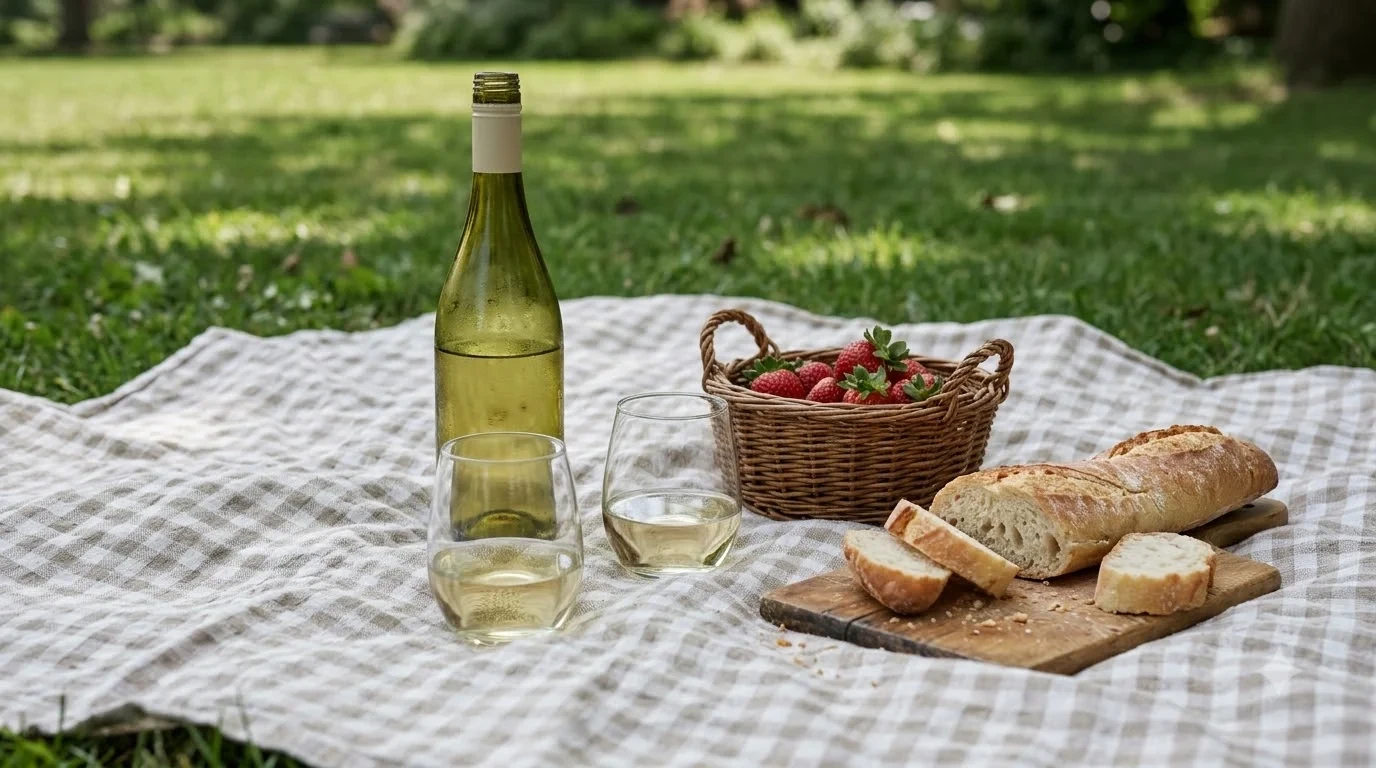
Torrontes food pairing works best with spicy Asian cuisine, fresh seafood, grilled chicken, aromatic herbs, and lightly seasoned vegetables. This Argentine white wine combines expressive floral aromas with refreshing acidity and a typically dry finish. Its aromatic character complements fragrant seasonings, while its freshness balances rich sauces and savory dishes without overpowering delicate ingredients.
Torrontés is one of Argentina’s most distinctive white wines, recognized for its perfume of rose petals, jasmine, citrus, and ripe stone fruit. Although its aromas can suggest sweetness, most bottles are dry, making the wine particularly useful with savory meals that include ginger, cilantro, lemongrass, chili, and other assertive seasonings. From Thai green curry to grilled shrimp and traditional Argentine empanadas, the right pairing brings out both the wine’s fragrance and the food’s character. Understanding its acidity, body, and aromatic intensity makes choosing complementary dishes much easier.
Understanding Torrontés Before Choosing Food
Torrontés is an aromatic white wine with a typically dry palate, medium-light body, and fresh acidity. Its floral perfume makes it especially effective with fragrant foods, while its relatively light structure favors seafood, poultry, and vegetable dishes over heavy meat preparations.
Argentina recognizes three distinct varieties: Torrontés Riojano, Torrontés Sanjuanino, and Torrontés Mendocino. Riojano is the most widely planted and is generally considered the strongest variety for producing expressive fine wines. The high-altitude vineyards around Cafayate in Salta are particularly associated with aromatic Torrontés. These wines often show rose, jasmine, geranium, citrus, and peach characteristics.
One important distinction is the difference between aroma and actual sweetness. Torrontés can smell remarkably sweet because of its floral and ripe-fruit perfume, but that impression does not mean the wine contains substantial residual sugar. A dry bottle can therefore work beautifully with savory food, including dishes that use fragrant spices or a little chili.
Its structure also explains why it is not simply interchangeable with every other white wine. Chardonnay can have more body and a softer aromatic profile, while Sauvignon Blanc often emphasizes sharper herbal and citrus characteristics. Torrontés occupies a particularly aromatic position, making it an interesting alternative to these familiar choices.
For a broader comparison, albarino food pairing is another useful subject to explore. Albariño and Torrontés can both work with seafood, but their aromatic profiles and regional identities create different dining experiences.
Thai, Indian, and Other Spicy Asian Dishes
Spicy Asian cuisine is among the strongest choices for Torrontés because the wine’s floral aromas and refreshing acidity complement fragrant spices, herbs, and flavorful sauces. Thai coconut curry, Indian chicken tikka, Vietnamese herb dishes, and Chinese ginger preparations are particularly promising combinations.
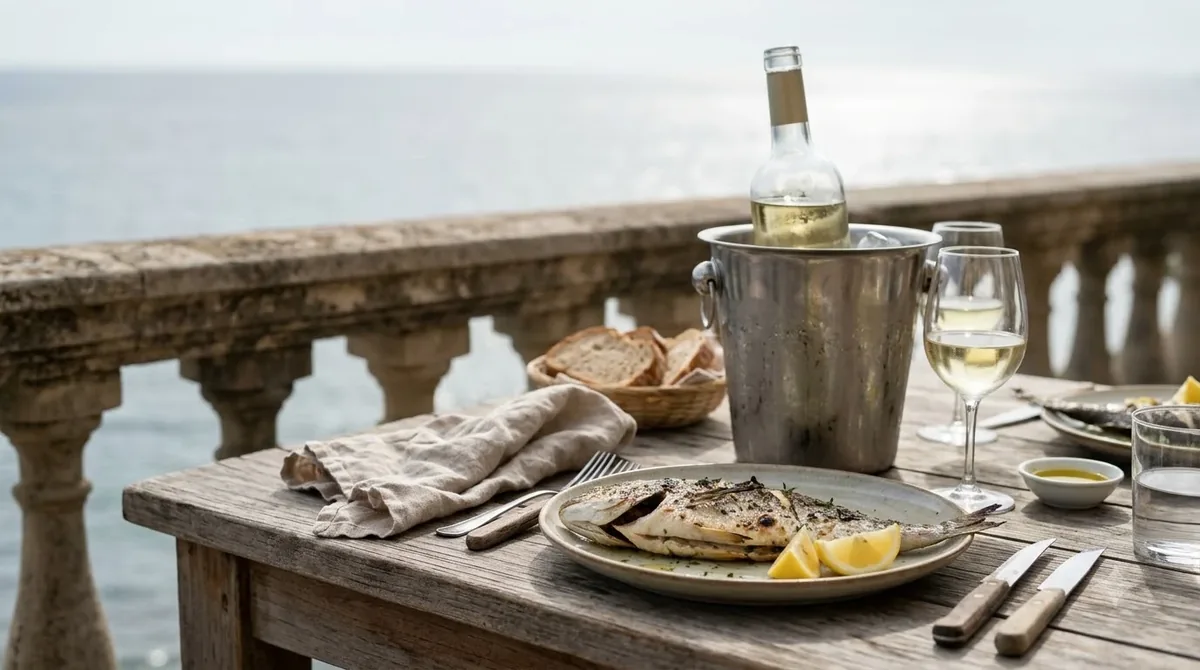
Thai green curry is an excellent starting point. Its combination of coconut milk, green chili, lemongrass, galangal, and Thai basil creates several layers of flavor. Torrontés contributes floral aromas that complement the herbs, while its acidity refreshes the palate between spoonfuls of creamy curry. Chicken, shrimp, or tofu versions are especially suitable because their relatively delicate flavors allow the wine to remain noticeable.
Indian food offers several other possibilities. Chicken tikka, vegetable korma, mild coconut-based curries, and dishes seasoned with coriander, cumin, turmeric, and ginger can work particularly well. The wine’s aromatic profile meets the fragrance of the spices without requiring an intensely flavored red wine. Paneer dishes are another useful option, especially when prepared with herbs and a moderately rich sauce.
Vietnamese food also provides excellent opportunities. Fresh spring rolls with shrimp, mint, cilantro, and rice noodles make a refreshing match. Grilled chicken with lemongrass, bánh xèo with shrimp, and lightly seasoned seafood salads can also complement the wine. A dipping sauce containing lime, fish sauce, and a modest amount of chili brings acidity and savory depth to the combination.
Chinese dishes with ginger, scallions, sesame, and mild chili can be equally successful. Consider steamed fish with ginger, chicken stir-fried with vegetables, or tofu with a light garlic sauce. The important consideration is keeping the seasoning balanced rather than relying on overwhelming heat.
Tip: Match Torrontés with aromatic spice rather than extreme chili heat. Alcohol can amplify the sensation of chili, so a moderately spicy Thai curry or ginger-based stir-fry is generally more comfortable than an intensely hot dish.
Wine Folly also identifies coconut curries and Thai-spiced peanut dishes as particularly suitable partners for Torrontés. Its recommendations include chicken satay, curried shrimp, and glazed tofu, illustrating how well the wine works with savory dishes built around aromatic seasonings. Its Torrontés grape and food pairing guide provides additional examples of compatible proteins, vegetables, cheeses, and herbs.
Seafood, Shellfish, and Fresh Fish
Seafood is a natural match for Torrontés because the wine’s acidity refreshes the palate and its floral aromas complement delicate marine flavors. Shrimp, crab, scallops, white fish, ceviche, and grilled calamari are particularly useful choices.
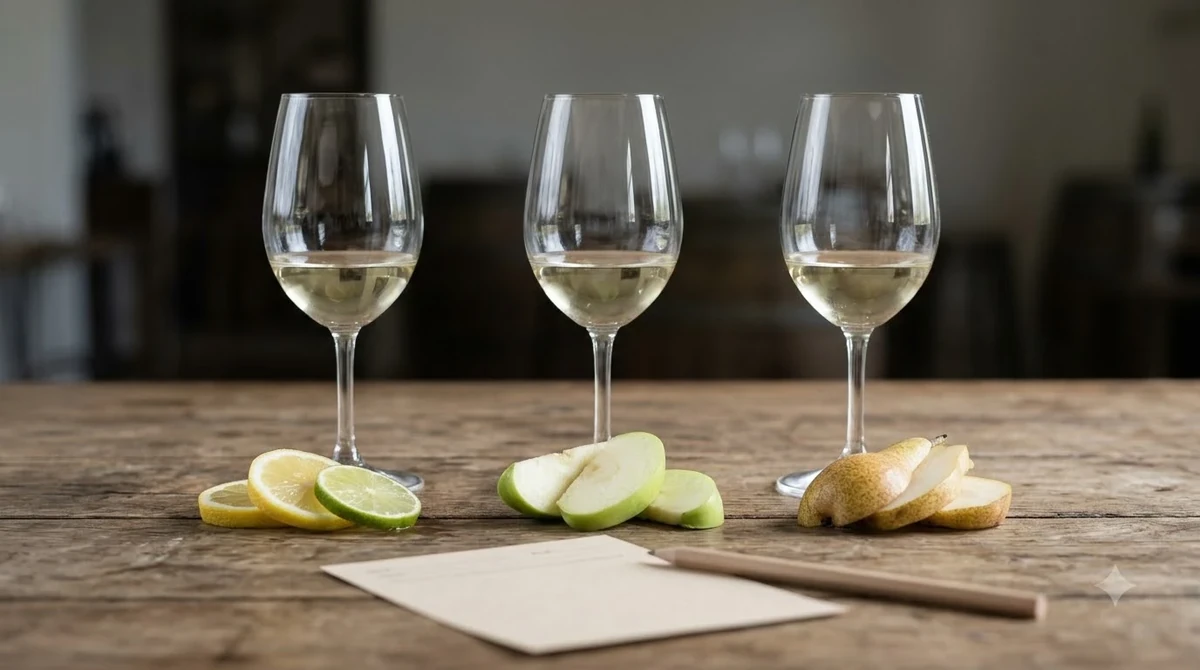
Grilled shrimp is one of the easiest combinations to prepare. Season the shrimp with lemon, garlic, parsley, and a little olive oil before grilling. The citrus freshness complements the wine’s acidity, while the lightly browned exterior adds enough savory character to make the pairing interesting. Avoid heavy barbecue sauces that could dominate the wine’s floral profile.
Crab is another excellent partner. Crab cakes made with fresh crab meat, herbs, breadcrumbs, and a restrained amount of seasoning provide enough richness to balance the wine’s crisp character. A lemon-based dressing or light mayonnaise sauce can add texture without making the dish too heavy. Producer recommendations for Torrontés also include crab and fish, supporting its suitability for seafood-centered meals.
For raw seafood, consider ceviche prepared with white fish, lime juice, cilantro, red onion, and a little chili. The wine’s aromatic qualities complement the fresh herbs, while its acidity matches the citrus-driven preparation. The key is to keep the ceviche balanced: excessive lime or very hot chili can make the wine seem less harmonious.
Steamed sea bass, grilled cod, and pan-seared halibut are other reliable choices. These fish have relatively delicate flavors that do not overwhelm a medium-light white wine. Serve them with lemon, fresh herbs, or a light vegetable sauce rather than a heavy, deeply reduced preparation.
Salmon can work when prepared with restraint. Try poached salmon with dill, grilled salmon with lemon, or a lightly seasoned salmon salad. However, avoid heavily smoked or oily preparations if they dominate the wine’s freshness. Torrontés is generally better suited to lighter fish preparations than to strongly flavored, fatty seafood dishes.
Decanter-style seafood recommendations are consistent with the advice from Argentine producers, who frequently suggest pairing Torrontés with prawns, fish, and other seafood. These characteristics make it useful for seafood menus that include both simple grilled preparations and moderately rich sauces.
Chicken, Pork, and Vegetarian Main Courses
Chicken, lightly seasoned pork, and vegetable-based main courses provide excellent alternatives to seafood. Torrontés has enough aromatic intensity to complement flavorful marinades but generally benefits from proteins that do not overwhelm its medium-light body.
Roast chicken with lemon, thyme, garlic, and parsley is a straightforward combination. The browned skin provides savory depth, while the herbs echo the wine’s aromatic qualities. A simple pan sauce made with chicken stock and lemon is preferable to an intensely reduced sauce that could make the wine seem comparatively delicate.
Chicken satay is another particularly successful preparation. Grilled chicken skewers with a peanut sauce containing ginger, lime, and coriander bring together sweetness, savory richness, and aromatic spice. Torrontés offers freshness against the sauce’s creamy texture. Keep the peanut sauce moderately sweet and avoid excessive chili to preserve the balance.
Pork can also work well. Try grilled pork chops with apple, coriander, and a light citrus glaze. The fruit element complements the wine’s peach and citrus characteristics, while the savory pork provides sufficient flavor. Chinese barbecue pork is another option, particularly when the glaze is balanced rather than excessively sweet.
Vegetarian dishes can be just as successful. Roasted cauliflower with cumin, zucchini with lemon and mint, and grilled summer squash with fresh herbs all provide complementary flavors. The wine’s aromatic character is particularly effective with ingredients such as cilantro, Thai basil, parsley, ginger, and coriander.
Tofu is another useful ingredient. Glazed tofu with ginger and soy sauce, vegetable stir-fry with sesame, or crispy tofu with a mild coconut dressing can all complement Torrontés. Choose preparations that provide texture and seasoning without burying the wine under heavy sauces.
For a more substantial vegetarian meal, consider a vegetable curry with chickpeas, potatoes, and coconut milk. The richness of the coconut and the fragrance of the spices work well with the wine’s fresh character. A moderate level of chili helps the food remain expressive without making the alcohol seem overly prominent.
For additional guidance on matching different wine structures with food, the Wine Pairing fundamentals can help explain why acidity, body, sweetness, and seasoning matter when planning a complete meal.
Cheese, Salads, and Argentine Regional Foods
Fresh cheeses, herb-driven salads, and traditional Argentine dishes offer several interesting Torrontés combinations. Its floral aromas and refreshing acidity are particularly useful with salty cheese, savory pastries, and vegetables seasoned with citrus and herbs.
Feta is a good starting point. Its saltiness and tangy flavor contrast with the wine’s fruit and floral aromas, creating a refreshing combination. Serve feta with cucumber, tomato, olives, and parsley for a Mediterranean-style salad that works well as a light lunch or appetizer.
Goat cheese is another suitable choice, particularly fresh or young varieties. The cheese’s tangy character complements the wine’s freshness, while its creamy texture adds contrast. A salad containing goat cheese, citrus segments, toasted nuts, and fresh greens can bring together several complementary flavors in one dish.
Other possibilities include paneer, young Manchego, mild Gruyère, and fresh sheep’s milk cheese. These cheeses generally work best when served without extremely strong accompaniments. Very aged, pungent cheeses can dominate Torrontés, especially when their saltiness and concentrated flavors exceed the wine’s intensity.
Salads provide plenty of flexibility. Try mixed greens with orange segments, avocado, cucumber, and a lemon dressing. Another option is a salad with grilled zucchini, fresh mint, chickpeas, and feta. These ingredients emphasize freshness and aromatic herbs rather than heavy fats or strong vinegar.
Argentina’s northwestern cuisine offers particularly interesting regional matches. Empanadas salteñas, filled with seasoned meat, onions, and other savory ingredients, provide a satisfying combination of pastry richness and aromatic seasoning. The wine’s freshness helps balance the filling, while its fragrance complements cumin and other spices.
Tamales are another traditional option. Corn-based dough and savory fillings create a substantial but relatively approachable pairing. Choose preparations with balanced seasoning and avoid excessively rich sauces. Vegetarian tamales with corn, cheese, or vegetables can also work.
For a casual appetizer spread, combine small empanadas, fresh goat cheese, grilled vegetables, and a bowl of olives. This selection gives Torrontés several different textures and flavors to complement without requiring a single dominant dish.
Bodegas Etchart, a producer in Cafayate, specifically recommends its Torrontés with empanadas, tamales, northern humitas, seafood, and Asian cuisine. Its Cafayate Terroir de Altura Torrontés description also highlights jasmine, orange blossom, peach, and pineapple characteristics that help explain these regional food combinations.
Desserts, Sweetness, and Foods to Avoid
Dry Torrontés is generally more successful with savory dishes than with very sweet desserts. Its floral aromas can suggest sweetness, but the actual palate is usually dry, so sugary desserts may make the wine taste sharper or more acidic by comparison.
For a dessert pairing, start with lightly sweetened fruit preparations. A citrus tart with moderate sweetness, fresh peaches with yogurt, or a fruit salad with mint can work with a dry Torrontés. The wine’s aromatic fruit character provides a connection to the ingredients without requiring a heavily sweet finish.
Cream-based desserts can also be worth considering. Lightly sweet panna cotta with lemon or a modestly sweet cream dessert can be reasonable choices. Avoid adding excessive sugar, caramel, or chocolate, which can overwhelm the wine’s relatively delicate structure.
If the meal includes a genuinely sweet dessert, choose a Torrontés specifically made in a sweet style. The basic pairing principle is that the wine should be at least as sweet as the dessert. Otherwise, the dessert can make a dry wine taste thin, sharp, and less satisfying.
Some foods are also more difficult to match with dry Torrontés. Very fatty red meats, intensely smoky barbecue, and heavily seasoned game can overwhelm its medium-light body. A substantial steak with a concentrated sauce is usually better suited to a more structured red wine.
Very hot chili preparations deserve special attention. The alcohol in wine can intensify the sensation of heat, and the aromatic character of Torrontés does not automatically make it suitable for every spicy dish. If a recipe contains large amounts of fresh chili, reduce the heat or choose a slightly sweeter wine style.
Finally, oily fish with strong flavors and very heavy sauces can make a delicate white wine seem less expressive. Torrontés is generally better alongside grilled, steamed, or lightly sauced seafood than with preparations that depend on intense smoke, heavy frying, or rich concentrated flavors.
Serving Temperature, Glassware, and Pairing Portions
Serve Torrontés chilled at approximately 45–50°F to preserve its freshness while allowing its floral and citrus aromas to remain expressive. A standard white wine glass and a moderate 5-ounce pour are sufficient for most meals.
Temperature matters because an excessively warm white wine can seem less refreshing, while an extremely cold wine may conceal some of its aromatic complexity. Remove the bottle from the refrigerator shortly before serving if it feels too cold, and let the wine warm gradually in the glass as the meal progresses.
A standard white wine glass with a moderately sized bowl provides enough room to appreciate the wine’s aromas without requiring a specialized glass. Avoid filling the glass completely. A 5-ounce pour leaves room to swirl the wine gently and release its floral character.
The following table provides practical serving guidance for Torrontés and several common food combinations.
| Serving detail | Recommended guideline | Practical reason |
|---|---|---|
| Serving temperature | 45–50°F | Preserves freshness and aromatic expression |
| Standard pour | 5 ounces | Leaves room for swirling and aromas |
| Standard bottle | 750 ml | Provides approximately 5 standard glasses |
| Chicken pairing | Grilled or roasted | Provides savory flavor without excessive weight |
| Seafood pairing | Grilled or steamed | Highlights delicate fish and shellfish flavors |
| Cheese pairing | Fresh or moderately aged | Balances saltiness and creamy texture |
| Opened bottle | 3–5 days refrigerated | Helps preserve remaining still wine |
When planning a dinner, one 750 ml bottle provides approximately five standard 5-ounce servings. For a meal with four guests, one bottle may be sufficient for a single wine course, while a longer dinner may benefit from additional bottles or another complementary wine.
Keep an opened bottle refrigerated and reseal it promptly. Most opened still wines retain their best character for approximately 3–5 days under refrigeration, although their aromas can gradually fade. Remove the bottle from the refrigerator shortly before the next serving.
For a multi-course meal, Torrontés can be served as an aperitif before moving into seafood, chicken, or lightly spiced vegetarian dishes. It can also accompany the main course throughout dinner when the menu uses consistent ingredients such as citrus, fresh herbs, and moderate spice.
Those who enjoy exploring other Argentine wines can also compare the food-friendly character of Torrontés with barbera food pairing or consider amarone food pairing for a more substantial red-wine menu. These wines have different structures, so the dishes that suit them will also differ.
Frequently Asked Questions
Is Torrontés the same grape as Spanish Torrontés?
No. Despite sharing a name, Argentine Torrontés and Spanish grapes called Torrontés are not necessarily the same variety. Argentine Torrontés Riojano has its own genetic identity, and research links it to Muscat of Alexandria and Criolla Chica. This distinction is important when comparing wines from Argentina with wines from Galicia.
Does Torrontés contain tannins?
Torrontés is a white wine with virtually no noticeable tannin in the finished glass. Unlike red wines that receive substantial tannin from extended contact with grape skins, it is generally fermented without the extraction associated with structured red wines. This makes it suitable for delicate seafood and fresh cheeses.
What is the difference between Torrontés Riojano and Torrontés Sanjuanino?
They are two genetically distinct Argentine varieties. Riojano is the most widely planted and is generally regarded as the leading variety for expressive fine wines, while Sanjuanino is often used in blends with other white grapes. Their different vineyard characteristics and winemaking choices can produce noticeably different aromatic intensity.
Can Torrontés be aged in oak barrels?
Yes. Although stainless steel is commonly used to preserve its fresh floral aromas, some producers incorporate oak into their winemaking. Different oak treatments can add texture and complexity while allowing the grape’s characteristic floral aromas to remain recognizable.
Why is Torrontés associated with high-altitude vineyards?
High-altitude vineyards in Argentina’s northwestern regions provide growing conditions that can help preserve freshness and aromatic character. Cafayate is a particularly recognized location, with vineyards around 1,700 meters above sea level. Cool nights and the region’s distinctive growing environment contribute to the character of its expressive white wines.
Torrontés is an excellent choice for meals built around fragrant spices, seafood, poultry, fresh cheeses, and vegetables. Its combination of floral aromas, dry character, and refreshing acidity makes it especially useful with cuisines that feature ginger, cilantro, citrus, and coconut. Start with Thai curry, grilled shrimp, or chicken satay, serve the wine at 45–50°F, and build the rest of the menu around its aromatic freshness.
More in Food & Wine Pairing
 Risotto With White Wine Recipe: Make a Creamy Dinner at HomeUpdated Nov 20, 2026
 Wassail With Wine Recipe for a Festive Spiced Holiday DrinkUpdated Nov 20, 2026
 Spritz Veneziano Recipe: Make a Classic Venetian Aperitivo at HomeUpdated Nov 20, 2026
 Summer Wine Punch Recipe for Easy Homemade EntertainingUpdated Nov 20, 2026
 Bishop Recipe: How to Make a Bright, Citrus-Forward Red Wine CocktailUpdated Nov 20, 2026
 Wine Cupcakes Recipe: Bake Rich Chocolate Cupcakes at HomeUpdated Nov 20, 2026