

We may earn a commission when you buy through links on this page, at no extra cost to you. Learn more.
Tignanello red wine is a Tuscan red from Marchesi Antinori, made mostly from Sangiovese with smaller shares of Cabernet Sauvignon and Cabernet Franc. It comes from the Tenuta di Tignanello estate in San Casciano in Val di Pesa, and according to reference material on the wine it carries an alcohol strength of about 13.5 percent. It is one of the best-known Italian red wines for buyers who want a structured bottle that blends the local grape with international varieties.
Tignanello often comes up when people compare Italian reds, and the name appears on wine lists far beyond Tuscany. This guide explains what the wine is made from, how it differs from a classic Chianti Classico, and how to serve it so the structure and fruit come through.
Where Tignanello comes from
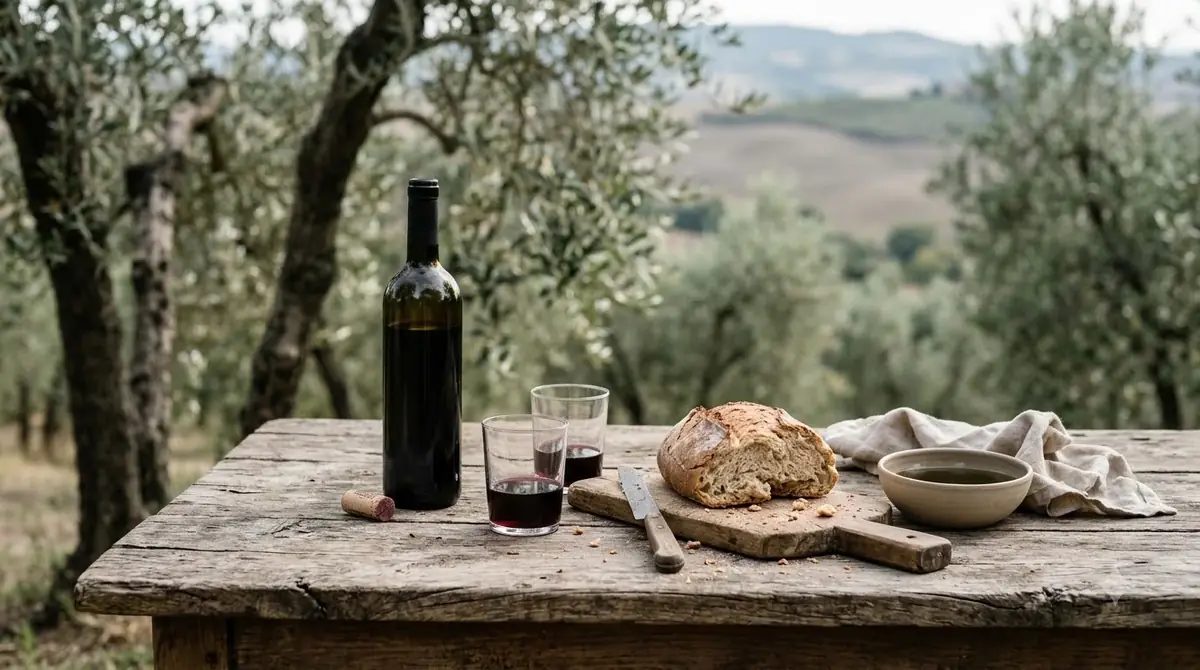
Tignanello is named for the Tenuta di Tignanello, an estate in San Casciano in Val di Pesa in Tuscany. The producer is Marchesi Antinori, a family wine house that reference material describes as making wine since 1385. The estate sits in the heart of Chianti country, which is why the wine is so often compared with the region’s better-known bottles.
The first vintage is usually given as 1970 or 1971, depending on the source. Sources differ on the exact year, and the wine’s history is often told as an early departure from the traditional rules of the region. For buyers, the vintage printed on the bottle is the detail that matters most.
What goes into the blend
Tignanello is built on Sangiovese, the grape that gives Chianti its character, but the blend is not a standard Chianti. According to the reference material, since 1995 the wine has been made from about 80 percent Sangiovese, 15 percent Cabernet Sauvignon, and 5 percent Cabernet Franc, with a different split between 2001 and 2006 when Sangiovese was raised to 85 percent. The French varieties add structure and a darker edge to the fruit.
The blend is a major reason the wine is often placed in a category of its own. The wine was sold as a table wine for years because it did not meet the rules of the Chianti Classico appellation, and it later received an IGT designation in 1994. Knowing the category helps explain why the label looks different from a standard Tuscan bottle.
How the wine is made and aged
The reference material says Tignanello is aged in barrique, the small French oak barrels that are common for serious red wines. Barrel aging adds vanilla, spice, and toast notes, and it can soften the tannins of a young red over time. The result is a red with more structure than a light, everyday Sangiovese.
Oak should not be read as a flaw. It is a deliberate part of the house style, and it shapes how the wine works with food. Tignanello is a red that rewards a little patience in the cellar and a proper decanting before dinner.
Tignanello at a glance
The table below summarizes the core facts about the wine. The figures come from the reference material noted in this article, and the bottle label is the final source for the vintage you are buying.
| Detail | What the reference material says |
|---|---|
| Producer | Marchesi Antinori |
| Estate | Tenuta di Tignanello, San Casciano in Val di Pesa, Tuscany |
| Main grape | Sangiovese, around 80 percent in most vintages since 1995 |
| Other grapes | Cabernet Sauvignon and Cabernet Franc |
| Aging | Barrique barrels |
| Alcohol strength | About 13.5 percent |
Tip: Check the vintage and the exact blend on the back label. The split between the grapes has changed over the years, so two bottles from different decades can taste different.
How to serve Tignanello red wine
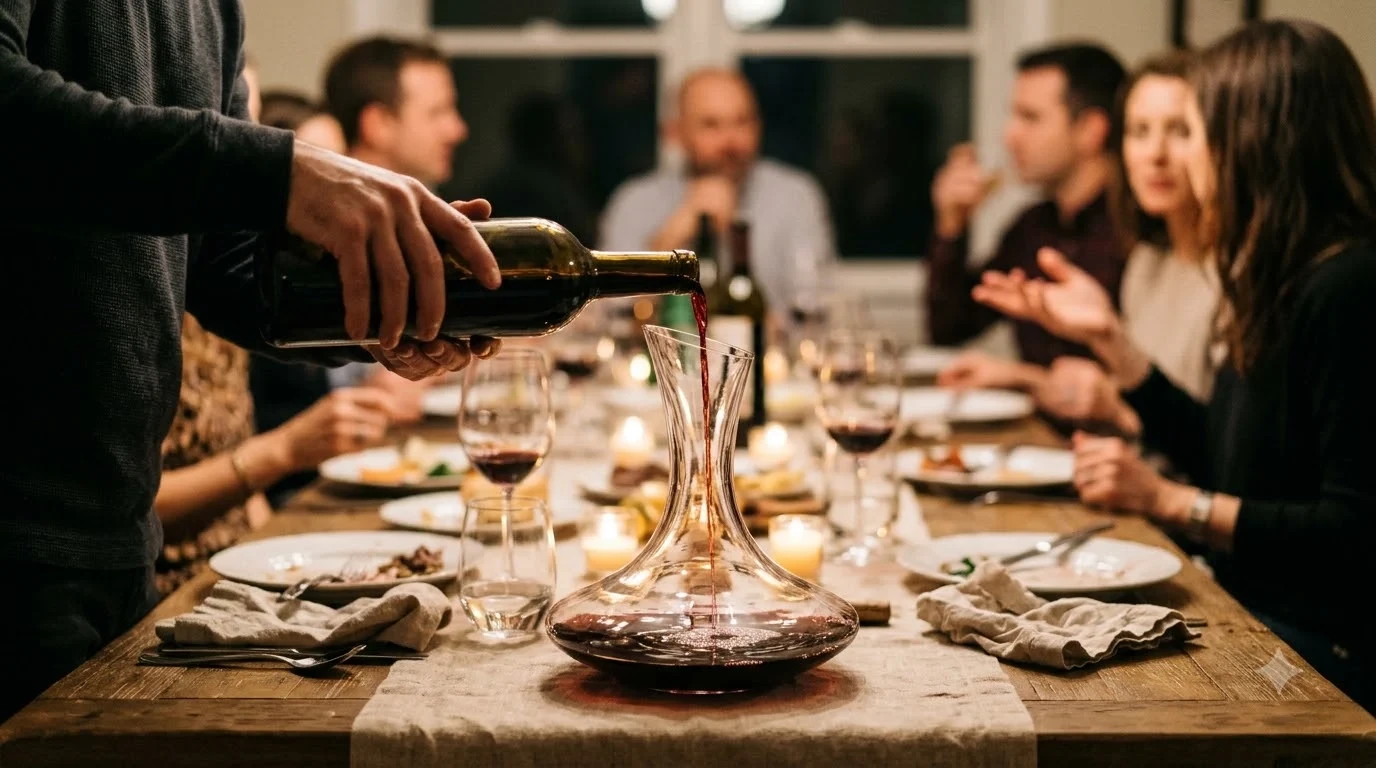
Serve Tignanello at a cool room temperature rather than straight from a warm room. A short time in the glass lets the aromas develop, and a decanter can help a younger bottle open up. Because the wine is structured and fairly full, it suits generous glasses rather than small pours.
Food pairing follows the Italian tradition. Roasted meats, grilled steak, aged cheese, and tomato-based sauces with mushrooms all sit well beside the wine’s fruit, acidity, and tannin. A bolder dish gives the wine room to show its depth.
Who Tignanello suits and who might skip it
Tignanello is a good choice for a dinner where the red needs to stand up to a rich main course. It also suits buyers who like the idea of a Tuscan wine that goes beyond the classic Chianti style. Readers who enjoy lighter, brighter reds may find it heavier than they expect, especially if the bottle is served too warm.
For a closer look at how the Antinori family approaches its reds, the Antinori red wine guide covers the wider range. Readers who want a broader view of the producer can also read the Antinori wine overview.
Pairing and occasions
Tignanello fits a special dinner more naturally than a quick weeknight bottle. Its structure and oak character give it a sense of occasion, and it is a natural choice when guests expect a serious red. Pairing it with a classic Italian main course, such as slow-braised beef or a herb-roasted joint, lets the wine’s structure match the richness of the food.
Cheese is another strong match. Firm aged cheeses bring out the wine’s depth, and a simple board with nuts and cured meats works well as an opening course. Keep the first pour modest so the wine has room to show its character through the meal rather than competing with appetizers.
How it compares with a classic Chianti
A standard Chianti Classico is built around Sangiovese within a more traditional framework, with rules on the grape mix and the region’s style. Tignanello takes a different route. The inclusion of Cabernet Sauvignon and Cabernet Franc changes the shape of the wine, adding a darker fruit profile and a more structured finish. Readers who like the Sangiovese character but want something with more international presence often find this style appealing.
The comparison also depends on the vintage. Wines from different years can show different balances of fruit and oak, so the year on the bottle matters as much as the style name. Checking the label helps set expectations before opening.
Glassware makes a difference with a structured red. A wide bowl gives the aromas room to open, and a stemmed glass keeps the wine at a steady temperature while it is poured and swirled. For a bottle that is meant to be shared, a generous pour in good glasses tends to show more of the wine’s character than small, crowded glasses.
Frequently Asked Questions
What is Tignanello red wine made from?
It is mostly Sangiovese, blended with Cabernet Sauvignon and Cabernet Franc. The reference material gives about 80 percent Sangiovese, 15 percent Cabernet Sauvignon, and 5 percent Cabernet Franc for most vintages since 1995.
Is Tignanello a Chianti?
It is made in the Chianti area of Tuscany, but it was sold as a table wine for years because it did not follow the Chianti Classico rules. Its IGT designation reflects that history, so the label differs from a standard Chianti bottle.
How strong is Tignanello?
Reference material gives an alcohol strength of about 13.5 percent. The exact figure can vary by vintage, so check the label on the bottle you are buying.
Should Tignanello be decanted?
A younger bottle often benefits from decanting or a period in the glass, which lets the aromas open up. Older bottles may need a gentler approach, so decant them with care.
Tignanello is a useful reference point for anyone who wants to understand how Italian producers blend local and international grapes. For more on how producers and brands are grouped, the wine brands guide is a good next stop, and the background on the wine is available on the Tignanello entry on Wikipedia.
More in Wine Brands
 Underwood Wine Price: Compare Bottles, Cans, and Pack SizesUpdated Nov 21, 2026
 Zenato Wine Price: Compare Styles and Choose the Right BottleUpdated Nov 21, 2026
 Zuccardi Wine Price: Compare Bottles and Find the Right RangeUpdated Nov 21, 2026
 Yellow Tail Moscato Review: Taste, Sweetness and Serving TipsUpdated Nov 21, 2026
 Wolf Blass Yellow Label Review: Choose Your Best StyleUpdated Nov 21, 2026
 Wolffer Estate Rose Review: Choose the Right Bottle for Your TableUpdated Nov 21, 2026