


We may earn a commission when you buy through links on this page, at no extra cost to you. Learn more.
Thomson and scott wine is best known for its Noughty range of premium dealcoholized wines, offering sparkling, white, rosé, and red styles made from grapes grown primarily in South Africa’s Western Cape. Founded by wine specialist Amanda Thomson, the company combines traditional winemaking with alcohol-removal technology. Its bottles provide an alternative for people who want recognizable wine styles without the alcohol levels found in conventional wines.
Thomson & Scott occupies an interesting position in the modern wine market. Rather than treating alcohol-free wine as a simple substitute for grape juice, the brand emphasizes grape varieties, vineyard conditions, fermentation, and production techniques. Understanding these details helps explain what distinguishes its Noughty bottles, how their flavors differ, and which occasions and meals suit each style.
Thomson & Scott’s Origins and Winemaking Philosophy
Thomson & Scott began with a connection to conventional fine wine before developing a recognizable identity in the alcohol-free category. Its founder, Amanda Thomson, wanted to offer wine drinkers more choice through products that retained the character of wine while containing very little alcohol.

Amanda Thomson trained at Le Cordon Bleu and previously worked as a BBC correspondent. According to the company’s official story, she initially founded Thomson & Scott to produce fine Champagne. Her later interest in alcohol-free wine reflected a belief that consumers should have access to more sophisticated alternatives when they chose not to drink alcohol. The company’s official history of Amanda Thomson and Thomson & Scott explains how this original fine-wine direction developed into the Noughty portfolio.
The company introduced Noughty in 2019, building its identity around premium alcohol-free wine rather than conventional soft drinks. The initial launch included sparkling Chardonnay made from organically grown grapes. The company described the original sparkling wine as vegan-certified and made without additional sugar or artificial aromas.
That starting point established several themes that continue to define the brand: attention to grape quality, transparency about production, and an effort to preserve recognizable wine characteristics after alcohol removal. These priorities matter because dealcoholized wine presents a different technical challenge from ordinary wine production.
Alcohol contributes body, aroma distribution, warmth, and texture. Removing it changes the balance of the finished beverage. A successful alcohol-free wine therefore needs more than pleasant fruit flavors; it also needs sufficient acidity, structure, and freshness to make the experience recognizable as wine.
Thomson & Scott addresses this challenge through its Noughty range, which includes different grape varieties and styles rather than relying on one universal flavor profile. Its products also make it easier for consumers to select a bottle according to the occasion, whether that means a celebratory sparkling drink, a refreshing white, a summer rosé, or a red for dinner.
The company should also be understood as a wine business rather than a single-product label. Its historical connection with Champagne and other conventional wines is distinct from its Noughty alcohol-free portfolio. Consumers researching the brand should therefore distinguish between its conventional wine offerings and its dealcoholized products.
The Noughty Wine Range: Sparkling, White, Rosé, and Red
Noughty offers several wine styles, allowing drinkers to choose according to the structure and occasion they prefer. Its main categories include sparkling wine, still white, rosé, and red, with grape composition and production details varying between bottles.
The range is particularly useful for understanding how different grape varieties contribute to alcohol-free wine. Chardonnay provides a familiar foundation for sparkling and white styles, while Chenin Blanc contributes freshness and fruit character. Syrah gives the red wine a more substantial grape-based structure.
The following overview summarizes the principal styles and documented specifications.
| Noughty style | Grape composition | Alcohol specification | General character |
|---|---|---|---|
| Sparkling Chardonnay | 100% Chardonnay in the original launch wine | Alcohol-free positioning | Fresh, celebratory sparkling style |
| Blanc | 55% Chenin Blanc, 45% Chardonnay | Less than 0.5% ABV | White fruit, citrus, and floral notes |
| Rosé | 98% Chenin Blanc, 2% Chardonnay | 0.5% ABV in the listed specification | Light, delicate berry and apricot character |
| Rouge | 100% Syrah | 0.5% ABV in the listed specification | Medium-bodied red fruit and spice |
The sparkling Chardonnay is particularly relevant to the brand’s original identity. Its 2019 launch positioned Noughty as a premium alternative for occasions traditionally associated with sparkling wine. It can be considered for celebrations, receptions, aperitifs, and meals where a sparkling drink is appropriate.
Noughty Blanc provides a different experience. Its 55% Chenin Blanc and 45% Chardonnay composition creates a still white wine with a combination of citrus freshness, orchard fruit, and floral characteristics. This style makes sense for lighter meals and occasions where a refreshing white wine would normally be served.
The rosé uses a composition of 98% Chenin Blanc and 2% Chardonnay in the listed technical specification. Its producer’s description emphasizes summer berries and apricot, making it a natural choice for outdoor dining, salads, and lighter appetizers.
Rouge is the red option, made entirely from Syrah. Its description emphasizes ripe red fruit, spice, silky tannins, and balanced acidity. Compared with Blanc and rosé, it is designed for meals that benefit from a red-wine-style accompaniment.
For readers comparing Thomson & Scott with other established producers, browsing the broader Wine Brands category can help put its distinctive alcohol-free positioning into context.
How Thomson & Scott Produces Dealcoholized Wine
The central production feature of Noughty is that the beverage begins with conventional wine fermentation before undergoing alcohol removal. This is different from producing an ordinary grape-based soft drink because the fermentation stage develops wine-like aromas, acidity, and flavor complexity.
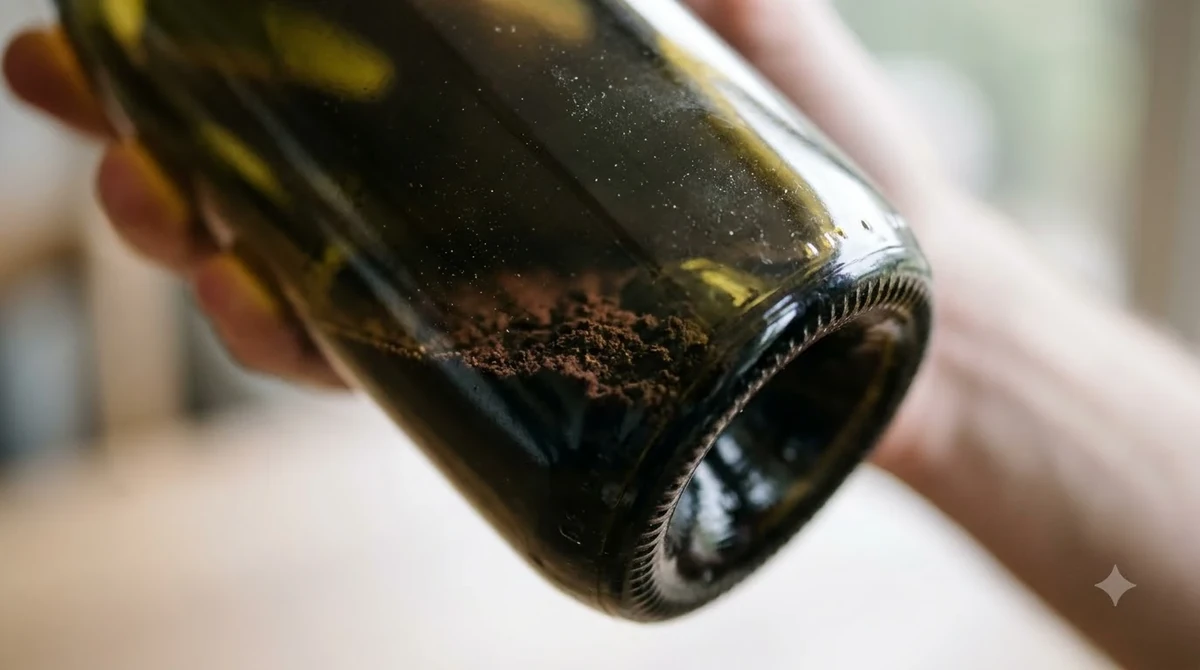
Noughty Blanc provides a useful example of the process. According to the producer, its grapes are fermented for 14 days at temperatures between 14°C and 15°C. The wine then remains on its lees for two months before undergoing dealcoholization.
Fermentation and lees contact
Fermentation converts grape sugars into alcohol and produces many of the aromatic compounds associated with wine. Temperature management is important because fermentation conditions influence how fruit aromas develop and how much freshness remains in the finished wine.
The Blanc production description identifies reductive handling as part of the winemaking process. This approach limits unnecessary oxygen exposure and helps protect delicate fruit characteristics. For a white blend containing Chenin Blanc and Chardonnay, preserving freshness is particularly important because citrus and orchard-fruit notes contribute significantly to its identity.
Lees contact provides another dimension. Lees are the residual yeast cells and other fine particles left after fermentation. Allowing wine to remain on lees can contribute texture and additional complexity. Noughty Blanc spends two months in this stage before alcohol removal.
Spinning-cone technology
The producer describes its alcohol-removal process as gently spun cone technology, conducted under vacuum and at low temperature. The equipment is designed to separate volatile components through controlled processing. This allows alcohol to be removed while retaining some of the compounds responsible for the original wine’s aroma and flavor.
Vacuum conditions are important because they allow separation to occur at lower temperatures than would otherwise be required. This helps limit unnecessary heat exposure during processing. Maintaining the original wine’s aromatic character is especially important for varieties such as Chenin Blanc and Chardonnay, whose appeal often depends on delicate fruit and floral notes.
However, dealcoholization cannot leave every element of conventional wine completely unchanged. Alcohol affects body, weight, aroma release, and the perception of sweetness. Once it is removed, the resulting beverage can feel lighter and have a different finish from its alcoholic counterpart.
This is why consumers should approach Noughty as its own category rather than expecting an exact copy of a conventional wine. Its value comes from providing wine-inspired flavors, grape-derived character, and a recognizable serving experience without the usual alcohol concentration.
Tip: When comparing alcohol-free wines, look beyond the front label. Check the grape blend, residual sugar information, alcohol percentage, and production method. These details explain more about the expected drinking experience than the alcohol-free description alone.
Different Noughty bottles also have different technical specifications. Blanc is listed below 0.5% ABV, while the supplied Rouge and rosé specifications list 0.5% ABV. These distinctions are important for consumers who need to know the exact alcohol content of a particular bottle.
Flavor Profiles of Noughty Blanc, Rosé, and Rouge
The Noughty range covers several distinct flavor directions, from citrus-driven white wine to berry-focused rosé and spicy Syrah-based red. Understanding these profiles makes it easier to choose a bottle for a particular meal or drinking occasion.
Noughty Blanc: Citrus and orchard fruit
Noughty Blanc is the most natural starting point for someone who enjoys fresh white wines. Its blend of 55% Chenin Blanc and 45% Chardonnay combines two varieties that can offer freshness, fruit, and moderate texture.
The producer identifies yellow apple, lime, melon, and chamomile as prominent aromatic descriptors. Honeysuckle, citrus fruit, and jasmine also appear in its tasting description. These characteristics suggest a white style with both fruit and floral elements rather than a heavily oaked or intensely rich profile.
Its Western Cape origin is also relevant. The vineyards are described as dry-land-farmed bush vines on southwest-facing slopes, where the Atlantic Ocean and cold Benguela current contribute cooling influences. Such conditions are associated with a growing environment that can help preserve freshness in the grapes.
Chenin Blanc is particularly versatile because it can produce wines with noticeable acidity and varied fruit expression. Chardonnay contributes a different dimension, depending on its growing conditions and winemaking. Together, they give Blanc a recognizable white-wine identity.
Noughty Rosé: Summer fruit and freshness
The rosé is described as a delicate and light style, with summer berries and fresh apricot among its key tasting characteristics. Its composition of 98% Chenin Blanc and 2% Chardonnay gives it a grape profile that differs from the more evenly divided Blanc blend.
Its listed technical information includes a total acidity of 6.43 grams per liter, expressed as tartaric acid, and residual sugar of 2.8 grams per liter. These figures provide useful context for understanding the product’s balance, although sweetness and acidity are not the only factors that determine how a wine feels on the palate.
The rosé can be considered for casual lunches, outdoor dining, and occasions when a lighter wine style is preferred. Its berry and apricot descriptions also make it a natural match for dishes that contain fresh herbs, tomatoes, or fruit-based elements.
Noughty Rouge: Syrah fruit and spice
Rouge offers a more substantial profile. The product specification identifies 100% Syrah from dryland-farmed vineyards in Darling, South Africa. It is described as medium-bodied, with ripe red fruit, a little spice, silky tannins, and balanced acidity.
Syrah is a grape associated with dark fruit, pepper, and savory characteristics in conventional red wine. In Noughty Rouge, the producer emphasizes ripe red-fruit flavors and spice. The product specification also lists a pH of 3.6 and total acidity of 6 grams per liter, expressed as tartaric acid.
The wine’s listed residual sugar is 2.6 grams per liter. This information helps readers understand the technical composition of the bottle rather than relying only on broad descriptions such as dry or fruity.
Rouge is a useful option for people who prefer red-wine-style flavors with dinner. Its Syrah foundation gives it a different role from the lighter Blanc and rosé styles, particularly when pairing with mushrooms, roasted vegetables, or savory cheese dishes.
Food Pairings for Thomson & Scott Wines
Food pairing should begin with the wine’s acidity, sweetness, body, and tannin rather than simply matching colors. Noughty’s different grape compositions make the range adaptable to several types of meals, from light seafood to richer vegetarian dishes.
Pairing Blanc with lighter dishes
The producer recommends Noughty Blanc with light fish dishes and soft, creamy cheeses. These suggestions make sense for a white blend with citrus, yellow apple, melon, and floral notes. The wine’s freshness can complement delicate food without overwhelming it.
Consider serving it with grilled white fish, shrimp salad, vegetable risotto, or a soft goat cheese appetizer. Lemon-based sauces can also work well because the wine’s citrus character provides a natural connection with the food.
Blanc is also recommended with Indian and Thai dishes. When choosing spicy food, however, consider the level of chili heat. Even alcohol-free wine can have fruit and acidity that interact with spice, and very hot dishes can make a wine taste less balanced. Mildly spiced curries, coconut-based preparations, and aromatic herbs are sensible starting points.
Pairing rosé with salads and seafood
Noughty rosé’s summer-berry and apricot profile lends itself to lighter food. Try it with grilled shrimp, Mediterranean salads, tomato dishes, or vegetable appetizers. Its delicate character can also complement dishes containing fresh basil, mint, and other aromatic herbs.
For a cheese pairing, consider fresh goat cheese, mozzarella, or mild feta. The salt and creamy texture of these cheeses provide a contrast to the wine’s fruit character. Avoid very heavy sauces that could dominate its lighter profile.
Rosé is particularly practical for mixed gatherings because it can work across several appetizer styles. A menu featuring olives, roasted peppers, seafood, and soft cheese offers enough variety without introducing overly rich or spicy dishes.
Pairing Rouge with savory food
Rouge is the strongest option in the range for richer dishes. Its Syrah base and medium-bodied description make it suitable for mushroom risotto, roasted squash, and savory vegetable preparations.
The product specification also recommends shrimp and crab cakes, along with feta, goat cheese, and cranberry cheddar. These pairings provide different combinations of salt, texture, and savory flavor. A mushroom-based dish is particularly interesting because earthy flavors can complement the savory side of Syrah.
For meat-based menus, roasted poultry and moderately seasoned grilled dishes are sensible options to explore. Avoid excessively hot chili sauces because spice can dominate the fruit character of wine. Also remember that Noughty Rouge is a dealcoholized red rather than a full-strength tannic Syrah, so pairing expectations should reflect its lighter overall structure.
Readers interested in conventional Spanish reds can compare the food-pairing role of Noughty Rouge with Campo Viejo red wine. Both can accompany savory dishes, but their alcohol content, structure, and production methods are different.
Serving, Storage, and Choosing the Right Bottle
Temperature and presentation can make a meaningful difference to the enjoyment of dealcoholized wine. Chilling the right style, using suitable glassware, and protecting an opened bottle from excessive air exposure all help preserve its freshness.
Recommended serving temperatures
For Noughty Blanc and rosé, a serving temperature of approximately 45-50°F is a useful starting point. This range keeps the wines refreshing while allowing their fruit and floral aromas to remain noticeable.
For Noughty sparkling Chardonnay, the conventional sparkling-wine serving range of 40-50°F is appropriate. The cooler temperature helps maintain a crisp impression and makes the bubbles particularly refreshing.
Rouge benefits from a slightly warmer serving temperature than the white and rosé styles. A temperature around 55-60°F is a reasonable starting point for a lighter red-style wine. Serving it too cold can make its fruit less expressive, while excessive warmth may make the structure feel less balanced.
Glassware and presentation
A standard white wine glass works well for Blanc and rosé. Its bowl provides enough room for aromas to develop without requiring the larger capacity of a full-bodied red wine glass.
Rouge can be served in a medium-sized red wine glass. There is no need for elaborate decanting equipment for a typical bottle of dealcoholized red wine. The objective is simply to give the drink enough space to release its fruit and spice characteristics.
For sparkling Noughty, use a sparkling wine glass or a tulip-shaped glass. A tulip shape can provide a useful balance between retaining bubbles and allowing aromas to gather above the liquid.
Storage after opening
Keep unopened bottles in a cool, dark location away from direct sunlight and large temperature changes. Once opened, still Noughty wines should generally be refrigerated and consumed within a few days for the best flavor retention. Sparkling bottles require particular attention because carbonation gradually decreases after opening.
A sparkling wine stopper can help preserve some carbonation, although it cannot prevent all loss of bubbles. Refrigeration is also useful for still white and rosé wines because lower temperatures slow the changes that occur after exposure to oxygen.
There is no reason to assume that a dealcoholized bottle will remain fresh indefinitely simply because it contains little alcohol. Its aromas and flavor can still change after opening. Follow the producer’s storage instructions for the specific product, and use freshness rather than appearance alone as the deciding factor.
Which Noughty bottle should you choose?
Start with the occasion and your preferred wine style. Sparkling Chardonnay is the natural choice for celebrations, Blanc suits lighter meals, rosé works well with appetizers and summer food, and Rouge is the more appropriate selection for savory dinners.
It is also useful to compare grape composition and alcohol specifications before buying. Someone who enjoys Chenin Blanc may find Blanc or rosé appealing, while a person who usually chooses Syrah may prefer Rouge. The same grape preferences that influence conventional wine purchases can provide a useful starting point here.
For broader comparisons between producers and styles, readers can also explore Baron Philippe de Rothschild wine. Its conventional wine portfolio provides a useful contrast to Thomson & Scott’s emphasis on dealcoholized wine.
Frequently Asked Questions
Who owns and founded Thomson & Scott?
Thomson & Scott was founded by Amanda Thomson, who trained at Le Cordon Bleu and previously worked as a BBC correspondent. The company’s original direction included fine Champagne before its expansion into premium alcohol-free wine. Amanda Thomson received the Drinks Business Entrepreneur of the Year Award in 2025.
Is Noughty wine suitable for people following a vegan diet?
The brand’s original launch announcement described Noughty as vegan-certified, and the listed Rouge and rosé specifications identify those wines as suitable for vegans and vegetarians. Vegan suitability is important because some conventional winemaking processes use animal-derived fining agents. Consumers with strict dietary requirements should verify the certification and labeling of the particular bottle they intend to purchase.
Does Noughty wine contain sulfites?
Yes, some Noughty products contain sulfites. The Blanc product information specifies less than 150 milligrams per liter of sulfites. Sulfur dioxide and sulfites are used in winemaking to help protect wine from oxidation and unwanted microbial activity, so an alcohol-free designation does not mean a product is sulfite-free.
Is Noughty wine available in vintage and non-vintage versions?
The listed Noughty Blanc, Rouge, and rosé specifications identify these products as non-vintage. Non-vintage wine is not associated with one particular harvest year and can use wine from different harvests to maintain a consistent house style. This approach is common for sparkling wines and products designed to deliver a familiar flavor profile across releases.
Where are the grapes for Noughty Blanc grown?
The producer identifies the Western Cape in South Africa as the source of Noughty Blanc’s grapes. Its vineyard description refers to decomposed granite and clay-rich soils with good drainage. The vineyards are planted as bush vines, rather than trellised vines, and their southwest-facing slopes benefit from cooling maritime influences.
Thomson & Scott has developed a distinctive place in the wine market by combining conventional winemaking principles with modern dealcoholization technology. Its Noughty range offers different grape varieties and styles, from sparkling Chardonnay to Chenin Blanc-based white and rosé wines and Syrah-based red. Understanding the grapes, production methods, and serving recommendations makes choosing the right bottle much easier, whether the occasion calls for a celebratory sparkling wine or a food-friendly alternative at dinner.
More in Wine Brands
 Underwood Wine Price: Compare Bottles, Cans, and Pack SizesUpdated Nov 21, 2026
 Zenato Wine Price: Compare Styles and Choose the Right BottleUpdated Nov 21, 2026
 Zuccardi Wine Price: Compare Bottles and Find the Right RangeUpdated Nov 21, 2026
 Yellow Tail Moscato Review: Taste, Sweetness and Serving TipsUpdated Nov 21, 2026
 Wolf Blass Yellow Label Review: Choose Your Best StyleUpdated Nov 21, 2026
 Wolffer Estate Rose Review: Choose the Right Bottle for Your TableUpdated Nov 21, 2026