

We may earn a commission when you buy through links on this page, at no extra cost to you. Learn more.
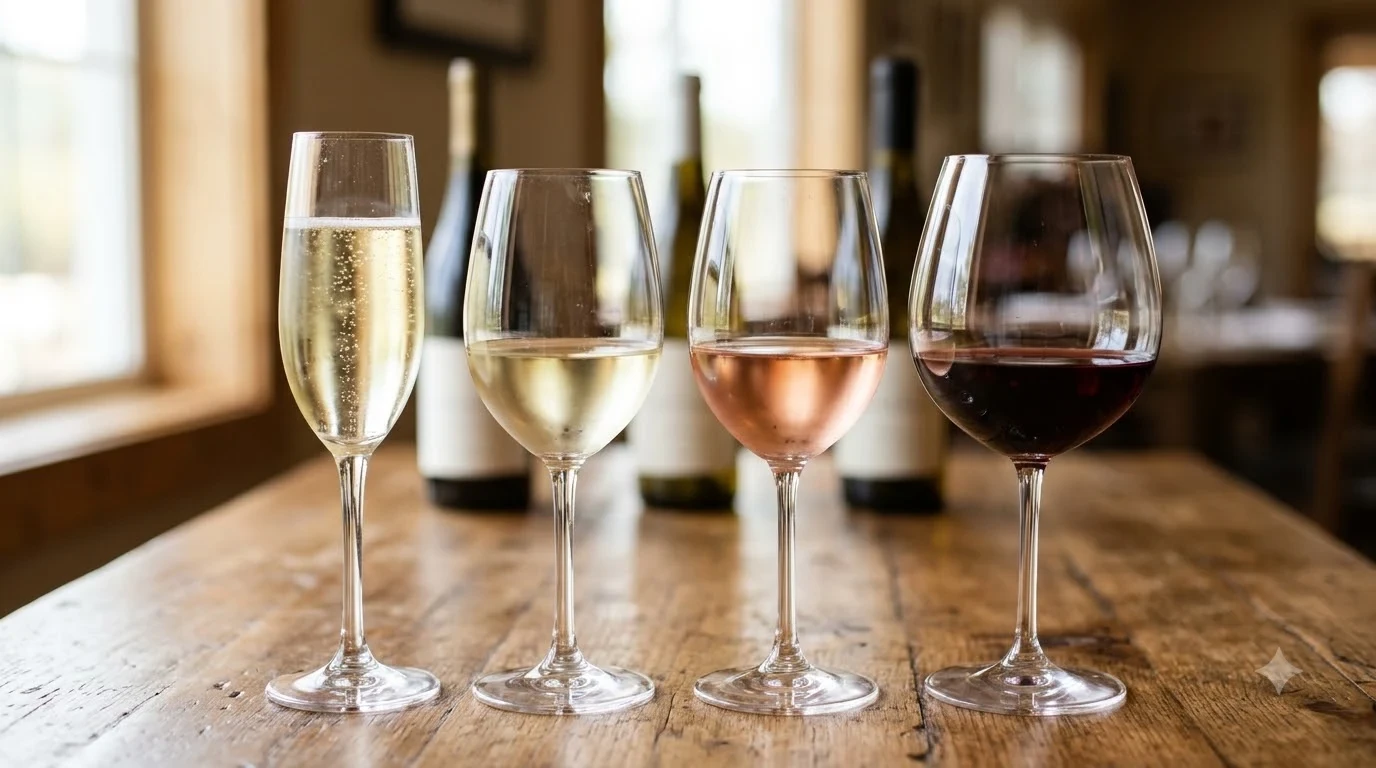
the wolftrap wine is a South African range of red, white, and rosé blends made by Boekenhoutskloof in the Western Cape. The red combines Syrah, Mourvèdre, and a small amount of Viognier; the white uses Viognier, Chenin Blanc, and Grenache Blanc; and the rosé is built around Cinsault and Syrah. The best bottle for your meal depends on whether you want a savory, structured red, a textured white, or a dry, berry-scented rosé.
The Wolftrap is a useful introduction to South African blends because the range offers three distinct styles under one name. Its grape proportions can change by vintage, so the figures below identify specific releases rather than a permanent recipe.
What Is The Wolftrap Wine?
The Wolftrap is a South African wine range produced by Boekenhoutskloof, a winery associated with Franschhoek in the Western Cape. It is not one fixed blend: the label covers red, white, and rosé wines, and the producer’s published releases show different grape combinations for each color.
The name comes from a story about the Cape landscape around the farm. Boekenhoutskloof says that early pioneers ventured into the wilderness and erected a wolf trap on the property; the winery also says that no real or mystical wolf has ever been seen in the valley. The label is therefore a nod to local history and legend, not a claim that the wine is made from grapes grown in a place called Wolftrap. That origin story gives the range a recognizable identity while leaving the contents to be defined by the individual wine.
Geographically, the wines carry the Wine of Origin Western Cape designation. The producer’s 2023 red sheet identifies Swartland Syrah as a contributor to the blend, and the 2024 white sheet says that most of its grapes also come from Swartland. The wines are bottled under the Boekenhoutskloof name, with producer details pointing to Franschhoek. If you are comparing labels from different countries and producers, our overview of Wine Brands offers a broader way to sort out winery names, regions, and bottling styles.
That distinction matters when shopping. A wine called The Wolftrap Red is not interchangeable with The Wolftrap White or Rosé, and one vintage may not have precisely the same blend as another. Think of the name as a family of wines rather than a single grape or a single flavor profile. The producer publishes separate technical information for each color, which is the most reliable way to understand the particular bottle in front of you.
How The Red Blend Gets Its Character
The Wolftrap Red is a Rhône-inspired blend centered on Syrah, supported by Mourvèdre and a small portion of Viognier. In the producer’s 2023 release, the blend was 79% Syrah, 20% Mourvèdre, and 1% Viognier, a ratio that helps explain its dark fruit, savory edge, and supple but noticeable tannin.
Syrah supplies much of the wine’s framework: expect black cherry, plum, pepper, and dark berry notes, with a firm but not necessarily harsh texture. Mourvèdre adds deeper color and a more earthy, smoky character. The winery describes it as a variety with bold color, smoky aromas, and meaty flavors, and says the thick-skinned grapes can withstand heat. Viognier makes up only 1% in the 2023 example, so it is a supporting part of the blend rather than the main flavor. In combination, these grapes produce a red that can feel generous and fruit-forward while retaining a savory side.
The exact balance is vintage-dependent. The 2021 red reviewed by Winemag was 80% Syrah, 19% Mourvèdre, and 1% Viognier; the 2023 producer sheet lists 79%, 20%, and 1%, respectively. Both examples keep Syrah clearly in the lead, but a one-percentage-point shift in Mourvèdre can change the wine’s emphasis slightly. The 2023 sheet describes violets, rose petals, blueberries, dark plums, black cherries, cured meat, coriander, and cloves, with ripe tannins and balanced acidity.
The 2023 analysis lists alcohol at 14.23% by volume and residual sugar at 3.03 grams per liter. That combination does not make the wine sweet: the producer’s tasting note describes a savory, balanced red with a juicy finish. For a separate professional perspective, Decanter’s review of the 2020 Wolftrap Red describes it as dry and medium-bodied, with gentle tannic grip, cherry, blue fruit, spice, and savory charcuterie notes.
How The White And Rosé Differ
The white and rosé are not simply lighter versions of the red; each uses a different grape mix and winemaking approach. The 2024 white is split almost evenly among Viognier, Chenin Blanc, and Grenache Blanc, while the 2025 rosé is led by Cinsault with Syrah and a small amount of Grenache Noir.
| Wine and vintage | Blend | Alcohol |
|---|---|---|
| Red 2023 | 79% Syrah, 20% Mourvèdre, 1% Viognier | 14.23% |
| White 2024 | 34% Viognier, 33% Chenin Blanc, 33% Grenache Blanc | 12.33% |
| Rosé 2025 | 69% Cinsault, 29% Syrah, 2% Grenache Noir | 12.8% |
These are documented vintage examples from the producer’s technical sheets, not permanent formulas for every release.
In the 2024 white, Viognier accounts for 34%, Chenin Blanc 33%, and Grenache Blanc 33%. Viognier brings ripe peach and stone-fruit character; Chenin Blanc contributes freshness and acidity; and Grenache Blanc adds yellow-plum fruit with a zesty edge. The winery notes citrus, peach, green apple, pineapple, gentle spice, and lemon zest. At 12.33% alcohol by volume, with 2.1 grams per liter of residual sugar and 5.6 grams per liter of total acidity, it is a dry, medium-to-full-bodied white with more presence than a very lean, neutral style.
The 2025 rosé blend is 69% Cinsault, 29% Syrah, and 2% Grenache Noir. The producer says it uses the saignée method: a portion of juice is drawn from red grapes after skin contact, then fermented separately for rosé. For this release, the juice had two hours of contact with the skins and seeds before it was drawn off. The wine is then cold-fermented in stainless steel, a process that preserves its fresh-fruit profile.
The 2025 rosé is 12.8% alcohol by volume, with 3.15 grams per liter of residual sugar and 5.09 grams per liter of total acidity. The producer describes a salmon-pink color, strawberry and rose-petal aromas, red currant, nectarine, pink grapefruit, white peach, and apricot, finishing dry with cranberry, lavender, and spice. Its acidity makes it a natural warm-weather option, but its savory Syrah component also gives it enough flavor for food. Those details set it apart from a simple, candy-sweet rosé.
What The Wines Taste Like
The Wolftrap range moves from savory dark-fruited red to aromatic, textured white and crisp, berry-led rosé. Across the styles, the producer’s notes emphasize fresh fruit, spice, and balance rather than pronounced sweetness, although the weight and tannin differ substantially by color.
The red is the most structured member of the trio. In the 2023 release, dark plum and blueberry meet cherry, violet, cured-meat, and herbal-spice notes; the palate is plush, with ripe tannins and a refreshing finish. Syrah and Mourvèdre give it more grip than Pinot Noir or many lighter reds, while savory details keep its ripe fruit from seeming jammy or sweet. The white instead leans toward peach, citrus, green apple, and pineapple, with floral notes and a rounded mouthfeel; Chenin Blanc keeps its finish lively. The rosé is fresher still, with red currant, strawberry, grapefruit, herbs, and a dry close.
Independent reviews give useful context, but scores describe one vintage and one tasting rather than a guarantee for every bottle. Winemag’s review of the 2021 red gave it 90/100 and noted floral perfume, red and black berries, pepper, spice, bright acidity, and fine tannins. Decanter awarded the 2020 red 93 points and described it as medium-bodied, with a gentle tannic grip and cherry, blue-fruit, and savory notes. The different assessments are not contradictory: the wines came from different harvests, and individual tasters may emphasize different details.
For another point of comparison, the 2023 red’s 14.23% alcohol level is higher than the 2024 white’s 12.33% and the 2025 rosé’s 12.8%. Alcohol can make a wine feel warmer and fuller, while acidity makes it feel fresher; tannin adds a drying sensation to the red. If you are comparing different wine families, it can help to contrast The Wolftrap with a familiar Spanish red such as Campo Viejo red wine, rather than assuming all reds with dark fruit will taste alike.
Food Pairings That Work
Choose food according to each style’s weight, acidity, and tannin: the red suits savory dishes, the white works with seafood and poultry, and the rosé covers lighter grilled foods and vegetables. Match intensity as well as flavor, and avoid pairing a tannic red with delicate oily fish.
For The Wolftrap Red, start with grilled lamb, beef kebabs, burgers, sausage, or roasted mushrooms. Syrah’s dark fruit and pepper stand up to browned meat, while Mourvèdre’s earthy side connects with rosemary, thyme, black olives, and charred vegetables. Salt and fat soften tannin, so aged cheddar with a burger can make the red feel rounder. Acidic dishes need wine with equal or higher acidity, so use care with sharp vinaigrettes and lemon-heavy sauces. Chili heat is another concern: alcohol and tannin can amplify hot peppers, making a milder rub a safer choice.
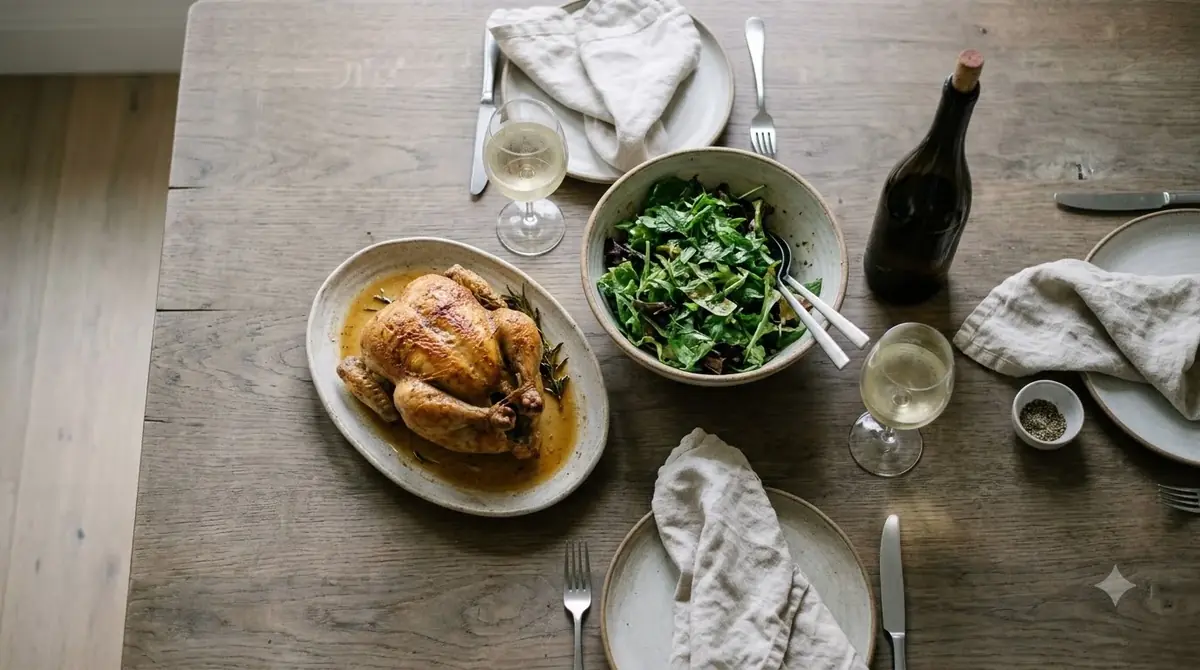
The white works with roast chicken, grilled prawns, crab cakes, seared scallops, and creamy vegetable dishes. Chenin Blanc’s acidity refreshes the palate after buttery sauces, while Viognier’s peach and floral notes complement shellfish and roasted squash. The rosé suits salmon, tuna, shrimp, grilled zucchini, tomato salads, charcuterie, and picnic foods; its lower tannin makes it a better choice for many oily-fish dishes than the red blend. For dessert, remember that wine should be at least as sweet as the dish. These dry white and rosé examples are better suited to savory courses, while salt and fat in aged cheese can soften tannin in the red.
Serving, Buying, And Storing The Wolftrap
Serve each color at a temperature that shows its fruit without exaggerating alcohol or muting its freshness. The red generally benefits from a slight chill rather than a warm room, while the white and rosé should be cold but not numbingly cold.
For a practical starting point, serve the red at 60–65°F, the white at 50–55°F, and the rosé at 45–50°F. If the red seems hot or heavy, give it 15 to 20 minutes in the refrigerator and try another small pour. If the white or rosé seems muted straight from a very cold refrigerator, let it sit in the glass for a few minutes so its fruit and aroma can open. Use ordinary wine glasses; a medium-sized red-wine glass gives the red room to release its savory aromas, while a white-wine glass works well for the other two styles.
A standard 750-milliliter bottle provides about five 5-ounce pours, a useful planning measure for dinner. When choosing among the three colors, start with the dish, then compare the vintage and grape percentages: Syrah-led red generally shows more black fruit, pepper, and tannin than the white’s peach and citrus, while Cinsault-led rosé points toward fresher red fruit. Alcohol offers a clue to body, but acidity, extraction, grape variety, and winemaking also shape the result.
Store unopened bottles on their sides in a cool, dark place near 55°F, away from sunlight and sharp temperature swings. Once opened, refrigerate still wine with a stopper; it generally keeps for three to five days, although fruit and freshness fade over time. Bring red wine back toward serving temperature before pouring instead of leaving an opened bottle on a warm counter, and keep the white and rosé chilled between pours.
Tip: Chill The Wolftrap Red for 15 to 20 minutes before serving if your room is warm, and keep the white and rosé in the refrigerator until you pour them. Temperature has a noticeable effect on how clearly you perceive fruit, acidity, tannin, and alcohol.
The Wolftrap is a range, not one uniform style. For another example of how grape choice and regional origin shape a producer’s portfolio, compare Baron Philippe de Rothschild wine. Start with the food and style you want, then use vintage details to refine the choice.
Frequently Asked Questions
Is the Wolftrap Red blend the same every year?
No. Winemag’s review records the 2021 red at 80% Syrah, 19% Mourvèdre, and 1% Viognier, while the producer’s 2023 sheet lists 79%, 20%, and 1%. The core three grapes remain the same in those examples, but the proportions can shift by vintage.
Does The Wolftrap Red use a screw cap?
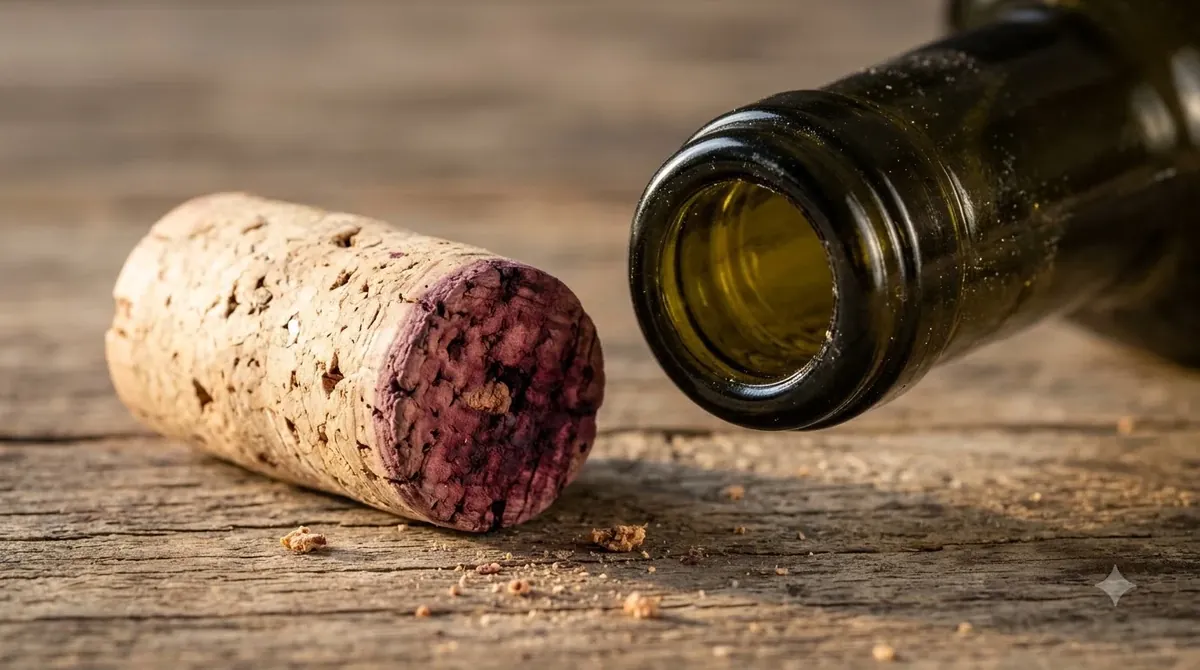
Decanter lists the 2020 Wolftrap Red with a screwcap or Stelvin closure. That is a record for that particular release, not a promise that every color or vintage uses identical packaging.
What does RS mean on a Wolftrap technical sheet?
RS means residual sugar, the amount of grape sugar left in the wine after fermentation, usually expressed in grams per liter. The producer’s 2023 red sheet lists 3.03 g/L, while the 2024 white sheet lists 2.1 g/L; those figures are useful technical details but do not replace the wine’s overall tasting impression.
Does the Wolftrap Red have the same alcohol level in every vintage?
No. Decanter’s listing for the 2020 red gives 14.90% alcohol by volume, while the producer’s 2023 sheet gives 14.23%. Harvest conditions and final blending can lead to small but meaningful changes from vintage to vintage.
Is The Wolftrap labeled vegan?
The producer’s 2023 Red and 2024 White materials display a V-Label checked-and-approved mark and a vegan designation. That statement applies to those published releases, so it is best not to assume that an older or different bottling carries the same certification without checking its own packaging or technical information.
The Wolftrap is best understood as a three-style South African range: a savory Syrah-led red, a peachy and balanced white, and a crisp, dry rosé. Choose the color that suits your food, serve it at the right temperature, and use the vintage-specific blend details to know what is in the bottle.
More in Wine Brands
 Underwood Wine Price: Compare Bottles, Cans, and Pack SizesUpdated Nov 21, 2026
 Zenato Wine Price: Compare Styles and Choose the Right BottleUpdated Nov 21, 2026
 Zuccardi Wine Price: Compare Bottles and Find the Right RangeUpdated Nov 21, 2026
 Yellow Tail Moscato Review: Taste, Sweetness and Serving TipsUpdated Nov 21, 2026
 Wolf Blass Yellow Label Review: Choose Your Best StyleUpdated Nov 21, 2026
 Wolffer Estate Rose Review: Choose the Right Bottle for Your TableUpdated Nov 21, 2026