

We may earn a commission when you buy through links on this page, at no extra cost to you. Learn more.
The best teroldego food pairing matches this deep-colored northern Italian red with smoky cured meats, roasted pork, wild game, mushroom risotto, and aged alpine cheeses. Because the grape combines saturated blackberry and sour cherry fruit with brisk alpine acidity and moderate, supple tannins, it slices cleanly through rich fats without drying out the palate. Youthful bottlings shine beside pasta carbonara, wood-fired pizza, and grilled sausages, while barrel-aged Riserva wines hold their own against slow-braised venison, osso buco, and winter stews.
Hailing from the steep, glacier-carved valleys of Trentino in northeastern Italy, Teroldego is one of the most food-friendly yet overlooked red grapes in the wine world. Knowing how to match its bright acidity and dark berry core with the right dishes turns an unfamiliar bottle into a reliable weeknight and dinner-party staple.
What Teroldego Is
Teroldego is an indigenous red grape variety native to Trentino-Alto Adige in northeastern Italy, where locals have long prized it as the “gold of Tyrol.” Genetically linked to Syrah, Lagrein, and Pinot Noir, it produces deeply pigmented wines that balance plush dark fruit with vibrant, mouthwatering tension.
Historically documented in northern Italian wine records as far back as the fifteenth century, Teroldego thrives in the alluvial gravels of the Piana Rotaliana, a triangular plain framed by sheer Dolomite cliffs. Despite its ink-dark purple color in the glass, the wine rarely feels heavy or sluggish on the palate. Instead, its hallmark is an energetic spine of medium-plus acidity paired with moderate, fine-grained tannins that keep each sip refreshing.
That structural balance explains why sommeliers treat Teroldego as a bridge between lighter, high-acid reds and fuller-bodied mountain wines. If you enjoy exploring versatile reds across Wine by Type, Teroldego sits comfortably alongside Barbera and Dolcetto for everyday versatility while offering the savory depth of northern Rhône Syrah.
Flavor Profile and Winemaking Styles
In the glass, Teroldego opens with expressive aromas of crushed blackberry, black cherry, wild raspberry, and red plum, lifted by floral hints of violet and subtle herbal notes of fennel, crushed black pepper, and damp forest earth. Depending on vineyard elevation and cellar aging, bottles range from crisp, unoaked crowd-pleasers to structured, cellar-worthy Riservas.
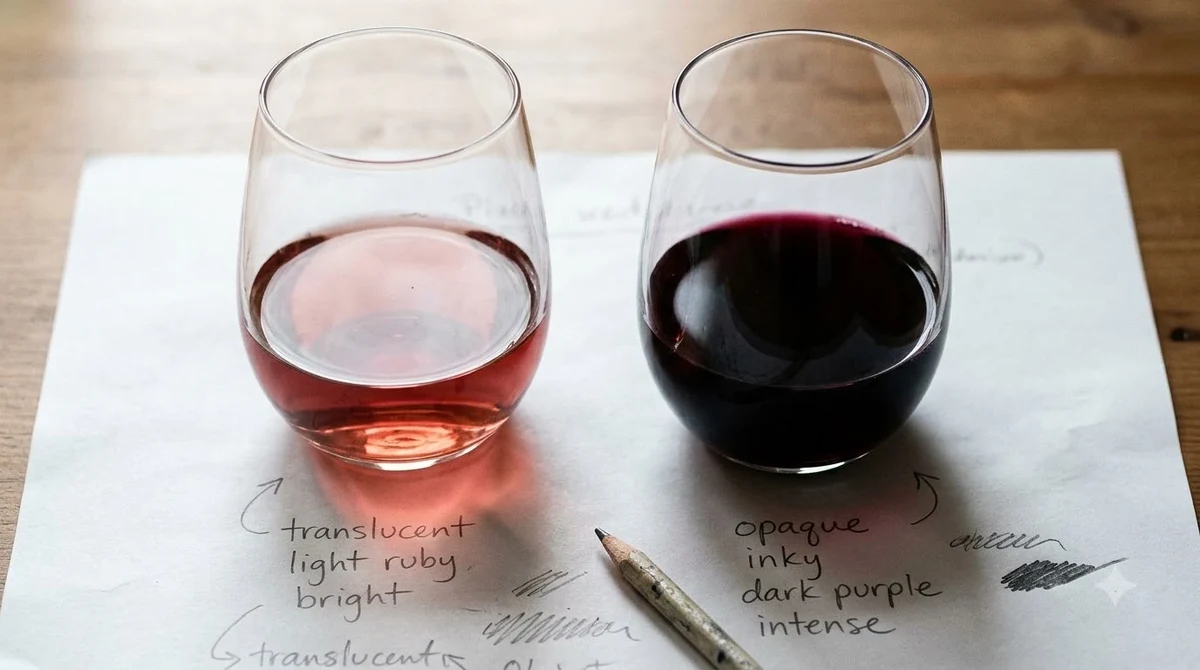
Young, stainless-steel or concrete-aged Teroldego emphasizes juicy red and black berry flavors, brisk pomegranate tartness, and a clean, mineral-driven finish. These lighter-framed expressions typically land around 12 to 13 percent ABV and feel effortless at the table. Winemakers who lean into whole-cluster fermentation or neutral vessels highlight the grape’s natural vibrancy, resulting in a texture that feels lifted rather than weighty.
By contrast, old-vine selections and Teroldego Rotaliano Riserva bottlings spend extended time in large neutral casks or small French oak barrels, reaching up to 14 or 14.5 percent ABV in warmer vintages. Reviewers at Decanter have noted that barrel-aged examples develop savory secondary layers of cocoa, cedar, leather, dried plum, marzipan, and warm baking spice. While youthful bottles show best within three years of release, top Riserva bottlings can evolve gracefully for a decade or longer.
Where Teroldego Grows
The spiritual and commercial heartland of Teroldego is the Piana Rotaliana in Trentino, located along the Adige River valley between the towns of Mezzolombardo, Mezzocorona, and San Michele all’Adige. According to the Consorzio Vini del Trentino, the official Teroldego Rotaliano DOC spans roughly 435 hectares of vineyards trained primarily on traditional Trentino pergola and Guyot systems.
Here, the Noce River deposited mineral-rich limestone, granite, and porphyry gravel over centuries, creating free-draining soils that absorb daytime heat and radiate it back to the vines after sunset. Cool mountain breezes sweeping down from the surrounding Dolomites preserve the grape’s signature natural acidity even as the skins reach full phenolic ripeness.
Beyond its Trentino stronghold, adventurous growers have planted small acreage in select New World regions with favorable diurnal temperature swings. Wine Enthusiast has highlighted promising American bottlings emerging from California’s Clarksburg, Lodi, and Suisun Valley appellations as well as New York’s Finger Lakes and Long Island, alongside boutique plantings in South Australia’s Adelaide Hills and McLaren Vale.
How to Serve Teroldego
Serve Teroldego slightly below room temperature, ideally between 60°F and 64°F (16°C to 18°C), in a wide-bowled Burgundy or universal red wine glass. A brief 15- to 20-minute chill in the refrigerator before pouring sharpens its red-berry acidity and keeps the alcohol feeling crisp and balanced.
Glassware makes a noticeable difference with this grape because its floral violet and crushed-berry aromatics need room to open up. A large, tulip-shaped bowl collects the delicate perfume while directing the wine toward the center of the palate, softening any edgy acidity on the finish. Avoid serving Teroldego warm off a kitchen counter, as temperatures above 68°F flatten its bright fruit and emphasize bitterness.
Decanting depends on the age and oak treatment of the bottle. Fresh, unoaked Trentino bottlings are ready to pour right after uncorking, though a quick swirl in the glass wakes up their peppery aromatics. Structured Riserva wines or single-vineyard selections aged in oak benefit from 30 to 45 minutes in a decanter to soften their grainy tannins and unfold notes of dark chocolate, cedar, and dried herbs.
Tip: Put your bottle of Teroldego in the fridge 20 minutes before dinner—serving it around 60°F brings out its crunchy pomegranate and blackberry notes while keeping the finish clean.
Best Teroldego Food Pairings
Teroldego pairs best with dishes rich in savory fat, smoky char, earthy mushrooms, or tangy tomato sauce, using its high acidity to cleanse the palate while its dark fruit echoes caramelized flavors. Matching the weight of the wine—young and bright versus oak-aged and structured—to the richness of your main course guarantees harmony at the table.

Start with traditional northern Italian charcuterie and alpine starters, which evolved alongside the grape in Trentino. Thinly sliced speck, prosciutto, cured salumi, and pork sausages share a smoky, salty richness that locks right into Teroldego’s black pepper and wild berry notes. The same principle makes the wine a natural partner for pasta carbonara made with guanciale or pancetta, wood-fired margherita pizza, and hearty Sunday ragù over pappardelle or polenta. If you already enjoy the earthy, peppery synergy of blaufrankisch food pairing with cured pork and wild mushrooms, Teroldego delivers a remarkably similar thrill with a juicier Italian accent.
For main courses, pair youthful Teroldego with herb-roasted pork loin, grilled lamb chops, burgers topped with caramelized onions, or wild mushroom risotto. When you open an oak-aged Riserva, step up to slow-cooked meats like osso buco, braised short ribs, roasted venison, wild boar, or beef goulash, where the wine’s fine-grained tannins bind to tender proteins. Cheese boards also shine: look for aged, nutty hard cheeses such as Parmigiano-Reggiano, Grana Padano, Manchego, or Trentino’s own Trentingrana and Vezzena.
| Dish Category | Specific Pairing Ideas | Recommended Style | Why It Works |
|---|---|---|---|
| Cured Meats & Charcuterie | Speck, prosciutto, soppressata, grilled Italian sausage | Young, unoaked Teroldego | Brisk acidity cuts through cured fat while pepper notes mirror spices |
| Pasta & Grains | Pasta carbonara, pappardelle with meat ragù, mushroom risotto | Classic Trentino DOC | Vibrant fruit balances rich egg, cheese, or umami broth flavors |
| Roasted & Grilled Meats | Herb-crusted pork loin, lamb chops, bacon cheeseburgers | Mid-weight Teroldego | Moderate tannins complement charred crusts without overpowering meat |
| Slow Braises & Game | Osso buco, braised beef short ribs, roasted venison, goulash | Oak-aged Teroldego Riserva | Structured tannins and dark cocoa notes stand up to rich collagen |
| Aged Cheeses | Trentingrana, Parmigiano-Reggiano, Grana Padano, aged Manchego | Either young or Riserva | Salty, crystalline proteins soften tannins and amplify berry sweetness |
Avoid pairing Teroldego with delicate poached white fish, lightly dressed green salads, or heavily spiced chile dishes. High-capasaicin heat amplifies alcohol warmth and makes moderate tannins taste bitter, while mild seafood can get overwhelmed by the grape’s saturated dark fruit. For rustic Mediterranean vegetable bakes or smoky grilled flatbreads, comparing Teroldego side-by-side with a savory carignan food pairing shows how Mediterranean warmth differs from alpine freshness.
How to Choose a Bottle of Teroldego
Look for labels reading Teroldego Rotaliano DOC for the purest expression of the grape, or Vigneti delle Dolomiti IGT for creative single-vineyard and amphora-aged interpretations. Checking the vintage, alcohol percentage, and aging designation on the front label tells you immediately whether a bottle is built for Tuesday pizza or a weekend roast.
Bottles labeled simply Teroldego Rotaliano without a Riserva tag are typically released one to two years after harvest and sit around 12.5 to 13 percent ABV. Choose these for bright, crunchy red-berry character and effortless pairing with pasta, pizza, and charcuterie. If you see Riserva on the label, Italian DOC regulations require extended aging before release, signaling deeper oak integration, fuller body, and richer flavors suited to braised meats and game.
New World bottlings from California’s Clarksburg or Lodi offer a slightly riper, boysenberry-driven profile with plush texture, making them great choices for smoky barbecue ribs or grilled tri-tip. When planning a multi-course dinner that starts with lighter starters before moving to Teroldego, opening with a crisp white like a grenache blanc food pairing sets up the palate cleanly before transitioning into red wine.
Frequently Asked Questions
Is Teroldego a dry or sweet red wine?
Teroldego is almost always fermented completely dry, typically containing less than 3 to 5 grams per liter of residual sugar. Its generous flavors of ripe blackberry, black cherry, and plum can create an impression of fruit sweetness on the mid-palate, but brisk alpine acidity keeps the finish crisp and savory.
What grape is Teroldego most similar to?
Teroldego sits right between northern Italian Barbera and northern Rhône Syrah in style and structure. It shares Barbera’s vibrant, food-friendly acidity and low-to-moderate tannins while delivering Syrah’s deep purple color, dark berry core, and cracked black pepper spice.
Does Teroldego go well with tomato sauce and pizza?
Yes, Teroldego is an outstanding match for tomato-based pasta sauces, lasagna, and wood-fired pizza. A wine must have higher acidity than the tomatoes on your plate so it does not taste flat, and Teroldego’s naturally tart cranberry, pomegranate, and sour cherry notes match marinara effortlessly.
Should you chill Teroldego before serving?
Yes, serving Teroldego slightly chilled at 60°F to 64°F (16°C to 18°C) brings out its freshest fruit aromas and keeps the finish snappy. Placing the bottle in the refrigerator for about 15 to 20 minutes before opening is an easy way to hit the ideal temperature.
Whether you uncork a lively, unoaked Trentino bottling alongside weeknight pasta or decant an aged Riserva for a slow-braised Sunday roast, teroldego food pairing rewards cooks who love bold flavors balanced by bright acidity. Keep a bottle slightly chilled on your table, and you will quickly see why northern Italians have relied on this alpine grape for centuries.
More in Wine Types & Grapes
 What Does Mourvèdre Taste Like? Flavor Profile, Regions, and PairingsUpdated Nov 20, 2026
 What Does Marsanne Taste Like? Flavors, Styles, and Food PairingsUpdated Nov 20, 2026
 What Does Malvasia Taste Like? Styles, Flavors, and Food PairingsUpdated Nov 20, 2026
 What Does Grenache Blanc Taste Like? Flavor Profile, Styles, and PairingsUpdated Nov 20, 2026
 What Does Garnacha Taste Like? Key Flavors, Styles, and Pairing TipsUpdated Nov 20, 2026
 What Does Fruit Wine Taste Like? A Complete Flavor and Style BreakdownUpdated Nov 20, 2026