

We may earn a commission when you buy through links on this page, at no extra cost to you. Learn more.
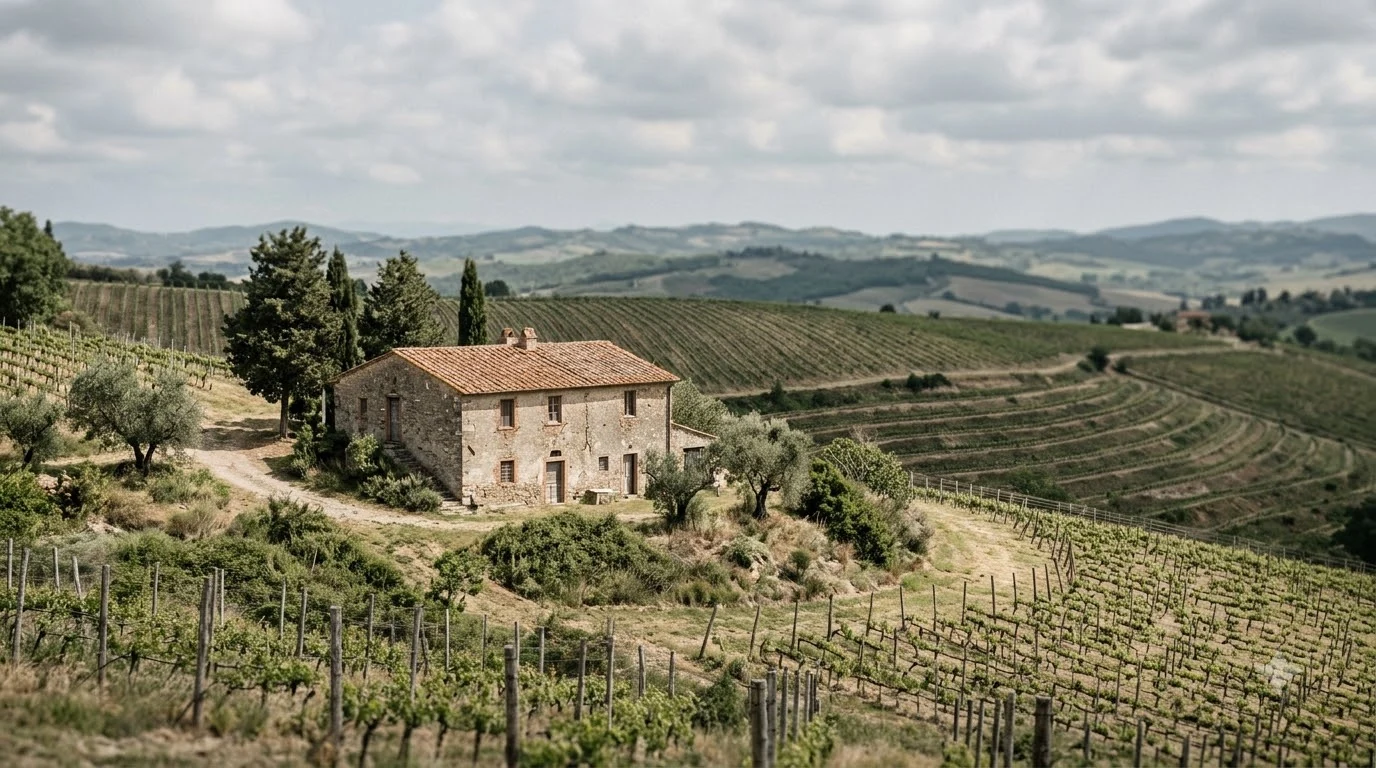
Tempranillo acidity typically falls in the medium to medium-high range, giving Spain’s signature red grape enough natural lift to balance its savory tannins and ripe dark fruit without tasting sharp or sour. Because the grape ripens early in sunny climates, its final acid level depends heavily on vineyard elevation, cool nighttime temperatures, and blending partners. Bottles from high-altitude regions like Ribera del Duero or cooler sub-zones of Rioja feel bright and structured, while low-elevation, warmer-climate examples taste softer and rounder.
Understanding how acid shapes a bottle helps explain why two Spanish reds made from the exact same variety can feel completely different on the palate. Whether you are pairing dinner or picking a bottle for the cellar, knowing what drives freshness in this grape makes shopping much easier.
What Tempranillo Acidity Actually Tastes Like
On the palate, Tempranillo acidity registers as a clean, mouthwatering freshness that carries flavors of red cherry, plum, and dried herbs across the tongue rather than a sharp citrus bite. According to Wine Folly’s comprehensive guide to Tempranillo, the grape generally shows medium-high acidity alongside medium-high tannins and a medium-full body.
In general wine chemistry, red wines sit on the acidic side of the pH scale, with most table wines falling between 2.5 and 4.5 pH, driven primarily by tartaric, malic, and citric acids. Within that spectrum, Tempranillo occupies a balanced middle ground. It rarely feels as razor-sharp as cool-climate Pinot Noir or high-acid Sangiovese, yet it carries noticeably more structural snap than plush, low-acid Merlot from warm valleys.
That balance is precisely why traditional winemakers prize the grape for extended barrel aging. Acid acts as a natural preservative in the cellar, keeping fruit flavors lively while oak aging softens the tannins into cedar, tobacco, and leather nuances. You can explore more of these classic aromas in our guide to tempranillo tasting notes.
Winemakers also notice an interesting quirk with this variety: Tempranillo can sometimes reach relatively high pH readings at harvest—occasionally pushing near 4.0 in warm, low-lying vineyards—even when total titratable acidity looks decent on paper. When pH climbs too high, the wine loses brightness and tastes flat, which is why top producers closely monitor pick dates.
Why Climate and Elevation Control Freshness
Tempranillo gets its name from the Spanish word temprano, meaning “early,” because the vine buds and ripens sooner than most other red varieties—making cool nights essential to lock in crispness. Like all wine grapes, unripe berries start out packed with sharp acids that steadily drop as sugars rise under the summer sun.
In hot regions with warm evenings, Tempranillo loses its natural acid rapidly while sugar levels climb, resulting in richer, higher-alcohol wines with softer structure. However, when planted at higher elevations or near cooling mountain ranges, wide diurnal temperature swings slow down respiration at night and preserve tartaric and malic acids.
Soil composition also plays a supporting role in how lively the finished wine feels. Limestone and chalky clay soils, common in top Spanish appellations, help vines retain moisture during dry summers and consistently yield grapes with firmer natural backbone and brighter tension than sandy, overly fertile valley floors.
For readers still getting familiar with the grape’s Spanish roots, our quick guide on how to pronounce tempranillo covers the standard phonetic breakdown before your next wine shop visit.
How Tempranillo Acidity Varies by Region and Style
Because Tempranillo adapts to distinct microclimates and winemaking traditions, its perceived acidity shifts noticeably depending on where the grapes grow and how long the wine spends in oak. Reviewers at Wine Enthusiast point out that regional climate and blending rules create clear structural differences between Spain’s flagship appellations.
In Rioja, located in north-central Spain and sheltered by mountains, vineyards in cooler zones like Rioja Alta and Rioja Alavesa produce wines with brisk, linear freshness. Winemakers there frequently blend Tempranillo with Graciano and Mazuelo—two native grapes prized specifically for adding bright acidity, deep pigment, and firm grip to the final cuvée.
Further southwest along the Duero River, Ribera del Duero sits on a high plateau where scorching summer days meet chilly nights. Wines labeled under local synonyms like Tinto Fino show intense dark fruit and muscular tannins, yet the altitude keeps a thread of vibrant acidity running through the core so the wine never feels heavy.
In warmer, lower-elevation areas like Toro—where the grape is called Tinta de Toro—or warm New World regions such as Lodi in California, riper harvests produce fuller-bodied reds with alcohol levels often reaching 14.5 to 15 percent ABV and a noticeably rounder, lower-acid mouthfeel.
| Region or Style | Perceived Acidity | Typical ABV Range | Overall Structural Feel |
|---|---|---|---|
| Rioja (Crianza and Reserva) | Medium-High | 13% – 14.5% | Bright red fruit, savory oak spice, lively finish |
| Rioja Gran Reserva | Medium to Medium-High | 13.5% – 14.5% | Polished, silky tannins, brisk dried-fruit lift |
| Ribera del Duero (Tinto Fino) | Medium-High | 14% – 15% | Dense black fruit, firm grip, high-altitude freshness |
| Toro (Tinta de Toro) | Medium | 14.5% – 15% | Concentrated, plush, bold tannins, softer edge |
| Young Un-oaked (Joven) | Medium-High | 13% – 14% | Juicy, snappy berry fruit, crisp and immediate |
How Oak Aging and Blending Shape the Palate
While vineyard climate sets the baseline for acidity, cellar decisions determine whether a bottle tastes brisk and energetic or smooth and mellow. Nearly all commercial Tempranillo undergoes malolactic fermentation, a natural secondary process that converts sharper malic acid into softer lactic acid, rounding out rough edges without stripping away core freshness.
Barrel aging adds another layer of sensory balance. Traditional Rioja producers age their Reserva and Gran Reserva bottlings in American or French oak barrels for anywhere from one to several years before releasing them. As the wine slowly interacts with oxygen through the wood staves, harsh tannins polymerize and soften, while compounds from the oak introduce vanilla, dill, coconut, and clove notes.
This extended maturation also transforms the wine’s visual appearance from deep ruby to brick-red or tawny—a shift detailed further in our look at tempranillo color. Even after ten or twenty years in bottle, well-structured examples retain enough underlying acid to keep dried fig and leather flavors feeling focused rather than tired.
Blending remains the final lever in the cellar. Alongside Graciano in Rioja, Ribera del Duero regulations allow small additions of Cabernet Sauvignon, Merlot, or Malbec, which reinforce structure and freshness in warmer vintages when pure Tempranillo might otherwise taste too soft.
Tip: If you want the brightest natural acidity in a Spanish red, look for Rioja bottles that include Graciano in the blend or check the back label for high-elevation vineyards above 2,000 feet.
Serving Temperature and Food Pairing With Tempranillo
Serving Tempranillo at the proper temperature keeps its acidity crisp and prevents alcohol warmth from dominating the glass. Industry guides generally recommend serving red Tempranillo between 60°F and 68°F (15°C to 20°C), with lighter, younger styles shining closer to the cooler end of that range around 55°F to 60°F (13°C to 16°C).
If a bottle sits at warm room temperature above 72°F, the perception of acidity drops while alcohol and oak sweetness become exaggerated. Chilling the bottle in the refrigerator for 20 to 30 minutes before pouring brings the freshness right back into focus, and giving older Reserva or Gran Reserva bottles about an hour in a decanter helps open up their savory layers.
At the dinner table, Tempranillo’s medium-high acidity and moderate-to-firm tannins make it one of the most versatile partners in the broader world of Wine by Type. Acid cuts cleanly through rich fats and cleanses the palate between bites, while savory herbal notes echo roasted meats and smoky spices.
Fresh, younger styles with higher snap pair effortlessly with tomato-based dishes like baked pasta, Spanish tapas, chorizo, and grilled sausages. Older, oak-aged bottles with mellow tannins and deeper structure match classic roast lamb, ribeye steak, gourmet burgers, and aged Manchego cheese.
Frequently Asked Questions
Is Tempranillo considered a high-acid wine?
Tempranillo is best described as having medium to medium-high acidity rather than extreme high acidity. It offers noticeably more freshness and lift than warm-climate Merlot or Zinfandel, though it is slightly softer on the palate than high-acid grapes like Nebbiolo, Sangiovese, or cool-climate Pinot Noir.
Does oak aging reduce Tempranillo acidity?
Oak aging does not drastically remove total acid from the wine, though it changes how you perceive it. Time in barrel softens astringent tannins and adds sweet spice notes like vanilla and cedar, which makes the wine taste smoother and rounder while the underlying acidity continues to preserve freshness over decades.
Which Spanish region makes the highest-acid Tempranillo?
Cooler, high-altitude vineyards in Rioja Alta, Rioja Alavesa, and Ribera del Duero typically produce the brightest, highest-acid expressions of Tempranillo. Cold nighttime temperatures in these elevated zones slow down grape ripening, allowing the fruit to hold onto crisp natural acidity alongside concentrated dark berry flavors.
Is Tempranillo good for people sensitive to acidic wines?
Many wine drinkers who find crisp white wines or tart Italian reds too sharp enjoy Tempranillo because its acidity is well buffered by ripe fruit, moderate tannins, and oak spice. Look for Crianza or Reserva bottlings from warmer vintages or regions like Toro if you prefer a smoother, less tart mouthfeel.
By paying attention to vineyard elevation, regional style, and proper serving temperature, you can easily find a bottle of Tempranillo with the exact level of brightness your meal requires. Whether crisp and youthful or savory and cellar-aged, balanced acidity remains the quiet backbone that makes Spain’s signature red so rewarding to drink.
More in Wine Types & Grapes
 What Does Mourvèdre Taste Like? Flavor Profile, Regions, and PairingsUpdated Nov 20, 2026
 What Does Marsanne Taste Like? Flavors, Styles, and Food PairingsUpdated Nov 20, 2026
 What Does Malvasia Taste Like? Styles, Flavors, and Food PairingsUpdated Nov 20, 2026
 What Does Grenache Blanc Taste Like? Flavor Profile, Styles, and PairingsUpdated Nov 20, 2026
 What Does Garnacha Taste Like? Key Flavors, Styles, and Pairing TipsUpdated Nov 20, 2026
 What Does Fruit Wine Taste Like? A Complete Flavor and Style BreakdownUpdated Nov 20, 2026