

We may earn a commission when you buy through links on this page, at no extra cost to you. Learn more.
Te Mata wine comes from Te Mata Estate, a winery in Hawke’s Bay, New Zealand, best known for Bordeaux-style red blends and a Syrah, with Chardonnay and Sauvignon Blanc alongside them. The estate’s flagship red, Coleraine, is the bottle most often cited when people ask about New Zealand’s finest reds. This guide explains where the wines come from, how the lineup is organized, and which bottle suits which occasion.
If you have seen the name on a restaurant list or a shop shelf and wondered whether it is worth trying, the short answer is yes for anyone who likes structured reds with dark fruit and some savory depth. The range is broader than one red, though, and knowing the main labels makes it easier to pick the right one.
Where Te Mata Wine Comes From
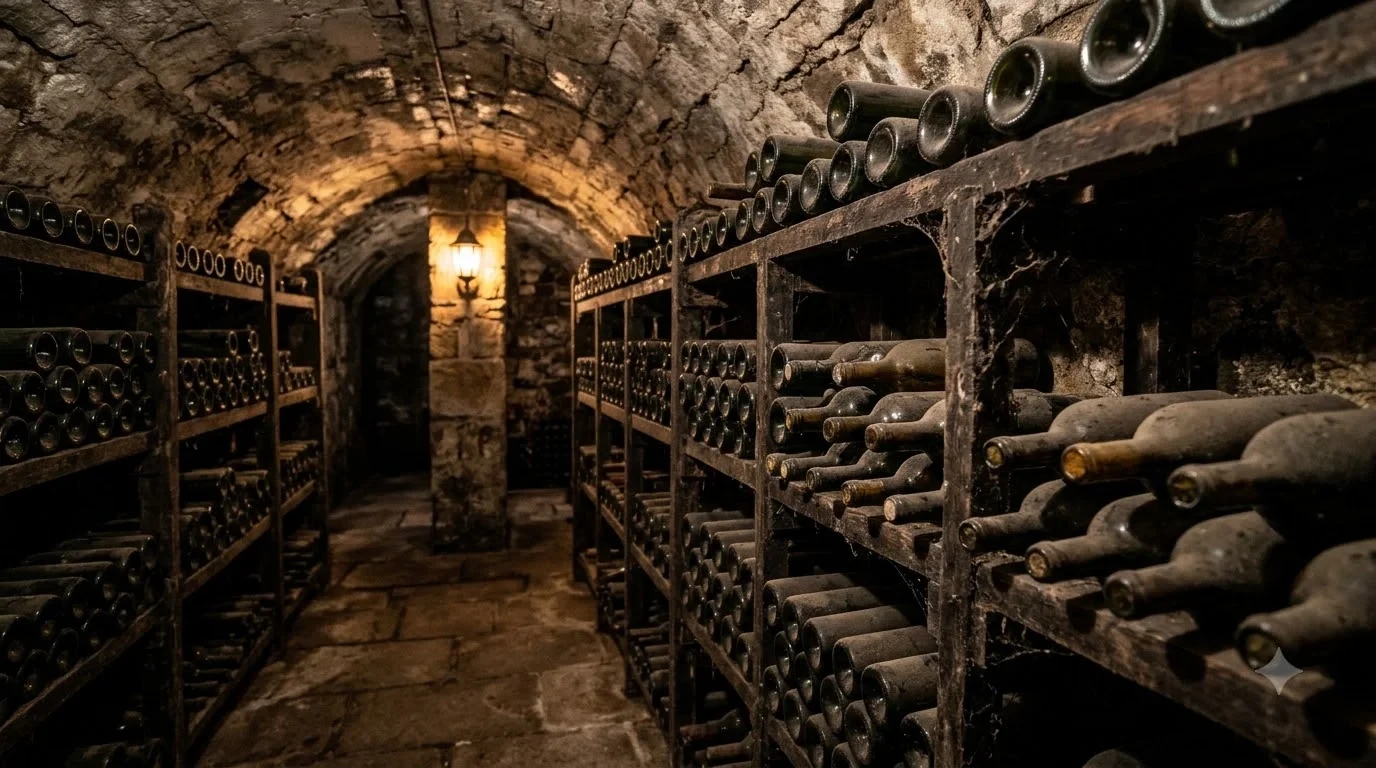
Te Mata Estate sits in the Havelock Hills near Havelock North, in Hawke’s Bay on the North Island of New Zealand, about 15 km south of Napier. According to the estate’s history as summarized on Wikipedia, the winery was established in the 1890s by Bernard Chambers after he returned from France, and it has operated continuously since then.
The region shapes the style. Hawke’s Bay offers enough warmth to ripen Bordeaux varieties and Syrah, while the coastal breezes help the whites keep their acidity. That combination explains why the estate’s reds lean toward rounded, fruit-forward blends rather than the lighter, herbal style that many people associate with New Zealand as a whole.
The Main Wines in the Te Mata Lineup
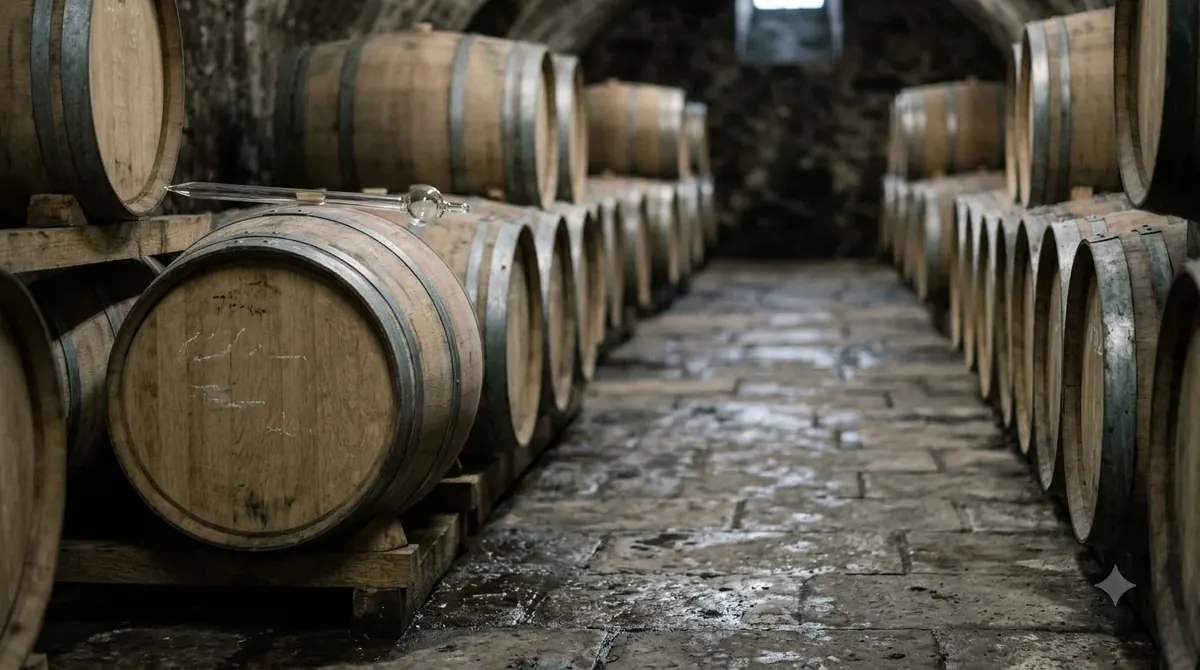
The lineup is built around a few top labels, and each one shows a different side of the estate. Coleraine is the flagship red. Awatea is a Cabernet and Merlot blend that sits below it in the range and is easier to open on a weeknight. Bullnose Syrah comes from the Bridge Pa Triangle, a site that gives the Syrah dark fruit and peppery spice.
On the white side, Elston Chardonnay comes from the vineyard that holds one of New Zealand’s earliest Chardonnay plantings. Cape Crest Sauvignon Blanc is a barrel-fermented white, which gives it more texture than the unoaked Sauvignon Blanc most drinkers know. Zara Viognier and Estate Gamay Noir round out the range, so the estate is not built around a single grape.
| Wine | Style | What to expect | Good for |
|---|---|---|---|
| Coleraine | Red blend, flagship | Structured, age-worthy, dark fruit | Special dinners and cellaring |
| Awatea | Cabernet and Merlot blend | Ripe, rounded Bordeaux character | Roast meat and everyday red nights |
| Bullnose Syrah | Syrah | Dark fruit with savory, peppery notes | Grilled, smoked, or barbecued food |
| Elston Chardonnay | Chardonnay | Stone fruit with a firm backbone | Roast chicken and creamy sauces |
| Cape Crest Sauvignon Blanc | Barrel-fermented white | Textured, less grassy than typical Sauvignon Blanc | Fish and richer seafood |
| Zara Viognier | Viognier | Aromatic, floral, fuller in body | Spiced Asian and Indian dishes |
Tip: If you are unsure where to start, a red from the middle of the range usually shows the estate’s character more clearly than the cheapest bottle or the most expensive one.
Grape Varieties and Styles Behind the Wines
Wikipedia’s summary of the estate names Cabernet Sauvignon, Merlot, Syrah, Pinot Noir, Gamay Noir, Chardonnay, Sauvignon Blanc, and Viognier among the varieties grown there. The estate is especially known for its Cabernet Sauvignon and Merlot blends, and that is where most of the structure in the reds comes from.
Cabernet Sauvignon sets the tone for the Bordeaux-style reds. The Wine Folly guide to Cabernet Sauvignon describes a dry, full-bodied wine with black cherry, black currant, cedar, and baking spices, with medium-high tannins and acidity. Blending in Merlot softens those tannins and adds plum and red-fruit character, which is why blends such as Awatea and Coleraine often feel rounder on release than a pure Cabernet.
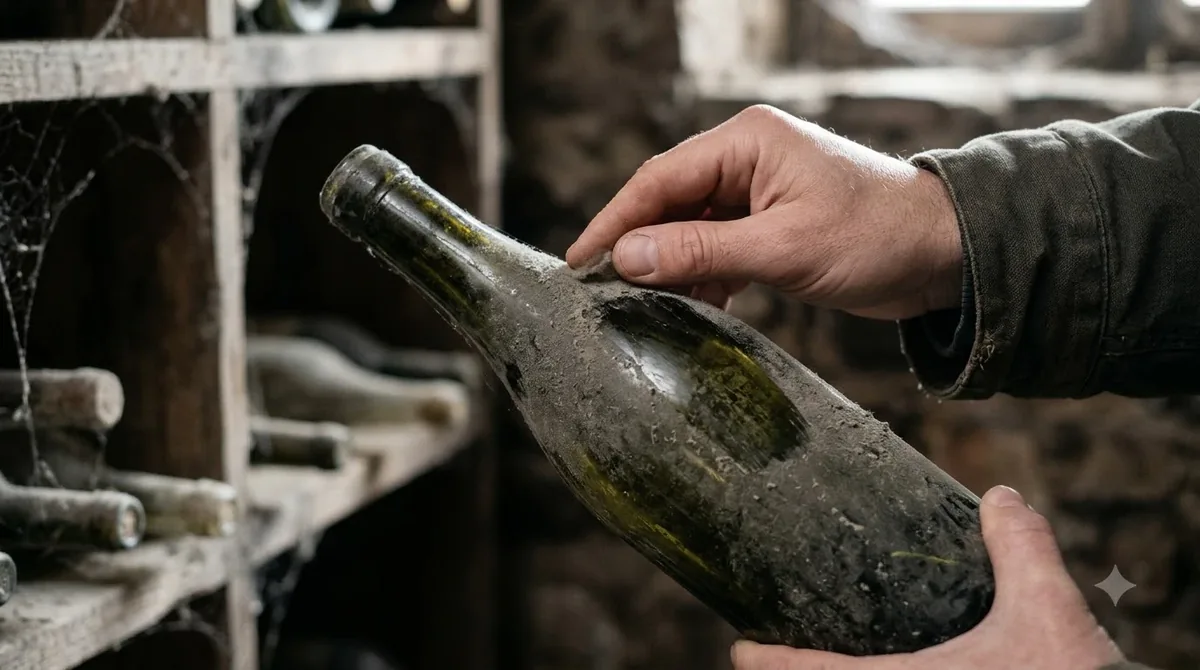
Structure is the reason to wait with the bigger reds. Cellar time of ten years or more is common for well-built Cabernet-led wines, but a younger bottle from a good vintage can still be enjoyable after decanting, especially if it is opened an hour or two ahead of the meal.
How to Serve and Pair Te Mata Wines
Serving temperature changes how the reds taste. Wine Folly suggests serving Cabernet Sauvignon at 60 to 68°F (15 to 20°C), which is warmer than most people keep a red in the fridge. A slightly cool room is a better setting than a hot kitchen counter.
Match the food to the weight of the wine. The Coleraine and Awatea reds handle roast lamb, beef, and aged cheese, while the Bullnose Syrah suits grilled sausages and smoked meats. For the whites, the Elston Chardonnay works well with roast chicken and creamy pasta, and the Cape Crest Sauvignon Blanc is a good match for grilled fish. The Viognier suits spiced dishes, where its aromatic style can keep pace with the heat.
Glassware makes a small but real difference. A large bowl lets the Cabernet-based reds open up, while a narrower glass suits the Chardonnay and the Sauvignon Blanc, which keep their freshness in a tighter shape. Fill the glass only partly so the aromas collect at the rim.
Decanting is useful for the younger reds. Pour the wine into a carafe and let it breathe for at least an hour before serving, then taste it again as it warms slightly in the glass.
How to Choose a Te Mata Bottle
Choosing a Te Mata bottle comes down to the occasion and how long you plan to keep the wine. Start with the reds if you want a bold bottle for a meal, and with the whites if the table leans toward seafood or chicken.
- Decide whether you want red or white, and whether the meal is casual or formal.
- For a special red, pick Coleraine. For an everyday red, Awatea is the easier choice.
- For a white, choose Elston Chardonnay for richer dishes or Cape Crest Sauvignon Blanc for seafood.
- If you plan to cellar a bottle, check the vintage and store it on its side in a cool, dark place.
Think about the people at the table as well. A group that is split between red and white drinkers often does well with one bottle of each, and a Chardonnay and a Cabernet-led red from the same estate make an easy pairing for a mixed menu. Guests who usually drink lighter wines may find the Viognier or the Awatea a gentler introduction to bigger Bordeaux-style reds than the flagship bottle.
For readers comparing with other producers, the Antinori red wine range offers a useful reference point for Italian reds of a similar structure, while the Aveleda wine guide covers a very different, lighter style from Portugal.
Frequently Asked Questions
Is Te Mata wine from New Zealand?
Yes. Te Mata Estate is in the Havelock Hills near Havelock North, in Hawke’s Bay on New Zealand’s North Island, close to the city of Napier.
What is the best-known Te Mata wine?
Coleraine is the estate’s flagship red and the label most often mentioned in discussions of New Zealand’s top reds. It is a structured blend built for keeping and for special meals.
Which Te Mata wine is good for beginners?
Awatea is an approachable starting point because it is a Cabernet and Merlot blend with rounded fruit. Elston Chardonnay is a good choice for anyone who prefers white wine with some body.
How long can Te Mata reds be kept?
The bigger reds, particularly Coleraine, are built to age. Many Cabernet-led wines reward cellaring for ten years or more, while lighter wines in the range are best enjoyed within a few years of release.
Te Mata wine rewards a little planning. Pick the red or white to suit the meal, decant the younger bottles, and use the wine brands guide to compare the estate with other producers before you buy.
More in Wine Brands
 Underwood Wine Price: Compare Bottles, Cans, and Pack SizesUpdated Nov 21, 2026
 Zenato Wine Price: Compare Styles and Choose the Right BottleUpdated Nov 21, 2026
 Zuccardi Wine Price: Compare Bottles and Find the Right RangeUpdated Nov 21, 2026
 Yellow Tail Moscato Review: Taste, Sweetness and Serving TipsUpdated Nov 21, 2026
 Wolf Blass Yellow Label Review: Choose Your Best StyleUpdated Nov 21, 2026
 Wolffer Estate Rose Review: Choose the Right Bottle for Your TableUpdated Nov 21, 2026