

We may earn a commission when you buy through links on this page, at no extra cost to you. Learn more.
Tannat tasting notes center on concentrated black currant, ripe dark plum, black licorice, espresso, and woodsmoke, backed by full-throttle, tongue-gripping tannins and brisk acidity. Pronounced “tahn-naht,” this thick-skinned red grape produces opaque, nearly black wines that range from firm and savory in Southwest France to plush, fruit-forward, and saline-edged in Uruguay. Most dry bottlings sit between 13.5% and 15% ABV and reward extended aeration or cellar aging.
Because the grape carries unusually thick skins and up to five seeds per berry instead of the usual two or three, Tannat delivers more polyphenol compounds and structural grip than almost any other red variety. Understanding how climate, clonal selection, and oak aging shape those compounds makes it far easier to know what will show up in your glass before you pull the cork.
What Is Tannat?
Tannat is a deeply pigmented, high-tannin red wine grape originating in the foothills of the Pyrenees in Southwest France, where its name directly echoes the intense astringency of its skins and seeds. Known locally in Uruguay as Harriague, it is prized by winemakers for its disease resistance and by drinkers who appreciate bold, structured reds.
In the vineyard, Tannat grapes grow with thick, dark skins that protect the fruit from fungal pressure, vineyard pests, and spring frosts. Inside each berry, a higher seed count amplifies the concentration of anthocyanins and polyphenols, creating a wine that pours an opaque ruby-purple hue right to the rim of the glass. While the variety is best known as a dry table wine, producers also craft Tannat into structured rosés and sweet, fortified dessert bottlings.
Because raw Tannat can feel mouth-puckeringly firm in its youth, cellar decisions play a major role in how the finished wine tastes. Winemakers frequently rely on micro-oxygenation, oak barrel aging, or blending with softer varieties like Cabernet Franc, Cabernet Sauvignon, or Syrah to polymerize the tannins into smoother chains. If you are exploring Wine by Type to find structured alternatives to mainstream Cabernet, Tannat sits at the very top of the intensity scale alongside petit verdot tasting notes.
Flavor Profile and Styles
On the nose and palate, Tannat leads with dense dark fruit—most notably black currant, blackberry jam, and ripe black plum—layered over savory accents of black licorice, dark chocolate, roasted espresso, cardamom, and smoke. Depending on where the vines grow, secondary notes can shift from violets and dried herbs in cooler pockets to sweet baking spice, cocoa, and subtle salinity near the coast.
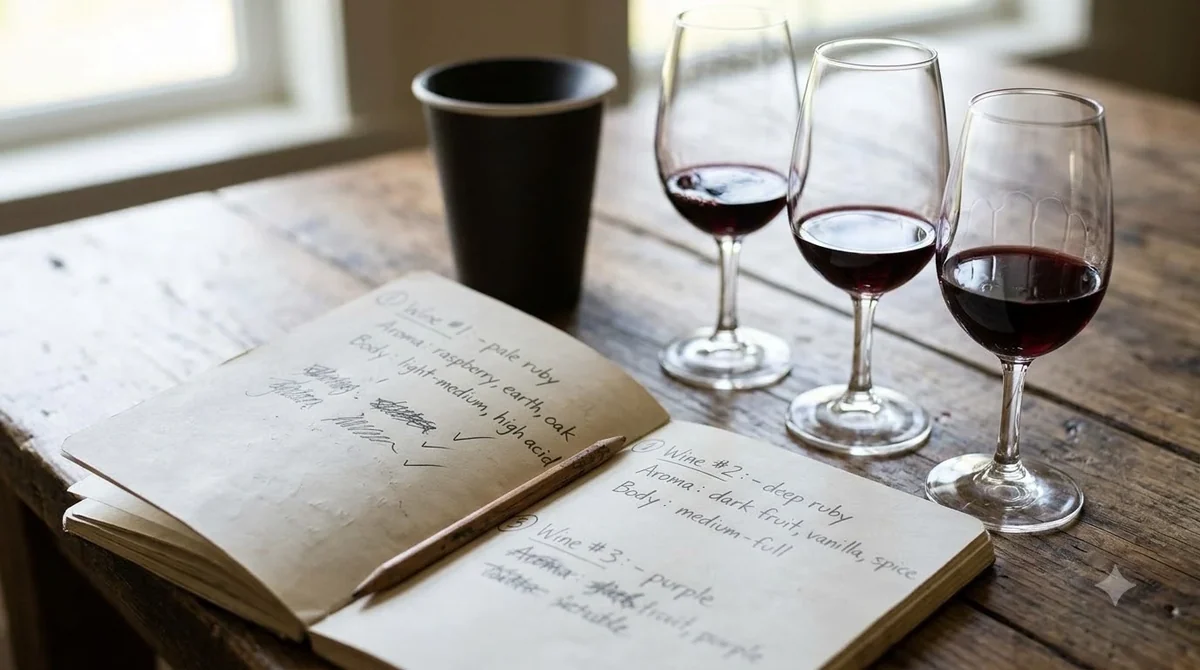
According to Wine Folly’s comprehensive guide to Tannat, the grape’s structural blueprint pairs dry, full-bodied weight with high tannins and moderately high acidity. That brisk acid backbone is what keeps Tannat from feeling heavy or flabby, even when alcohol levels climb toward 15% ABV. Instead of collapsing under its own richness, a well-made bottle finishes with a clean, mouthwatering snap that invites another bite of food.
Stylistically, Tannat splits into two main camps: traditional Old World austerity and modern New World generosity. Traditional French bottlings emphasize earth, leather, black coffee, and firm, chalky tannins that demand years in the cellar before yielding their fruit. Modern South American and North American expressions often dial back heavy new oak to highlight pure blackberry, boysenberry, and floral aromatics, yielding supple tannins that can be enjoyed within a few years of vintage.
| Tasting Dimension | Traditional French Style (Madiran) | Modern New World Style (Uruguay & US) |
|---|---|---|
| Primary Fruit | Tart black currant, dried plum, wild blackberry | Ripe blackberry, black cherry, boysenberry, plum |
| Savory & Oak Notes | Smoke, black licorice, leather, espresso, spice | Cocoa, vanilla, sweet tobacco, sage, coastal salinity |
| Tannin Texture | Firm, grippy, astringent in youth; softens with age | Plush, crushed-velvet to medium-firm; earlier drinkability |
| Body & Acidity | Full body with high, brisk acidity | Full body with vibrant, balanced acidity |
| Typical Aging Window | 10+ years from vintage | 3 to 8 years from vintage |
Where Tannat Grows
Worldwide plantings of Tannat remain relatively small—roughly 14,000 acres in total—with the vast majority split between its ancestral home in Southwest France and its adopted stronghold in Uruguay. Smaller, quality-focused pockets also thrive in Argentina, California, Virginia, Oregon, and South Africa.
In Southwest France, Tannat is the backbone of the Madiran AOC, where appellation rules require at least 60% Tannat in the blend. Producers frequently round out the remaining portion with Cabernet Franc or Cabernet Sauvignon to soften the wine’s austere edges, then age the wine in oak barrels to impart subtle smoke and baking spice. Reviewers at Wine Enthusiast consistently note that top Madiran cuvées possess a dense, dry core built to mature gracefully for a decade or more.
Across the Atlantic, Basque immigrants introduced Tannat to Uruguay in the late nineteenth century, where it eventually became the nation’s signature grape and accounts for well over a third of all vineyard plantings. Over generations, Uruguayan growers selected vine clones that naturally produce softer tannins and brighter aromatics than their French ancestors. Coastal vineyards in Maldonado and Canelones benefit from Atlantic breezes, producing wines with vivid dark fruit, herbal lift, and a distinctive saline finish. Meanwhile, U.S. regions like Paso Robles, El Dorado County, Virginia’s Piedmont, and Oregon’s Applegate Valley are crafting fruit-forward bottlings that show approachability soon after release.
How to Serve Tannat
Serve Tannat slightly below room temperature at 60–68°F (15–20°C) in a large, oversized Bordeaux-style wine glass after decanting for at least one hour. Giving the wine room to breathe and keeping it cool prevents alcohol heat from overwhelming the aromatics while helping firm tannins relax.
Oxygen is Tannat’s closest ally on the dinner table. Pouring a young bottle straight into a small glass often highlights bitterness and astringency before the fruit has a chance to open. Transferring the wine into a wide-bottomed decanter—or running it through a handheld aerator—sixty to ninety minutes before dinner softens the structural grip and coaxes out hidden notes of violet, cocoa, and sweet spice. For older bottles aged ten years or longer, stand the bottle upright a day ahead to let sediment settle, then decant gently just before serving.
Glassware and temperature matter just as much as aeration. A tall, wide bowl concentrates complex dark fruit and smoky aromas toward the rim while directing the wine across the center of the palate rather than straight onto the tannin-sensitive sides of the tongue. If your kitchen or dining room sits above 70°F, place the bottle in the refrigerator for 15 to 20 minutes before decanting so it lands squarely in the 60–68°F sweet spot.
Tip: If you open a bottle of Tannat without time to decant, swirl aggressively in a large glass and pour the wine back and forth between two glasses once or twice to speed up aeration.
Food Pairing Ideas
Tannat demands rich, protein-dense, and fatty dishes because dietary proteins and fats bind directly to wine tannins, neutralizing astringency and unlocking sweet fruit flavors on the palate. Lean proteins, delicate seafood, and bitter greens will clash with the wine’s structure and make it taste harsh.
In Southwest France, the classic regional match is cassoulet—a slow-cooked casserole of white beans, pork sausage, and duck confit. The gelatinous richness of duck fat and slow-braised meats coats the palate, allowing Tannat’s brisk acidity to cut cleanly through the heaviness. In Uruguay, Tannat is the undisputed companion to asado, where wood-fired beef short ribs, ribeye, and morcilla sausage mirror the wine’s smoky, savory undertones.
For everyday weeknight cooking, look toward well-seasoned grilled steaks, braised beef cheeks, smoked brisket, or roasted lamb shoulder. Vegetarian cooks can match Tannat’s weight with flame-grilled portobello or porcini mushrooms, black lentil stews cooked with smoked paprika, or aged hard cheeses like Comté, Manchego, and aged Gouda. By contrast, if your menu leans toward lighter poultry, salmon, or crisp goat cheese, softer profiles like grenache tasting notes or sancerre tasting notes will serve the meal far better.
How to Choose a Bottle
When shopping for Tannat, match the region and oak regimen on the label to when you plan to open the bottle: choose Uruguay or California for immediate drinking, and Madiran if you want a cellar candidate. Checking alcohol percentage and blend composition will also tell you how rich or structured the wine will feel.
If you want a bottle for dinner tonight, look for Uruguayan bottlings labeled Reserva or coastal selections from Maldonado and Canelones, as well as California releases from Paso Robles or Amador County. As Wine Enthusiast’s Tannat buying guide notes, American-grown Tannats tend to be approachable soon after release, offering juicy black fruit and crushed-velvet tannins without requiring years of patience. Bottlings blended with small amounts of Cabernet Franc, Merlot, or Syrah also deliver rounder mid-palate texture.
If you enjoy collecting age-worthy reds, seek out old-vine (“Vieilles Vignes”) cuvées from Madiran or single-vineyard reserve bottlings from top Uruguayan estates. Check the vintage date: French Madiran often hits its stride seven to fifteen years past harvest, once secondary aromas of leather, tobacco, and dried plum emerge. Looking at the back label for ABV helps set expectations too—bottles around 13.5% to 14% ABV emphasize brightness and savory herbs, while 14.5% to 15% ABV releases lean warmer, riper, and fuller on the finish.
Frequently Asked Questions
Is Tannat sweeter or drier than Cabernet Sauvignon?
Tannat is almost always vinified completely dry, with residual sugar levels comparable to dry Cabernet Sauvignon. However, because Tannat carries significantly higher tannins and brisker acidity, it often tastes drier and more astringent on the finish than a plush California Cabernet.
Why does Tannat feel so drying on the tongue?
Tannat berries have unusually thick skins and contain up to five seeds per grape instead of the typical two or three. Both skins and seeds are packed with polyphenols, which bind to proteins in your saliva and create that signature grippy, mouth-drying sensation.
How long should you decant Tannat before drinking?
Young Tannat benefits from at least one hour in a decanter, and bold Madiran or single-vineyard bottles can improve for up to two hours. Exposure to oxygen softens the raw astringency of the tannins and allows dark berry, cocoa, and floral notes to emerge.
What is the difference between French and Uruguayan Tannat?
French Tannat from Madiran tends to be firmer, earthier, and more austere in its youth, often blended with Cabernet Franc and built for a decade or more of aging. Uruguayan Tannat comes from softer grape clones grown near the Atlantic coast, yielding riper dark fruit, smoother tannins, and subtle saline freshness early on.
Whether you pour a structured, cellar-aged Madiran or a vibrant, coastal bottle from Uruguay, Tannat rewards drinkers who appreciate bold flavor and serious texture. Keep a decanter handy, pair it with richly seasoned dishes, and let the wine’s dark fruit and savory spice unfold in the glass.
More in Wine Types & Grapes
 What Does Mourvèdre Taste Like? Flavor Profile, Regions, and PairingsUpdated Nov 20, 2026
 What Does Marsanne Taste Like? Flavors, Styles, and Food PairingsUpdated Nov 20, 2026
 What Does Malvasia Taste Like? Styles, Flavors, and Food PairingsUpdated Nov 20, 2026
 What Does Grenache Blanc Taste Like? Flavor Profile, Styles, and PairingsUpdated Nov 20, 2026
 What Does Garnacha Taste Like? Key Flavors, Styles, and Pairing TipsUpdated Nov 20, 2026
 What Does Fruit Wine Taste Like? A Complete Flavor and Style BreakdownUpdated Nov 20, 2026