

We may earn a commission when you buy through links on this page, at no extra cost to you. Learn more.
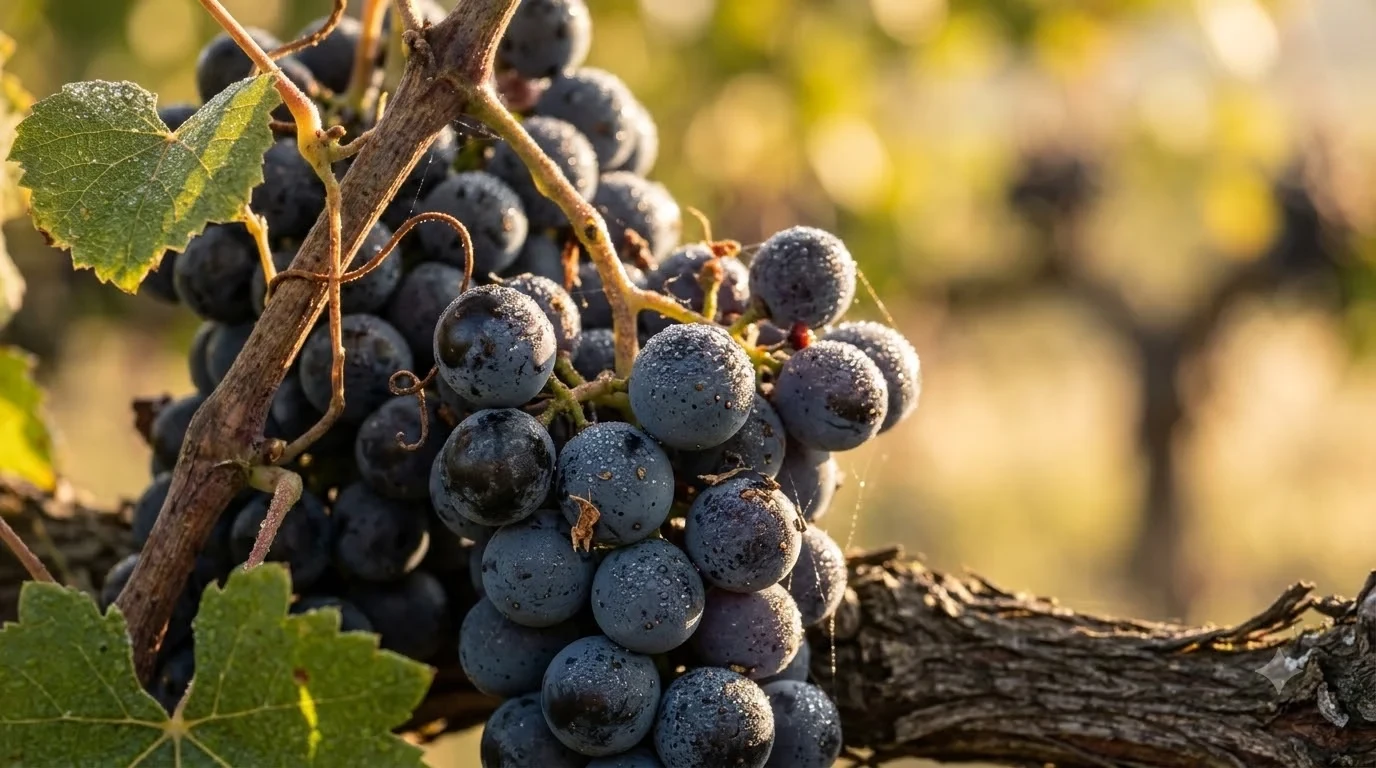
Tannat grape is a dark-skinned red variety with very high tannin, and it is best known from southwest France and Uruguay. It makes firm, structured wines with black currant, red plum, and smoky notes, and it usually reaches 13.5 to 15 percent alcohol. Winemakers often soften it with oak aging or extended time in the bottle before it is ready to drink.
If you have seen Tannat on a label and wondered whether it is worth trying, this guide explains where the grape comes from, what its wines taste like, and how to serve and pair them. The short version is that Tannat rewards patient drinkers who enjoy bold, savory reds with a firm grip.
Where Tannat Comes From
Tannat is a grape that traces back to southwest France, specifically the Madiran area. Basque immigrants carried it across the Atlantic to Uruguay, where it became the most widely planted grape in the country and its flagship red. That history explains why Tannat is often associated with both regions, even though it is a relatively small variety in the global picture.
As of 2021, roughly 13,685 acres of Tannat were planted worldwide. France leads with about 6,200 acres, followed by Uruguay with about 4,263 acres, Argentina with about 2,068 acres, and the United States with about 610 acres. Those figures show how concentrated the grape still is, with two countries carrying most of the planted area.
Flavor and Style of Tannat Wine
Tannat wines typically show black currant and red plum as their core fruit, with licorice, smoke, smoked meats, and black cardamom in the background. Those savory notes are a big part of the grape’s appeal for people who enjoy structured reds that are not sweet.
Climate changes the character noticeably. Warm growing areas tend to produce riper black fruit and a rounder feel, while cooler regions often show more herbal and savory notes. That range means one grape can deliver quite different glasses depending on where it was planted and how it was picked.
| Feature | What it typically means for Tannat |
|---|---|
| Tannin | High, structured, and astringent on the first sip |
| Body | Full, with a substantial weight in the mouth |
| Acidity | Moderately high, which helps the wine age |
| Alcohol | Typically 13.5 to 15 percent ABV |
| Core flavors | Black currant, red plum, licorice, smoke |
Why Tannat Tannins Are So Strong
Tannins are natural compounds from grape skins, seeds, and sometimes oak, and they create the drying sensation on the palate. Tannat is known for having more of them than most red grapes, which is why first-time drinkers sometimes find it hard going. The wine feels firm rather than soft, and the grip lingers after each sip.
Winemakers have developed several ways to manage that structure. Oak aging adds smoothness and spice, and some producers use micro-oxygenation, a controlled exposure to small amounts of oxygen that can help soften the tannins over time. Extended aging in the bottle does a similar job, allowing the harshest edges to mellow with patience.
How to Serve Tannat
Tannat is usually served at a slightly cool room temperature rather than fully warm. A short time in the fridge before pouring can bring the wine into balance, especially for a bottle with a high alcohol level. Pouring into a generous glass lets the aromas open as the wine warms in your hand.
Decanting is worth considering for a young or powerful Tannat. Pouring the wine into a decanter for a while lets it breathe and can make the tannins feel less severe. Older bottles that have settled may benefit from a gentler approach, so pour slowly and watch for sediment.
Because the wine is firm and full, it is often best enjoyed with a meal rather than on its own. The food helps carry the tannins, and the wine gives the dish a backbone that lighter reds cannot provide.
Food Pairing with Tannat
Tannat pairs well with rich, savory dishes. Wine Folly’s grape guide suggests that its firm tannins work well with richly marinated, grilled meats and vegetables, and it names flame-grilled porcini mushrooms, medium-rare T-bone steak, and cassoulet as examples. In each case the meat or fat helps offset the grip of the wine.
Think about the richness of the plate. Heavily seasoned grilled beef, slow-cooked beans with sausage, or hearty mushroom dishes all give the wine something to work against. Lighter fish or delicate salads usually taste thin next to a wine this structured.
Cheese can also work, particularly firm aged styles with savory character. Pairing a bold Tannat with a salty, nutty cheese brings out the wine’s dark fruit and can make the finish feel rounder.
For a broader look at how grape structure shapes food matching, the Wine by Type guide is a good next read. If you enjoy the savory side of Tannat, you may also like the crisp, mineral profile of assyrtiko grape, which shows how a very different style can balance a rich meal.
How to Choose a Tannat Bottle
When you shop for Tannat, look at the region on the label. Bottles from southwest France and Uruguay are the most common starting points, and their styles can differ in notable ways. Reading the producer’s description helps you understand whether the bottle leans toward ripe fruit or a more savory, herbal profile.
Also check whether the wine mentions oak aging or extended time in barrel. Those signals usually point to a smoother, more polished wine. A bottle described as bright or fresh is more likely to show the grape’s acidity and red fruit.
If you are new to the grape, consider a blend. Some producers combine Tannat with other varieties to soften its structure while keeping its character. Blends can be an easier way to get to know the style before you commit to a full-strength bottle.
Vintage notes can also guide your choice. A warm year may bring a riper, more generous Tannat, while a cooler year often shows more savory and herbal character. If the producer notes the vintage conditions, read them as a clue to the style you can expect in the glass.
Finally, consider the company you plan to keep. Tannat is a natural fit for a long dinner with friends, a winter meal with stews or roasts, or a backyard cookout with grilled food. It is less suited to a light lunch or a warm afternoon, where a fresher, lower-tannin red or a crisp white is usually more comfortable.
Tip: Give a young Tannat time to open up. Its firm structure often feels more balanced after it has had a short rest in the glass or in a decanter.
Frequently Asked Questions
Where does Tannat grape come from?
The grape traces back to southwest France, near Madiran. Basque immigrants brought it to Uruguay, where it is now the most widely planted grape and the country’s flagship red.
How much alcohol is in Tannat wine?
Tannat is typically 13.5 to 15 percent ABV. The exact figure is printed on each bottle, so check the label if you want a precise number.
Why is Tannat so tannic?
Tannat has naturally high levels of tannin, which comes from the grape skins and seeds. Oak aging and careful winemaking can soften the effect, but the grape remains one of the most structured reds.
What food goes well with Tannat?
Rich, savory dishes work best, especially grilled meats, hearty mushroom dishes, and cassoulet. The fat and protein in these foods help balance the firm tannins.
Tannat is a rewarding red for drinkers who like bold, savory wines with real structure. Start with a bottle from a region you trust, serve it at a slightly cool room temperature, and pair it with a generous, rich meal to see the grape at its best.

More in Wine Types & Grapes
 Zinfandel Sugar Content: Dry Red vs. White Zinfandel GramsUpdated Nov 21, 2026
 Best Zinfandel Substitute Options for Sipping and CookingUpdated Nov 21, 2026
 Zweigelt Food Pairing: Best Dishes, Cheeses, and Serving TipsUpdated Nov 21, 2026
 Zinfandel Tannins Explained: How Structure Shapes Every BottleUpdated Nov 21, 2026
 Zinfandel Sweetness Level: Dry Red vs. Sweet White Zin ExplainedUpdated Nov 21, 2026
 Xinomavro Food Pairing: Best Dishes, Styles, and Serving TipsUpdated Nov 21, 2026