

We may earn a commission when you buy through links on this page, at no extra cost to you. Learn more.
Switzerland wine tasting is best experienced across the country’s six wine regions, where visitors can discover distinctive Chasselas, Petite Arvine, Pinot Noir and Merlot wines shaped by Alpine slopes, lake climates and local traditions. Start in Vaud for crisp Chasselas and spectacular vineyards above Lake Geneva, visit Valais for indigenous Alpine grapes, and travel south to Ticino for Merlot. Each region offers a different perspective on Swiss winemaking, making regional comparisons one of the most rewarding parts of a visit.
Switzerland might be better known internationally for chocolate, cheese and mountain scenery, but its wines deserve equal attention. The country’s wine culture is remarkably diverse, with French, German and Italian influences reflected in grape varieties, cellar traditions and regional food. Much of the production stays within Switzerland, so tasting wines at their source provides an opportunity to discover bottles that are difficult to find elsewhere.
Understanding Switzerland’s Six Wine Regions
Swiss wine country is divided into six official regions, each with a recognizable combination of geography, climate and grape varieties. Understanding these differences helps visitors select tasting destinations and recognize why two wines made from the same grape can taste quite different.
According to Swiss Wine Promotion, the country has approximately 14,569 hectares of vineyards, cultivated by more than 2,500 winegrowers. Its six regions cover 26 cantons and 62 wine AOCs. The regions are Valais, Vaud, Geneva, Ticino, Three Lakes and German-speaking Switzerland. Together, they produce approximately 100 million liters of wine annually.
Vaud is the natural starting point for visitors interested in traditional Swiss white wines. Its vineyards stretch along Lake Geneva, particularly around Lavaux and La Côte. Chasselas is the signature grape, producing wines that emphasize freshness, subtle fruit and the characteristics of individual vineyard sites.
Valais is Switzerland’s largest wine-growing region, accounting for approximately one-third of the national vineyard area. Its Rhône Valley vineyards produce both familiar international varieties and distinctive local grapes, including Petite Arvine, Cornalin, Humagne Rouge and Amigne. The combination of sunshine, mountain exposure and varied elevations creates an especially interesting range of styles.
Geneva combines established varieties with a more experimental approach to winemaking. Visitors can find Chasselas, Gamay, Chardonnay and Bordeaux-inspired red blends. Ticino, in the Italian-speaking south, is particularly associated with Merlot, while the Three Lakes region is known for Pinot Noir, Chasselas and regional rosé.
German-speaking Switzerland covers several wine-producing cantons, including Graubünden, Zurich, Schaffhausen and Thurgau. Pinot Noir is particularly important, alongside aromatic whites such as Müller-Thurgau and Räuschling. These regional distinctions make Switzerland a rewarding destination for anyone interested in comparing wines rather than concentrating on one famous appellation.
| Wine region | Signature grapes | Best tasting focus | Distinctive location |
|---|---|---|---|
| Valais | Petite Arvine, Cornalin, Heida | Indigenous Alpine varieties | Rhône Valley |
| Vaud | Chasselas, Pinot Noir, Gamay | Lake-influenced white wines | Lavaux and La Côte |
| Geneva | Chasselas, Gamay, Chardonnay | Traditional and experimental wines | Geneva countryside |
| Ticino | Merlot, Bondola | Southern Swiss red wines | Lugano and Mendrisiotto |
| Three Lakes | Pinot Noir, Chasselas | Pinot Noir and rosé | Neuchâtel and Lake Biel |
| German-speaking Switzerland | Pinot Noir, Müller-Thurgau, Räuschling | Cool-climate wines | Graubünden and Zurich |
For a broader introduction to these geographical differences, explore our Switzerland wine region overview before deciding which vineyards deserve the most time on your itinerary. A little regional knowledge makes winery conversations and tasting flights much easier to follow.
Vaud and Lavaux: Discovering Switzerland’s Chasselas
Vaud is one of the most rewarding destinations for visitors interested in Swiss white wine. Its Lake Geneva vineyards are particularly associated with Chasselas, a traditional variety that expresses differences in soil, elevation and vineyard exposure rather than relying on intense fruit flavors.
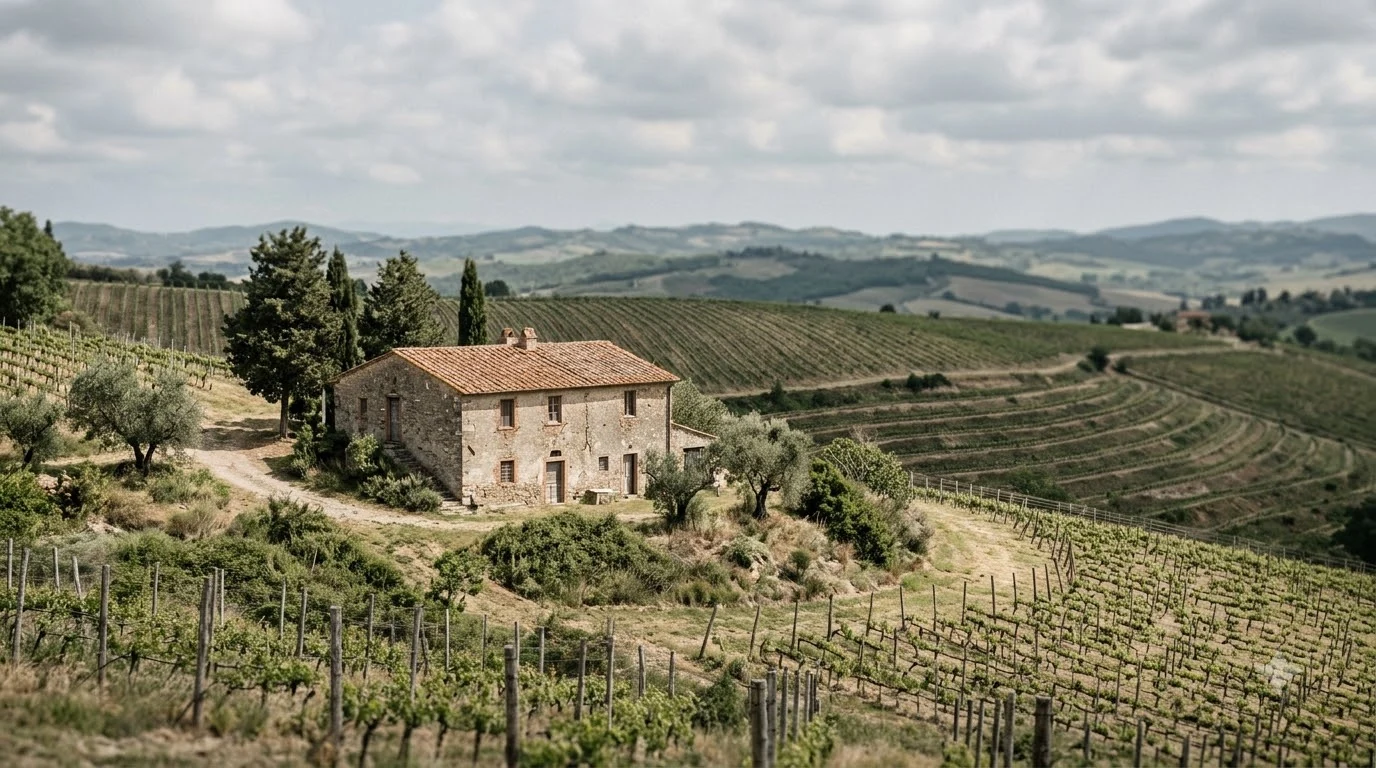
Lavaux is the region’s best-known vineyard landscape. Located between Lausanne and Vevey, its steep terraces overlook Lake Geneva and create a dramatic setting for wine visits. The vineyard landscape was recognized as a UNESCO World Heritage site in 2007. Its stone terraces, lake reflections and favorable exposures have helped establish Lavaux as one of Switzerland’s most recognizable wine destinations.
Chasselas is the essential wine to try here. Young examples often offer delicate citrus, apple, pear and floral notes, with a restrained aromatic profile. The grape is not generally characterized by high acidity or heavy body. Instead, it can provide a subtle combination of freshness, gentle texture and mineral impressions that reflect its growing site.
Two particularly interesting appellations are Dézaley and Calamin. Both are Grand Cru areas within Lavaux, but their Chasselas wines can express different combinations of concentration, texture and mineral character. Dézaley is frequently associated with powerful, ageworthy examples, while Calamin offers a different expression of the same regional grape.
La Côte, west of Lausanne, offers another useful comparison. Its rolling vineyard landscape and different soil conditions can produce Chasselas with a softer structure and more delicate profile. Tasting wines from La Côte alongside Lavaux bottlings helps demonstrate how much the growing environment can influence a relatively restrained grape variety.
What to taste in Lavaux
Begin with a young Chasselas from La Côte, then compare it with a Lavaux bottling. Finish with a Dézaley or Calamin Grand Cru if available. This sequence makes it easier to identify differences in texture, concentration and finish without needing extensive tasting experience.
Visitors interested in understanding several producers at once can also look for regional wine centers and tasting rooms. Lavaux Vinorama in Rivaz has been highlighted by wine publications for its selection of regional producers and opportunities to compare Chasselas from different vineyards. Advance planning is sensible, particularly during busy travel periods.
Food is an important part of the Vaud experience. Chasselas is a classic accompaniment to Swiss cheese fondue and raclette. Its restrained profile allows the cheese to remain central while its freshness helps balance the richness of the meal. It also works with lake fish, seafood and lighter poultry dishes.
Tip: Order two Chasselas wines from different Vaud appellations rather than two unrelated varieties. Comparing the same grape from La Côte and Lavaux provides a clearer understanding of regional terroir.
Valais: Exploring Petite Arvine and Alpine Specialties
Valais is the region to prioritize if discovering uncommon Swiss grape varieties is your main objective. Its sunny Rhône Valley vineyards support an impressive selection of whites and reds, including grapes that are rarely encountered outside Switzerland.
The vineyards follow the Rhône River for approximately 100 kilometers, with growing sites extending from around 270 meters to 1,100 meters above sea level. The differences in elevation, exposure and soil contribute to the region’s varied wine styles. Visitors can explore established wine villages around Sion, Sierre, Fully and Visperterminen.
Petite Arvine is one of the most distinctive white varieties to seek out. Wine Enthusiast describes it as an indigenous Swiss grape associated particularly with Valais. Its naturally high acidity is an important feature, helping the wines retain freshness even when the grapes reach full ripeness.
Dry Petite Arvine commonly offers citrus, grapefruit, peach and mineral impressions. Some examples also develop a salty or saline finish that makes the grape particularly memorable. The style varies according to winemaking decisions, so a tasting flight can reveal considerably more than a single bottle.
There are three broad expressions worth recognizing. Stainless-steel versions tend to emphasize citrus, freshness and direct fruit. Wines aged in neutral barrels can develop greater texture and complexity, sometimes showing rhubarb-like characteristics. Late-harvest examples combine sweetness with the grape’s naturally high acidity.
Another important white grape is Heida, also known as Païen or Savagnin Blanc. It is especially associated with higher vineyard sites in Upper Valais. Its wines can offer stone fruit, citrus, herbal notes and a fuller texture than a delicate Chasselas. Visperterminen is particularly interesting because its vineyards reach elevations of approximately 1,150 meters.
For red wine drinkers, Cornalin and Humagne Rouge deserve attention. Cornalin can produce deeply colored wines with concentrated dark fruit, spice and structure. Humagne Rouge offers another regional expression, often showing earthy and rustic characteristics alongside red and dark fruit.
Valais also produces Dôle, a regional red wine associated with blends involving Pinot Noir and Gamay. It provides a useful introduction to the region before moving on to more distinctive indigenous varieties. Pinot Noir and Syrah are also important choices for visitors comparing familiar international grapes with local specialties.
A well-planned tasting in Valais should include at least one Chasselas or Fendant, one Petite Arvine, one Heida and two different red varieties. This selection provides a broad introduction to the region without requiring an excessively long tasting session.
Ticino, Geneva and the Three Lakes: Regional Contrasts
Switzerland’s smaller wine regions offer some of its most interesting comparisons. Ticino emphasizes Merlot, Geneva combines traditional and modern styles, and the Three Lakes region provides distinctive Pinot Noir and rosé wines influenced by its lakeside geography.
Ticino lies south of the Alps, near the Italian border. Its warmer, relatively Mediterranean climate distinguishes it from many other Swiss wine-growing areas. According to Swiss Wine Promotion, nearly 80% of the region’s vineyards are planted with Merlot.
Merlot from Ticino can range from approachable, fruit-forward wines to structured bottlings with considerable depth. Red and dark cherry, plum, blackberry, herbs and spice are common tasting references. Some producers use oak maturation to add texture and complexity, while other wines emphasize freshness and the character of the fruit.
The Sopraceneri and Sottoceneri areas provide useful geographical reference points for exploring the region. Sopraceneri includes vineyards around Bellinzona and the northern part of Ticino, while Sottoceneri covers the southern area closer to Lugano and Mendrisiotto. Comparing wines from these areas can reveal differences in vineyard conditions and winemaking style. The Swiss Wine Promotion overview of Ticino’s Merlot vineyards provides further regional details.
Geneva is another worthwhile stop, especially for travelers who want to explore a mixture of familiar and less common wines. Chasselas and Gamay remain important, while Chardonnay, Pinot Noir and international red varieties broaden the selection. The region’s proximity to the city also makes it convenient for visitors with limited time.
Gamay is particularly useful for understanding lighter Swiss reds. Its fresh red-fruit character, moderate structure and food-friendly style make it a natural alternative to heavier Merlot. Visitors can compare it with Pinot Noir to understand how two different grapes express freshness and structure in Swiss conditions.
The Three Lakes region includes vineyards around Neuchâtel, Lake Biel and Vully. Pinot Noir is an important red variety, while Chasselas and other whites contribute to the region’s diversity. Neuchâtel is also associated with Œil-de-Perdrix, a regional rosé made from Pinot Noir.
Œil-de-Perdrix is particularly interesting because it offers a different perspective on Pinot Noir. Rather than the structure and darker fruit of a red wine, it emphasizes freshness, delicate fruit and a lighter texture. It can work especially well with lake fish, charcuterie and summer meals.
Visitors should also look for Neuchâtel Non Filtré, a distinctive white wine tradition associated with Chasselas. Its unfiltered presentation can give the wine a cloudy appearance and a different textural impression from conventional filtered bottlings. This is a useful specialty to include in a regional tasting.
German-Speaking Switzerland: Pinot Noir and Cool-Climate Wines
German-speaking Switzerland is particularly rewarding for visitors who enjoy Pinot Noir and aromatic white wines. Its vineyards are distributed across several cantons, with Graubünden, Zurich, Schaffhausen and Thurgau among the important wine-producing areas.
Pinot Noir is a leading red grape throughout the region. In Graubünden, the Bündner Herrschaft is especially recognized for wines with a combination of ripe fruit, mineral character and refined structure. Producers in this area work with vineyard conditions that can create interesting comparisons with Pinot Noir from Burgundy or other cool-climate regions.
When tasting these wines, look for red cherry, raspberry, subtle spice and earthy notes. Pinot Noir generally has lower to medium tannin and naturally high acidity, so it can provide a more delicate experience than a powerful Cabernet Sauvignon or Syrah. Some examples are light and immediately approachable, while more concentrated bottlings can develop complexity with bottle age.
Räuschling is an important white grape to seek out around Zurich. It is an aromatic regional specialty that can show citrus, orchard fruit and lively freshness. Its distinctive character makes it a useful comparison with Chasselas and Müller-Thurgau.
Müller-Thurgau is another significant white variety across German-speaking Switzerland. It is often approachable and aromatic, with floral and fruity notes. Depending on the producer, it can offer a fresh, straightforward style or a more expressive wine with greater aromatic intensity.
Completer is a rarer variety worth asking about when visiting Graubünden. It is associated with fresh acidity and complex flavors that can include citrus, pineapple and almond. Because it is not widely encountered internationally, tasting it at its regional source provides an especially interesting experience.
Visitors should consider tasting three Pinot Noir wines from different producers before moving to the whites. This makes it easier to recognize differences in ripeness, oak influence and texture. Adding a Räuschling and a Müller-Thurgau creates a balanced regional introduction.
Planning Winery Visits and Building a Tasting Flight
A successful Swiss wine trip requires some planning because the six regions are spread across different geographical and linguistic areas. Choosing one or two regions for a short visit is generally more practical than attempting to cover the entire country in a few days.
For a first visit, Vaud and Valais make a particularly useful combination. Lausanne, Vevey and the Lavaux vineyards provide access to Chasselas and lake-influenced wines, while Sion and Sierre offer a route into the distinctive varieties of Valais. Travelers interested in Merlot can instead add Ticino to an itinerary through southern Switzerland.
Book winery appointments in advance, particularly when visiting smaller family-run estates. Some producers accept visitors only on specified days or require reservations for guided tastings. Regional wine tourism organizations can help identify participating wineries, tasting rooms and vineyard activities.
A practical tasting sequence
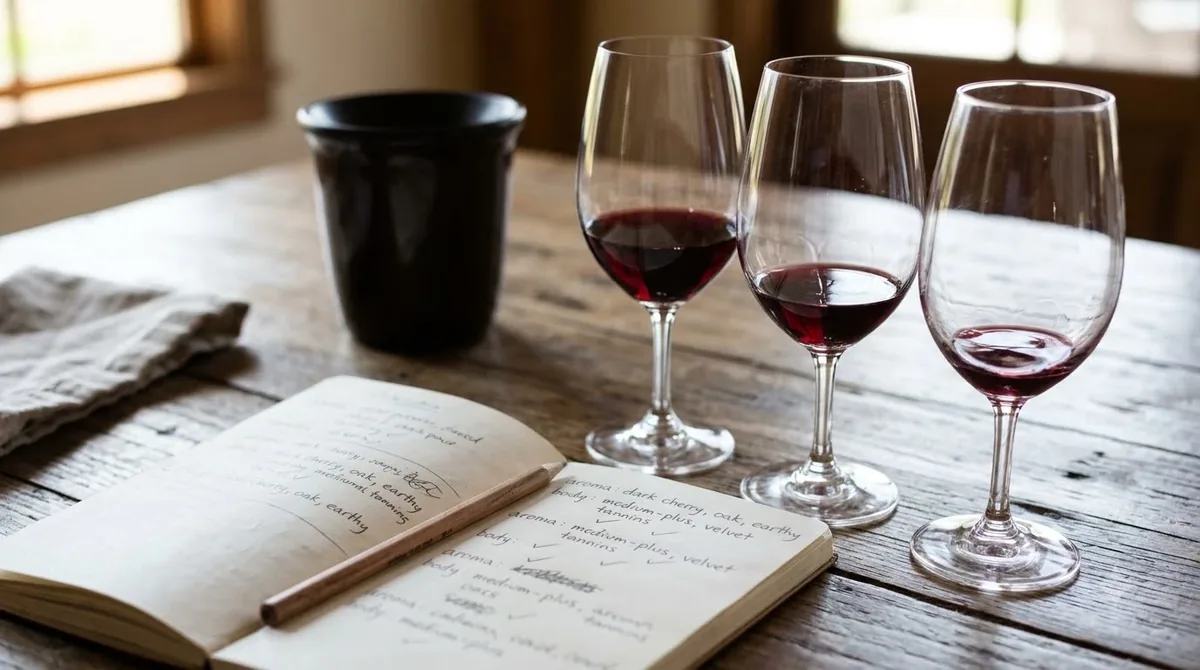
Start with lighter whites before moving to fuller whites and then reds. This prevents stronger flavors and tannins from dominating the palate too early. A useful Swiss tasting sequence includes the following wines:
- Vaud Chasselas: Start with a fresh, relatively delicate white.
- Valais Petite Arvine: Compare its pronounced acidity and citrus character.
- Valais Heida: Explore a fuller Alpine white.
- Neuchâtel Œil-de-Perdrix: Introduce a dry or nearly dry regional rosé.
- Graubünden Pinot Noir: Taste a lighter, structured red.
- Valais Cornalin: Compare its deeper fruit and more substantial structure.
- Ticino Merlot: Finish with a fuller red expression.
For a more manageable tasting, select four or five wines rather than trying every regional specialty in one sitting. Pour approximately 5 ounces for a standard serving, but use smaller tasting pours when comparing several wines. A standard 750-milliliter bottle provides approximately five full glasses.
Pay attention to serving temperatures. Light whites and rosés are generally best served around 45–50 degrees Fahrenheit, while fuller whites benefit from approximately 50–55 degrees. Light reds can be served at 55–60 degrees, and fuller reds at 60–65 degrees.
Ask producers about vineyard elevation, grape varieties, fermentation vessels and maturation. These questions often reveal more about a wine than a simple description of its aromas. For example, asking whether Petite Arvine was fermented in stainless steel or matured in neutral barrels can explain differences in texture and aromatic development.
Food pairings should reflect the wine’s structure. Chasselas is excellent with fondue, raclette and freshwater fish. Petite Arvine pairs naturally with seafood, shellfish and dishes featuring citrus or herbs. Pinot Noir works with poultry, mushrooms and lighter meat preparations, while Merlot is a good choice for grilled meats and richer mushroom dishes.
Remember that acidity is particularly important when pairing wine with food. Acidic dishes generally need wines with equal or higher acidity. Salt and fat can soften the perception of tannin, while very spicy dishes can make alcohol and tannin feel more pronounced. Tannic red wines are also less suitable for oily fish.
Travelers exploring wine beyond Switzerland can compare these regional traditions with Alsace wine tasting, where aromatic whites and French-German wine influences provide an interesting contrast. Visitors interested in a very different American wine destination can also explore Willcox wine tasting in Arizona.
Buying, Storing and Appreciating Swiss Wines
Buying wine directly from a Swiss producer is one of the most practical ways to discover regional specialties. Because only around 1% of Swiss wine is exported, many interesting bottles remain primarily available within the country. Visiting wineries and specialist regional wine shops can therefore provide access to varieties that are difficult to find in international markets.
When choosing bottles, consider selecting wines that represent different regions rather than buying several examples of the same familiar grape. A Chasselas from Vaud, a Petite Arvine from Valais, a Pinot Noir from Graubünden and a Merlot from Ticino create a useful collection for understanding Swiss wine diversity.
Pay attention to the producer’s recommended drinking window. Fresh Chasselas and many aromatic whites are enjoyable relatively young, while well-made Grand Cru Chasselas, structured Petite Arvine and selected red wines can develop additional complexity with bottle age. The potential for aging depends on the individual wine, its vintage and its production style.
Storage conditions are important if you plan to bring bottles home. Keep unopened wines in a cool, dark location, ideally around 55 degrees Fahrenheit, with relatively stable temperatures. Bottles sealed with natural cork are generally stored on their sides to maintain contact between the wine and the cork.
After opening a bottle, refrigerate it to slow oxidation. Most still wines remain enjoyable for approximately three to five days, although delicate wines may change sooner. Sparkling wines generally retain their best qualities for approximately one to three days when properly resealed. A vacuum stopper or appropriate sparkling-wine closure can help preserve freshness.
Serving the wine at the right temperature can make a significant difference. Chasselas that is excessively cold may seem muted, while a warm Merlot can feel heavier and more alcoholic. Allow fuller whites to warm slightly after refrigeration, and avoid serving red wines at excessively warm room temperature.
Swiss wine also makes an interesting subject for comparative tastings at home. Open a Chasselas from Vaud alongside a Petite Arvine from Valais, then compare a Pinot Noir from Graubünden with a Merlot from Ticino. Use similar glassware and serving temperatures to focus on differences in grape variety, acidity, tannin and regional character.
For more background on regional wine terminology and geography, our Wine Regions resource offers additional context for understanding how geography influences the wines in your glass.
Frequently Asked Questions
Why is Swiss wine so difficult to find internationally?
Switzerland exports only around 1% of its wine production, according to figures cited by Switzerland Tourism. Domestic consumption accounts for much of the available supply. This limited export volume makes smaller regional varieties particularly difficult to find in overseas wine shops.
What language should visitors use when booking Swiss wine tastings?
French is commonly used in Vaud, Valais and Geneva, while German is widely spoken in Graubünden and Zurich. Italian is the main language in Ticino, and many wineries serving international visitors can also communicate in English. A short reservation message in the local language can be helpful when arranging an appointment.
What does AOC mean on a Swiss wine label?
AOC stands for Appellation d’Origine Contrôlée, a designation connecting a wine with a defined geographical origin and production requirements. Switzerland has 62 wine AOCs across its six wine regions. The designation helps consumers understand the wine’s origin and the regional rules governing its production.
What is Neuchâtel Non Filtré traditionally associated with?
Neuchâtel Non Filtré is a regional white wine tradition associated with the first release of the new Chasselas vintage. It is traditionally presented on the third Wednesday of January. Its slightly cloudy appearance reflects its unfiltered production style, making it a distinctive seasonal specialty.
What is the smallest wine-growing region in Switzerland?
The Three Lakes region is the smallest of Switzerland’s six main wine-growing regions. Its vineyards are distributed around Lake Neuchâtel, Lake Biel and Lake Murten, also known as Lake Morat. Despite its smaller scale, the area has a recognizable identity through Pinot Noir, Chasselas and Œil-de-Perdrix rosé.
Switzerland offers much more than a single signature wine: its six regions provide an exceptional range of Alpine whites, elegant Pinot Noir, distinctive indigenous grapes and expressive Merlot. Begin with Chasselas in Vaud, continue with Petite Arvine in Valais, and finish with Merlot in Ticino for a memorable introduction to the country’s wine culture. The best Swiss wine-tasting experiences combine regional exploration, conversations with local producers and traditional food served alongside the wines.
More in Wine Regions
 Willcox Wine Trail: Discover Arizona’s High-Elevation Wine CountryUpdated Nov 20, 2026
 Yakima Valley Wine Region: Find the Best Styles to TryUpdated Nov 20, 2026
 Vosne Romanee Wine Tasting: Identify Aromas and Choose Better PairingsUpdated Nov 20, 2026
 Yakima Valley Wine Festival: Find the Best Seasonal Wine EventsUpdated Nov 20, 2026
 Wales Vineyards: Discover Cool-Climate Wines and Where to VisitUpdated Nov 20, 2026
 Yountville Wine Festival: Discover Napa Wines and Local FoodUpdated Nov 20, 2026