


We may earn a commission when you buy through links on this page, at no extra cost to you. Learn more.
The most reliable rule for sweet white wine food pairing is to match the wine’s residual sugar and vibrant acidity against spicy, salty, or rich dishes while keeping the wine sweeter than any dessert on the table. Low-alcohol, off-dry bottles like German Riesling and Moscato d’Asti tame capsaicin heat in spicy Asian dishes, whereas luscious late-harvest wines balance sharp blue cheeses and savory pâtés. When pairing with sweets, stick to fruit, vanilla, or caramel desserts rather than dark chocolate, which makes sweet white wine taste flat and bitter.
Many wine drinkers treat sweet white wines strictly as after-dinner pours, yet sommeliers rely on them as some of the most versatile bottles at the dinner table. Because residual sugar softens fiery spices, counters high sodium, and cushions rich dairy, a chilled sweet white can rescue meals that would make a dry, tannic red taste harsh or metallic. Understanding how sweetness interacts with salt, acid, fat, and chili heat turns any bottle—from a crisp off-dry Chenin Blanc to a golden Sauternes—into an effortless partner for everyday cooking.
How Sweet White Wine Food Pairing Works
Successful sweet white wine food pairing relies on balancing six basic taste components on the palate: sweetness, acidity, salt, fat, bitterness, and chili spice. Rather than simply mirroring sugar with sugar, great pairings use residual sugar and bright natural acidity to contrast dominant elements in a dish and refresh the palate between bites.
According to educators at Wine Folly, sweet white wines succeed at the table because they combine residual sugar with brisk tartness and aromatic fruit compounds known as terpenes. When you eat something intensely salty, such as aged blue cheese or cured ham, the sugar in the wine cushions the sodium while the acidity slices through the heavy fat. This push-and-pull dynamic—known as complementary pairing—keeps rich foods from feeling heavy and prevents the wine from tasting cloying.
Equally important is matching overall flavor intensity and alcohol level to the weight of the meal. A delicate, lightly sparkling bottle with low alcohol will vanish next to a heavy cream sauce or roasted meats, while a high-alcohol wine poured alongside hot chilies will amplify the burn on your tongue. When you explore broader Wine by Type, you quickly see that sweetness is a winemaking choice rather than a single grape trait, giving you options that range from whisper-sweet and zesty to syrupy and concentrated.
Key Styles of Sweet White Wine to Know
Sweet white wines span a wide spectrum from barely off-dry, crisp table wines to rich, honeyed dessert bottles, and knowing the major varieties helps you pick the right weight for your menu. Traditional grapes like Riesling, Gewürztraminer, Muscat Blanc, and Chenin Blanc each bring distinct aromatic profiles and acidity levels to the glass.
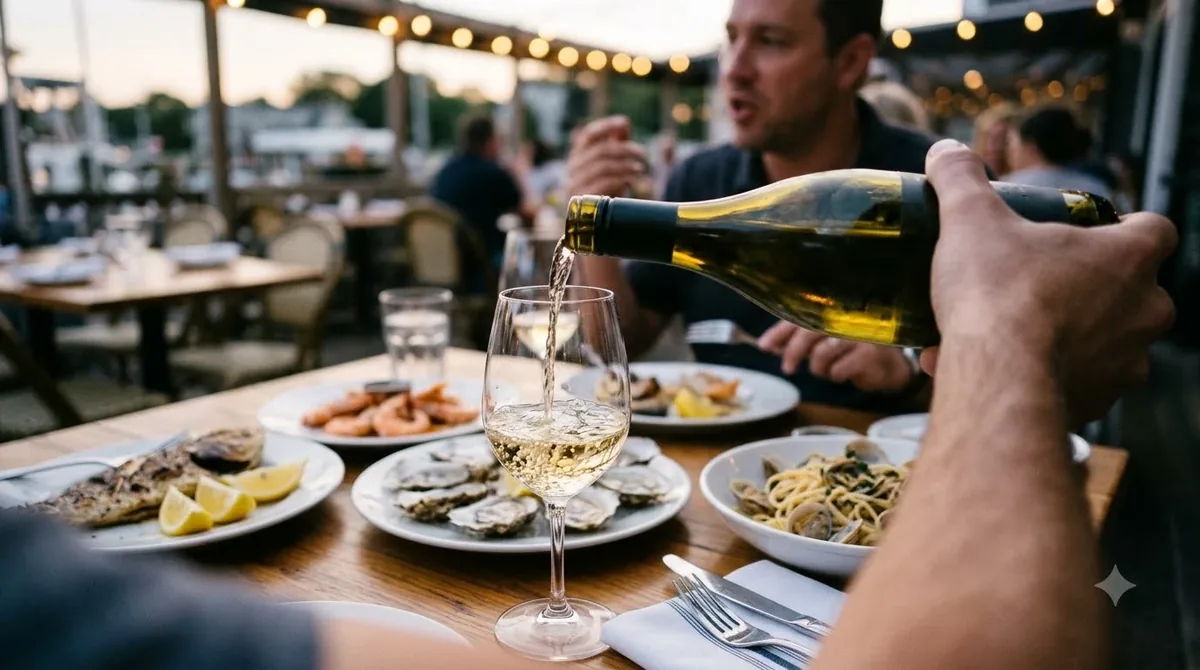
Riesling is the benchmark grape for savory food pairing because its naturally high acidity keeps even noticeably sweet styles tasting racy and clean. Off-dry German Kabinett and Spätlese bottles deliver lime, green apple, and stone fruit notes with low alcohol, making them effortless partners for takeout noodles, pork dishes, and salads with tangy dressings. Chenin Blanc from the Loire Valley—such as Vouvray Demi-Sec—offers a similar balance of crisp acidity and honeyed orchard fruit, giving it enough backbone to stand up to creamy poultry and roasted root vegetables.
Gewürztraminer and Muscat Blanc (often labeled as Moscato d’Asti in Italy) lean much more heavily into floral and tropical aromas. Gewürztraminer smells of lychee, rose petal, and ginger with lower acidity and a fuller, oilier texture, which makes it shine alongside dishes seasoned with warm baking spices like cinnamon, clove, and star anise. Moscato d’Asti brings gentle fizz, low alcohol, and bright peach and orange blossom flavors that feel refreshing alongside brunch pastries or light fruit tarts.
At the richest end of the spectrum sit noble-rot and late-harvest wines such as French Sauternes and Hungarian Tokaji. Crafted from grapes concentrated by Botrytis cinerea, these golden wines offer intense flavors of apricot jam, marmalade, saffron, and honey alongside piercing acidity. Their weight and complexity allow them to stand toe-to-toe with decadent appetizers like foie gras, duck terrine, and pungent, crumbly blue cheeses.
| Wine Style | Sweetness & Body | Key Flavor Notes | Best Food Matches |
|---|---|---|---|
| Off-Dry German Riesling | Lightly sweet, light-bodied, high acid | Lime zest, green apple, white peach, slate | Spicy Thai curries, pad thai, glazed pork belly |
| Moscato d’Asti | Moderately sweet, light, gently sparkling | Mandarin orange, honeysuckle, ripe pear | Prosciutto and melon, mascarpone fruit tarts, brunch dishes |
| Off-Dry Gewürztraminer | Off-dry to medium-sweet, medium-full body | Lychee, rose water, ginger, allspice | Chinese dim sum, Moroccan tagines, washed-rind cheeses |
| Vouvray Demi-Sec (Chenin Blanc) | Medium-sweet, medium body, brisk acid | Baked quince, honeycomb, chamomile, bruised apple | Roast pork with apples, crab cakes, creamy chicken |
| Sauternes or Late-Harvest Semillon | Lusciously sweet, full-bodied, high acid | Apricot marmalade, honey, toasted almond, saffron | Roquefort or Stilton cheese, duck pâté, caramel custard |
Taming Spicy Food and Bold Asian Flavors
Sweet, low-alcohol white wines are the gold standard for spicy dishes because residual sugar coats the palate and cools capsaicin heat while low alcohol avoids fueling the burn. Dishes built around chilies, ginger, lemongrass, tamarind, and fish sauce come alive next to a cold, off-dry bottle.
As reviewers at Wine Enthusiast note, pairing a high-alcohol wine with fiery food accents the dish’s heat and mutes the wine’s fruit flavors. Choosing a chilled, low-alcohol Riesling or Moscato d’Asti solves both problems at once: the cold temperature and gentle sugar soothe the spice receptors on your tongue, while crisp acidity cuts through rich coconut milk, peanut sauces, and fried textures. Even sweet-and-sour glazes made with honey, hoisin, or palm sugar taste balanced rather than cloying when the wine matches or slightly exceeds the sweetness of the sauce.
For dim sum and fragrant Cantonese or Sichuan dishes, off-dry Gewürztraminer is an inspired match. Its signature notes of lychee, ginger, and white pepper echo aromatics like scallions, five-spice powder, and sesame oil without clashing with delicate steamed dumplings or crispy spring rolls. If you are serving spicy grilled meats with smoky barbecue rubs where a white wine feels too light, you can also explore sweet red wine food pairing options like Brachetto or Lambrusco Amabile for a chilled red alternative.
Savory Classics: Cheese, Charcuterie, and Rich Meats
Salty cheeses, cured meats, and fatty pork or poultry dishes create classic sweet-and-savory contrasts with off-dry and dessert white wines. The wine acts much like a spoonful of fruit chutney or honey drizzled over a cheese board, brightening heavy textures and tempering sharp salt.
Blue cheeses—including Roquefort, Stilton, and Gorgonzola Dolce—are famous companions for Sauternes, late-harvest Riesling, and sweet Chenin Blanc. The intense, piquant saltiness of blue-veined cheese can make dry red wines taste metallic or overly tannic, whereas a honeyed white wine envelops the salt and highlights the cheese’s creamy, nutty depth. Aged Gruyère, sharp white cheddar, and triple-cream Brie also pair effortlessly with off-dry whites, especially when served with dried apricots, figs, and toasted nuts.
At the dinner table, sweet white wines shine alongside pork, duck, and salty ham dishes. Baked ham with a brown sugar glaze, roast pork tenderloin with apples, or creamy mac and cheese folded with diced prosciutto all benefit from the zesty acidity and subtle sweetness of an off-dry Riesling or Demi-Sec Vouvray. If you prefer heartier red-meat menus that call for savory earthiness rather than sugar, structured dry reds covered in our blaufrankisch food pairing and carignan food pairing guides offer great inspiration for roasted meats and stews.
Mastering Dessert Pairings Without Clashing
When pairing sweet white wine with dessert, the golden rule is ensuring the wine is at least as sweet as the dish on the plate. If a dessert is sweeter than the wine, the wine’s fruit will disappear and it will taste sharp, thin, and acidic.
Fruit-forward and dairy-based desserts are the safest and most rewarding matches for sweet white wines. Lemon bars, peach cobbler, apple galettes, vanilla bean panna cotta, and coconut cream pie echo the orchard fruit, citrus, and floral notes already present in Moscato d’Asti, late-harvest Riesling, and Sauternes. Caramel, butterscotch, and hazelnut desserts also work wonderfully because their toasted sugar notes mirror the honeyed complexity of botrytized and late-harvest bottles.
The one major pitfall to avoid is pairing sweet white wine with dark or bittersweet chocolate. Rich cocoa tannins and intense bitterness overwhelm delicate white fruit flavors, leaving both the chocolate and the wine tasting harsh. Save dark chocolate tortes for fortified red wines, and keep your sweet whites reserved for white chocolate mousse, crème brûlée, and fresh berry tarts.
Tip: Always serve sweet white wines well chilled—around refrigerator temperature—and place off-dry Riesling or Moscato in the freezer for 20 to 30 minutes before serving alongside extra-spicy takeout so the cold temperature refreshes your palate.
Frequently Asked Questions
Why does sweet white wine pair so well with spicy food?
Residual sugar coats the tongue and softens the burning sensation caused by capsaicin in chili peppers, while bright acidity refreshes the palate between bites. Because most off-dry sweet white wines also have low alcohol levels, they avoid amplifying the perceived heat the way high-alcohol dry wines do.
Can you serve sweet white wine with dinner instead of dessert?
Yes, off-dry and medium-sweet white wines like German Kabinett Riesling, Vouvray Demi-Sec, and Gewürztraminer are specifically built for savory meals. Their acidity and moderate sweetness balance salty cheeses, glazed pork, fried foods, and aromatic Asian dishes throughout the main course.
What foods should you avoid with sweet white wine?
Avoid dark chocolate desserts, bitter greens without a sweet or creamy dressing, and simple lean white fish seasoned only with lemon and herbs. Bitter cocoa and plain, delicate seafood can make sweet white wine taste overly syrupy or flat on the finish.
How cold should sweet white wine be served with food?
Serve light, off-dry whites like Riesling and Moscato d’Asti thoroughly chilled straight from the refrigerator so their acidity feels crisp and lively. Richer, more complex dessert wines like Sauternes can warm up slightly in the glass for a few minutes so their honeyed apricot and spice aromas open up.
Once you start treating sweetness as a seasoning tool rather than a rule strictly for dessert, pairing sweet white wine becomes intuitive and rewarding. Keep a bottle of off-dry Riesling or Moscato chilled in the fridge for takeout nights, salty cheese boards, and fruit tarts, and let the balance of sugar and acidity do the heavy lifting at your next meal.
More in Wine Types & Grapes
 What Does Mourvèdre Taste Like? Flavor Profile, Regions, and PairingsUpdated Nov 20, 2026
 What Does Marsanne Taste Like? Flavors, Styles, and Food PairingsUpdated Nov 20, 2026
 What Does Malvasia Taste Like? Styles, Flavors, and Food PairingsUpdated Nov 20, 2026
 What Does Grenache Blanc Taste Like? Flavor Profile, Styles, and PairingsUpdated Nov 20, 2026
 What Does Garnacha Taste Like? Key Flavors, Styles, and Pairing TipsUpdated Nov 20, 2026
 What Does Fruit Wine Taste Like? A Complete Flavor and Style BreakdownUpdated Nov 20, 2026