


We may earn a commission when you buy through links on this page, at no extra cost to you. Learn more.
The best sweet red wine under 20 is usually a sweet Lambrusco, Brachetto, or approachable American sweet red blend, depending on how much sweetness, fizz, and fruit flavor you prefer. Lambrusco Amabile offers refreshing bubbles and berry flavors, Brachetto brings strawberry and floral aromas, and American sweet red blends provide an easygoing option for everyday drinking. The smartest purchase is a bottle with clearly identifiable sweetness, balanced acidity, and a style that suits the occasion.
Finding an enjoyable sweet red wine does not require an expensive bottle or extensive wine knowledge. The challenge is recognizing the difference between genuinely sweet wine and a dry red that simply tastes fruity or smooth. Under-twenty-dollar selections include lightly sparkling Italian wines, approachable red blends, and richer late-harvest styles. Understanding their differences makes shopping considerably easier, whether you want something refreshing for a casual evening or a sweeter companion for chocolate dessert.
Who This Is For: Finding the Right Sweet Red Wine
Sweet red wine is particularly appealing to people who prefer ripe fruit flavors, softer tannins, and less bitterness than traditional dry reds. The category includes everything from lightly sparkling Italian wines to concentrated dessert-style bottles, so identifying your preferred drinking experience should come before choosing a particular grape or region.

First-time wine buyers often enjoy starting with an approachable sweet red blend. These wines commonly emphasize cherry, raspberry, blackberry, and plum, creating a familiar fruit-forward profile. A blend can also combine several grape varieties to create a rounder overall impression. Retailer descriptions from Total Wine, for example, identify dark berries and spice in Il Duca Cardinal Sweet Red and cherry, strawberry, and ripe berry flavors in Witching Hour Sweet Red Blend. These examples illustrate two different expressions of approachable sweetness.
People who enjoy refreshing drinks may prefer Lambrusco or Brachetto. Both are associated with Italian sparkling or lightly sparkling red wine traditions, although their grape varieties, regional origins, and flavor profiles differ. Their acidity and bubbles can make sweetness feel less heavy than it does in a concentrated still dessert wine.
There is also a good reason to consider sweet red wine if traditional Cabernet Sauvignon or Syrah tastes too drying. Cabernet Sauvignon generally has high tannin, while Syrah often has medium-plus to high tannin. Sweeter, softer styles can offer a gentler introduction to red wine. Someone who already enjoys dry reds but wants only a little sweetness, however, should consider an off-dry option rather than the sweetest available bottle.
This guide is especially useful for shoppers who want a straightforward selection without collecting expensive bottles. It also helps hosts choose something that accommodates guests who prefer sweet drinks. For a broader overview of sweetness levels and grape styles, the sweet red wine guide provides additional context.
Key Factors to Compare Before Buying
The most important buying considerations are actual sweetness, acidity, alcohol content, carbonation, and body. Comparing these characteristics helps distinguish a refreshing sweet red from a rich dessert wine, even when both bottles use similar fruit-forward descriptions.
Sweetness comes from residual sugar, meaning grape sugar remaining after fermentation. A wine can taste fruity without containing much residual sugar, so descriptions such as smooth, mellow, jammy, and ripe should not automatically be interpreted as proof that a bottle is sweet.
| Factor | What to Look For | What It Means |
|---|---|---|
| Sweetness | Amabile or Dolce | Noticeable to pronounced sweetness |
| Alcohol | 5–12% ABV | Common range for many lighter sweet reds |
| Acidity | Fresh, lively finish | Helps balance residual sugar |
| Carbonation | Frizzante or Spumante | Light bubbles or fuller sparkling character |
| Serving temperature | 45–50°F for light sweet reds | Preserves freshness and fruit character |
| Bottle size | 750 ml | Approximately five standard 5-ounce pours |
Alcohol deserves particular attention. Many lightly sparkling sweet reds have relatively modest alcohol levels, while late-harvest and fortified wines can be substantially stronger. For example, Wine Folly identifies basic Brachetto d’Acqui at approximately 5.5% ABV, whereas Liquor.com describes Tobin James Late Harvest Zinfandel at 17% ABV. Both can be sweet, but they deliver very different drinking experiences.
Acidity is another important consideration. A sweet wine with lively acidity can feel refreshing instead of syrupy. This is one reason Lambrusco and Brachetto are useful starting points. Their fruit-forward profiles and freshness make them suitable for drinking without necessarily needing a dessert alongside them.
Finally, consider the wine’s texture. Frizzante indicates a lightly sparkling style, while Spumante indicates fuller sparkling character. Still red wines have no comparable carbonation, allowing their fruit, tannin, and body to become more prominent. Neither style is automatically superior; the right selection depends on whether you want a refreshing glass or a richer, more concentrated experience.
Step-by-Step: How to Choose a Sweet Red Wine
A simple five-step shopping process can eliminate much of the guesswork. Begin with the sweetness you actually enjoy, then compare the grape or wine style, alcohol level, food pairing, and serving requirements.
-
Decide how sweet you want the wine.
Choose a medium-sweet style if you enjoy noticeable fruit sweetness without an intensely dessert-like finish. Lambrusco Amabile is a useful starting point. Choose Dolce or a sweet Brachetto if you prefer a more pronounced sweetness. People who usually drink dry wines may find a fruit-forward, slightly sweet red blend easier to appreciate than a concentrated dessert wine.
-
Choose between sparkling and still wine.
For refreshing bubbles, consider Lambrusco or Brachetto. For a smooth, uncomplicated drinking experience, look for a still sweet red blend. If you enjoy rich after-dinner wines, consider late-harvest Zinfandel. These categories differ in texture, alcohol, and intensity, so selecting the style first narrows the choices considerably.
-
Read the grape and sweetness information.
Look for terms such as Amabile, Dolce, sweet red, semi-sweet, or late harvest. Italian Lambrusco labels are especially useful because their traditional sweetness terminology communicates a meaningful distinction. A bottle marked Secco is dry, not the best starting point for someone specifically seeking a sweet wine.
-
Compare alcohol and body.
A lightly sparkling Brachetto at approximately 5.5% ABV is a different proposition from a late-harvest Zinfandel at 17% ABV. Lower-alcohol wines generally provide a lighter drinking experience, while stronger dessert-style wines often have more concentrated flavors. Consider whether the bottle is intended for casual sipping, a meal, or a small after-dinner pour.
-
Match the wine to the occasion.
For a summer gathering, a chilled sparkling red is a practical option. For pizza, grilled sausages, and salty appetizers, a lively Lambrusco can work particularly well. For brownies, chocolate cake, or berry desserts, consider a richer sweet red. The wine should be at least as sweet as the dessert to avoid making the wine seem unpleasantly tart.
These steps also help avoid a common shopping mistake: buying a wine based entirely on an attractive bottle or a familiar grape name. Sweetness, acidity, and alcohol have a much greater influence on the final drinking experience than packaging alone.
Tip: If you are uncertain about sweetness, start with Lambrusco labeled Amabile. It provides a recognizable level of sweetness while retaining refreshing acidity and light carbonation. You can move toward Dolce for a sweeter experience or Secco if you decide you prefer a drier style.
Types and Styles Explained: Which Sweet Red Should You Try?
Sweet red wine is not a single category with one consistent flavor profile. Italian sparkling wines, German red varieties, American sweet blends, and late-harvest reds each offer different combinations of sweetness, fruit, acidity, and alcohol.
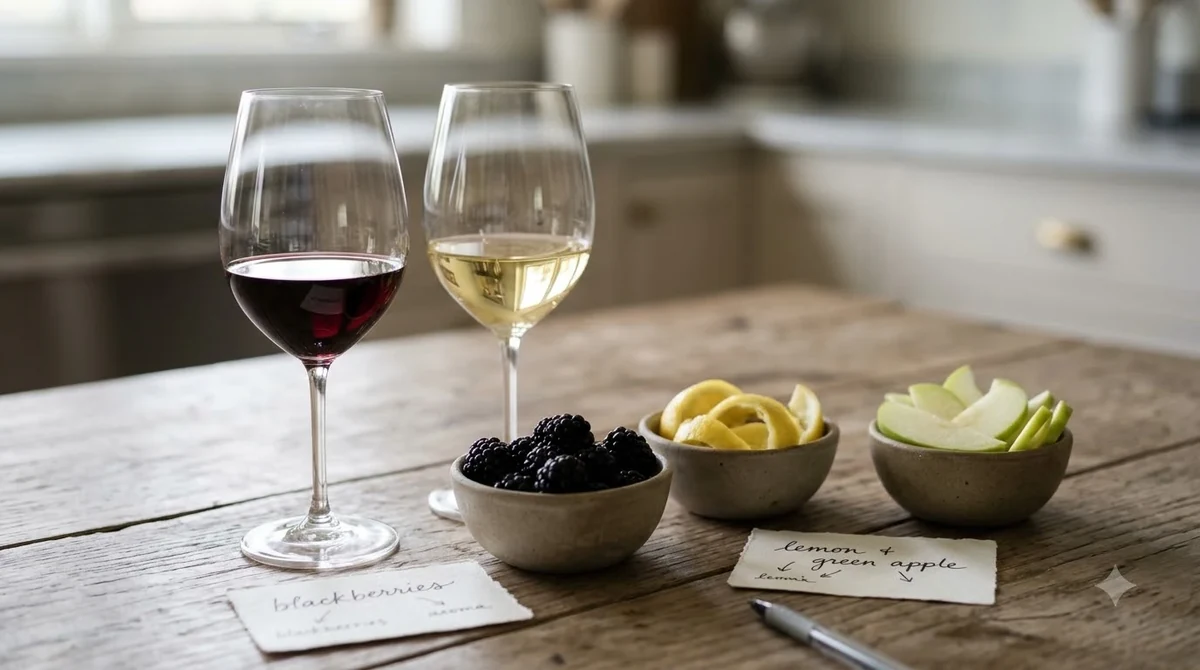
1. Lambrusco: Best for Refreshing Sweetness
Lambrusco comes from Emilia-Romagna in northern Italy and is one of the most versatile starting points for shoppers who enjoy sweet red wine. It is made from a family of related grape varieties rather than one single grape. Depending on the producer, appellation, and sweetness level, the wine can range from dry and structured to sweet and fruit-forward.
The most useful label terms are Secco, Semisecco, Amabile, and Dolce. Secco indicates a dry style, while Amabile is medium-sweet and Dolce is sweeter. These distinctions matter because simply buying a bottle labeled Lambrusco does not guarantee a sweet wine.
Flavor profiles can also differ by grape. Lambrusco di Sorbara is associated with lighter floral aromas and red currant, while Lambrusco Grasparossa di Castelvetro tends toward deeper colors and darker berry characteristics. For an accessible introduction, look for an Amabile bottling with a lively finish and moderate alcohol.
2. Brachetto: Best for Strawberry and Floral Flavors
Brachetto d’Acqui is a traditional sweet red wine from Piedmont, Italy. It is especially appealing to people who enjoy strawberry, raspberry, rose, and sweet cherry flavors. The basic style is lightly sparkling and relatively low in alcohol, making it a different experience from a conventional full-bodied red.
Brachetto is particularly useful for celebrations, fruit desserts, and lighter occasions. Brachetto d’Acqui Spumante offers fuller bubbles, while Passito represents a richer expression made from dried grapes. For an everyday bottle within a limited budget, compare the standard sparkling or lightly sparkling selections rather than assuming every Brachetto variation has the same concentration or price.
3. American Sweet Red Blends: Best for Everyday Drinking
American sweet red blends are among the easiest styles to understand. Their appeal usually comes from ripe berry flavors, approachable texture, and a noticeable sweetness that does not require specialized wine knowledge. They may combine several grape varieties, and the exact blend can vary by producer.
Some examples emphasize blackberry and plum, while others lean toward cherry, raspberry, and strawberry. Total Wine’s descriptions of Il Duca Cardinal Sweet Red and Witching Hour Sweet Red Blend illustrate this range. One emphasizes dark berries and spice, while the other is described through lighter-bodied berry and cherry flavors.
These wines are suitable for casual gatherings, simple pasta dishes, and people who want a recognizable sweet-red profile. They are also useful when several guests have different wine preferences because their straightforward fruit character makes them approachable.
4. Dornfelder: Best for a Softer German Red
Dornfelder is a dark-skinned German red grape commonly associated with Rheinhessen and Pfalz. It can be produced in both dry and sweet styles, so the grape name alone does not establish the sweetness level. Its flavor profile often includes cherry, fresh blackberry, and herbal notes.
For a shopper seeking sweetness, a bottle explicitly described as sweet or semi-sweet is more appropriate than a dry Dornfelder. This style can be appealing if you want a still red wine with fruit character rather than the bubbles associated with Lambrusco and Brachetto.
5. Late-Harvest Zinfandel: Best for Rich Dessert Flavors
Late-harvest Zinfandel offers a fuller, more concentrated style. Its flavor profile can include raisin, plum, blueberry, dark chocolate, and baking spice. These characteristics make it an appealing choice for people who prefer richer wines with a lingering finish.
Liquor.com highlights Tobin James Late Harvest Zinfandel as an under-twenty-dollar selection and describes its Paso Robles origin and 17% ABV. Its profile includes gentle tannins and vibrant acidity, demonstrating that a richer sweet red can still retain freshness. Because alcohol is relatively high, this style is better suited to measured pours than continuous casual sipping.
6. Ruby Port: Best for After-Dinner Drinking
Ruby Port is a fortified sweet red wine from Portugal’s Douro region. Unlike ordinary table wine, Port receives additional grape spirit during production, interrupting fermentation and preserving natural grape sweetness. This also results in substantially higher alcohol than most lightly sparkling sweet reds.
Its concentrated flavors can include blackberry, raspberry, cocoa, licorice, and dark fruit. Ruby Port is particularly suitable for chocolate desserts, blue cheese, and rich after-dinner pairings. A small serving is usually more appropriate than a full table-wine pour.
Not every Port fits an everyday under-twenty-dollar shopping plan, so availability and the particular bottling matter. Nevertheless, understanding the style helps distinguish a dessert wine from a lighter sweet red intended for a larger glass.
Common Mistakes When Buying Sweet Red Wine
The biggest mistakes involve confusing fruitiness with sweetness, overlooking alcohol content, and assuming all bottles from the same grape variety taste alike. A few simple checks can prevent disappointing purchases and help you find a wine that matches your expectations.
Confusing smoothness with sweetness: A smooth Cabernet Sauvignon or Merlot can still be completely dry. Smoothness describes the wine’s perceived texture, while sweetness comes from residual sugar. Ripe fruit aromas can also create an impression of sweetness even when the wine contains very little sugar. Look for explicit sweetness descriptions rather than relying on words such as mellow, soft, or velvety.
Assuming every Lambrusco is sweet: Lambrusco is available in dry and sweet styles. Secco is dry, while Amabile and Dolce are the more relevant terms for shoppers seeking sweetness. Wine Folly explains these differences in its overview of sweet red wine styles, including the different regional expressions of Lambrusco.
Ignoring alcohol content: A sweet wine does not necessarily have low alcohol. A lightly sparkling Brachetto can contain approximately 5.5% ABV, while a concentrated late-harvest Zinfandel may contain considerably more. Check the alcohol percentage before buying, especially if you expect something light and refreshing.
Choosing a dessert wine for the wrong occasion: A rich fortified red can be wonderful after dinner but may feel too concentrated alongside a light lunch. Similarly, a very sweet sparkling red may not be the best match for someone who prefers dry, structured wines. Consider the occasion and food before selecting the bottle.
Pairing sweetness with an even sweeter dessert: A wine that is less sweet than the food can taste sour or thin. Chocolate cake, fruit tarts, and other sweet desserts generally need a wine with equal or greater sweetness. For savory dishes, consider acidity and texture instead.
Serving every red at room temperature: This is another common misconception. Light sweet reds often taste fresher when chilled. Serving them too warm can make alcohol more noticeable and sweetness feel heavier, particularly with lightly sparkling wines.
Assuming an expensive-sounding grape guarantees quality: A recognizable grape variety does not automatically indicate that a bottle suits your taste. A dry Dornfelder, for example, may not satisfy someone specifically looking for a sweet red. Understanding the wine’s style and sweetness is more useful than choosing by grape prestige.
For shoppers comparing other familiar red varieties, the sweet red blend resource offers another way to understand fruit-forward blends. Those who prefer a drier and more structured red can also compare the best Cabernet Sauvignon under 20 selections rather than expecting a conventional Cabernet to provide dessert-wine sweetness.
Care and Storage Tips for Sweet Red Wine
Proper serving and storage preserve the fruit, freshness, and balance that make sweet red wines enjoyable. Light sparkling reds benefit from refrigeration, while unopened still bottles generally need stable, cool storage away from sunlight and temperature fluctuations.
Serve at the appropriate temperature. Light reds and sweet sparkling reds are generally best served chilled, around 45–50°F when a fresh, refreshing style is the goal. This temperature helps preserve fruit character and keeps sweetness from becoming overwhelming. Richer, full-bodied reds can be served warmer, around 60–65°F, while fortified reds are often enjoyable slightly cooler than ordinary room temperature.
Chill sparkling wines before opening. Refrigerating Lambrusco or Brachetto for several hours is a practical approach. Cold temperatures help maintain freshness and make the wine more refreshing. Open sparkling bottles carefully, keeping a hand over the cork and avoiding unnecessary shaking.
Store unopened bottles correctly. A cool storage area near 55°F is a useful target. Bottles sealed with traditional corks should generally be stored on their sides to keep the cork from drying out. Keep wine away from direct sunlight, heating appliances, and repeated temperature changes.
Refrigerate opened bottles. Once opened, still sweet reds generally retain their best quality for approximately 3–5 days when properly sealed and refrigerated. Sparkling reds usually have a shorter window of around 1–3 days because their bubbles gradually disappear. A suitable sparkling-wine stopper can help preserve carbonation, although it cannot prevent all quality loss.
Use appropriate glassware. A standard red-wine glass works well for still sweet reds and blends. For sparkling Brachetto and Lambrusco, a flute or tulip-shaped sparkling glass can help retain bubbles and concentrate aromas. A smaller glass is suitable for fortified Port because its alcohol and concentration are greater.
Serve appropriate portions. A standard wine pour is approximately 5 ounces, and a 750 ml bottle provides roughly five such servings. Fortified wines are generally served in smaller portions, around 3 ounces, because their alcohol content is substantially higher.
Keep leftovers separate from heat and air. Oxygen exposure gradually changes the wine’s aroma and flavor. Replace the closure promptly after pouring and return the bottle to the refrigerator. Avoid leaving a partially finished bottle on the counter overnight, especially during warm weather.
These basic practices are particularly useful for inexpensive wines because they allow the bottle’s intended fruit and freshness to remain recognizable throughout the drinking period. You do not need elaborate equipment: a refrigerator, an appropriate stopper, and a consistently cool storage location are sufficient for most everyday sweet reds.
Frequently Asked Questions
What is the sweetest type of red wine?
Recioto della Valpolicella is one of Italy’s notably concentrated sweet red wines, made using partially dried grapes. Another particularly sweet category is Brachetto d’Acqui Passito, which uses dried Brachetto grapes. These styles are generally more concentrated than ordinary sweet red blends.
Is Concord wine naturally sweet?
Concord is an American grape variety associated with the distinctive aroma and flavor of grape juice. Wines made from Concord can have a pronounced fruity character and are frequently produced in sweet styles. Its flavor profile is quite different from the strawberry and floral character of Brachetto.
Can sweet red wine be used for sangria?
Yes. Still sweet red blends can provide a fruity base for sangria, particularly when combined with citrus, berries, and sparkling water. Because the wine already contains sweetness, additional sweeteners should be added gradually rather than automatically following a recipe designed for dry red wine.
Does freezing grapes make sweet red wine?
Freezing grapes before pressing is associated with ice wine production, but it is not the same as making traditional sweet red wine. Ice wine is generally produced from naturally frozen grapes while still attached to the vine. Its production is different from the grape-drying method used for Italian passito wines.
What is the difference between fortified and unfortified sweet red wine?
Fortified wine receives an addition of distilled grape spirit during production, which raises its alcohol content and helps preserve sweetness. Unfortified sweet wine relies on other winemaking decisions to retain residual sugar. This distinction explains why Ruby Port can have a much stronger alcoholic profile than lightly sparkling Lambrusco.
The best sweet red wine under twenty dollars is the one that delivers the sweetness, fruit character, and drinking experience you actually enjoy. Start with Lambrusco Amabile for refreshing bubbles, Brachetto for strawberry-driven sweetness, or an American sweet red blend for uncomplicated everyday drinking. Once you understand these styles, choosing an enjoyable bottle becomes considerably easier, and the broader wine-buying guide can help with your next purchase.
More in Wine Buying Guides
 Best Tempranillo Under 20: Find a Spanish Red Worth BuyingUpdated Nov 21, 2026
 Best Sweet White Wine Under 20 for Every Sweetness PreferenceUpdated Nov 21, 2026
 Best Tasmania Wineries for Exceptional Cool-Climate WineUpdated Nov 21, 2026
 Best Riesling at Total Wine for Every PalateUpdated Nov 21, 2026
 Best Sierra Foothills Wineries for Memorable Wine TastingUpdated Nov 21, 2026
 Best Rose Under 50: How to Choose a Delicious BottleUpdated Nov 21, 2026