

We may earn a commission when you buy through links on this page, at no extra cost to you. Learn more.
Swan Creek wine comes from a distinct American Viticultural Area in northwestern North Carolina, where the Brushy Mountains shape a cooler, relatively low-rainfall pocket for growing both European wine grapes and selected hybrids. The appellation sits partly within the larger Yadkin Valley AVA and is known for soils rich in clay, mica, and schist. Its most recognized grapes include Riesling, Vermentino, Petit Manseng, Chambourcin, and Petit Verdot, giving visitors a wider range than a single-style wine stop.
For wine drinkers, Swan Creek is a useful place to explore how topography, soil, and grape choice influence wines in the southeastern United States. The name refers to a defined growing region rather than one winery or one signature bottle, so the best way to understand it is to look at its geography, the producers working there, and the styles that appear in local tasting rooms.
Where Swan Creek Sits Within North Carolina Wine Country
Swan Creek is a 96,000-acre American Viticultural Area in northwestern North Carolina, covering portions of Wilkes, Yadkin, and Iredell counties. Established on May 27, 2008, it is a sub-appellation of the much larger Yadkin Valley AVA, but its boundary also extends beyond that parent region.
The distinction matters because an AVA identifies a geographically defined grape-growing area, not a single wine style. The Wine Enthusiast regional profile describes the northern 60 percent of Swan Creek as lying inside Yadkin Valley and the remaining 40 percent as extending south of it. That means a bottle labeled Swan Creek points to a more specific origin than one labeled only Yadkin Valley, while both names can describe wine from some of the same land.
Wine Enthusiast gives the region an elevation range of approximately 1,000 to 2,000 feet. The foothills create varied vineyard exposures, drainage patterns, and temperatures. The federal boundary itself follows recognizable features such as the Yadkin River, U.S. Highway 21, Rocky Creek, and State Highway 115, rather than drawing a simple circle around one town. That is one reason to pay attention to the named vineyard or producer, not just the appellation.
| Regional detail | Figure | Why it matters |
|---|---|---|
| AVA area | 96,000 acres | The geographic area described in the federal establishment record |
| Counties | 3 | Portions of Wilkes, Yadkin, and Iredell counties fall within the boundary |
| Established | 2008 | The year the federal designation took effect |
| Elevation | 1,000–2,000 feet | The range reported in Wine Enthusiast’s regional profile |
The Yadkin Valley AVA covers about 1.4 million acres across seven counties and includes more than three dozen wineries, according to the North Carolina Winegrowers Association. Swan Creek is far smaller, though part of the same northwestern North Carolina wine landscape. The site’s broader Wine Regions overview can help explain how an AVA fits into the larger American system.
Brushy Mountain Soils and a Slightly Cooler Microclimate
The region’s strongest geographic signatures are the Brushy Mountains, mineral-rich soils, and a slightly cooler, lower-rainfall climate than the surrounding Yadkin Valley. Those traits help explain why Swan Creek is associated with aromatic white wines as well as red varieties that need careful site selection.
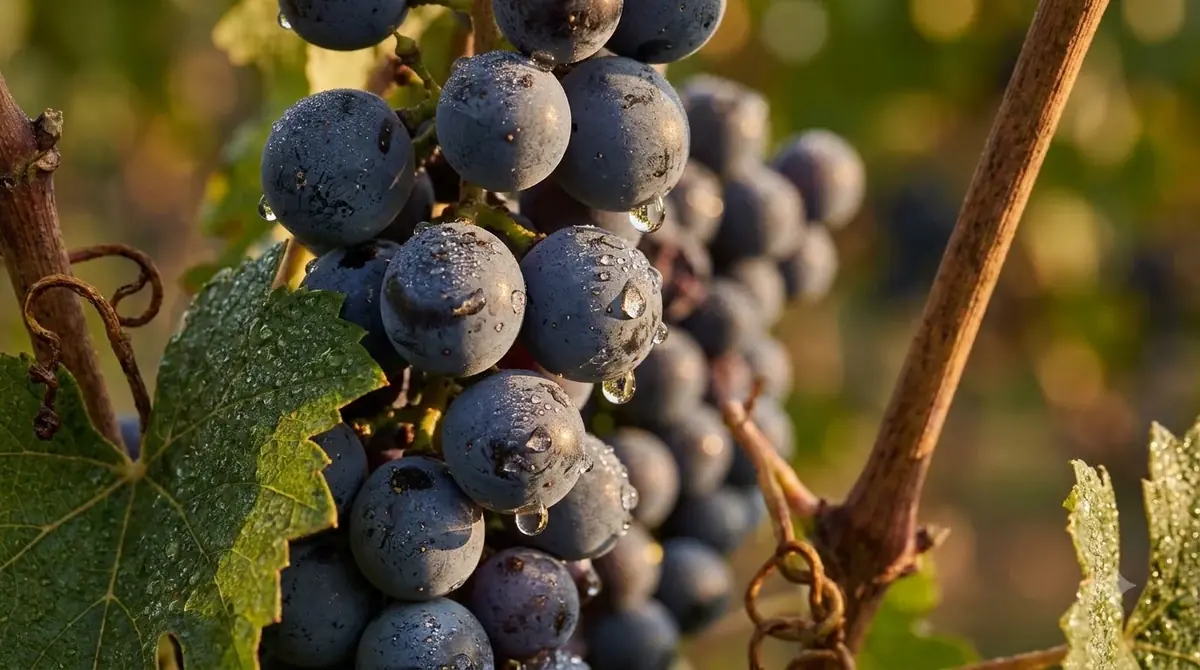
Soil descriptions for the AVA commonly mention clay, mica, and schist. The Wine Enthusiast regional profile links the schist-like, mineral-rich material to the long weathering of the Brushy Mountains, while the North Carolina Winegrowers Association describes Swan Creek’s soils as loamy with schist and mica. These are not tasting notes in themselves: soil does not simply translate into a flavor such as “stone” or “mineral.” Instead, soil structure influences water availability, drainage, root penetration, and vine vigor, all of which can affect grape development. Clay can hold moisture, while the texture and depth of a loamy soil influence how quickly excess water moves away from the root zone. The same soil label can therefore conceal meaningful differences between two vineyard blocks.
The local microclimate is described as slightly cooler and less rainy than nearby parts of Yadkin Valley. That relative difference can be meaningful in a warm, humid state, where vineyard sites must contend with rain, summer disease pressure, and the timing of spring frost. Higher elevations and sloping ground can promote air movement and drainage, although the effect depends on the exact position of each block. An exposed slope can behave differently from a lower site nearby.
Do not assume every Swan Creek bottle tastes alike. Elevation, grape, vintage conditions, and cellar choices can produce different expressions within the same appellation.
Grape Varieties That Define Local Bottlings
Swan Creek’s recognized grape mix includes both European vinifera and French-American hybrids, with aromatic whites and structured reds among the most notable varieties. Wine Enthusiast lists Chambourcin, Petit Verdot, Riesling, Traminette, Petit Manseng, and Vermentino as important grapes for the appellation.
Riesling is one of the clearest reference points for the area’s white-wine potential. It can be made from bone-dry to sweet, but its high acidity helps keep the wine lively; depending on ripeness and winemaking, expect citrus, orchard fruit, flowers, or honey. Traminette is also aromatic, often with floral and spice notes that suit ginger, herbs, or lightly sweet dishes. Petit Manseng naturally retains strong acidity and can be made in dry or sweeter styles, while Vermentino is commonly associated with citrus, fresh herbs, and a savory edge. These grapes give producers options beyond familiar Chardonnay and Sauvignon Blanc, and pair naturally with seafood, salads, poultry, herbs, or citrus.
On the red side, Chambourcin is a hybrid grape that can deliver fresh red or dark fruit and a moderate structure. Chambourcin is often approachable with food, particularly without heavy oak. Petit Verdot is darker and more tannic, with dark-fruit and floral character; it is often blended but can be bottled alone. For a quick orientation to these varieties and the appellation’s broader grape mix, see the Wine Enthusiast Swan Creek AVA profile.
The grape list is a starting point, not a guarantee that every tasting room pours all six. Ask which wines are estate-grown or blended, and whether a white is dry, off-dry, or sweet. With Riesling in particular, the sweetness level can change its role at the table even when the grape and region stay the same. Those details are more useful than expecting one universal Swan Creek flavor.
Winery Approaches and Bottles to Look For
Swan Creek producers range from small family-run operations to larger estate properties, and their choices show how varied the appellation can be. A few examples illustrate the region’s mix of Bordeaux-inspired reds, estate French-style wines, and dry bottlings.
Dynamis Estate Wines is listed in Jonesville at 1004 Highland Road. The North Carolina wine directory describes it as a high-elevation vineyard and winery on a 1,500-acre private estate, with a focus on Bordeaux varietals and tastings by reservation. It is a useful stop to consider for structured reds and Bordeaux grapes such as Petit Verdot. The directory says tastings are by reservation, so confirm before setting out.
Raffaldini Vineyards & Winery is in Ronda, at 450 Groce Road, and the state’s wine directory describes its property as a 102-acre estate. Its Tuscan-inspired setting and Italian emphasis offer another perspective within the AVA. Other producers add different points of view: the directory says Laurel Gray Vineyards was established in 2000 by Ben and Kim Myers and produces estate French wines sold at its tasting room. Midnight Magdalena Vineyards specializes in dry wines, while Shadow Springs Vineyard offers dry and sweeter choices.
Use the directory of Swan Creek vineyards to compare locations and producers before deciding which bottles to seek out. Check current tasting lists, and look for the grape, vintage, and producer name alongside the AVA. Swan Creek identifies origin; variety and winemaking details help indicate style.
Planning a Swan Creek Wine Trail Visit
The Swan Creek Wine Trail gives visitors a practical way to connect wineries across the appellation, but it is best approached as a group of rural tasting destinations rather than a walkable downtown strip. The official North Carolina wine listing includes Chateau Jourdain, Dobbins Creek Vineyards, Laurel Gray Vineyards, Shadow Springs Vineyard, and Windsor Run Cellars on its trail page.
The stops are spread around Jonesville and Hamptonville, so plan geographically. Choose two or three tasting rooms rather than squeezing every stop into one afternoon; that leaves time to compare Riesling with Traminette or Chambourcin with Petit Verdot. A useful plan is to start with one white-focused flight, pause for lunch, and finish with a producer known for reds. That sequence keeps the palate fresher and makes the differences easier to remember.
Before leaving, verify opening days, tasting formats, appointment rules, food policies, and whether groups need advance notice. Rural schedules vary, and the directory may not capture same-day changes. Dynamis, for example, is listed as reservation-only. The Swan Creek wine trail page is a useful starting point, but contact each winery directly; leave time for the foothills around Ronda and Jonesville, and arrange a designated driver or transportation for multiple tastings. Windsor Run Cellars’ WRC Distillery may deserve a separate visit.
How to Taste, Serve, and Pair Swan Creek Wines
Serve Swan Creek wines at temperatures that suit their body and structure, and pair them by acidity, sweetness, tannin, and weight. This approach makes it easier to appreciate both bright whites and fuller reds from the same regional tasting flight.
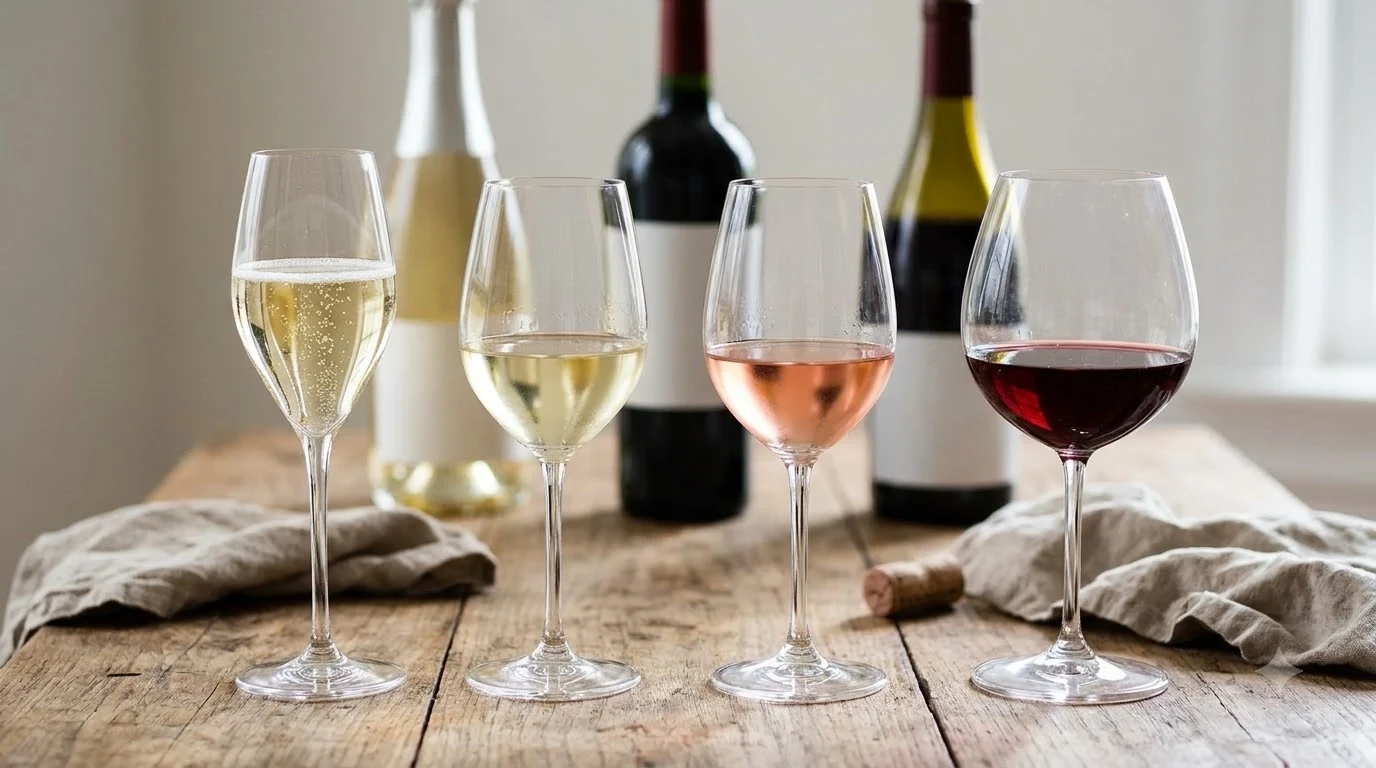
For a simple tasting lineup, serve sparkling wines at 40–50°F, light whites and rosé at 45–50°F, full-bodied whites at 50–55°F, light reds at 55–60°F, and full-bodied reds at 60–65°F. Sweet white wines are most expressive around 43–50°F. Over-chilled whites lose aroma, while warm reds can seem heavy and alcoholic.
Riesling pairs with roast pork, shellfish, or ginger; dry Vermentino suits grilled fish, lemon, herbs, or vegetables. Traminette works with aromatic dishes and lightly spiced food, while Petit Manseng can bridge savory and fruit-based courses depending on sweetness. Acidic food needs a wine with equal or higher acidity. Chambourcin suits roast chicken, grilled pork, mushrooms, and tomato-based pasta; Petit Verdot’s firmer tannin suits grilled beef, lamb, or aged hard cheese. Salt and fat soften tannin, but oily fish can clash with tannic reds. Alcohol and tannin amplify chili heat, so lower-tannin wines are safer with spicy dishes.
Tip: Taste dry whites before sweet whites, then move from lighter to fuller reds. Pour about 5 ounces; a 750 ml bottle yields roughly five glasses. Match dessert sweetness carefully—the wine should be at least as sweet as the dessert. Refrigerate opened still wine and aim to finish it within 3–5 days; sparkling wine is best within 1–3 days, while fortified wine can last several weeks. Store unopened bottles on their sides near 55°F; young, full-bodied reds may benefit from 30–60 minutes of decanting.
Frequently Asked Questions
Swan Creek’s federal boundary, 2008 designation, and relationship to the wider Yadkin Valley explain what the appellation name means on a bottle. The questions below cover the legal name, the place-name history, and details that are easy to miss when comparing North Carolina wine regions.
Was Swan Creek named for a village or a waterway?
Both are part of the name’s local history. The federal establishment record says Swan Creek refers to a village near the center of the proposed appellation and to a tributary creek system. East Swan Creek and West Swan Creek join northwest of the village, then the stream reaches the Yadkin River about three miles west of Jonesville.
Does an AVA designation certify that a wine is high quality?
No. The Alcohol and Tobacco Tax and Trade Bureau explains that an AVA designation identifies a defined grape-growing origin and helps producers describe that origin on labels. The federal rule specifically says that establishing an AVA is not an approval or endorsement of the wine made there.
Which maps define the official Swan Creek boundary?
The federal regulation uses three United States Geological Survey topographic maps: Winston-Salem, North Carolina; Boone, North Carolina–Tennessee; and Salisbury, North Carolina. Each is identified at a 1:100,000 scale, so the appellation is defined by mapped geographic features rather than by a simple radius around a town.
Does the 96,000-acre figure mean that all of Swan Creek is planted with vines?
No. The 96,000 acres describe the geographic area of the appellation, not the acreage under grape production. In the original federal petition summary, three wineries and 75 vineyard acres were reported inside the proposed area, which illustrates the difference between an AVA’s total land area and its planted vineyard area.
Who petitioned for Swan Creek recognition?
Raffaldini Vineyards submitted the petition on behalf of the Vineyards of Swan Creek, a trade association representing wineries and vineyards in northwestern North Carolina. The proposal was processed under federal docket TTB-2007-0012.
Swan Creek is worth exploring for its contrast of aromatic whites, distinctive red grapes, and varied foothill vineyard sites. Start with a style you already enjoy, then use the producer and grape details to branch out across the region.
More in Wine Regions
 Willcox Wine Trail: Discover Arizona’s High-Elevation Wine CountryUpdated Nov 20, 2026
 Yakima Valley Wine Region: Find the Best Styles to TryUpdated Nov 20, 2026
 Vosne Romanee Wine Tasting: Identify Aromas and Choose Better PairingsUpdated Nov 20, 2026
 Yakima Valley Wine Festival: Find the Best Seasonal Wine EventsUpdated Nov 20, 2026
 Wales Vineyards: Discover Cool-Climate Wines and Where to VisitUpdated Nov 20, 2026
 Yountville Wine Festival: Discover Napa Wines and Local FoodUpdated Nov 20, 2026