

We may earn a commission when you buy through links on this page, at no extra cost to you. Learn more.
Swan Creek vineyards are located in northwestern North Carolina’s Swan Creek American Viticultural Area (AVA), a distinctive wine-growing region within the larger Yadkin Valley appellation. Established in 2008, this 96,000-acre region is known for elevations between 1,000 and 2,000 feet, mineral-rich soils, and a slightly cooler, less rainy climate than surrounding areas. Its vineyards grow European grape varieties alongside selected hybrids, producing wines that reflect the character of North Carolina’s Piedmont and Blue Ridge foothills.
North Carolina wine country offers more variety than many visitors expect. Swan Creek stands out for its combination of mountain-influenced geography, established family wineries, Italian-inspired estates, and producers exploring both traditional European grapes and varieties suited to the southeastern climate. Understanding the appellation, its vineyards, and its tasting destinations makes it easier to appreciate what distinguishes this corner of the Yadkin Valley.
Where Swan Creek Vineyards Are Located
Swan Creek vineyards occupy a defined wine-growing area in northwestern North Carolina, where the Piedmont meets the foothills of the Blue Ridge Mountains. The appellation provides a more specific geographical identity within the broader Yadkin Valley wine region, connecting its vineyards through shared environmental characteristics.
The Swan Creek AVA was officially established on May 27, 2008, becoming North Carolina’s second federally recognized American Viticultural Area. Its boundaries extend across portions of Wilkes, Yadkin, and Iredell counties. The northern 60% of the appellation falls inside the larger Yadkin Valley AVA, while the southern 40% extends beyond that appellation’s boundary. This overlap explains why Swan Creek wines may also carry the broader Yadkin Valley geographical designation.
The federal boundary description uses recognizable geographical features rather than simply drawing an arbitrary circle around individual wineries. Its perimeter references the Yadkin River, U.S. Highway 21, Rocky Creek, and State Highway 115. The designated area therefore reflects a specific combination of landscape and growing conditions rather than just a collection of tasting rooms.
Jonesville, Hamptonville, and Ronda are useful community names for visitors researching the region. Several established vineyards and wineries operate around these communities, making them practical starting points for a countryside wine excursion. Ronda is particularly useful for finding several destinations along or near Groce Road, while Hamptonville provides access to additional tasting rooms and vineyard properties.
The region also benefits from its relationship with the broader North Carolina wine industry. Yadkin Valley was the state’s first AVA, and Swan Creek provides a more narrowly defined identity within that important growing area. Readers exploring other American wine-growing areas can also consult our guide to Wine Regions for comparisons of appellations, climates, and regional grape varieties. For a regional overview of Swan Creek’s boundaries, grapes, and growing conditions, see Wine Enthusiast’s Swan Creek AVA profile.
Climate, Elevation, and Soil Characteristics
The defining environmental features of Swan Creek are its elevated vineyard sites, mineral-influenced soils, and relatively cooler, less rainy conditions. Together, these factors help explain why growers can cultivate several European grape varieties while also exploring hybrids suited to North Carolina’s growing environment.
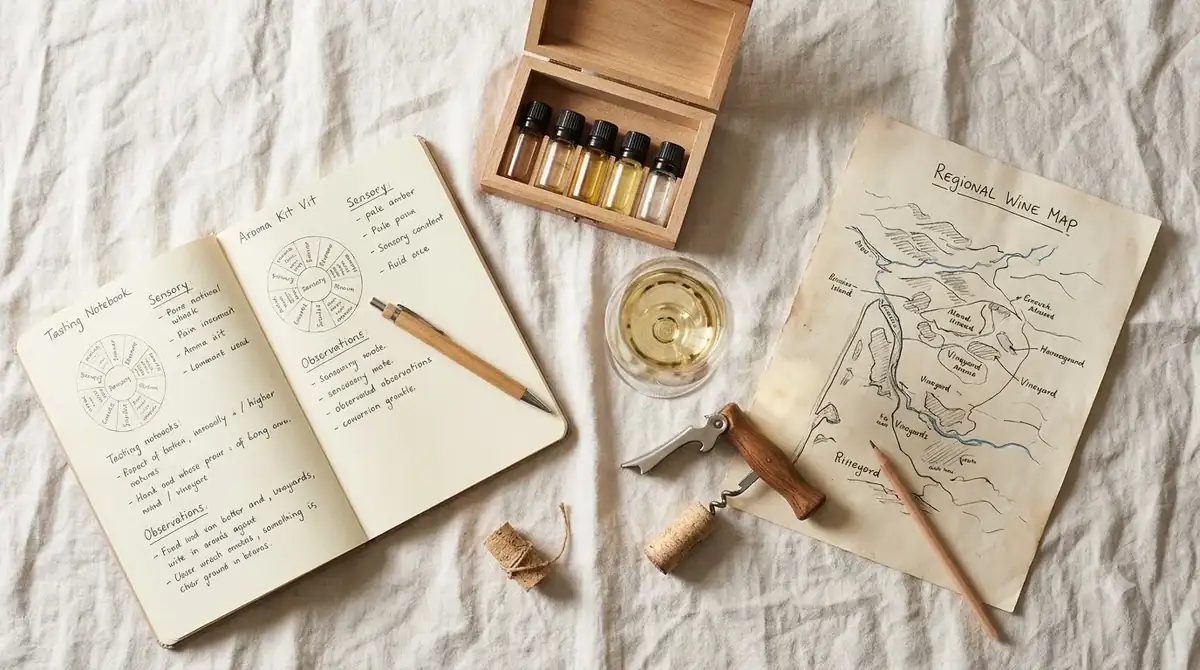
Wine Enthusiast reports that the appellation covers approximately 96,000 acres and includes vineyard elevations ranging from 1,000 to 2,000 feet. These figures describe the broader wine-growing designation and its elevation range, not the amount of land actually planted with grapevines. The distinction matters because an AVA includes the geographical area that defines the region, rather than only cultivated vineyard parcels.
The Brushy Mountains are an important part of the area’s geological identity. Weathering of the mountain formations contributes to mineral-rich ground containing clay, mica, and schist. These materials influence soil structure and drainage, while the loamy characteristics described by the North Carolina Winegrowers Association provide another way to understand the region’s agricultural landscape.
Soil composition is not uniform throughout an appellation. Individual vineyard sites can differ in their proportions of clay, rock fragments, and organic material. These differences affect how water moves through the ground, how roots develop, and how growers manage vineyard nutrition. The ability of mineral-influenced soils to retain nutrients and water is one reason the Brushy Mountains are repeatedly associated with Swan Creek’s wine-growing identity.
Climate provides another important distinction. Wine Enthusiast describes Swan Creek as slightly cooler and less rainy than surrounding areas. These characteristics can influence grape development, disease pressure, harvest decisions, and the preservation of freshness in finished wines. They also help explain the region’s interest in aromatic white grapes.
Elevation alone does not determine wine quality or guarantee a particular flavor. Vineyard aspect, exposure to sunlight, soil depth, grape selection, canopy management, and harvest timing all contribute to the final result. A Riesling grown on one Swan Creek property may therefore have a different balance and aroma profile from a bottle made with grapes grown elsewhere in the same appellation.
Grape Varieties and Wine Styles
Swan Creek’s grape selection combines established European varieties with hybrids that can be useful in the southeastern United States. Important grapes include Riesling, Petit Manseng, Vermentino, Traminette, Petit Verdot, and Chambourcin, giving the region opportunities to produce contrasting white and red wine styles.
Riesling is particularly relevant to the area’s reputation for aromatic whites. Depending on ripeness and winemaking decisions, it can produce wines ranging from crisp and dry to noticeably sweet. Its naturally high acidity helps maintain freshness, making it a useful variety for balancing ripe fruit character. Typical aromas may include citrus, green apple, peach, and floral notes.
Petit Manseng offers another interesting white-wine direction. Originally associated with southwestern France, this variety is known for its naturally concentrated character and ability to retain acidity as grapes ripen. It can be made in dry, off-dry, or sweeter styles, depending on the producer’s objectives. Tropical fruit, citrus, and stone-fruit impressions are common tasting references, although the finished profile depends on vineyard conditions and cellar decisions.
Vermentino provides a Mediterranean connection. This white variety is associated with coastal Italian growing areas and can produce fresh, aromatic wines with citrus, herbal, and sometimes lightly saline impressions. Traminette, meanwhile, is a hybrid with aromatic characteristics that can recall Gewürztraminer. It may be made as a dry wine or with residual sweetness.
Red-wine drinkers have several varieties to explore. Petit Verdot is traditionally associated with Bordeaux blending, where its dark fruit, color, and substantial tannin can add structure. Chambourcin is a French-American hybrid with a different growing history and a place in eastern American wine production. Its wines can show dark berries, cherries, and savory characteristics.
These varieties illustrate why Swan Creek should not be reduced to one signature grape. Wine Enthusiast identifies primarily Vitis vinifera plantings alongside a smaller number of hybrids. The combination gives producers flexibility and allows them to adapt vineyard choices to individual sites and market preferences.
| Grape | Wine category | Typical characteristics |
|---|---|---|
| Riesling | White | High acidity, citrus, apple, floral aromas |
| Petit Manseng | White | Concentrated fruit, freshness, citrus |
| Vermentino | White | Herbal notes, citrus, fresh acidity |
| Traminette | White | Aromatic, floral, sometimes spicy |
| Petit Verdot | Red | Dark fruit, pronounced tannin, structure |
| Chambourcin | Red | Berry fruit, cherry, savory notes |
These are general grape characteristics, not guarantees about every bottle produced in the region. Fermentation temperature, oak treatment, blending, residual sugar, and harvest decisions can create substantial differences between wines made from the same variety.
For a broader understanding of the local category, our article on Swan Creek wine offers another useful starting point for exploring the region’s bottles and styles.
Notable Swan Creek Vineyards and Wineries
Swan Creek has a varied collection of producers, from small family-operated vineyards to larger estates with distinct European influences. Several wineries provide useful introductions to the region’s range of approaches, including Bordeaux-inspired reds, Italian-influenced wines, dry selections, and more approachable sweet styles.
Raffaldini Vineyards & Winery
Raffaldini Vineyards & Winery is one of the recognizable estate destinations in Ronda. Located at 450 Groce Road, the property describes itself as a 102-acre estate with vineyard plantings, gardens, and a Tuscan-inspired architectural setting. Its Italian influence is central to the visitor experience, and its wines are made from grapes grown on the property.
The estate provides an interesting point of comparison for visitors familiar with Italian wines. Its setting and approach invite exploration of varieties and wine styles associated with Italy, while the North Carolina growing environment gives those grapes a different agricultural context.
Dynamis Estate Wines
Dynamis Estate Wines operates at 1004 Highland Road in Jonesville on a 1,500-acre private estate. Its winemaking focus includes Bordeaux varieties, making it an interesting destination for visitors who prefer structured reds and European-inspired winemaking.
The winery combines traditional European techniques with modern technology. Tastings are by reservation, so visitors should arrange their visit before arriving. Its high-elevation vineyard setting also makes it a useful example of how Swan Creek producers work with the area’s varied terrain.
Piccione Vineyards
Piccione Vineyards is an Italian-owned and operated boutique winery at 2364 Cedar Forest Road in Ronda. Founded in 2010, it emphasizes its Sicilian roots and offers a different expression of Italian wine culture in the North Carolina foothills.
The winery’s background is particularly interesting for people who enjoy comparing Mediterranean wine traditions with American growing conditions. Its location also makes it a potential addition to a visit focused on the Ronda area.
Laurel Gray Vineyards
Laurel Gray Vineyards was established in 2000 by Ben and Kim Myers. Located at 5726 West Old US Highway 421 in Hamptonville, it produces estate French-style wines sold through its tasting room.
The winery’s history makes it an established part of the local wine scene. Its emphasis on estate production provides visitors with an opportunity to explore wines connected directly to a particular property rather than relying entirely on purchased grapes.
Dobbins Creek Vineyards
Dobbins Creek Vineyards is a woman-owned and operated vineyard at 4430 Vineyard View Lane in Hamptonville. The producer is particularly associated with red wines, making it a relevant destination for visitors interested in comparing North Carolina red varieties.
Its identity adds to the diversity of the appellation. Rather than focusing exclusively on aromatic whites or European-inspired estate wines, Dobbins Creek contributes to the region’s red-wine character.
Shadow Springs Vineyard and Midnight Magdalena Vineyards
Shadow Springs Vineyard, located at 5543 Crater Road in Hamptonville, offers both dry and sweeter wines. Its relaxed approach makes it an accessible destination for visitors who prefer tasting different sweetness levels without needing extensive wine terminology.
Midnight Magdalena Vineyards, at 5109 Howell School Road in Jonesville, is a family-owned producer specializing in dry wines. The winery describes its property as a quiet countryside destination with panoramic views of the Yadkin Valley and distant Blue Ridge Mountains. Outdoor picnics are welcome, and pets are permitted outside.
Other producers listed within the appellation include Castello Barone Vineyards and Winery in Ronda, Chateau Jourdain in Jonesville, and Windsor Run Cellars in Hamptonville. Their presence illustrates how Swan Creek brings together different business sizes, winemaking traditions, and visitor experiences.
Planning a Visit to Swan Creek Wine Country
A successful Swan Creek wine excursion starts with choosing a manageable group of wineries rather than attempting to visit every property in one day. The destinations are spread across communities such as Ronda, Hamptonville, and Jonesville, so organizing stops geographically can make the experience more relaxed.
Visitors interested in Italian-inspired wines might begin with Raffaldini and Piccione in Ronda. Those looking for estate reds and Bordeaux varieties can consider Dynamis in Jonesville. Hamptonville provides alternatives such as Laurel Gray, Dobbins Creek, and Shadow Springs, each with its own identity and wine selection.
The Swan Creek Wine Trail is a useful planning resource because it brings together participating destinations under a recognizable regional route. It should not be confused with the AVA itself: the appellation is a federally defined wine-growing area, while the trail is a visitor-oriented collection of participating establishments. The official NC Wine Swan Creek AVA directory also provides winery addresses and descriptions to help visitors organize their stops.
Before leaving, confirm tasting availability, opening hours, reservation requirements, food policies, and whether outdoor seating is available. These details can differ significantly between wineries. Dynamis, for example, specifically requires reservations for tastings, while Shadow Springs describes its visitor experience as not requiring reservations.
Transportation deserves attention as well. Rural winery visits frequently involve driving between properties, and tasting several wines at multiple locations can add up quickly. Designating a sober driver or arranging suitable transportation allows everyone to enjoy the visit responsibly.
Seasonal conditions can influence the atmosphere of a vineyard trip. Spring offers fresh vineyard growth, summer brings full foliage, and autumn is associated with harvest activity and changing countryside colors. Winter can provide a quieter experience, although individual tasting-room schedules may be more limited.
Visitors should also consider the type of experience they want. A tasting focused on grape varieties and winemaking may be more rewarding at an estate that explains its vineyard practices, while a relaxed afternoon with friends may suit a producer with outdoor seating and picnic facilities.
Tip: Plan around two or three wineries for a comfortable day. For example, combine two Ronda destinations with one nearby property rather than trying to cover the entire appellation. Confirm reservations and tasting arrangements directly with each winery before setting out.
Food planning can make a tasting more enjoyable. Mild cheeses, bread, roasted vegetables, and charcuterie offer flexible pairings for different wine styles. For a dry Riesling, consider goat cheese or fresh seafood; for a structured Petit Verdot, try grilled beef or aged hard cheese. Sweet wines generally pair best with desserts that are equally sweet or slightly less sweet than the wine.
Serving temperature also influences how a bottle performs. Light-bodied whites generally show well at 45–50°F, while fuller-bodied whites benefit from approximately 50–55°F. Light reds are often best around 55–60°F, and fuller reds around 60–65°F. These temperatures provide a practical starting point when bringing bottles home from a visit.
How to Choose and Enjoy Swan Creek Wines
The best way to approach Swan Creek wine is to start with the grape variety and desired style rather than assuming every bottle from the appellation will taste alike. The region offers aromatic whites, dry reds, and potentially sweeter selections, so matching a bottle to food and personal preferences is more useful than choosing solely by location.
For white wine drinkers, Riesling, Vermentino, Traminette, and Petit Manseng are useful varieties to explore. Riesling offers a combination of aromatic fruit and high acidity, while Vermentino often leans toward citrus and herbal impressions. Traminette can be more overtly floral, and Petit Manseng offers another route toward concentrated fruit and freshness.
For red wine drinkers, Petit Verdot and Chambourcin provide two different starting points. Petit Verdot generally has substantial tannin and dark-fruit character, while Chambourcin can offer a softer, fruit-forward alternative depending on how it is produced. Winery-specific blends may also provide a broader perspective on the region’s red-wine potential.
Food pairing should account for acidity, sweetness, tannin, and alcohol. Wines with high acidity, such as Riesling, are especially useful with acidic dishes because the wine needs enough freshness to stand alongside ingredients such as tomatoes, citrus, or vinegar-based sauces. A wine that tastes lively on its own can seem flat beside a highly acidic dish if its acidity is too low.
Sweetness deserves similar attention. A wine served with dessert should generally be at least as sweet as the food. Otherwise, the wine may taste sour or overly sharp by comparison. This is especially relevant when choosing sweeter Traminette or Riesling styles for fruit desserts and pastries.
Tannin also affects pairing choices. Petit Verdot can work well with red meat because protein and fat soften the perception of tannin. Conversely, highly tannic red wine is generally a poor match for oily fish, where the combination can create an unpleasant metallic impression.
For serving, a standard 750-milliliter bottle provides approximately five glasses when each pour is 5 ounces. This is a practical amount for comparing several wines during a small gathering. Pouring smaller tasting portions can help guests evaluate multiple bottles without losing track of differences in aroma, acidity, and structure.
Storage matters if you bring bottles home. Keep unopened bottles in a cool, dark location near 55°F, ideally away from strong temperature fluctuations. Bottles with natural cork closures are generally stored on their sides to help maintain contact between the wine and cork.
After opening, refrigerate both white and red wines. Most still wines retain their best qualities for approximately three to five days under proper refrigeration, although delicate bottles may change sooner. Sparkling wines generally have a shorter window of approximately one to three days when properly resealed.
These basic practices help preserve the qualities that make regional wine interesting. They also provide a consistent way to compare bottles from different Swan Creek producers and understand how grape variety, vineyard conditions, and cellar decisions influence the final wine.
Frequently Asked Questions
Can a wine from Swan Creek also be labeled Yadkin Valley?
Yes. Swan Creek is a sub-appellation of Yadkin Valley, and its northern portion lies within the larger appellation. The applicable geographical designation depends on the vineyard’s location and the wine’s labeling eligibility.
How many counties does the Swan Creek AVA cover?
The federal appellation boundary description identifies three counties: Wilkes, Yadkin, and Iredell. Its legal perimeter is defined through specific geographic landmarks and road sections rather than county boundaries alone.
Is Swan Creek associated with Muscadine wine?
North Carolina has a long-standing Muscadine wine tradition, but Muscadine is not among the six important Swan Creek grapes identified by Wine Enthusiast. The appellation is more closely associated with European varieties and selected hybrid grapes.
What does AVA mean on a Swan Creek wine label?
AVA stands for American Viticultural Area, a federally recognized geographical wine-growing designation. The name identifies a defined region whose geographic characteristics distinguish it from surrounding wine-growing areas.
What is the relationship between the Brushy Mountains and Swan Creek vineyards?
The Brushy Mountains are an important geological influence on the appellation’s identity. Their weathered mineral-rich formations contribute to the mica- and schist-influenced soils associated with the area’s vineyard landscape.
Swan Creek offers a distinctive perspective on North Carolina wine, combining mountain-influenced growing conditions with a diverse collection of grapes and producers. From the Italian-inspired estates of Ronda to the red-wine specialists and family vineyards around Hamptonville and Jonesville, the region rewards visitors who take time to explore its individual wineries. Whether discovering Riesling, Petit Verdot, or a locally produced hybrid wine, Swan Creek provides a worthwhile introduction to the character of the Yadkin Valley foothills.
More in Wine Regions
 Willcox Wine Trail: Discover Arizona’s High-Elevation Wine CountryUpdated Nov 20, 2026
 Yakima Valley Wine Region: Find the Best Styles to TryUpdated Nov 20, 2026
 Vosne Romanee Wine Tasting: Identify Aromas and Choose Better PairingsUpdated Nov 20, 2026
 Yakima Valley Wine Festival: Find the Best Seasonal Wine EventsUpdated Nov 20, 2026
 Wales Vineyards: Discover Cool-Climate Wines and Where to VisitUpdated Nov 20, 2026
 Yountville Wine Festival: Discover Napa Wines and Local FoodUpdated Nov 20, 2026