


We may earn a commission when you buy through links on this page, at no extra cost to you. Learn more.
Sutter Home Sweet Red is a sweet, easy-drinking red from Sutter Home, a California winery whose family history began in 1890. Sweet reds like this one are built for approachable fruit and a soft finish rather than firm tannin and long aging. This guide explains the Sutter Home background, what a sweet red usually tastes like, how to serve it and how to decide whether it suits your table.
Sutter Home is one of the best-known names on American wine shelves, and its sweeter bottles are among the most recognized in the category. The product name points to a style rather than a complicated recipe: a red wine with noticeable sweetness and a smooth, fruit-forward profile. The sections below cover the winery’s history, the sweet red style, serving and food ideas, and a few buying tips.
The Sutter Home Story
According to the Sutter Home history page, the winery was founded in 1890. It closed during Prohibition and reopened in the late 1940s under new owners. The Trinchero family left New York City in December 1947 to start over in California’s wine industry, and they reopened the winery in 1948.
The family’s later decisions shaped the brand’s reputation. The same history page describes how Bob Trinchero made a concentrated Amador County Zinfandel in 1972 by drawing off juice from the skins, and how a stuck fermentation in the 1974 vintage left a light pink wine with about 2 percent residual sugar. Customers responded well to that softer, sweeter style, and it became a cornerstone of the winery’s identity.
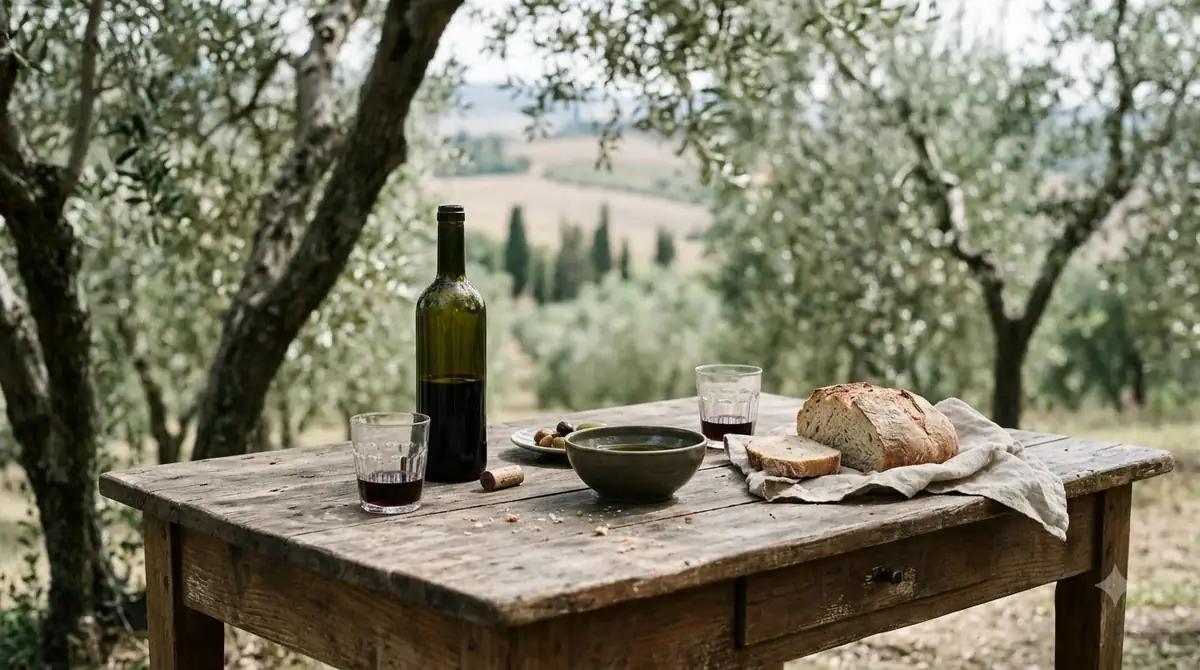
What a Sweet Red Tastes Like
A sweet red wine keeps some of the grape’s natural sugar after fermentation. That sugar softens the acidity and the tannin, which is why sweet reds often feel smooth and round rather than dry and grippy. Common flavors include ripe berries, cherry, plum and a light caramel or spice note, depending on the grapes and winemaking choices.
The style also invites a simple comparison. Pour a sweet red next to a drier red from a different producer and notice how the sugar changes the impression of fruit, weight and length. That exercise helps you learn which level of sweetness you enjoy, and it makes future bottle choices easier.
Because sweetness covers much of the structure, sweet reds are easy to enjoy without much food. They also tend to show less of the bitter edge that some dry reds carry. Many drinkers find them a comfortable entry point into red wine, especially if they usually prefer fruit-forward flavors.
Where Zinfandel Fits In
Zinfandel is a grape that plays a major role in the history of sweet and pink wines in America. According to Wine Folly’s Zinfandel guide, the grape is California’s fourth most planted wine grape and is sometimes called America’s grape. Its genetic origin traces to Croatia, where it is linked to the local grape Tribidrag.
The guide also explains how White Zinfandel became a sweet, pink style that many people know. It describes White Zinfandel as a kind of rosé that is sweet, and it credits a stuck fermentation at Sutter Home with leaving residual sugar in the wine. The same account says that this popularity helped sustain demand for Zinfandel grapes and may have helped preserve some older vineyards, which is one reason the grape still has a visible place in California’s vineyards today.
| Style | Typical character | Best served with |
|---|---|---|
| Sweet red | Soft fruit, low tannin, noticeable sweetness | Spicy takeout, barbecue, cheese plates |
| Dry red | Firmer tannin, savory finish | Roast meat, hard cheese, hearty stews |
| White Zinfandel | Light pink, sweet, fruity | Salads, lighter appetizers, brunch |
How to Serve a Sweet Red
Serve a sweet red lightly chilled. A cooler glass keeps the sweetness from feeling heavy and gives the fruit a crisp lift. Avoid serving it very cold, because that can mute the aromas. Pour a moderate glass, since sweet wines are easy to drink quickly and can feel richer than their alcohol level suggests.
Alcohol matters too. Wine Folly notes that Zinfandel commonly carries elevated alcohol, often 14 percent or more, so sweetness can mask the strength of the wine. Keep track of how many glasses you pour, especially on a warm evening, and enjoy the bottle with food.
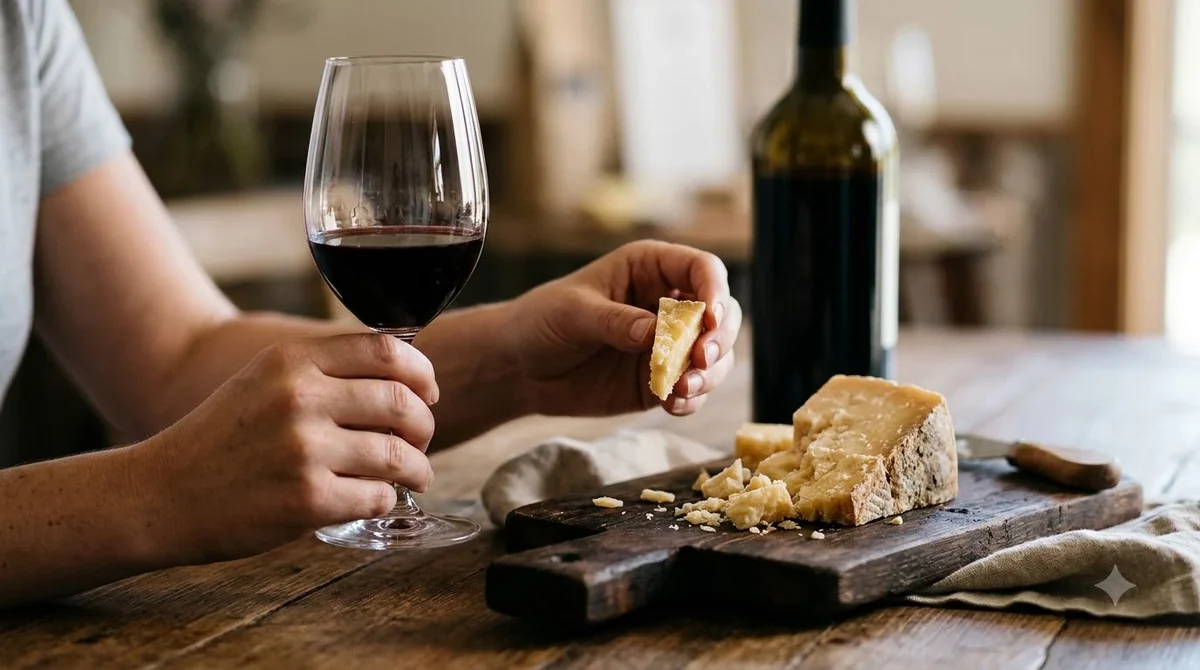
Tip: A sweet red pairs well with salty foods. Try it with salted nuts, crispy snacks or a plate of cured meats to balance the sugar.
Food Pairing Ideas
Sweet reds fit casual meals. Barbecue ribs with a tangy sauce, spicy takeout and grilled sausages all match the fruit and sweetness. A cheese plate with mild cheeses and fruit works well too, because the wine can echo the sweet notes on the board.
Avoid pairing a sweet red with delicate fish or very dry dishes, which can taste flat next to the sweetness. For dessert, choose a dessert that is not too sweet, such as fruit with a little cream or a plain cake, so the wine does not compete with the sugar in the dessert.
Buying Tips for Sweet Red Wines
Look at the label and the producer’s description before buying. Sweet reds often list their style on the front or back, and that information helps you avoid bottles that are drier than you expected. Compare a few bottles in the same category so you can see how each brand balances sweetness and fruit.
Sweetness is a matter of taste, so the same bottle can feel perfect to one guest and too sugary to another. If you are unsure, buy a single bottle first and note how it went with your food. Many people find that a sweet red works best as a casual wine for a weekend meal, a picnic or a party, where its easy style fits the mood without asking for much attention. Keep the bottle chilled between pours and recork it after the meal.
Check the alcohol level and the bottle size as well, since a sweet red can be easy to finish. If you are hosting, a single sweet red may suit a casual group, while a more structured red may be a better choice for a formal dinner.
If you are comparing Sutter Home with a drier red from the same winery, see our guide to Sutter Home cabernet for a different style. For wider context on how sweet and dry reds differ across producers, the wine brands guide is a useful next read, and our notes on Pedernales wine and Spottswoode wine show other approaches to red wine style.
Frequently Asked Questions
Is Sutter Home Sweet Red a dry wine?
No. A sweet red keeps noticeable residual sugar, so it tastes softer and fruitier than a dry red. Check the label or producer description for the style of the specific bottle.
When was Sutter Home founded?
According to the winery’s history page, Sutter Home was founded in 1890. It closed during Prohibition and reopened in the late 1940s under the Trinchero family.
Is sweet red wine good for beginners?
Many people find sweet reds approachable because the sugar softens the tannin and acidity. They are a practical starting point for drinkers who want fruit-forward flavors.
Should Sutter Home Sweet Red be chilled?
A lightly chilled serve works well for most sweet reds. Avoid serving the wine very cold, because that can mute its aromas.
Sutter Home Sweet Red is an easy bottle to share at a casual meal. Serve it lightly chilled, pair it with salty or spicy food, and taste it alongside a drier red if you want to see how the style changes the experience.
More in Wine Brands
 Underwood Wine Price: Compare Bottles, Cans, and Pack SizesUpdated Nov 21, 2026
 Zenato Wine Price: Compare Styles and Choose the Right BottleUpdated Nov 21, 2026
 Zuccardi Wine Price: Compare Bottles and Find the Right RangeUpdated Nov 21, 2026
 Yellow Tail Moscato Review: Taste, Sweetness and Serving TipsUpdated Nov 21, 2026
 Wolf Blass Yellow Label Review: Choose Your Best StyleUpdated Nov 21, 2026
 Wolffer Estate Rose Review: Choose the Right Bottle for Your TableUpdated Nov 21, 2026