

We may earn a commission when you buy through links on this page, at no extra cost to you. Learn more.
The sutter home sweet red price typically falls around $5 to $8 for a standard 750 ml bottle in US retail stores, depending on the retailer, location, and availability. Larger 1.5-liter bottles generally offer more wine for a modest increase in total cost, while smaller bottles provide convenient individual servings. Sutter Home Sweet Red is a fruit-forward California blend of Merlot, Zinfandel, and Syrah, making it an accessible option for people who enjoy soft tannins, ripe fruit flavors, and noticeable sweetness.
Sutter Home Sweet Red occupies an approachable corner of the American wine market. Rather than emphasizing the structure and dryness associated with traditional full-bodied reds, this blend focuses on cherry, berry, and peach flavors with a naturally sweet finish. Its affordable positioning, familiar producer, and multiple bottle sizes make it useful for casual dinners, relaxed gatherings, and everyday wine purchases. Understanding the typical retail cost, available formats, and flavor profile helps shoppers decide which bottle makes the most sense.
Who This Sutter Home Sweet Red Is For
Sutter Home Sweet Red is a practical choice for shoppers who prefer approachable red wines with noticeable fruitiness rather than pronounced dryness or aggressive tannins. Its blend of 3 grape varieties creates a rounded profile that works for casual drinking and familiar food combinations.
The wine is particularly suitable for people transitioning from sweeter white wines or rosé into red wine. Merlot contributes softer fruit character, Zinfandel brings ripe berry flavors, and Syrah contributes additional depth. The producer describes the resulting wine as soft-styled, with natural residual sweetness and refreshing acidity.
Its flavor profile is also useful for social occasions where guests have different levels of wine experience. Someone accustomed to Cabernet Sauvignon may prefer a more structured, tannic red, while someone who enjoys Moscato or fruit-forward rosé may find Sweet Red more approachable. It does not require extensive knowledge of wine regions, vintage variations, or complicated serving rituals.
However, shoppers who prefer completely dry wines should understand the style before purchasing. Sweet Red is deliberately positioned toward the sweet end of Sutter Home’s sweetness scale. Its fruity character is part of the intended experience rather than an indication of poor storage or a flawed bottle.
The wine also suits buyers who prioritize straightforward value over age-worthy complexity. Sutter Home recommends enjoying its fresh fruit character immediately, rather than treating the bottle as a collectible wine intended for extended cellar storage.
Key Factors to Compare When Buying
The most useful purchasing factors are bottle size, typical retail cost, sweetness, and the wine’s intended use. Comparing these details helps determine whether a smaller bottle or a full-size format offers better practical value.
US retailers display different prices depending on their markets and inventory. Total Wine, for example, listed its 750 ml bottle at approximately $4.49, while Applejack displayed the same format at approximately $5.99. Based on these retailer listings, a reasonable shopping expectation is about $5 to $8 for a 750 ml bottle, with prices varying by state and retailer.
| Buying factor | Typical specification | What shoppers should consider |
|---|---|---|
| Mini bottle | 187 ml | Convenient individual serving format |
| Standard bottle | 750 ml | About 5 servings of 5 oz each |
| Large bottle | 1.5 liters | Twice the volume of a standard bottle |
| Standard retail range | About $5–$8 | 750 ml bottle; varies by market |
| Large-format retail range | About $8–$12 | 1.5-liter bottle; compare local listings |
| Calories | 130 per 5 oz | Producer’s published nutrition figure |
| Carbohydrates | 8.26 g per 5 oz | Producer’s published nutrition figure |
The standard bottle is generally the easiest format to compare across retailers. Total Wine’s displayed 750 ml listing and Applejack’s displayed 750 ml listing provide examples of the differences shoppers can encounter. Applejack also lists a 1.5-liter option, which is useful when buying for several people rather than opening a bottle for one or two servings.
For a 1.5-liter bottle, a practical US retail shopping range is approximately $8 to $12, based on the listed format and pricing at Applejack and other retailer listings. Prices vary by state and retailer, and local availability can change. Comparing the total price with the amount of wine included is more useful than considering the shelf price alone.
Sweetness is another important comparison point. Sutter Home describes the wine as sweet, but its refreshing acidity helps prevent the fruit flavors from feeling completely flat. Its combination of ripe fruit, residual grape sweetness, and soft tannins makes it different from a dry red blend.
Step-by-Step: How to Buy the Right Bottle
A simple purchasing process makes it easier to avoid choosing the wrong format or style. Start with the amount of wine needed, compare local retailer listings, and then consider the wine’s flavor and food-pairing possibilities.
-
Decide how many people will drink it.
A 750 ml bottle provides approximately five standard 5-ounce servings, according to Sutter Home’s nutrition information. For a small dinner involving two adults, that format is usually easier to manage than a 1.5-liter bottle. -
Choose the appropriate bottle size.
The producer lists mini, 750 ml, and 1.5-liter formats. The 187 ml mini format works for individual portions, while the 1.5-liter bottle is more practical for a larger gathering. -
Compare prices from local retailers.
Look at the standard bottle price first. Total Wine and Applejack have displayed different prices for 750 ml bottles, illustrating why shoppers should compare actual local listings rather than assume one nationwide retail price. -
Confirm the wine’s sweetness.
Sweet Red is intended to have noticeable residual sweetness. If the recipient usually prefers dry Cabernet Sauvignon or Sauvignon Blanc, a sweeter red blend may not match their preferences. -
Consider the meal.
Sutter Home specifically recommends barbecued ribs, cheeseburgers, and spicy Asian foods. These dishes provide useful starting points when planning a purchase for dinner or a casual gathering. -
Plan when the bottle will be opened.
A standard 750 ml bottle is generally easier to finish over a meal. If the wine will be shared across multiple occasions, plan for refrigeration and proper closure after opening. -
Purchase from an appropriate local retailer.
Check the retailer’s stock, applicable alcohol-sale rules, and delivery or pickup arrangements. The same wine may have different availability in different states.
This process is especially helpful when purchasing wine for guests. Choosing a bottle because it is inexpensive without considering sweetness can lead to a mismatch. A few minutes spent comparing bottle sizes and flavor preferences can make the purchase more successful.
Tip: For a first purchase, the 750 ml bottle is a sensible starting point. It provides approximately five standard servings and lets you evaluate whether the wine’s sweet cherry and peach profile suits your preferences before purchasing a larger format.
Types and Styles Explained
Sutter Home Sweet Red is a California red blend rather than a single-grape varietal wine. Its combination of Merlot, Zinfandel, and Syrah gives it a fruit-forward profile, while the producer’s stainless-steel winemaking approach emphasizes freshness rather than prominent oak flavors.

Merlot: The Softer Foundation
Merlot is associated with medium tannins and a relatively soft mouthfeel compared with more tannic red varieties. In a sweet red blend, it can contribute rounded fruit character and help create an approachable overall structure. This makes it a useful component for people who do not enjoy particularly firm or drying red wines.
Zinfandel: Ripe Berry Character
Zinfandel is frequently associated with ripe berry and darker fruit flavors. In Sweet Red, it supports the wine’s juicy character and complements the cherry and peach notes described by the producer. Its fruit-driven character helps make the blend suitable for casual food pairings.
Syrah: Additional Depth
Syrah is generally more structured than softer red varieties, with medium-plus to high tannin depending on its style. It can add darker fruit character and depth to a blend. In Sweet Red, its contribution is balanced by Merlot, fruit-forward Zinfandel, and the wine’s residual sweetness.
Stainless-Steel Fermentation and Aging
The producer states that Sweet Red is cold-fermented and aged entirely in stainless-steel tanks. This production method helps preserve the wine’s fresh fruit aromas and flavors without relying on oak aging to create its profile.
Shoppers interested in the complete grape combination and producer’s tasting description can consult the official Sutter Home Sweet Red product information. It provides the winemaker’s explanation of the blend, production method, and recommended food pairings.
The packaging formats are worth distinguishing from the wine styles themselves. The 187 ml mini bottle, 750 ml standard bottle, and 1.5-liter large bottle represent different quantities of the same general wine offering. A larger bottle does not automatically mean a more complex or higher-quality wine.
For readers exploring other grape varieties and producers, the broader Wine Brands collection offers a useful starting point for understanding how different wine labels position their products.
Common Mistakes When Comparing Prices
The lowest displayed shelf price does not always represent the best purchase for a particular occasion. Bottle size, retailer location, sweetness expectations, and serving requirements can all affect the actual value of Sutter Home Sweet Red.
Comparing Different Bottle Sizes
One common mistake is comparing a 750 ml bottle directly with a 1.5-liter bottle without calculating the price per milliliter. The larger bottle contains twice as much wine, so its total cost should naturally be higher. A difference of a few dollars may represent better volume value, but only if the wine will actually be used.
Mini bottles require a separate comparison. A 187 ml bottle is not designed to compete directly with the standard bottle on total volume. Its practical advantage is portion size and convenience, especially when a full bottle would be unnecessary.
Assuming Every Store Has the Same Price
Retail pricing is not uniform throughout the United States. Total Wine and Applejack have displayed different prices for the same 750 ml format, and retailers may change their listings according to inventory, distribution, and local market conditions.
For example, shoppers in Colorado may encounter different shelf prices from customers in Texas or New York. State alcohol regulations, retailer operating costs, and distribution arrangements can influence the final amount paid. Online listings should therefore be treated as reference points rather than guaranteed nationwide prices.
Confusing Sweetness With Poor Quality
Another mistake is assuming that sweet red wine is automatically inferior to dry red wine. Sweetness is a stylistic choice, and wines are made for different preferences and occasions. Sutter Home Sweet Red is designed to emphasize approachable fruit flavors and a softer finish rather than the firm tannins and restrained fruit character expected from some traditional dry reds.
Expecting a Traditional Dry Red
People who enjoy highly structured Cabernet Sauvignon or dry Syrah may find Sweet Red noticeably sweeter. Cabernet Sauvignon generally has high tannin, while Sweet Red is described by its producer as having soft tannins and natural residual sweetness. The two styles serve different preferences, so comparing them only by grape color or category is misleading.
Shoppers who want to understand the wine’s strength should also review Sutter Home Sweet Red alcohol content. Alcohol level and sweetness are separate characteristics, and neither should be used as a substitute for the other when choosing a bottle.
Serving and Storage Tips
Serving temperature has a noticeable effect on the fruit character and sweetness of this wine. Sutter Home recommends serving Sweet Red chilled, which makes it particularly suitable for warm-weather meals and casual gatherings.
Serve Slightly Chilled
A practical serving temperature for this fruit-forward red is approximately 55 to 60 degrees Fahrenheit. This is cooler than the typical 60 to 65 degrees Fahrenheit range used for fuller-bodied reds. A short period in the refrigerator before serving can help bring the wine into a refreshing range.
Serving temperature should balance freshness and aroma. If the wine is excessively cold, its fruit aromas may become less expressive. If it is too warm, the sweetness and alcohol can seem more prominent. Allowing a chilled bottle to sit briefly before pouring helps create a more balanced experience.
Choose Suitable Food Pairings
The producer recommends barbecued ribs, juicy cheeseburgers, and spicy Asian dishes. These recommendations work because the wine’s sweetness and fruit character can complement savory, smoky, and moderately spicy flavors.
Other useful food choices include barbecue chicken, mildly spicy grilled pork, pizza with savory toppings, and cheeses with moderate saltiness. Salt and fat can soften the perception of tannin, which makes rich foods particularly useful with softer red blends.
For spicy meals, sweetness can provide a pleasant contrast, although alcohol and tannin can amplify chili heat. Avoid serving it with extremely hot dishes if the goal is to keep the wine’s fruit character prominent.
Understand the Nutrition Information
Sutter Home’s published nutrition information lists 130 calories and 8.26 grams of carbohydrates per 5-ounce serving of Sweet Red. The same information identifies five 5-ounce servings in a 750 ml container.
These figures are useful when comparing the product with other wines from the same producer. Sutter Home lists 127 calories per serving for its Red Blend and 138 calories for Red Moscato, for example. These are separate wine products, so their figures should not be substituted for Sweet Red’s published nutritional information.
Readers interested in the sugar-related characteristics of the wine can also review Sutter Home Sweet Red sugar content. Carbohydrates and residual sugar are related but are not interchangeable measurements, so it is important to distinguish the nutritional information from a specific laboratory sugar measurement.
Store Opened Bottles Properly
Once opened, close the bottle securely and refrigerate it. Most opened still wines are best consumed within approximately 3 to 5 days when stored properly in the refrigerator. The wine’s fruity aromas are generally most appealing while they remain fresh, so prolonged storage after opening is not recommended.
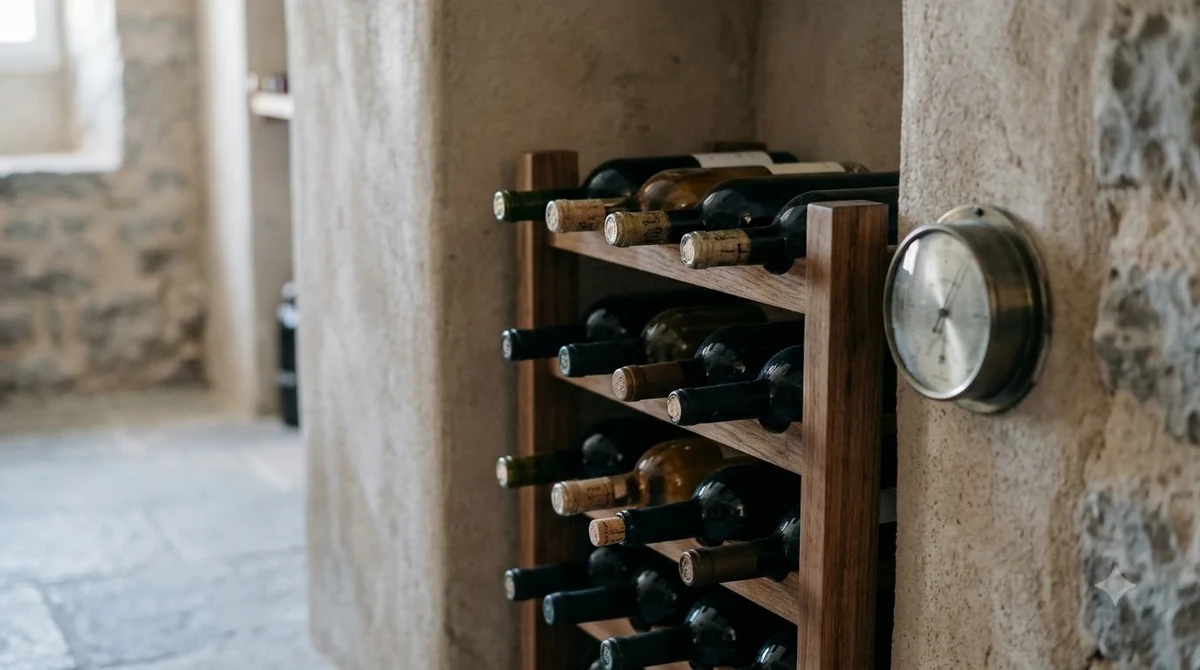
For unopened bottles, keep the wine away from direct sunlight, high temperatures, and repeated temperature changes. A cool storage location near 55 degrees Fahrenheit is a useful general target for wine. Since Sweet Red is intended for relatively immediate enjoyment, there is little reason to hold it for years before opening.
Frequently Asked Questions
Does Sutter Home Sweet Red have a screw cap?
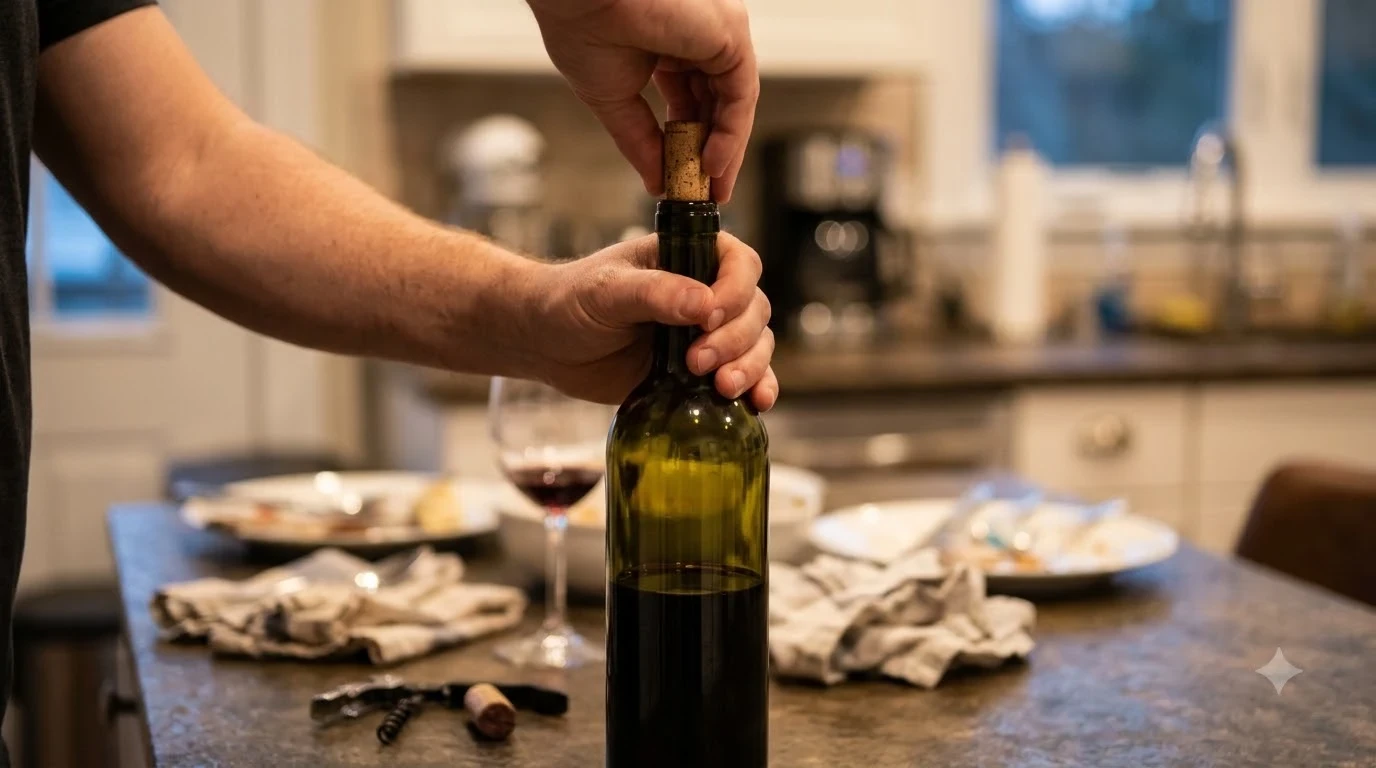
Some retailer product descriptions identify convenient screw-cap packaging for Sutter Home Sweet Red. Packaging can vary by format and market, so shoppers should not assume every bottle uses the same closure. Mini bottles are particularly convenient for occasions where carrying a corkscrew is impractical.
Is Sutter Home Sweet Red a vintage-specific wine?
Applejack lists its 750 ml Sutter Home Sweet Red as non-vintage, abbreviated NV. This means the bottle is not presented as a wine identified by one particular harvest year. Non-vintage labeling is common for approachable wines designed around a consistent house style.
Does Sutter Home Sweet Red contain sulfites?
Retail product information for Sutter Home Sweet Red identifies sulfites in the wine. Sulfites are commonly associated with wine production and preservation. The presence of sulfites is separate from the wine’s sweetness, grape composition, and retail price.
Has Sutter Home Sweet Red received wine competition awards?
Yes. Sutter Home’s official Sweet Red page lists a Reserve Class Champion Gold award from the 2018 Houston Livestock & Rodeo and a 91-point Gold award from the 2019 West Coast Wine (East Meets West) Competition. These recognitions provide historical competition context rather than a guarantee of individual purchasing preferences.
Can Sutter Home Sweet Red be used in a wine cocktail?
Its fruity, sweet profile makes it a possible base for simple red-wine punches and fruit-forward mixed drinks. Chilled Sweet Red can be combined with fresh orange slices, berries, and sparkling water for a casual party drink. Because the wine already has noticeable sweetness, additional sweeteners may not be necessary.
Sutter Home Sweet Red is an accessible California red blend for shoppers who enjoy ripe fruit flavors, soft tannins, and noticeable sweetness. A 750 ml bottle is a sensible starting point, while the 1.5-liter format offers more volume for group occasions. Compare local retailer listings, consider the intended food pairings, and choose the size that matches the occasion rather than focusing on the shelf price alone.
More in Wine Brands
 Underwood Wine Price: Compare Bottles, Cans, and Pack SizesUpdated Nov 21, 2026
 Zenato Wine Price: Compare Styles and Choose the Right BottleUpdated Nov 21, 2026
 Zuccardi Wine Price: Compare Bottles and Find the Right RangeUpdated Nov 21, 2026
 Yellow Tail Moscato Review: Taste, Sweetness and Serving TipsUpdated Nov 21, 2026
 Wolf Blass Yellow Label Review: Choose Your Best StyleUpdated Nov 21, 2026
 Wolffer Estate Rose Review: Choose the Right Bottle for Your TableUpdated Nov 21, 2026