

We may earn a commission when you buy through links on this page, at no extra cost to you. Learn more.
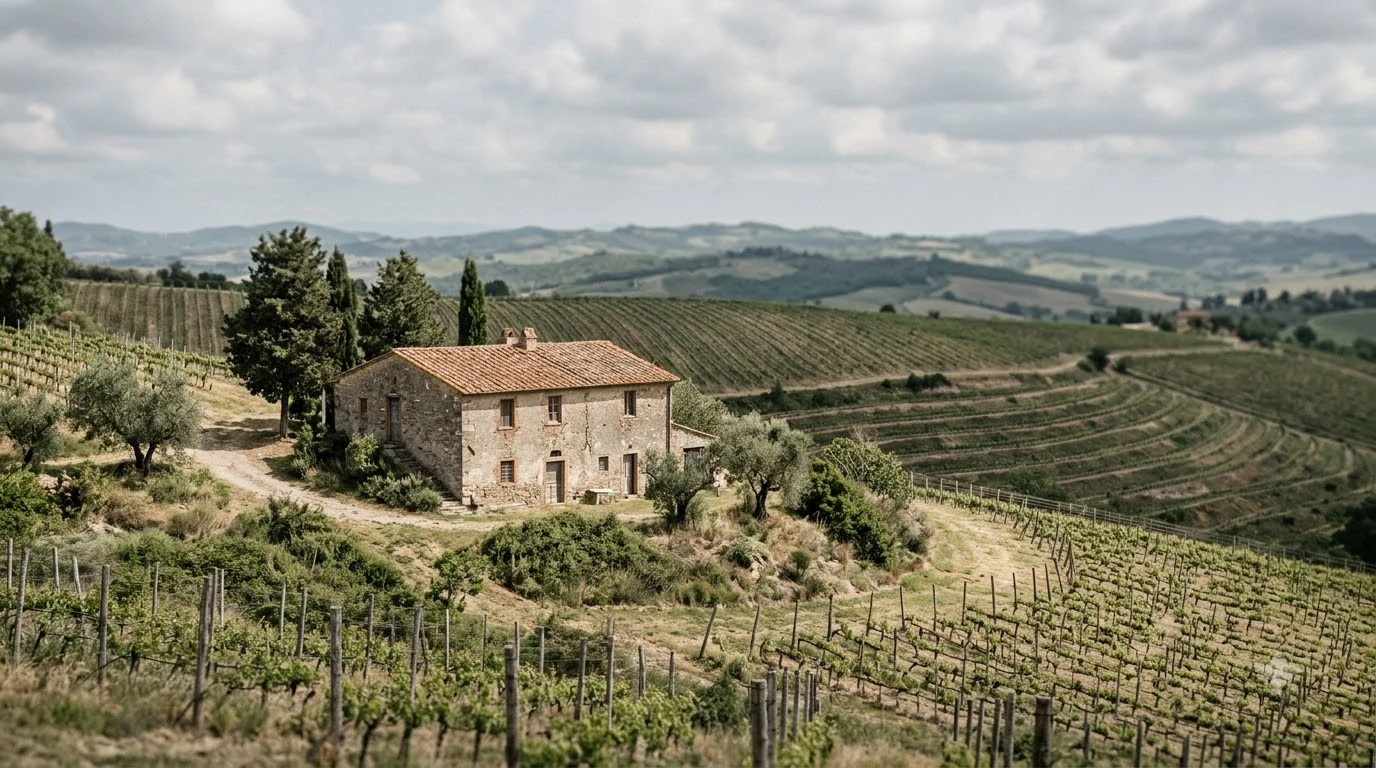
The southwest france wine region is a diverse collection of French vineyards producing distinctive Malbec, Tannat, Manseng, and other local grape wines across 42 protected appellations. Located between the Atlantic Ocean, the Dordogne, the Massif Central, and the Pyrenees, this broad wine-producing area offers everything from powerful reds to refreshing dry whites, rosés, sparkling wines, and richly sweet dessert wines. Its best-known appellations include Cahors, Madiran, Bergerac, Gaillac, Jurançon, and Fronton. Exploring these names is an excellent way to discover French wines beyond the familiar bottles of Bordeaux and Burgundy.
Southwest France is not one tightly defined vineyard district with a single recognizable style. It is a collection of neighboring wine-growing areas, each shaped by different soils, elevations, river systems, and grape varieties. Some producers work with internationally recognized grapes such as Merlot and Sauvignon Blanc, while others preserve varieties that remain uncommon outside their home vineyards. Understanding the main areas and their specialties makes choosing a bottle much easier.
Geography and Climate Shape a Diverse Wine Region
Southwest France covers a broad area extending from the Dordogne valley toward the Spanish border. Its vineyards experience several climatic influences, which help explain why the region produces such a wide range of wine styles.
The Atlantic Ocean influences the western vineyards, bringing maritime conditions and moderating temperatures. Moving eastward, the landscape becomes increasingly influenced by the Massif Central and more continental conditions. In the south, the Pyrenees introduce mountain elevations, changing exposure, and cooler conditions in suitable vineyard sites. Major rivers, including the Dordogne, Lot, Tarn, and Garonne, also influence local growing environments.
According to the Wines of Southwest France Council, the region contains 42 protected geographical designations: 29 PDO appellations and 13 PGI designations. These figures illustrate why treating Southwest France as one uniform wine style can be misleading. A Cabernet-based Bergerac red and a Tannat-based Madiran red may come from the same broad region, but their grape composition, tannin, and overall character can differ considerably.
Soils contribute another layer of distinction. Limestone is important in areas of the Dordogne, Lot, and Tarn, while Marcillac is associated with iron-rich soils. Parts of the Pyrenean foothills have sandstone formations. These geological differences influence vineyard drainage, vine development, and the characteristics of the resulting wines.
The region is commonly divided into several useful geographical groups: Bergerac and the Dordogne, the Lot valley, the Tarn basin, the Garonne basin, Gascony, Aveyron, and the Pyrenean foothills. These groupings are helpful when comparing bottles because neighboring appellations often share historical connections and some grape varieties, but still maintain individual identities.
For American wine drinkers, the most useful distinction is between the cooler, fresher white-wine styles and the more structured reds. A Côtes de Gascogne white can be lively and citrus-driven, while a Cahors Malbec is generally darker and more substantial. The region’s mountain-influenced vineyards also produce whites with notable freshness and aromatic intensity.
Readers interested in comparing different European mountain-influenced vineyards can also explore the Savoie wine region, where elevation and local grape varieties play similarly important roles in wine character.
Major Appellations and Their Signature Wines
The easiest way to understand Southwest France is to begin with its best-known appellations. Cahors, Madiran, Bergerac, Gaillac, Fronton, and Jurançon provide a useful introduction to the region’s range of grapes and wine styles.
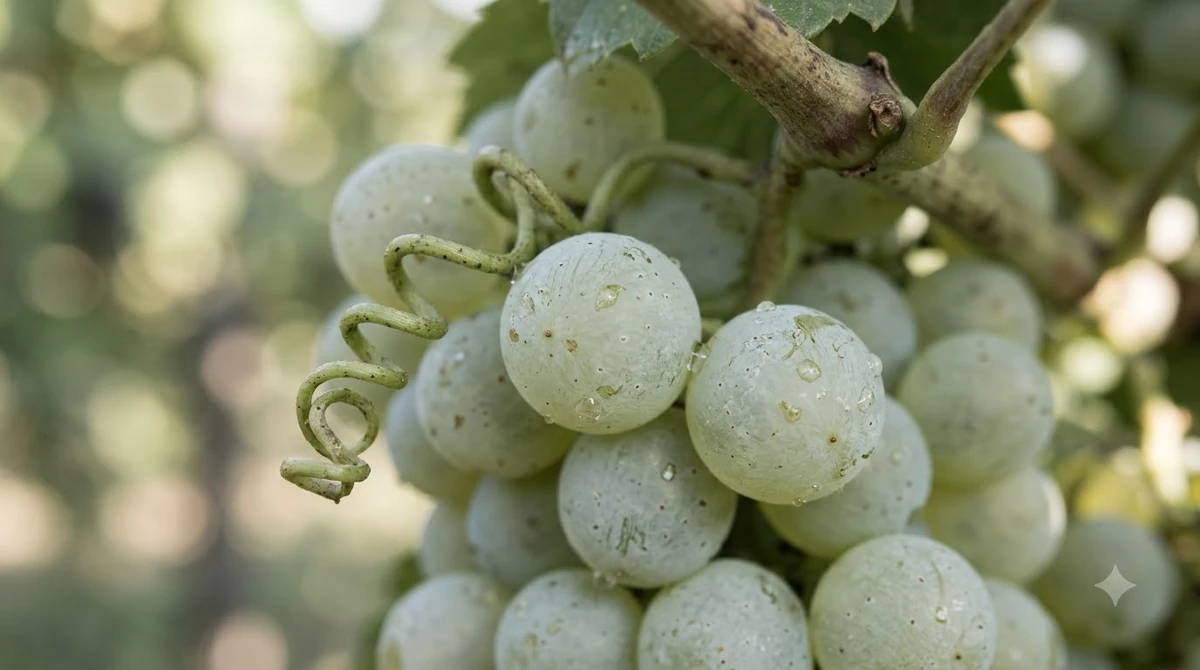
Cahors is one of the region’s most recognizable red-wine appellations. It is located in the Lot valley and is closely associated with Malbec, also called Côt. These wines typically show dark fruit, plum, blackberry, earthy notes, and substantial structure. Their exact intensity varies with vineyard location, growing conditions, blending choices, and winemaking.
Madiran is another major red-wine destination, with Tannat as its defining grape. Tannat produces deeply colored wines with considerable tannin and structure. Cabernet Franc and Cabernet Sauvignon can also appear in regional blends. Young Madiran can be firm and powerful, making it especially suitable for hearty dishes and, in some examples, additional bottle aging.
Bergerac sits near Bordeaux and uses several of the same familiar grape varieties. Its red wines commonly feature Merlot and Cabernet varieties, while Sauvignon Blanc and Sémillon appear in whites. The neighboring Pécharmant appellation is particularly associated with structured reds, while Monbazillac is known for sweet wines.
Gaillac offers exceptional stylistic variety. Its producers make reds, whites, rosés, sweet wines, and sparkling wines. Local varieties such as Mauzac, Duras, Braucol, and Loin de l’Oeil give the appellation a distinct identity. Its sparkling wines include both traditional-method examples and wines produced using ancestral techniques.
Fronton is best known for Négrette, an aromatic red grape that can produce wines with dark fruit, floral notes, and supple texture. It also contributes to regional rosé production. Jurançon, farther south in the Pyrenean foothills, is especially important for whites made with Petit Manseng and Gros Manseng.
| Appellation | Important Grapes | Typical Wine Style | Best Starting Point |
|---|---|---|---|
| Cahors | Malbec, Merlot, Tannat | Structured red | Malbec-led wines |
| Madiran | Tannat, Cabernet Franc | Powerful red | Tannat blends |
| Bergerac | Merlot, Cabernet Sauvignon, Sauvignon Blanc | Red, white, and rosé | Merlot-based reds |
| Monbazillac | Sémillon, Sauvignon Blanc, Muscadelle | Sweet white | Botrytized wines |
| Gaillac | Mauzac, Braucol, Duras | Red, white, sparkling, and sweet | Local grape varieties |
| Fronton | Négrette | Red and rosé | Floral, fruit-forward reds |
| Jurançon | Petit Manseng, Gros Manseng | Dry and sweet white | Manseng-based whites |
| Côtes de Gascogne | Colombard, Ugni Blanc, Gros Manseng | Dry white | Fresh aromatic blends |
These appellations are useful starting points rather than an exhaustive list. Other names worth recognizing include Saint-Mont, Pacherenc du Vic-Bilh, Marcillac, Irouléguy, Tursan, and Coteaux du Quercy. Each offers additional expressions of regional grape varieties and local vineyard conditions.
Red Grapes: Malbec, Tannat, and Local Varieties
Southwest France is particularly rewarding for red-wine drinkers who enjoy structured wines and distinctive grape varieties. Malbec and Tannat are the two most recognizable names, but Négrette, Duras, and Fer Servadou also deserve attention.
Malbec is the signature grape of Cahors. It is known internationally through Argentina, but its French home provides a different expression. Cahors Malbec often combines dark plum, blackberry, earthy flavors, and firm tannins. Depending on the producer and vineyard site, the wine may be relatively approachable in its youth or more concentrated and suited to extended aging.
Malbec is a natural choice for grilled beef, lamb, and slow-cooked meat dishes. Its tannins interact well with the fat and protein in these foods, softening the perception of astringency. A Cahors bottle is also a useful alternative for someone who enjoys structured Cabernet Sauvignon but wants to explore a different grape.
Tannat is central to Madiran. It generally produces fuller-bodied reds with high tannin, deep color, and considerable structure. Blackberry, black cherry, spice, and earthy characteristics can appear depending on the blend and production approach. Some producers use oak aging to shape the texture, while others emphasize fruit and freshness.
Tannat can be especially successful with grilled steak, roasted lamb, duck confit, and other rich meat dishes. These foods provide enough fat and protein to balance its pronounced tannins. For a young and particularly firm Madiran, decanting for approximately 30 to 60 minutes can help the wine open up.
Fer Servadou is another important local red variety. It appears under several regional names: Braucol in Gaillac, Mansois in Marcillac, and Pinenc in Gascony. It typically contributes structure, fresh acidity, and dark-fruit characteristics. Marcillac is especially interesting because the variety grows in iron-rich soils and produces distinctive wines with spicy, earthy notes.
Négrette, associated with Fronton, offers a contrasting style. Its wines can be floral, dark-fruited, and relatively supple, making them appealing to drinkers who prefer less aggressive tannins. Négrette also has an important role in Fronton rosé production.
Duras is another local variety associated with Gaillac. It can contribute peppery, spicy, and dark-fruit elements to red blends. These grapes show why the region deserves attention beyond its two famous red varieties.
Tip: If you are new to Southwest France reds, start with Fronton or a fruit-forward Bergerac for a softer introduction. Move to Cahors Malbec for firmer structure and Madiran Tannat when you want a more powerful, tannic wine.
White, Rosé, and Sweet Wines Worth Discovering
Southwest France is not exclusively a red-wine region. Its dry whites, aromatic rosés, sparkling wines, and sweet wines provide some of its most distinctive bottles, particularly in Gascony, Gaillac, and the Pyrenean foothills.
Côtes de Gascogne is an excellent place to start with dry white wines. Colombard, Ugni Blanc, and Gros Manseng are important varieties. These wines are often light to medium-bodied, with citrus, green apple, tropical fruit, and fresh acidity. They work well as aperitifs and with seafood, salads, and lighter meals.
Gros Manseng is particularly versatile. It can produce dry wines with aromatic fruit and lively acidity, as well as wines with a touch of sweetness. Petit Manseng is also important, especially in Jurançon, where it contributes concentrated aromas and high acidity.
Jurançon produces two broad styles that are important to distinguish. Jurançon Sec is dry, while sweet Jurançon is commonly identified by terms such as moelleux. Sweet examples can show honey, citrus, ripe tropical fruit, and stone-fruit flavors. Their natural acidity helps keep the wines balanced rather than simply sugary.
Sweet Jurançon is particularly interesting with fruit desserts, blue cheese, and dishes featuring rich sauces. The wine should generally be at least as sweet as the dessert alongside it. Otherwise, the sweetness of the food can make the wine taste sharp or thin.
Monbazillac, in the Bergerac area, is another important source of sweet white wine. Botrytis, also known as noble rot, can concentrate the grapes and contribute honeyed, dried-fruit, and marmalade characteristics. Sémillon is an important variety, often accompanied by Sauvignon Blanc and Muscadelle.
Gaillac provides a different kind of white-wine exploration. Mauzac is one of its notable local grapes and can be used for dry, sweet, and sparkling styles. Its fresh apple-like character makes it particularly recognizable. The appellation also has a long history of sparkling production, including the ancestral method.
Rosé drinkers should investigate Fronton and other regional appellations where local red grapes offer fresh, fruit-driven styles. These wines are useful with grilled vegetables, charcuterie, Mediterranean salads, and casual summer meals.
The variety of white and sweet wines makes Southwest France a particularly useful region for entertaining. A dry Côtes de Gascogne can begin a meal, a Gaillac white can accompany seafood, and a sweet Jurançon or Monbazillac can finish the evening.
Food Pairings and Serving Temperatures
The best food pairings depend on the wine’s body, acidity, tannin, and sweetness. Southwest France offers enough variety to accompany everything from grilled meat and duck to seafood, cheese, and fruit-based desserts.
Cahors Malbec is a natural partner for grilled beef, lamb chops, roast pork, and mushroom dishes. Its tannins work well with protein and fat, while its dark-fruit character complements browned and roasted flavors. Madiran Tannat generally benefits from equally substantial dishes, including duck confit, braised beef, and slow-roasted lamb.
Bergerac reds offer flexibility because their Merlot and Cabernet blends can range from relatively approachable to more structured. A softer Merlot-led example can accompany roast chicken, pork, and tomato-based dishes. More tannic Cabernet-led blends are better suited to steak and rich meat preparations.
Dry Côtes de Gascogne is a strong choice for shellfish, grilled white fish, shrimp, and fresh salads. Its acidity provides a refreshing contrast to seafood and creamy preparations. Gaillac whites can also work well with regional cheeses, poultry, and dishes featuring herbs.
Sweet Monbazillac and Jurançon pair naturally with fruit tarts, blue cheese, and desserts containing stone fruit or citrus. Remember that the wine should be at least as sweet as the dessert. A dessert that is much sweeter than the wine can make the wine seem unexpectedly acidic.
Serving temperature is equally important. Excessive warmth can emphasize alcohol and make tannins feel heavier, while serving a wine too cold can suppress its aromas.
| Wine Style | Recommended Temperature | Serving Guidance |
|---|---|---|
| Light white | 45–50°F | Serve crisp Gascony whites chilled. |
| Full-bodied white | 50–55°F | Allow richer Manseng wines to show their aromas. |
| Rosé | 45–50°F | Keep fresh Fronton rosé cool. |
| Light red | 55–60°F | Serve softer reds slightly cool. |
| Full-bodied red | 60–65°F | Allow Cahors and Madiran to open up. |
| Sweet white | 43–50°F | Keep Jurançon and Monbazillac refreshing. |
| Sparkling | 40–50°F | Chill thoroughly before serving. |
A standard wine pour is approximately 5 ounces, giving around five glasses from a 750-milliliter bottle. Store unopened bottles on their sides in a cool, dark place near 55°F when appropriate for long-term storage. Once opened, most still wines keep for approximately three to five days in the refrigerator, although freshness varies by wine and storage conditions.
For a dinner featuring both Madiran and a dry Gascony white, serve the white first and the red afterward. This sequence allows the more structured wine to follow the lighter style without overwhelming the palate.
How to Choose and Explore Southwest France Wines
Choosing a bottle becomes easier when you begin with the grape variety or appellation rather than trying to memorize every regional designation. A few familiar names can help you identify the style you are likely to enjoy.
If you enjoy Argentine Malbec, Cahors is an obvious starting point. Both regions focus on the same grape, but Cahors offers an opportunity to explore its traditional French expression. Look for the appellation name on the label and consider whether you prefer a fresher, fruit-forward style or a more structured wine.
Cabernet Sauvignon and Merlot drinkers should explore Bergerac. Its grape varieties are familiar to Bordeaux enthusiasts, but its wines can offer different expressions of the same varieties. Pécharmant is another interesting option for those who enjoy structured red blends.
Drinkers who appreciate powerful reds should consider Madiran. Tannat gives these wines their characteristic structure, and they can be particularly rewarding with rich food. If a highly tannic red is unfamiliar, begin with a bottle intended for earlier drinking rather than choosing the most concentrated example available.
For Sauvignon Blanc enthusiasts, Côtes de Gascogne offers an accessible introduction to the region’s aromatic white wines. Colombard and Gros Manseng can provide lively acidity and citrus or tropical-fruit notes. Gaillac is a good next step for someone interested in unusual white grapes and sparkling wines.
Sweet-wine enthusiasts should compare Monbazillac with Jurançon. The former is associated with botrytized wines from the Bergerac area, while the latter highlights the Manseng grapes of the Pyrenean foothills. Both can offer impressive concentration balanced by freshness, but their aromatic profiles and production conditions differ.
Another helpful approach is to explore the region in groups of two or three bottles. Compare a Cahors Malbec with a Madiran Tannat to understand how different grapes create different tannin structures. Then compare a Côtes de Gascogne white with a dry Jurançon to see how regional white varieties express freshness and aromatic complexity.
Look beyond the most familiar appellations once you have a sense of the region. Marcillac offers an interesting expression of Fer Servadou, while Fronton introduces Négrette. Gaillac rewards curiosity with its range of traditional grape varieties and sparkling styles.
For broader comparisons of European wine traditions, the Switzerland wine region offers another example of how local grape varieties and distinctive growing environments shape regional identity. The wider collection of Wine Regions can also help place Southwest France within the larger French and international wine landscape.
One useful strategy is to record the appellation, grape, vintage, and wine style whenever you discover a bottle you enjoy. Over time, these details make it easier to identify whether you prefer the tannic character of Madiran, the dark-fruit profile of Cahors, or the fresh aromatic style of Gascony. For additional regional background, the official Southwest France appellation directory provides a useful overview of protected designations and their geographical identities.
Frequently Asked Questions
Is Southwest France the same as Bordeaux?
No. Southwest France is a broad collection of wine-producing areas beyond Bordeaux, although Bergerac and some neighboring appellations share grape varieties and historical trading connections with Bordeaux. The regional wine landscape includes distinctive areas such as Cahors, Gaillac, Madiran, and Jurançon that have their own appellation identities.
Which Southwest France grape is used to make Argentine Malbec’s French counterpart?
Cahors Malbec is the French expression of the grape that became internationally famous in Argentina. In France, the variety is also known as Côt. Its historical association with the Lot valley makes Cahors an especially useful destination for comparing French and Argentine interpretations of the same grape.
What does the term Jurançon Sec mean?
Jurançon Sec identifies a dry white wine from the Jurançon appellation. The word sec means dry in French, distinguishing these wines from sweeter Jurançon styles. Petit Manseng and Gros Manseng are important varieties, and the wines can show citrus, orchard fruit, and pronounced freshness.
What is the difference between AOP and IGP on a French wine label?
AOP, also known as PDO, represents a protected designation connected to a defined geographical area and its recognized production practices. IGP, also known as PGI, provides geographical protection under a broader framework. Southwest France includes both systems, allowing consumers to encounter wines made under different regional production rules.
Why does Southwest France have so many unusual grape names?
The region has maintained numerous local grape varieties through its long agricultural history and geographically varied vineyard areas. Some varieties also have different regional names: Fer Servadou, for example, is called Braucol in Gaillac and Mansois in Marcillac. This naming tradition reflects local winegrowing heritage rather than necessarily indicating different grapes.
The southwest france wine region deserves attention for its combination of familiar grapes, unusual indigenous varieties, and remarkably diverse wine styles. Start with Cahors Malbec, Madiran Tannat, Bergerac, or Côtes de Gascogne, then expand into Gaillac, Fronton, and Jurançon. These wines offer a rewarding introduction to one of France’s most varied and characterful wine-producing areas.
More in Wine Regions
 Willcox Wine Trail: Discover Arizona’s High-Elevation Wine CountryUpdated Nov 20, 2026
 Yakima Valley Wine Region: Find the Best Styles to TryUpdated Nov 20, 2026
 Vosne Romanee Wine Tasting: Identify Aromas and Choose Better PairingsUpdated Nov 20, 2026
 Yakima Valley Wine Festival: Find the Best Seasonal Wine EventsUpdated Nov 20, 2026
 Wales Vineyards: Discover Cool-Climate Wines and Where to VisitUpdated Nov 20, 2026
 Yountville Wine Festival: Discover Napa Wines and Local FoodUpdated Nov 20, 2026