

We may earn a commission when you buy through links on this page, at no extra cost to you. Learn more.
South Carolina vineyards are spread across a state where summer heat and humidity make grape growing difficult, so growers rely on a mix of hardy native and European varieties. The state’s vineyards are small compared with California or the Pacific Northwest, but they grow everything from Muscadine to Viognier and Chardonnay. Understanding the climate is the key to understanding why these vineyards produce the wines they do.
Most people think of South Carolina for its coastline and historic cities, not its vineyards. Yet a small number of wineries work the land, and the challenges they face are unusual for an American wine state. This guide explains where the vineyards are, what grows in them, why the climate matters so much, and how to think about buying or visiting.
Why the climate shapes South Carolina vineyards
The climate is the central fact about South Carolina viticulture. Summers are hot and humid, and that combination brings disease pressure and heavy rain during the growing season. Wikipedia’s summary of South Carolina wine describes the climate as challenging for wine grape production, and it notes that growers must adjust their canopy management to limit direct sun on the fruit.
That same heat also affects timing. Grapes in the state are often harvested early in the summer, which is far earlier than in cooler wine regions. The result is a different style of fruit and a different balance of sugar and acidity from what many drinkers expect from a traditional vineyard.
The grapes growers plant
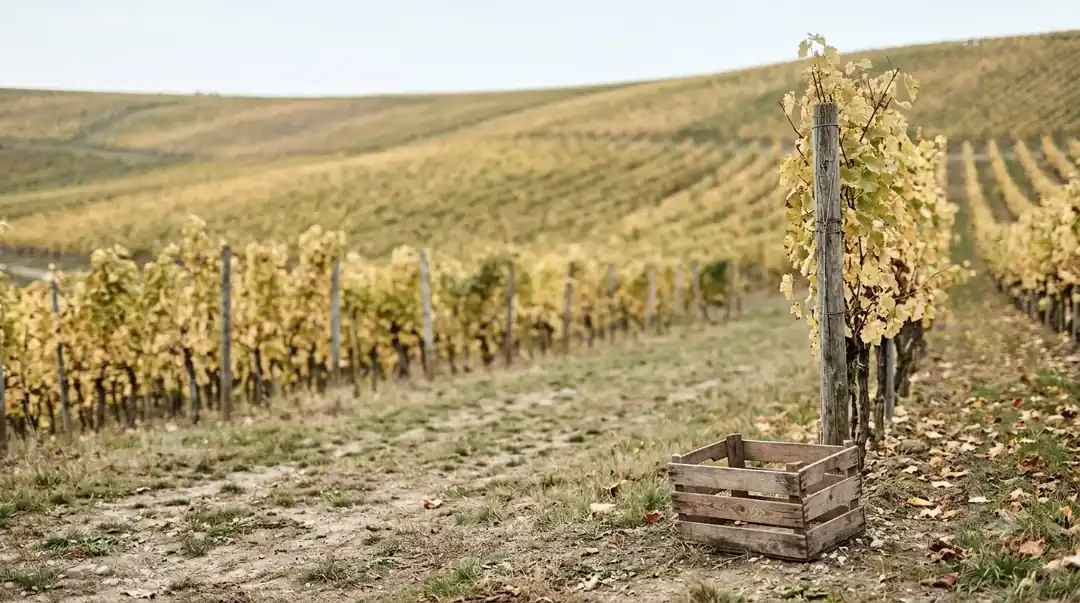
Because the climate is demanding, South Carolina growers work with a wider set of grapes than many regions do. The list reported in Wikipedia’s South Carolina wine summary includes Muscadine, Viognier, Chardonnay, Cabernet Sauvignon, Merlot, Sauvignon Blanc, Blanc du Bois, Seyval Blanc, and Vignoles, among others. Some of these are native or hybrid varieties built for humid conditions, and others are classic European vines planted in sheltered sites.
Muscadine is the grape most closely tied to the South and is often used for sweeter wines and juice-style products. European varieties such as Chardonnay and Cabernet Sauvignon are grown by estates that have invested in careful site selection and canopy work. Visitors who taste widely will notice that the state’s wines can be fruit-forward, with a fresh acidity that suits the warm months.
| Grape group | Examples named in source | Typical role |
|---|---|---|
| Native and southern | Muscadine | Sweeter, fruit-driven wines |
| White European | Viognier, Chardonnay, Sauvignon Blanc | Fresh, aromatic whites |
| Red European | Cabernet Sauvignon, Merlot | Reds from sheltered sites |
| Hybrid and French-American | Blanc du Bois, Seyval Blanc, Vignoles | Crisp whites built for humidity |
Tip: When you see a South Carolina bottle, check the grape on the label. A Muscadine and a Chardonnay from the same state can taste like they come from different worlds.
How the industry is organized
South Carolina’s wine industry is small, and it has no designated American Viticulture Areas, according to the Wikipedia summary. That means a South Carolina label does not carry a specific appellation in the way a Napa or Sonoma wine does. Buyers rely more on the winery’s name and its own description of the vineyard site and grapes.
Wikipedia’s summary lists twelve wineries, though that count can change as new estates open or close. For a visitor, a small number of wineries means each tasting room is more distinct, and it is worth researching the individual estates before planning a route.
Buying and serving South Carolina wine
The best way to buy South Carolina wine is to start with the producer. Look for a clear description of the grape, the vintage, and whether the wine was made in a dry or sweet style. Because the state’s wines are often fruit-forward, many of them show best when served cool, and a bottle of white is an easy choice for warm weather.
Serving temperature matters for every style. Whites and sparkling wines are most enjoyable when chilled but not icy, while lighter reds taste better slightly cool than warm. Sweet Muscadine wines pair well with fresh fruit, soft cheeses, or dessert. Dry whites suit seafood, which fits the state’s coastal food traditions.
Visiting South Carolina vineyards
A visit to a South Carolina vineyard is a good way to learn how the climate shapes a bottle. Tasting rooms often explain the challenges of growing grapes in heat and humidity, and staff can point out which wines suit a warm afternoon. Ask about the grape, the style, and how the winery manages disease and sun exposure in the vineyard.
Plan a route rather than a random set of stops. Because the wineries are spread out, group the ones that are close together and leave time for meals and rest. Calling ahead to confirm hours is a smart move, since small estates may close on certain weekdays or during harvest work.
What to expect from a small-state wine scene
A small wine industry brings advantages for curious drinkers. Producers are often easy to reach, and many owners or winemakers are happy to explain their choices. If you email or call ahead with a specific question about a grape or a vintage, you may get a more detailed answer than you would at a large producer. That access makes the state a good place to learn how regional conditions shape a glass of wine.
The trade-off is availability. Smaller production means fewer bottles, and some wines may sell out or be available only at the estate. If you find a bottle you like, buying it on the visit is often the only way to take it home. Keeping a short list of producers and grapes helps when you are comparing options later.
Expectations matter as well. A South Carolina wine is not meant to copy a cool-climate Burgundy or a sunny California Cabernet. It reflects the heat, humidity, and grape choices of its own site. Judging each bottle on its own terms, and asking the producer what the vineyard was trying to achieve, leads to a more satisfying tasting.
Food and wine pairing works well here too. Warm-weather menus, fresh seafood, and barbecue all suit the lighter whites and fruit-forward styles common in the state. Bring a few of the local bottles to a meal with friends and compare them with wines from other regions to see how the climate shows up on the table.
Frequently Asked Questions
Does South Carolina grow wine grapes?
Yes. Growers in the state plant a mix of native, hybrid, and European grapes. The heat and humidity make production harder than in cooler regions, so vineyard management is a major focus.
What is the most common grape in South Carolina vineyards?
There is no single dominant grape. Muscadine is strongly associated with the South, and European varieties such as Chardonnay, Viognier, and Cabernet Sauvignon are also grown. The best answer depends on the winery you visit.
Why is growing grapes hard in South Carolina?
Hot, humid summers create pressure from fungal disease and make it necessary to limit direct sun on the fruit. Wikipedia’s summary notes that the climate is challenging for wine grape production, which is why many growers choose heat-tolerant or hybrid varieties.
Are there official wine regions in South Carolina?
Not in the sense of American Viticulture Areas. The Wikipedia summary states that the state has no designated AVAs, so buyers rely on the producer and the label for information about where the grapes were grown.
For a broader comparison of how regions handle climate, read the overview of Wine Regions, and then look at other areas such as murphys vineyards or new mexico vineyards. For the state’s wine basics, the sister guide on south carolina wine is a good next step. South Carolina wine is a small but interesting part of American winemaking, and tasting a few bottles is the simplest way to see what the climate produces.
More in Wine Regions
 Willcox Wine Trail: Discover Arizona’s High-Elevation Wine CountryUpdated Nov 20, 2026
 Yakima Valley Wine Region: Find the Best Styles to TryUpdated Nov 20, 2026
 Vosne Romanee Wine Tasting: Identify Aromas and Choose Better PairingsUpdated Nov 20, 2026
 Yakima Valley Wine Festival: Find the Best Seasonal Wine EventsUpdated Nov 20, 2026
 Wales Vineyards: Discover Cool-Climate Wines and Where to VisitUpdated Nov 20, 2026
 Yountville Wine Festival: Discover Napa Wines and Local FoodUpdated Nov 20, 2026