

We may earn a commission when you buy through links on this page, at no extra cost to you. Learn more.
Sonoma wineries are spread across Sonoma County, a California wine region north of San Francisco with nineteen American Viticulture Areas, where Pacific fog and varied soils produce everything from crisp Pinot noir to bold Zinfandel. Most visitors come for the tasting rooms around Healdsburg, the town of Sonoma and Glen Ellen, but the real appeal is how much the county’s sub-regions differ from one another. This guide explains where the main wine areas are, what each one grows best, how the climate shapes the wines, and how to plan a visit or choose a bottle.
Sonoma County is often mentioned alongside Napa Valley, its neighbor to the east. The two share a border and a long winemaking history, but Sonoma tends to feel more relaxed. Many wineries are family owned, and a good number still farm their own vineyards. This guide is written for travelers planning a trip, for shoppers who want to know what to order, and for anyone who has heard the name and wants a clearer picture of what it means.
Where the Sonoma Wineries Are Located
Sonoma County is one county with many distinct wine areas. According to the Sonoma County wine overview on Wikipedia, the county holds nineteen American Viticulture Areas, the federally recognized growing regions that define where a label can say its grapes came from. Those areas stretch from the Pacific coast inland toward the hills and valleys of the county’s interior.
Because the county is so large, the location of a winery matters more than its name. A tasting room in the Russian River Valley pours a noticeably different style from one in Alexander Valley, even when both make Chardonnay or Cabernet Sauvignon. Most wine travelers plan around two or three areas in a single trip rather than trying to cover the whole county in one day.
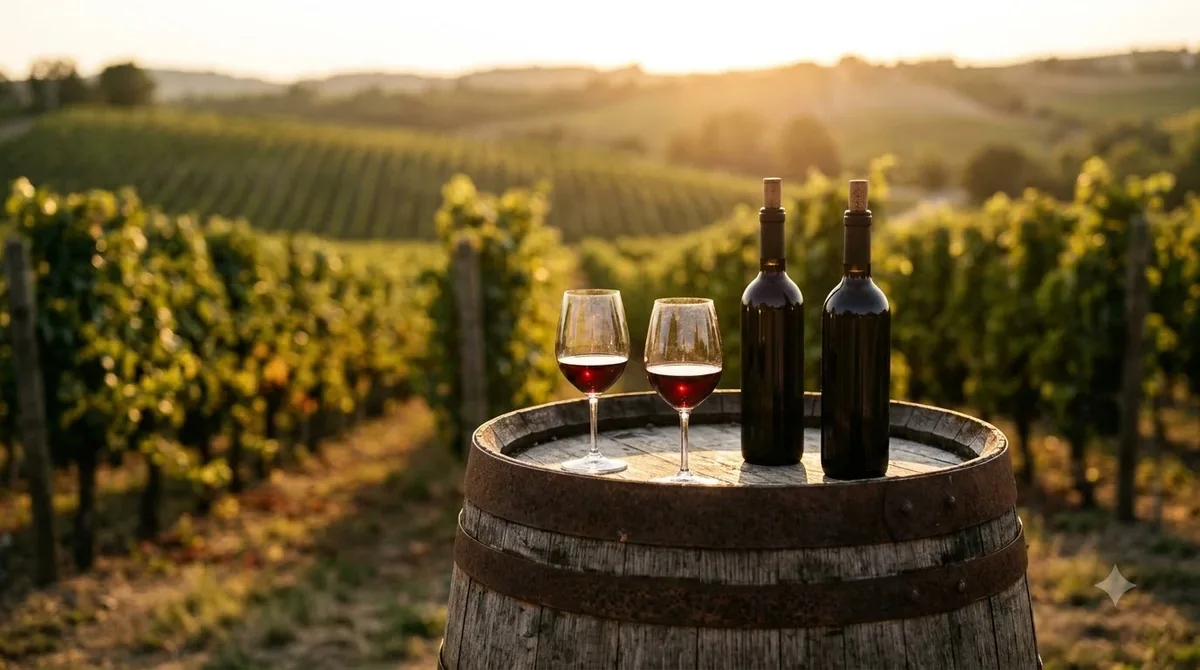
The sub-regions below are the ones that come up most often when people compare Sonoma wineries.
| Sub-region | What it is known for | Where wine lovers often start |
|---|---|---|
| Russian River Valley | Cool-climate Pinot noir and Chardonnay shaped by coastal fog | Guerneville and the towns along the river |
| Alexander Valley | Rich, densely planted Cabernet Sauvignon | The northern stretch near Healdsburg |
| Dry Creek Valley | Sauvignon Blanc and Zinfandel | Dry Creek Road, just west of Healdsburg |
| Sonoma Valley | A mix of Zinfandel, Cabernet and sparkling wine | The town of Sonoma and its historic plaza |
| Sonoma Coast | Cool, high-rainfall vineyards well suited to Pinot noir | Coastal roads and small estate wineries |
How the Climate Shapes the Wines
Climate is the main reason Sonoma wineries vary so much. Cooling fog rolls in from the Pacific, especially through the Russian River Valley and the Green Valley area, which keeps the grapes cooler and gives them a longer growing season. Those conditions favor Pinot noir and Chardonnay, which need time to develop flavor without overripening.
Inland, the picture changes. Alexander Valley and parts of Dry Creek Valley get more sun and warmth, so their Cabernet Sauvignon and Zinfandel tend to show riper fruit and fuller body. Sonoma Mountain helps shelter the Sonoma Valley from heavy rain, and high-elevation vineyards such as those near Pine Mountain-Cloverdale Peak face their own distinct conditions. The result is a county where one grape can taste quite different depending on a few miles of elevation or distance from the ocean.
A Short History of Sonoma Winemaking
Sonoma has grown grapes for a long time, though its reputation developed in stages. The Wikipedia overview notes that vines were likely planted near Fort Ross as early as 1817, and that Mission San Francisco Solano later established vineyards of its own. In 1855, Agoston Haraszthy bought a property that became Buena Vista, one of the first wineries in the state, and he later brought back more than 100,000 cuttings of premium European varieties after a study trip to Europe.
The industry then faced a hard run. Phylloxera and Prohibition devastated the county’s vineyards, and the source cites a drop from 256 wineries in the 1920s to fewer than 50 surviving to 1933. Recovery came gradually. By 1999 the county had more than 49,000 acres of vineyards and 180 bonded wineries, and the modern Sonoma wine scene grew out of that rebuilding.
Planning a Visit to Sonoma Wineries
A good visit starts with geography. Healdsburg is a convenient base for the northern valleys, while the town of Sonoma works well for a shorter trip focused on the Sonoma Valley. Driving between sub-regions takes longer than the map suggests, especially on rural roads, so it helps to book tastings in one area per day.
The Sonoma County tourism site suggests that three or four wineries, with about an hour at each, is a comfortable pace for one day. It describes late September to early October as the busiest stretch, when the grape harvest is in full swing, and notes that early spring brings blooming vineyards while winter is quieter and tastings are easier to book. Planning a trip around those windows affects both the experience and how many tables you can get, so it is worth checking the calendar before you choose dates.
Many wineries require reservations, particularly on weekends and during the harvest season in late summer and early fall. Tasting fees, tour options and food pairings differ from one winery to the next, and many estates set their own rules for groups and children. Designating a driver or hiring a shuttle is the simplest way to enjoy several tastings without worrying about the trip home. Small family wineries often offer the most personal experience, while larger estates tend to have more formal tours and extensive grounds.
How to Choose a Bottle From Sonoma
If you are shopping rather than visiting, start with the grape and the sub-region. Pinot noir from the Russian River Valley or the Sonoma Coast usually tastes brighter and more floral than Pinot from warmer sites. Cabernet Sauvignon from Alexander Valley tends to be fuller and more structured, and it pairs well with grilled meat and aged cheese. Zinfandel from Dry Creek Valley often shows spice and ripe red fruit.
Read the label carefully. An AVA name on a bottle tells you where the grapes were grown, while a broader “Sonoma County” label means the fruit came from anywhere in the county. Both can be good wines, but the more specific label usually gives you a clearer idea of the style. Tasting notes from producers and independent critics can also help you match a bottle to the flavors you enjoy.
Frequently Asked Questions
How many wineries are in Sonoma County?
The exact number changes from year to year as new wineries open and others close. The county is home to many hundreds of wineries and tasting rooms, so most visitors pick a handful of areas instead of trying to see them all.
Which Sonoma wine region is best for beginners?
The Russian River Valley and the town of Sonoma are popular starting points because they have many tasting rooms close together. Staff at these wineries are usually happy to explain the styles they pour, which helps newcomers learn the differences.
Do I need reservations to visit Sonoma wineries?
Many wineries prefer or require reservations, especially on weekends and in busy seasons. Checking each winery’s website before you go helps you avoid disappointment, since walk-in availability varies.
What grapes is Sonoma best known for?
Chardonnay, Cabernet Sauvignon and Pinot noir are the most widely planted varieties, according to the Sonoma County overview. Zinfandel and Merlot are also important, and each sub-region tends to excel with a different mix.
Sonoma’s wineries reward curiosity. Pick one or two sub-regions, plan your tastings with the climate and grapes in mind, and you will get a far better sense of the county than a rushed loop of tasting rooms would give you. For more background on where wines come from, the wine regions guide is a useful next step, and if you are comparing California with other famous areas, the Bordeaux wineries guide offers a helpful contrast.
More in Wine Regions
 Willcox Wine Trail: Discover Arizona’s High-Elevation Wine CountryUpdated Nov 20, 2026
 Yakima Valley Wine Region: Find the Best Styles to TryUpdated Nov 20, 2026
 Vosne Romanee Wine Tasting: Identify Aromas and Choose Better PairingsUpdated Nov 20, 2026
 Yakima Valley Wine Festival: Find the Best Seasonal Wine EventsUpdated Nov 20, 2026
 Wales Vineyards: Discover Cool-Climate Wines and Where to VisitUpdated Nov 20, 2026
 Yountville Wine Festival: Discover Napa Wines and Local FoodUpdated Nov 20, 2026