

We may earn a commission when you buy through links on this page, at no extra cost to you. Learn more.
The best sommelier knife for most home drinkers is a folding waiter’s friend with a lever, a foil cutter, and a bottle opener. That style is compact enough for a drawer or a pocket, and its arm braces against the lip of the bottle to give leverage on the cork. Other openers suit specific jobs better, such as a wing corkscrew for everyday use or a twin-prong puller for an older bottle. Choose by how often you open wine, how old your bottles are, and whether you want the fast, showy motion of restaurant service.
A sommelier knife, also called a waiter’s friend or wine key, is the folding opener most people picture when they think of restaurant service. It looks like a pocket knife, but the blade is a foil cutter and the working end is a worm, or corkscrew, that lifts the cork in a few steady moves. The tool is simple, and that is why it is worth understanding before you buy. This guide groups the best sommelier knife options by use, explains how each opener type handles a cork, and points out where a sommelier knife is not the right tool.
Quick Comparison of Wine Openers
The sommelier knife is one of four common opener types. The table below compares them on the criteria that matter at home, from speed and size to how gently they treat an older cork.
| Opener type | How it works | Speed and size | Best use |
|---|---|---|---|
| Sommelier knife (waiter’s friend) | Folding frame; an arm braces on the bottle lip while the worm lifts the cork | Quick and compact, fits a pocket | Restaurant-style service and travel |
| Wing corkscrew | Two levers rise as the worm turns, then press down to pull the cork | Smooth single motion, common for home use | Everyday bottles at home |
| Lever corkscrew | Handles grip the neck; a lever screws in the worm and lifts the cork | Fastest, but bulkier and usually more expensive | Frequent opening, larger collections |
| Ah-so (twin-prong) | Two prongs slide between cork and neck, then the stopper is twisted out | Slower, gentle on the cork | Older bottles with fragile corks |
The Wikipedia article on corkscrews describes the sommelier knife as a folding design that can be used more quickly than a wing-type corkscrew, which explains why it is popular in service. The same article describes the lever corkscrew as bulkier and usually more expensive, though much faster. Each design has a clear use, so the comparison above is a better starting point than a ranking of brands.
Best for Restaurant-Style Quick Service
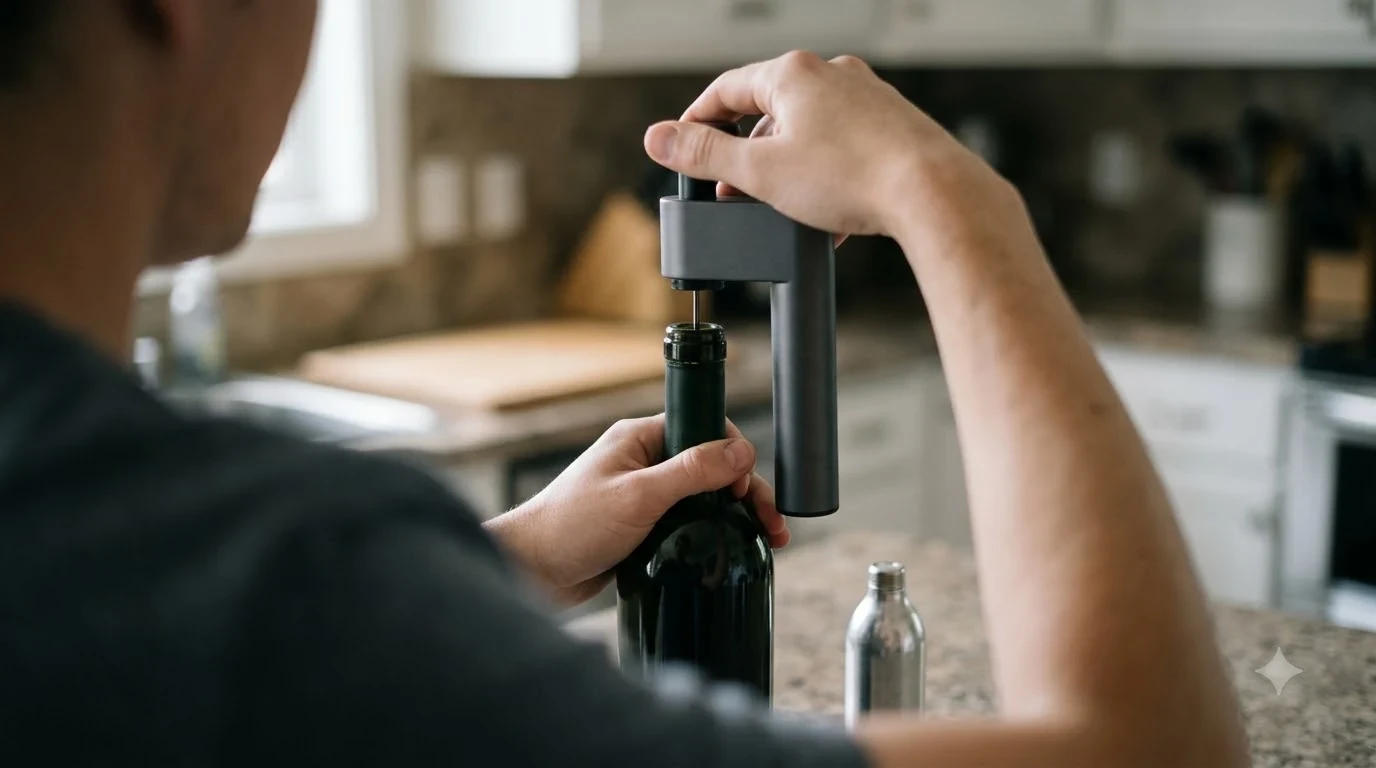
A sommelier knife is the tool for hosts who want quick, controlled service without a large opener on the table. Its folding frame and arm let you lift the cork in a few steady motions, and the foil cutter handles the capsule in the same tool.
The technique matters more than the price. Cut the foil below the lip, set the arm on the bottle ring, and screw the worm in until only one turn remains above the cork. Then bring the lever up in one even movement. A sloppy pull is the usual reason the cork breaks.
Why it stands out: The folding frame is compact and the leverage is strong, so one tool covers the cutter, the worm, and the bottle opener.
Keep in mind: Practice on a bottle you do not need first, since the lever takes a few tries to master.
Best for: Hosts who open wine at dinner parties and want a tool that looks at home on the table.
Best for Everyday Bottles at Home
For most household drinkers, a wing corkscrew is the easiest tool to use every night. Its two levers rise as the worm turns and press down to pull the cork out in one motion, so there is less to think about than a folding frame.
Rack-and-pinion wing designs are the most common, and many include a bottle opener or foil cutter on the head. That makes them a practical choice for a kitchen drawer, where the tool needs to work on a weekday bottle without any setup.
Why it stands out: The single pull is simple, and the design is common enough that most people use it without a learning curve.
Keep in mind: The levers need a clear space above the bottle to rise, so check the height on a tall bottle.
Best for: Everyday red and white wine at home, and anyone who opens a bottle most nights.
Best for Frequent Opening and Large Collections
A lever corkscrew, sometimes called a rabbit, is built for speed. You grip the bottle neck with two handles, press a lever down to screw the worm into the cork, then lift to extract it. The same press-and-lift motion ejects the cork at the end.
The trade-off is size and cost. A lever design takes more room than a folding frame and is usually more expensive. For hosts who open several bottles at a gathering, or for a shop that pours wine all day, the speed can justify both.
Why it stands out: The lever does most of the work, so the cork comes out quickly with little effort.
Keep in mind: It is bulky and needs a steady surface, so it suits a counter more than a drawer.
Best for: Frequent hosts, tasting rooms, and anyone who opens many bottles in one sitting.
Best for Older Bottles and Fragile Corks
An older bottle can have a dry or crumbling cork that a standard worm breaks apart. A twin-prong puller, often called an Ah-so or butler’s friend, avoids the worm altogether. Its two prongs slide between the cork and the bottle neck, and the stopper is twisted out whole.
The same design lets you sample the wine and put the cork back. To reseat it, hold the stopper between the prongs, twist it back into the neck, and withdraw the prongs. That makes the Ah-so useful for a bottle you want to keep open for a while. The corkscrew reference also notes that it can pull a stopper that is in poor condition.
Why it stands out: The cork comes out whole in many cases, and the bottle can be resealed without a new stopper.
Keep in mind: It takes more patience than a worm and works best with a little practice on the sliding action.
Best for: Vintage bottles, collectors, and any bottle with a cork that is likely to crumble.
Best for Gifting and Bar Cart Sets
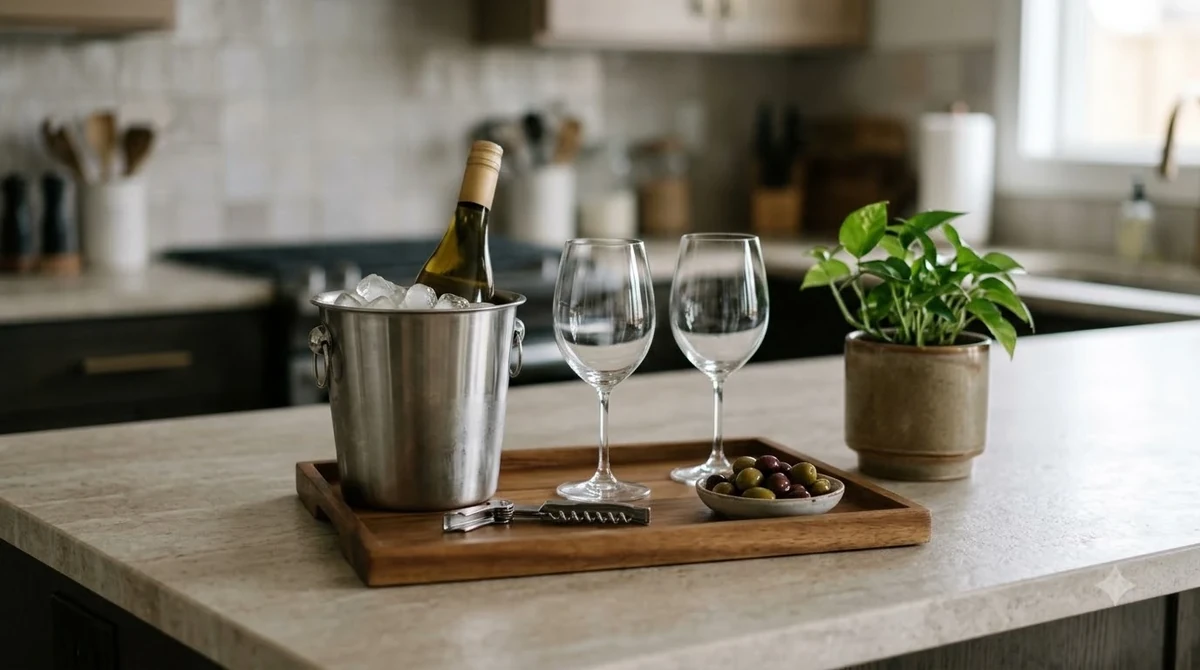
A sommelier knife also works as a gift, since it is compact, looks finished, and fits into a bar setup without much space. Many buyers pair it with a bottle stopper, a drip ring, or a small tray.
When you choose a gift set, look for a frame that closes firmly, a worm that turns smoothly, and a foil cutter that is sharp without being exposed. A tidy opener that sits in a bar cart or a wine box is easier to use than a tool stored in a junk drawer.
Why it stands out: The compact frame makes a clean, useful gift for anyone who keeps wine at home.
Keep in mind: Check the worm length and the closing action before you buy, since a cheap frame can feel loose.
Best for: Gifts, home bars, and a bar cart that needs one tool at hand.
How to Choose a Sommelier Knife
The right opener depends on how often you open wine and how the bottles are stored. Use the checklist below before you choose a model.
| Checkpoint | What to look for |
|---|---|
| Frequency | Folding frame for occasional use; lever or wing for nightly use |
| Cork condition | Twin-prong puller for old or fragile corks |
| Foil cutter | A sharp, protected blade that cuts below the lip |
| Worm length | Long enough to reach the cork without going through it |
| Build | Firm closing action and a worm that turns without wobble |
Technique matters as much as the tool. Keep the worm centered, turn it slowly, and stop with the spiral just through the cork. A cork that tears or crumbles is usually a sign of an off-center start or a fast pull, not a bad opener.
Tip: If the cork breaks, use the Ah-so or a second worm to remove the remaining pieces, then strain the wine through a clean fine sieve when you pour to catch any fragments.
Frequently Asked Questions
What is a sommelier knife used for?
It is a folding corkscrew that opens wine and cuts the foil capsule. The arm braces against the bottle lip while the worm lifts the cork, which makes it popular for quick service.
Is a sommelier knife better than a wing corkscrew?
It depends on use. A sommelier knife is compact and fast for occasional opening, while a wing corkscrew is simpler for nightly bottles and needs less practice.
Can a sommelier knife open an old cork without breaking it?
A standard worm can break an old cork. A twin-prong Ah-so is designed to avoid that, since it removes the stopper by sliding between the cork and the neck.
Do I need a sommelier knife to open wine at home?
No. Any reliable opener works if it suits your cork and your habits. A sommelier knife is a good choice for hosts who want a compact, fast tool that also cuts foil.
If you are building a bar setup around the opener, the bar cart guide covers how to store tools within easy reach. For a sense of how many bottles a single evening can need, see how many glasses in a bottle of wine, and the wine advent calendar page shows another way to give a bottle as a gift. A well-chosen opener makes every bottle easier to open, whichever style you pick.
More in Wine Accessories
 Coravin Vs Vacu Vin: Choose the Right Wine Saver for Your BottlesUpdated Nov 21, 2026
 Zwilling Wine Stopper Review: Preserve Open Bottles LongerUpdated Nov 21, 2026
 Wine Enthusiast Wine Preserver Review: Features, Benefits and LimitationsUpdated Nov 21, 2026
 Wine Enthusiast Wine Stopper: An Easier Way to Reseal Open BottlesUpdated Nov 21, 2026
 Vintorio Wine Opener: Two-Step Cork RemovalUpdated Nov 21, 2026
 Zwilling Wine Aerator Review: Aerate, Pour, and Seal With One ToolUpdated Nov 21, 2026