

We may earn a commission when you buy through links on this page, at no extra cost to you. Learn more.
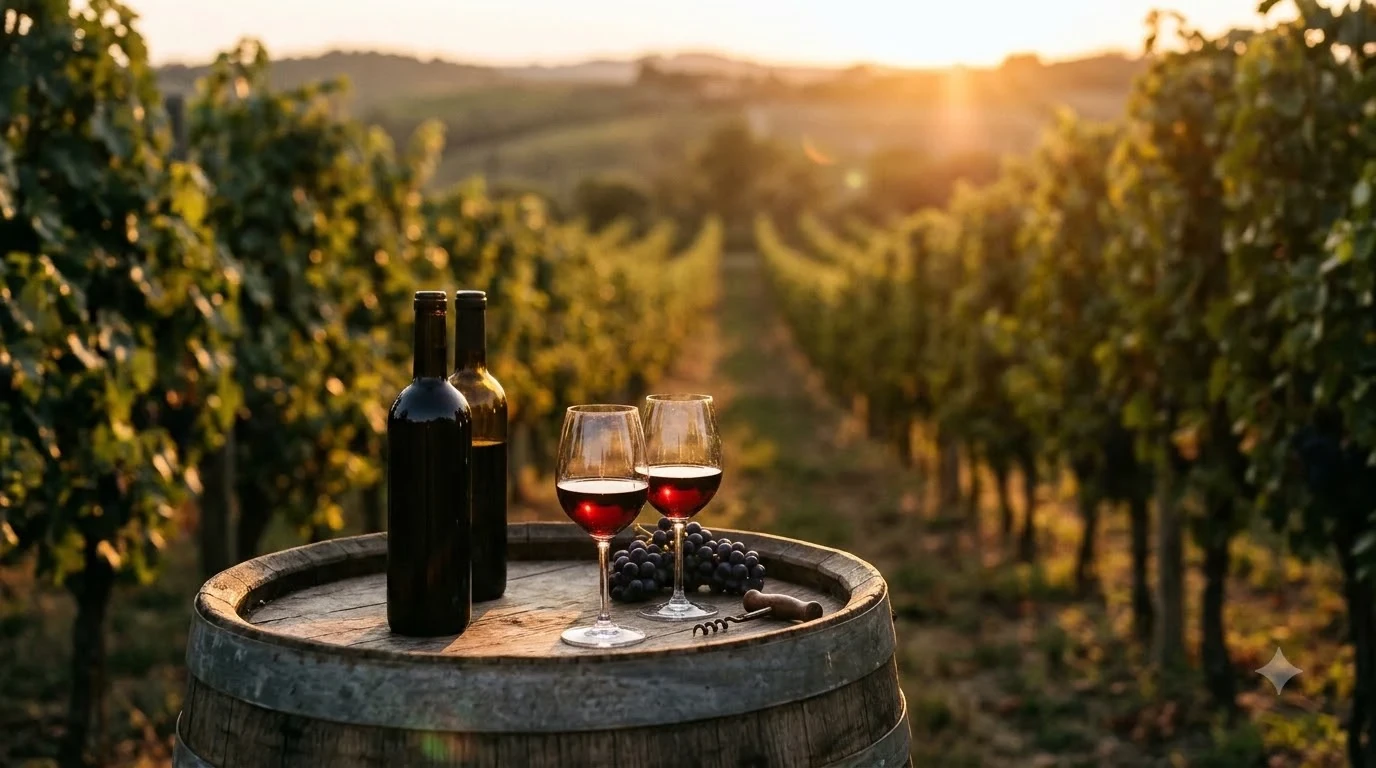
Silver Oak red wine is a Cabernet Sauvignon-based red from Silver Oak Cellars, a California winery that ages its wines in American oak. The lineup centers on two appellations, Napa Valley and Alexander Valley, and the wines are built for long cellaring. Knowing how the two bottlings differ helps you choose the right bottle and serve it well.
This guide explains what makes Silver Oak red wine distinctive, how the Napa Valley and Alexander Valley bottlings compare, and what influences the cost of a bottle. It also covers tasting notes, food pairings, decanting, and storage, so you can decide whether this style suits your table.
What Is Silver Oak Red Wine?
Silver Oak red wine is a focused range of Cabernet Sauvignon, usually blended with small amounts of other Bordeaux grape varieties. The estate concentrates on this one grape, and its wines are known for a consistent house style built around oak aging. Most bottles you will see are labeled by appellation, which tells you where the grapes were grown.
The 2019 Napa Valley bottling is a good example of the blend. According to the winery’s Napa Valley tasting notes, that vintage is about 76.61 percent Cabernet Sauvignon, with roughly 18 percent Merlot and small shares of Cabernet Franc, Petit Verdot and Malbec. Blends change from one vintage to the next, so always check the label of the bottle in front of you.
Because the wines are structured and built to age, they are often described as serious, age-worthy reds rather than quick-drinking wines. That reputation shapes how people buy them. Many collectors hold bottles for years, while others open them earlier to enjoy the fruit.
History of the Silver Oak Winery
Silver Oak was founded in 1972 by Ray Duncan and Justin Meyer, and the brand has stayed closely tied to that founding idea. The estate has long focused on Cabernet Sauvignon aged in American oak barrels. Today the business is led by David and Tim Duncan, the founder’s sons, who continue that approach.
The winery farms more than 400 acres of vineyards across Napa Valley and Alexander Valley. It also has facilities certified LEED Platinum and Living Building Challenge, which reflects its environmental focus. In 2015, the winery became the first American winery to own its own cooperage, a barrel-making operation located in Missouri.
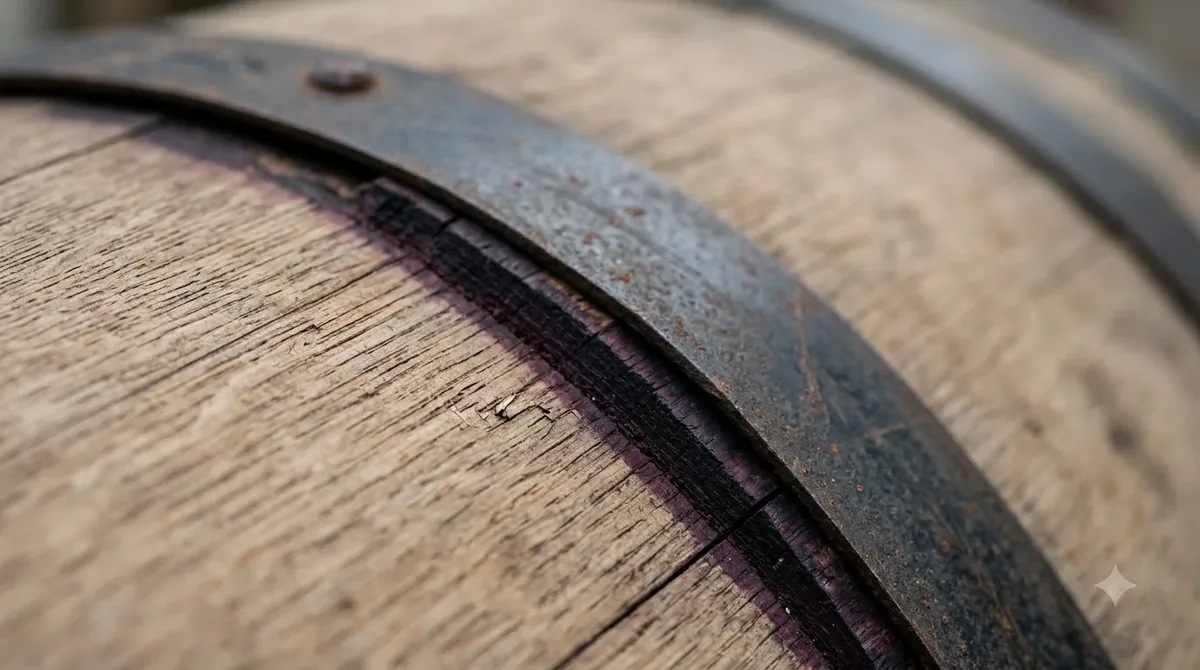
Oak is central to the story. A retailer page for the 2019 Napa bottling quotes winemaker Nate Weis describing experiments with American oak seasoning and toasting. According to that page, the 2019 barrels were seasoned for 24 months and toasted for 90 minutes, compared with 16 months and 60 minutes for the 2018 vintage. You can read the full description on the Millesima Napa Valley 2019 listing.
Napa Valley vs. Alexander Valley Cabernet
The main choice most buyers face is between the Napa Valley and Alexander Valley bottlings. Both carry the same house identity, but they are shaped by different sites and oak programs. Napa Valley is usually the fuller, more structured option in the range.
The Napa Valley wine draws on several vineyards, including Soda Canyon Ranch, which forms the backbone of the blend. According to the retailer listing, the winery ages the Napa wine with 80 percent new oak and 20 percent once-filled barrels. The same source notes that this share of new oak is higher than the Alexander Valley cuvee uses, which reflects the Napa fruit’s more powerful structure.
The table below summarizes the differences the sources support. Specific Alexander Valley blend details change with each release, so check the current label or the producer’s technical information for that bottle.
| Feature | Napa Valley bottling | Alexander Valley bottling |
|---|---|---|
| Typical character | Fuller, more structured, fruit-driven | Generally lighter in oak influence than the Napa wine |
| New oak share | 80 percent new oak in the 2019 release | Less new oak than the Napa cuvee, per the same retailer listing |
| Blend approach | Cabernet Sauvignon with Merlot and small amounts of other varieties | Check the label for the exact blend |
| Best fit for | Buyers who want a bigger, age-worthy red | Buyers who prefer a slightly more restrained style |
If you want the classic Silver Oak profile with plenty of structure, the Napa bottling is the usual first choice. If you prefer a red that feels a bit more approachable on release, consider the Alexander Valley wine and read its label carefully. Either way, the house style of American oak stays consistent across the range.
Tasting Notes and Style of Silver Oak Reds
Silver Oak reds generally show dark fruit, oak spice and a firm, fine-grained tannin structure. The exact profile depends on the vintage and the appellation. Winery and retailer notes for the 2019 Napa bottling describe cherry, black raspberry, tobacco, cedarwood and dried sage on the nose.
On the palate, the 2019 Napa wine is described as medium- to full-bodied with a linear structure. Reviewers at the retailer note black fruit, exotic oak spices and a lengthy finish. Common traits across the range include:
- Dark fruit, such as black cherry, blackberry and cassis
- Oak notes, including vanilla, cocoa and baking spice
- Savory accents, such as cedar, tobacco and earth
- Firm tannins that soften with time in the bottle
Vintage matters as well. Silver Oak’s own tasting notes for older Napa Valley bottlings describe some wines as closed or shut down at the time of tasting, while others are called approachable. The winery’s Napa Valley tasting notes page also says the 2019 bottling will keep improving through 2047 with proper cellaring. For the full range of vintage notes, you can read the Silver Oak Napa Valley tasting notes.
What Drives the Cost of Silver Oak Red Wine
Silver Oak wines sit at the premium end of the California Cabernet market, and several factors explain why. The biggest drivers are the long aging process, the cost of American oak, the estate’s vineyard holdings and the appellation printed on the label. Check current retailer listings for today’s price rather than relying on older figures.
Aging is a major factor. According to the winery’s Napa Valley page, the wines are aged for five years before release. The 2019 Napa wine spent two years in barrel and then two more years in bottle before the retailer listing says it was released. Those years add carrying cost, and the winery’s decision to release only mature wines is part of its brand identity.
Oak adds cost too. The winery makes its own barrels through its cooperage, and it uses a high share of new oak for Napa wines. Vineyard sourcing also matters, since the estate farms more than 400 acres and buys fruit from partner vineyards. Vintage quality plays a role, so two bottles from different years can differ in price.
If you want to compare Silver Oak with other producers, a useful test is to look at style and aging rather than only the sticker. The Wine Brands section covers how different producers approach their lineups. For a contrasting everyday style, the guide to 14 hands hot to trot wine shows a different approach to the same red wine category.
Food Pairing, Serving, and Storing Silver Oak
Silver Oak reds are built for rich food, and grilled meats are the most natural match. The retailer listing for the 2019 Napa bottling suggests grilled meats, especially beef steak, along with braised ribs, aged firm cheeses and mushroom-based dishes. Red meat and game, such as venison, also work well with the style.
For serving, the same retailer recommends decanting the 2019 Napa wine for about one hour to aerate it and open its aromas. Older bottles may throw sediment, so decanting can help there too, and the winery’s notes mention light sediment in some vintages. Serve the wine at a cool cellar-like temperature rather than warm, and check the producer’s current guidance for the bottle you have.
- Stand the bottle upright for a day or two before opening if it has been lying down, so sediment settles.
- Open the bottle and pour it slowly into a clean decanter, leaving any sediment behind in the bottle.
- Let the wine breathe for about an hour, then taste it before serving.
- Pour moderate portions, since these are full-bodied wines that are best enjoyed slowly with food.
For storage, keep bottles in a cool, dark place with steady temperature and low vibration. The retailer listing says the 2019 Napa Valley bottling should keep evolving until around 2038, and possibly longer depending on storage. Drink responsibly, and remember that a bottle at this strength is best shared with a meal rather than consumed on its own.
Frequently Asked Questions
Is Silver Oak red wine always Cabernet Sauvignon?
Most Silver Oak reds are built on Cabernet Sauvignon, which is the estate’s focus. The Napa Valley 2019 blend, for example, is about three-quarters Cabernet Sauvignon with Merlot and smaller shares of other varieties. Always read the label to confirm the exact blend of the vintage you are buying.
What is the main difference between Napa and Alexander Valley Silver Oak?
The Napa Valley wine is generally the fuller, more structured bottling and uses a higher share of new oak. The Alexander Valley wine is typically described as a more restrained style. Check the current label or producer information for the specific blend and oak details.
How long can I cellar a Silver Oak red?
Winery and retailer notes suggest many recent Napa bottlings can keep developing for a decade or more with proper storage. The winery’s Napa Valley tasting notes say the 2019 wine will continue to improve through 2047 with proper cellaring. Storage conditions matter, so keep bottles cool, dark and steady.
Should I decant Silver Oak red wine before serving?
Decanting is recommended for many Silver Oak reds. A retailer listing for the 2019 Napa bottling suggests decanting for about one hour. Older bottles may have light sediment, so decanting also keeps the sediment out of your glass.
Silver Oak red wine rewards buyers who understand the difference between its Napa and Alexander Valley bottlings. Start by choosing the appellation that fits your taste, then plan for decanting and food. For more context on producers and styles, explore the Wine Brands section and enjoy responsibly.
More in Wine Brands
 Underwood Wine Price: Compare Bottles, Cans, and Pack SizesUpdated Nov 21, 2026
 Zenato Wine Price: Compare Styles and Choose the Right BottleUpdated Nov 21, 2026
 Zuccardi Wine Price: Compare Bottles and Find the Right RangeUpdated Nov 21, 2026
 Yellow Tail Moscato Review: Taste, Sweetness and Serving TipsUpdated Nov 21, 2026
 Wolf Blass Yellow Label Review: Choose Your Best StyleUpdated Nov 21, 2026
 Wolffer Estate Rose Review: Choose the Right Bottle for Your TableUpdated Nov 21, 2026