

We may earn a commission when you buy through links on this page, at no extra cost to you. Learn more.
Should sancerre be chilled? Yes, Sancerre should be chilled before serving, with most white bottles tasting best at approximately 45–50°F, depending on their style and structure. This temperature preserves the wine’s refreshing acidity while allowing its citrus, floral, herbal, and mineral aromas to develop. Avoid serving it straight from an extremely cold refrigerator because excessive chilling can conceal some of the qualities that make Loire Valley Sauvignon Blanc distinctive.
Sancerre is one of France’s best-known expressions of Sauvignon Blanc, produced in the eastern Loire Valley. Its crisp acidity, dry character, and distinctive aromas make it a natural choice for seafood, goat cheese, and lighter meals. Serving temperature matters because a few degrees can change how clearly its aromas and flavors appear. The right approach is to chill the bottle thoroughly, allow it to warm slightly if necessary, and maintain a cool temperature throughout the meal.
The Ideal Temperature for Serving White Sancerre
White Sancerre generally tastes best between 45 and 50°F, although fuller-bodied examples can benefit from temperatures closer to 50–54°F. This range keeps the wine refreshing without suppressing its characteristic Sauvignon Blanc aromas. A slightly warmer serving temperature also allows its texture and mineral character to become more noticeable.
There is some variation in professional serving recommendations. Domaine Sautereau recommends 10–12°C, equivalent to approximately 50–54°F, for its Sancerre White. Franck Millet recommends 12°C, approximately 54°F, for its Sancerre White AOP. These recommendations are useful reminders that Sancerre does not have one mandatory serving temperature. Producer preferences, vineyard characteristics, and the wine’s structure all influence the ideal temperature.
For an everyday bottle of young, unoaked Sancerre, start around 47–48°F. This provides enough chill to emphasize the wine’s crisp citrus character without making it seem excessively sharp. If the bottle has a fuller texture, noticeable lees aging, or greater concentration, try serving it around 50–52°F.
Temperature also changes as wine sits in a glass. A chilled pour will gradually warm in a dining room, particularly during a long meal. Starting at approximately 47°F gives the wine room to develop rather than becoming too warm immediately.
Use the following temperatures as practical starting points:
| Wine style | Serving temperature | Approximate Celsius |
|---|---|---|
| Young, light white Sancerre | 45–48°F | 7–9°C |
| Typical white Sancerre | 47–50°F | 8–10°C |
| Fuller-bodied white Sancerre | 50–54°F | 10–12°C |
| Dry Sancerre rosé | 45–50°F | 7–10°C |
| Red Sancerre | 55–60°F | 13–16°C |
The table provides practical ranges rather than strict rules. For most white Sancerre bottles, 47–50°F is a dependable target. You can adjust a few degrees according to the wine’s weight and how expressive you want its aromas to be.
Why Chilling Changes Sancerre’s Flavor and Aroma
Chilling Sancerre helps preserve its refreshing character, but excessive cold can hide the very aromas that make it appealing. The goal is to balance crisp acidity with clear fruit, herbal, and mineral expression. A temperature around 47–50°F generally offers a useful middle ground.
Sancerre is predominantly made from Sauvignon Blanc, a grape naturally associated with high acidity. Its flavors can include lemon, grapefruit, green apple, gooseberry, fresh herbs, and occasionally tropical fruit. Depending on the vineyard and winemaking approach, the wine may also suggest flint, wet stone, or subtle floral notes.
When white Sancerre is served too cold, aromatic compounds become less expressive. The wine can seem relatively neutral, with acidity and a cold sensation taking center stage. A bottle poured directly from a refrigerator set near 35–38°F may initially taste much less interesting than it will after several minutes in the glass.
At the opposite extreme, excessive warmth can make the wine seem less refreshing. Alcohol becomes more noticeable, the crisp impression softens, and the wine may lose some of the tension that makes Sauvignon Blanc such a good companion for seafood. This is particularly apparent with lighter Sancerre styles, which depend on freshness rather than heavy oak or rich texture.
Temperature also affects how individual flavors are perceived. A very cold glass may emphasize sharp citrus sensations while concealing delicate floral and herbal details. As the wine warms slightly, grapefruit, white peach, fresh grass, and mineral characteristics become easier to distinguish.
These differences explain why serving temperature should be treated as part of wine preparation rather than an afterthought. A bottle that seems ordinary when poured too cold may become considerably more expressive after five or ten minutes at the table.
How Sancerre’s Terroir Influences Serving Temperature
Sancerre’s vineyard soils help explain why some bottles benefit from slightly different serving temperatures. The appellation’s three principal soil types, Terres Blanches, Caillottes, and Silex, contribute different textures and aromatic characteristics. These differences make a flexible serving approach more useful than insisting that every bottle must be served at exactly the same temperature.
Terres Blanches consists primarily of clay and limestone. According to Wine Enthusiast, wines from these soils tend to be more powerful and full-bodied than other Sancerre expressions. Their additional weight can make a temperature around 50–54°F particularly appealing because it allows the wine’s texture and layered aromas to become more apparent.
Caillottes is associated with limestone-rich, stony soils. Wines from these vineyards often have an elegant balance and a relatively delicate presentation. A temperature around 45–49°F can preserve their refreshing character while allowing citrus and floral notes to remain recognizable.
Silex refers to flint-rich soils, which are associated with distinctive gunflint aromas and wines that can have considerable aging potential. These wines can show a pronounced mineral character alongside citrus and herbal notes. Starting around 48–51°F gives their aromas room to emerge without sacrificing freshness.
These are useful guidelines, not fixed rules based on soil alone. Producer decisions, grape maturity, fermentation, aging, and vintage conditions also influence the finished wine. A Silex wine aged on lees, for example, may have a fuller mouthfeel than a straightforward stainless-steel bottling from a different vineyard.
Winemaking can be just as important as vineyard location. Many Sancerre producers use stainless steel or older barrels to preserve Sauvignon Blanc’s varietal character. Some also age wines on fine lees, which can contribute additional texture and complexity.
Domaine Sautereau provides one example of how vineyard and cellar choices work together. Its Sancerre White combines fruit from vineyards in Crézancy-en-Sancerre, Bué, and Sancerre, with Caillottes, Terres Blanches, and marl soils represented. The producer describes grapefruit, mango, candied lemon, and floral notes, and ages the wine on fine lees in stainless steel vats to balance tension and texture.
Franck Millet’s Sancerre White offers another example. Made from 100% Sauvignon Blanc on limestone-clay soils, it undergoes controlled fermentation in stainless steel and receives stirring on lees for three to five weeks. The producer recommends serving it at 12°C, approximately 54°F, illustrating why some Sancerre wines can be enjoyable at the warmer end of the recommended range.
How Long to Chill Sancerre Before Opening
A typical bottle of white Sancerre needs approximately two to three hours in a standard refrigerator to reach a suitable serving temperature from room temperature. If the wine is already cool, it may need considerably less time. The important point is to chill it sufficiently without leaving it unnecessarily cold for hours.
For a bottle stored around 68–72°F, place it upright or horizontally in the refrigerator for approximately two to three hours. Check its temperature before opening if you have a wine thermometer. If it is around 47–50°F, it is ready to pour.
If you are preparing dinner at short notice, an ice-water bath is a faster option. Fill a wine bucket with cold water and ice, then place the bottle inside. The water should surround most of the bottle rather than leaving only its bottom submerged.
Allow approximately 20–30 minutes in an ice-water bath as a starting point, checking periodically. Cooling time depends on the initial bottle temperature, the amount of ice, the water temperature, and the shape of the container. Water transfers heat more efficiently than cold air, which is why this method works faster than relying on the refrigerator alone.
A freezer can cool a bottle quickly, but it requires attention. Set a timer for approximately 15–20 minutes and check the bottle rather than leaving it unattended. Forgetting wine in the freezer can lead to frozen liquid, an expanding bottle, and possible damage.
A practical chilling schedule
Use this schedule when planning a meal or gathering:
- Three hours before serving: Place a room-temperature bottle in the refrigerator.
- Thirty minutes before serving: Check the bottle’s temperature and adjust if necessary.
- Immediately before opening: Prepare a wine bucket if the dining room is warm.
- During the meal: Keep the bottle cool between pours.
- After serving: Return any remaining wine to the refrigerator with its closure replaced.
Tip: If your Sancerre comes straight from a refrigerator set around 37°F, leave the opened bottle on the counter for approximately 10–15 minutes before serving. The wine can warm slightly and reveal more of its citrus, floral, and mineral aromas.
For comparison, other wines have different chilling requirements. The preparation for should sparkling wine be chilled involves maintaining a colder serving temperature to preserve its refreshing bubbles and structure. Sweet dessert wines also benefit from appropriate chilling, although their ideal range can differ from that of dry white wines.
Food Pairings for Properly Chilled Sancerre
Chilled Sancerre is especially effective with seafood, fresh goat cheese, and dishes featuring herbs or citrus. Its high acidity provides freshness alongside rich or salty ingredients, while its aromatic character complements delicate foods. The best pairings generally avoid overpowering the wine with excessive sweetness, heavy sauces, or strong chili heat.
Oysters are a classic match. Their salty, delicate flavor works naturally with Sancerre’s crisp acidity and citrus character. Serve oysters chilled with a small amount of lemon rather than a heavily flavored sauce that could overwhelm the wine.
Other shellfish also work well. Shrimp, scallops, crab, and simply prepared lobster provide enough natural sweetness and texture to complement the wine. A squeeze of lemon, fresh parsley, or a light herb dressing can reinforce its refreshing qualities.
Fish is another reliable choice. Grilled halibut, poached cod, and pan-seared sole pair particularly well when prepared with restrained seasoning. A lemon-butter sauce can work because the wine’s acidity balances the richness, although very heavy cream sauces may make a lighter Sancerre seem less substantial.
Fresh goat cheese is one of the most recognizable regional pairings. Crottin de Chavignol, produced in the Loire Valley, is a particularly suitable partner. The cheese’s tangy character and creamy texture work with the wine’s acidity, creating a balanced combination.
Vegetables require a little more consideration. Asparagus and artichokes can be difficult to match with some wines, but Sauvignon Blanc’s herbal character makes it a useful choice. Prepare asparagus with olive oil, lemon, and fresh herbs, or serve artichokes with a simple vinaigrette.
Pairing ideas by dish
- Oysters: Choose a crisp, citrus-driven Sancerre around 46–48°F.
- Grilled shrimp: Try a young Sancerre around 47–50°F with lemon and parsley.
- Goat cheese: Serve a mineral-driven bottle around 48–50°F.
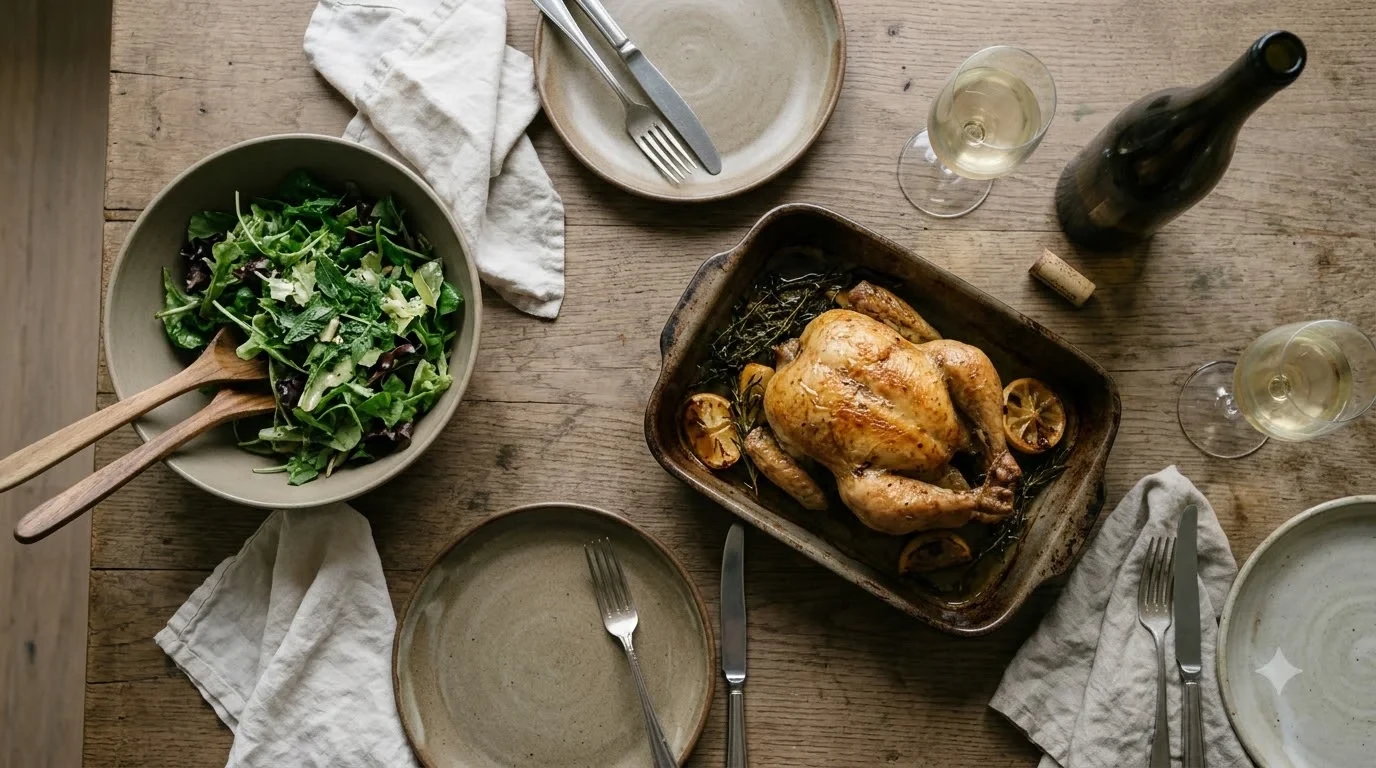
- Roasted chicken: Choose a fuller-bodied Sancerre around 50–52°F.
- Asparagus: Pair with an aromatic, cool-serving bottle around 46–49°F.
- Seared scallops: Serve with a slightly fuller white Sancerre around 49–52°F.
Temperature matters during the meal, too. Very hot dishes can make chilled wine warm more quickly, so keep the bottle in a cooler or wine bucket between pours. For a different type of gathering, the question of should sangria be chilled involves additional considerations because fruit, sweetness, and serving style influence the finished drink.
For a broader look at how grape varieties, wine styles, and food choices affect serving decisions, explore Wine by Type.
For further detail on the regional style, Wine Enthusiast’s Sancerre overview explains the appellation’s three principal soil types, its Sauvignon Blanc character, and its traditional food pairings.
Storing and Serving Sancerre After Opening
Proper storage helps preserve Sancerre’s fresh fruit and acidity after the bottle has been opened. Most still white Sancerre should be kept in the refrigerator with its closure replaced and consumed within approximately three to five days. The wine may gradually lose some aromatic freshness as it comes into contact with oxygen.
After pouring, replace the original cork or use a suitable wine stopper. Return the bottle to the refrigerator rather than leaving it on a kitchen counter overnight. A consistently cool environment slows oxidation and helps preserve the wine’s citrus, green fruit, and herbal characteristics.
Before serving another glass, allow the wine to warm slightly if necessary. A bottle that has spent the night in a refrigerator around 37°F may be colder than the ideal serving range. Give it approximately 10–15 minutes outside the refrigerator before pouring, then assess its temperature.
Air exposure is another consideration. Most young Sancerre does not require formal decanting. Its freshness and aromatic precision are generally best preserved through ordinary pouring and moderate exposure to air in the glass.
There are exceptions. Some fuller-bodied or mature bottles may benefit from a little time in the glass to reveal additional aromas. Rather than automatically decanting every bottle for 30–60 minutes, pour a small amount first and see whether the wine opens naturally.
Storage before opening matters as well. Keep unopened bottles in a cool, dark location away from direct sunlight, heat sources, and large temperature changes. A storage temperature near 55°F is a useful general target for wine. Bottles with natural corks are traditionally stored on their sides to help prevent the cork from drying out.
For an opened bottle, the refrigerator is generally the best short-term storage location even if the wine was originally served at a warmer temperature. Cooling the remaining wine is more important than maintaining its exact drinking temperature during storage.
Do not assume that a bottle has spoiled simply because its aroma has changed slightly after opening. However, pronounced bruised-apple, vinegar-like, or stale aromas can indicate oxidation or deterioration. If the wine has lost its freshness, it is unlikely to offer the same experience as it did immediately after opening.
Frequently Asked Questions
Can Sancerre be served without chilling?
It can be served warmer than refrigerator temperature, but most white Sancerre is more enjoyable when moderately chilled. At approximately 65–70°F, its alcohol may become more noticeable and its refreshing acidity less prominent. A short period in the refrigerator can restore its balance.
Is Sancerre always a Sauvignon Blanc wine?
No. White Sancerre is made from Sauvignon Blanc, but the appellation also produces red and rosé wines from Pinot Noir. The color of the wine therefore matters when choosing a serving temperature. Red Sancerre generally benefits from a cooler red-wine temperature rather than the colder range used for white Sancerre.
Should an expensive bottle of Sancerre be served differently?
Some more concentrated or mature Sancerre wines benefit from serving temperatures closer to 50–54°F. Their additional texture and aromatic complexity can become more apparent with slightly less chilling. Price alone does not determine the correct temperature, so consider the producer’s style, vintage, and winemaking choices.
Can Sancerre be used in cooking?
Yes. Dry Sancerre can be used in dishes such as white wine sauces, seafood preparations, and risotto. Its acidity works particularly well with fish and shellfish recipes. A modest amount can provide freshness without adding the sweetness associated with some cooking wines.
Does Sancerre have a screw cap or natural cork?
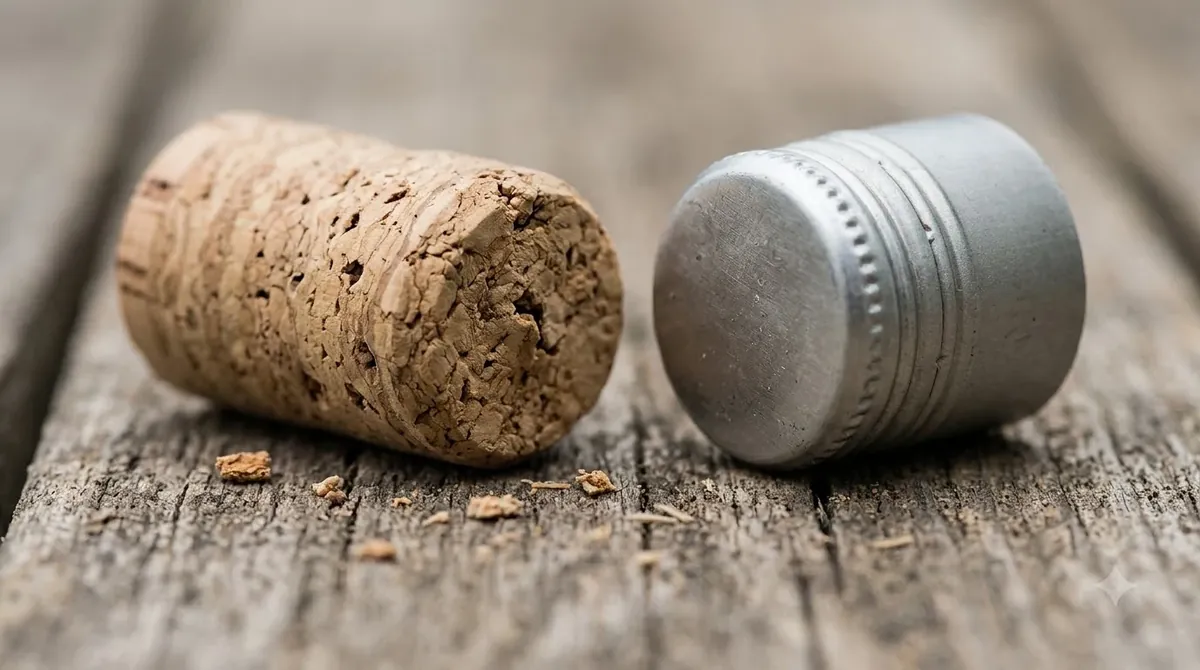
Sancerre is available with different closure types, including natural cork and screw caps. The closure depends on the individual producer and bottling rather than being determined by the appellation. Both can preserve a well-made wine when the bottle is stored appropriately.
White Sancerre should be chilled, with approximately 47–50°F providing an excellent starting point for most bottles. Allow fuller-bodied or mature examples to warm slightly, and avoid serving the wine so cold that its citrus, herbal, and mineral aromas disappear. With the right temperature and a suitable food pairing, Sancerre can be a refreshing and expressive choice for everything from a casual seafood lunch to a special dinner.
More in Wine Types & Grapes
 What Does Mourvèdre Taste Like? Flavor Profile, Regions, and PairingsUpdated Nov 20, 2026
 What Does Marsanne Taste Like? Flavors, Styles, and Food PairingsUpdated Nov 20, 2026
 What Does Malvasia Taste Like? Styles, Flavors, and Food PairingsUpdated Nov 20, 2026
 What Does Grenache Blanc Taste Like? Flavor Profile, Styles, and PairingsUpdated Nov 20, 2026
 What Does Garnacha Taste Like? Key Flavors, Styles, and Pairing TipsUpdated Nov 20, 2026
 What Does Fruit Wine Taste Like? A Complete Flavor and Style BreakdownUpdated Nov 20, 2026