

We may earn a commission when you buy through links on this page, at no extra cost to you. Learn more.
Shenandoah Valley wine country is a scenic wine region in western Virginia, known for its limestone-rich soils, mountain-protected vineyards, higher elevations, and distinctive Cabernet Franc, Chardonnay, Riesling, and Pinot Noir. Centered on the Shenandoah Valley AVA, the region stretches from the Maryland state line toward southwestern Virginia and includes parts of West Virginia. Its relatively dry growing conditions and mountain-influenced climate help produce wines with freshness, structure, and regional character. Visitors can combine winery tastings with historic towns, mountain scenery, caverns, and outdoor recreation.
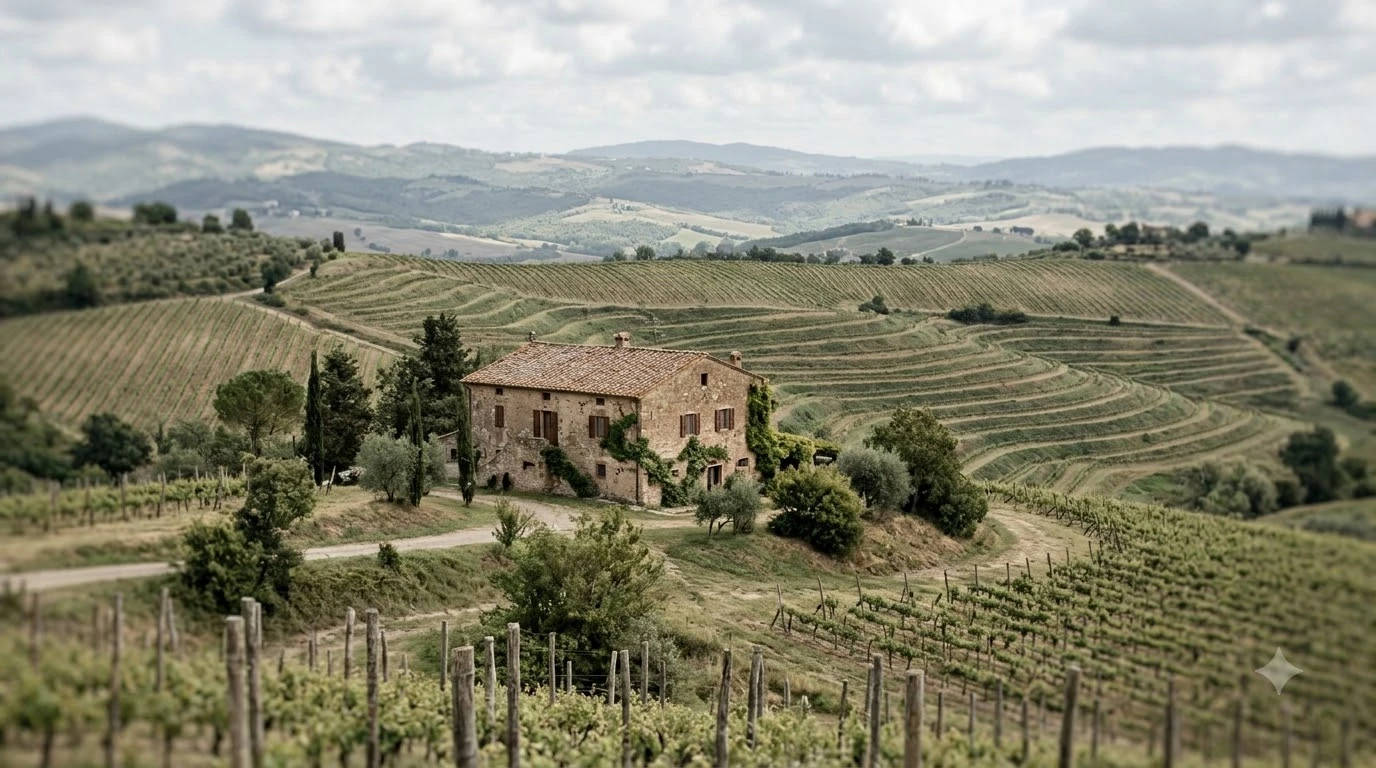
Virginia’s Shenandoah Valley offers a different experience from the state’s better-known wine destinations around Charlottesville. Vineyards occupy a landscape of rolling farmland, rocky hillsides, and mountain foothills, with wineries spread between communities such as Front Royal, Mount Jackson, Harrisonburg, and Staunton. The result is a wine destination suited to travelers who want to explore several wineries while enjoying the history and natural scenery of the Appalachian region.
Where Shenandoah Valley Wine Country Is Located
Shenandoah Valley wine country occupies the western side of Virginia’s Great Appalachian Valley, between the Blue Ridge Mountains and the Appalachian and Allegheny Plateaus. The official Shenandoah Valley AVA extends across parts of Virginia and West Virginia, making it a larger geographical wine region than its name might initially suggest.
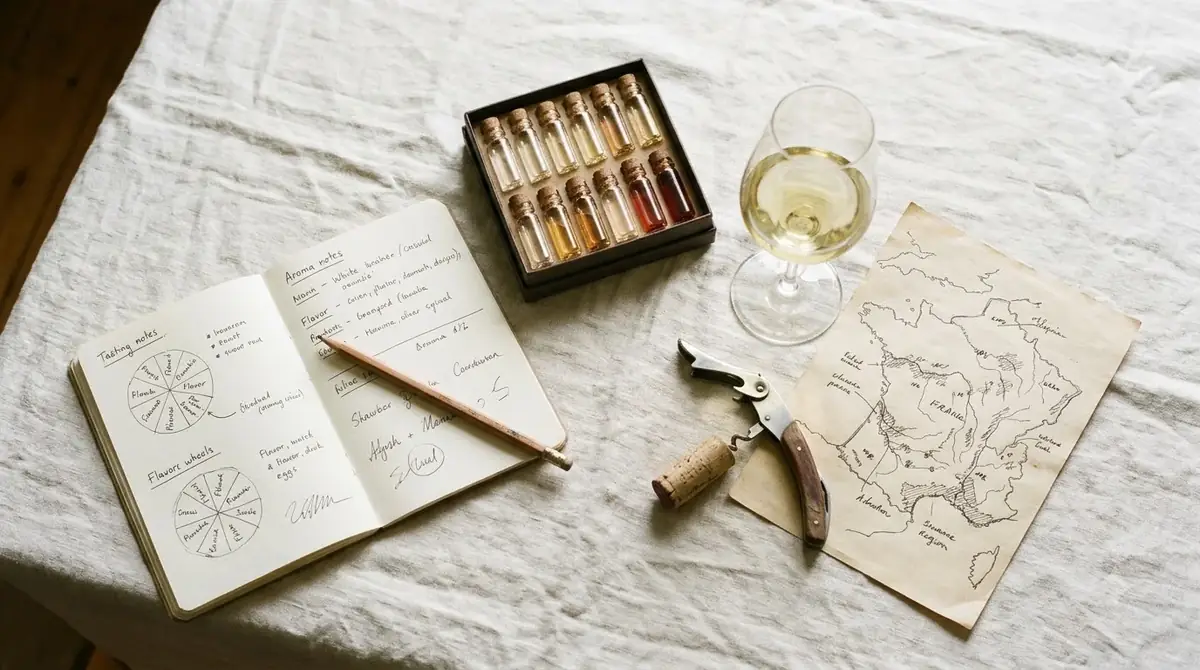
Virginia’s designated wine region includes ten counties: Frederick, Clarke, Warren, Shenandoah, Page, Rockingham, Augusta, Rockbridge, Botetourt, and Amherst. The AVA also includes Berkeley and Jefferson counties in West Virginia. Its boundaries follow a distinctive mountain-and-valley landscape that helps separate its growing conditions from those of Virginia’s eastern wine regions. The Virginia Wine regional profile provides the official county boundaries and geographical description.
The region stretches from north of Winchester toward Roanoke, according to Virginia Wine. That distance means visitors should think of it as a collection of winery clusters rather than a single compact destination. A tasting itinerary based around Front Royal will look quite different from one centered on Harrisonburg or Staunton.
The distinction between the Virginia AVA and California’s Shenandoah Valley is also important. Amador County has its own California Shenandoah Valley AVA, which shares the name but has a different location, climate, and wine-growing identity. Travelers researching wineries should make sure they are looking at Virginia destinations if they want to explore the Appalachian valley.
The region’s geography also provides plenty of non-wine attractions. Luray Caverns, Natural Bridge, and Staunton’s Blackfriars Playhouse are among the destinations identified by Virginia Wine. Historic communities, scenic roads, and mountain views make it possible to plan a trip around both wine tasting and sightseeing.
Climate, Elevation, and Limestone Soils
Shenandoah Valley vineyards benefit from a relatively warm, dry growing season, mountain protection, and elevations that help preserve freshness in ripe grapes. The combination of limestone-rich soils and cooler mountain conditions gives the region a distinctive growing environment within Virginia.
The Blue Ridge Mountains form the eastern boundary of the AVA, while the Appalachian and Allegheny Plateaus mark its western side. These geographical features influence local weather patterns and help shelter the valley from some of the conditions affecting surrounding areas. The result is a growing environment that differs from Virginia’s more humid eastern wine-growing areas.
Lower rainfall relative to some other Virginia wine-growing areas is one of the region’s notable advantages. Excessive moisture can create challenges for grape growers, particularly in humid climates where disease pressure and uneven ripening require careful vineyard management. The valley’s comparatively dry conditions offer opportunities to grow a range of varieties while managing those risks.
Elevation is another important part of the picture. Higher vineyard sites experience cooler conditions than nearby lowlands, and temperatures can fall considerably after sunset. This day-to-night temperature difference can help grapes retain acidity while developing ripe fruit flavors. Glen Manor Vineyards, for example, has vineyard elevations reaching approximately 1,300 feet, while Chester Gap Cellars occupies sites between approximately 1,000 and 1,300 feet.
Limestone is a defining soil characteristic. The valley’s rocky terrain and limestone-rich ground influence drainage, water availability, and vineyard site selection. Wine Enthusiast identifies the region’s limestone soils as an important contributor to minerality and refreshing acidity. These characteristics are particularly interesting when tasting the region’s white wines.
These characteristics do not mean that every vineyard produces identical wines. Individual sites differ in elevation, soil depth, exposure, drainage, and grape variety. A producer working with a sheltered hillside may face different conditions from a vineyard on an exposed slope. Understanding those differences helps explain why tasting wines from several estates can be more interesting than choosing just one winery.
Tip: When comparing Shenandoah Valley wines, pay attention to vineyard elevation, grape variety, and acidity. These details can tell you more about a bottle’s character than the regional name alone.
Grape Varieties and Signature Wine Styles
Cabernet Franc, Riesling, Chardonnay, and Pinot Noir are four useful starting points for exploring Shenandoah Valley wines. The region’s growing conditions support both red and white varieties, allowing wineries to offer different styles instead of concentrating on one flagship grape.
Cabernet Franc is particularly important in Virginia wine production. It is an early-ripening red variety, a useful characteristic in a region where the growing season and autumn weather can influence whether grapes reach full maturity. Shenandoah Valley examples can offer red-fruit flavors, herbal notes, spice, and moderate tannin. Some are made as single-variety wines, while others contribute structure and aromatic complexity to blends.
Riesling is another variety worth seeking out. Its naturally high acidity makes it suitable for producing refreshing wines, ranging from dry expressions to bottles with noticeable residual sweetness. Expect citrus, green apple, floral, and stone-fruit characteristics, depending on ripeness and winemaking decisions. Its acidity also makes Riesling a versatile partner for food.
Chardonnay provides a different perspective on the valley. Depending on the producer, it may be fermented or aged in stainless steel, oak, or a combination of vessels. Unoaked examples can emphasize apple, pear, citrus, and freshness. Oak-aged bottlings may show more rounded textures, vanilla, toast, and richer fruit.
Pinot Noir is worth exploring for visitors who prefer lighter-bodied reds. The variety naturally combines relatively low-to-medium tannin with high acidity, making it a useful option for pairing with poultry, mushrooms, salmon, and other dishes that can be overwhelmed by more tannic reds.
Other varieties and blends add breadth to the region’s wine selection. Cabernet Sauvignon, Merlot, Petit Verdot, and hybrid varieties such as Traminette and Vidal Blanc are part of the broader Virginia wine picture. Some wineries also experiment with sparkling wines, rosé, and dessert styles.
| Grape variety | Typical wine character | What to look for |
|---|---|---|
| Cabernet Franc | Medium-bodied, moderate tannin | Red fruit, herbs, pepper, fresh acidity |
| Riesling | Light to medium-bodied, high acidity | Citrus, apple, floral notes, possible sweetness |
| Chardonnay | Medium-bodied, medium acidity | Apple, pear, citrus, oak or mineral notes |
| Pinot Noir | Light to medium-bodied, low-to-medium tannin | Cherry, raspberry, earth, bright acidity |
| Merlot | Medium-bodied, softer tannin | Plum, cherry, gentle spice |
| Petit Verdot | Full-bodied, high tannin | Dark fruit, color, firm structure |
For visitors who enjoy comparing wine styles, tasting the same grape from different producers is especially informative. Try a Cabernet Franc from one estate beside another, or compare a crisp stainless-steel Chardonnay with a barrel-aged version. Differences in site conditions and cellar decisions become easier to recognize when the grape variety stays constant.
Wineries and Areas to Explore
The Shenandoah Valley is best explored through several winery clusters rather than one fixed route. Front Royal, Shenandoah County, the Harrisonburg area, and Augusta County provide useful starting points, with individual estates offering different combinations of vineyard scenery, tasting experiences, and food.
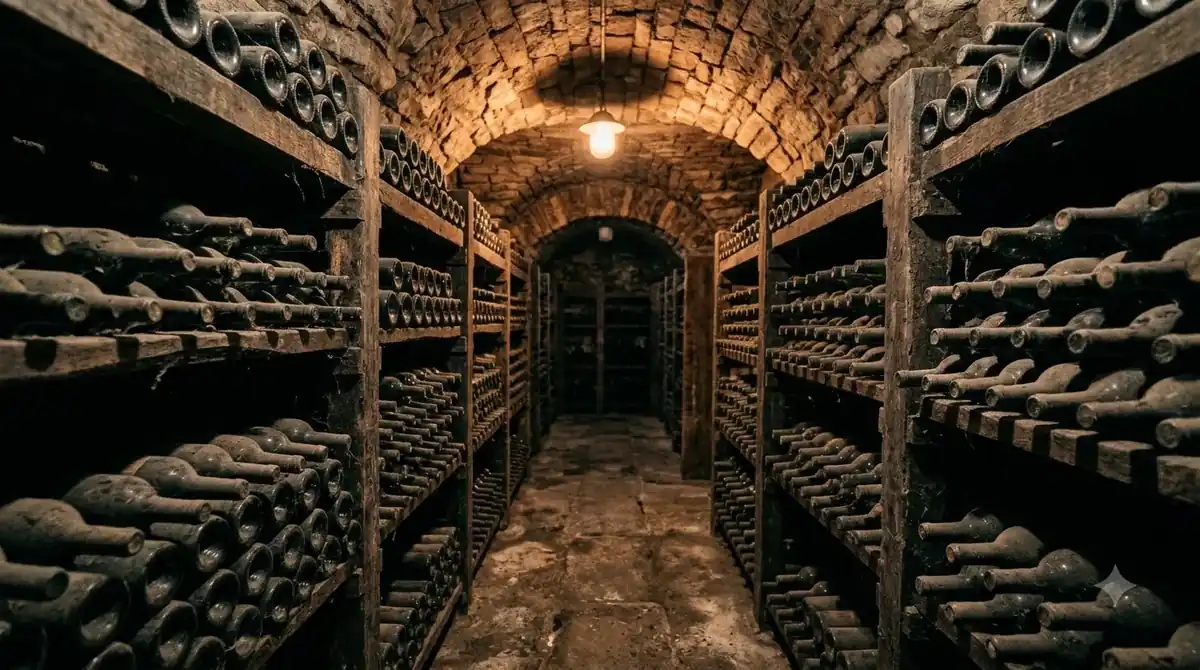
Front Royal and Warren County are convenient starting points for visitors approaching from northern Virginia or the Washington metropolitan area. Glen Manor Vineyards is located on the western flank of the Blue Ridge, with vineyard elevations reaching approximately 1,300 feet. Chester Gap Cellars also occupies a high-elevation setting, with vineyards between approximately 1,000 and 1,300 feet. Both locations illustrate how elevation and mountain scenery contribute to the area’s wine-country identity.
Another destination in this area is Reitano Vineyards, which combines wine with dining, live music, events, and lodging. This kind of full-day destination can suit visitors who prefer to spend more time at one property rather than moving between several tasting rooms.
Shenandoah County offers another concentration of wineries. Cave Ridge Vineyard is located near Mount Jackson, while Wolf Gap Vineyard and Winery is in Edinburg. Shenandoah Vineyards, located in Edinburg, was founded in 1976 and identifies itself as Virginia’s oldest winery. These destinations provide a good opportunity to compare different producers within the northern and central portions of the valley.
The Harrisonburg and Mount Crawford area is another practical base. CrossKeys Vineyards is located at 6011 East Timber Ridge Road in Mount Crawford, approximately 15 minutes from Harrisonburg. Wine Enthusiast describes the family-owned property as a 125-acre estate featuring a Tuscan-style villa, a gourmet bistro, and views of the Blue Ridge Mountains. It is a particularly convenient option for visitors who want to combine a tasting with a meal. Its Shenandoah Valley winery and tasting-room listings also provide examples of other local destinations.
Other wineries in the broader central valley include Bluestone Vineyard in Bridgewater and Brix & Columns Vineyards near McGaheysville. Their locations make them useful additions to an itinerary that includes the Harrisonburg area.
Augusta County and the southern valley offer a different group of destinations. Barren Ridge Vineyards in Fishersville provides mountain views alongside red and white wines. Above Ground Winery in Middlebrook focuses on creative wines made with estate-grown fruit, including apples and raspberries. These destinations are worth considering for travelers continuing south toward Staunton and the surrounding countryside.
Before setting out, use the regional winery listings and trail information to identify which tasting rooms are open on your intended travel day. Some wineries offer seated tastings, food service, or special events that require advance arrangements.
Planning a Shenandoah Valley Winery Visit
A successful Shenandoah Valley wine trip depends on choosing a manageable geographic area, allowing enough time at each winery, and accounting for the distance between tasting destinations. The region’s considerable north-to-south extent makes it impractical to treat every winery as a quick stop on one afternoon.
For a first visit, choose one cluster and plan two or three winery stops. A Front Royal itinerary could include Glen Manor Vineyards and Chester Gap Cellars. A central valley itinerary could focus on CrossKeys Vineyards, Bluestone Vineyard, and Brix & Columns Vineyards. A southern itinerary could combine Barren Ridge with attractions around Staunton.
Travelers should also consider the type of tasting experience they want. Some properties emphasize vineyard scenery and traditional tasting-room service, while others offer restaurants, outdoor seating, live entertainment, or accommodations. A winery with a full restaurant may be a better lunch destination than a property focused on shorter tasting appointments.
Season influences the experience. Spring brings fresh vineyard growth and attractive green countryside, although weather can be changeable. Summer offers lush scenery and longer daylight hours, but outdoor tastings may be warm. Fall is especially popular because foliage colors transform the mountain landscape and the harvest season brings additional activity to wine country.
Winter can be quieter and may suit visitors who prefer a less crowded tasting experience. However, some outdoor facilities and seasonal events operate on reduced schedules. Confirming opening hours and reservations directly with each winery is sensible throughout the year.
Allow time for the valley’s other attractions. Luray Caverns provides an underground sightseeing experience, while Natural Bridge offers a dramatic natural landmark. Staunton’s Blackfriars Playhouse provides a cultural stop for visitors interested in theater. Combining one or two attractions with winery visits can create a more varied itinerary.
For a broader regional perspective, compare the valley with Yadkin Valley wine country in North Carolina, another Appalachian-influenced wine destination. Visitors interested in exploring different American wine climates can also read about Santa Ynez Valley wine country, where Pacific Ocean influences create a different range of growing conditions.
Transportation deserves attention, too. Wine tasting involves alcohol, and rural winery roads are not always served by convenient public transportation. Designate a sober driver or arrange suitable transportation before visiting multiple wineries. If traveling with a group, confirm whether each tasting room accepts larger parties and whether children or pets are permitted.
Food Pairings and Serving Shenandoah Valley Wines
Shenandoah Valley wines work well with the region’s traditional food culture, including roasted poultry, grilled meats, mountain trout, local cheeses, and seasonal vegetables. Matching the weight, acidity, sweetness, and tannin of a wine with the dish is more useful than following rigid regional pairing rules.
Cabernet Franc is a natural option for grilled pork, roasted chicken, herb-seasoned vegetables, and dishes with tomato-based sauces. Its moderate tannin and fresh acidity make it more adaptable than heavily tannic reds. A more structured Cabernet Sauvignon or Petit Verdot can suit beef, lamb, and richer preparations, especially when the food has enough fat and protein to soften the perception of tannin.
Pinot Noir is a flexible choice for roasted poultry, mushroom dishes, and salmon. Its lower tannin and higher acidity generally make it less aggressive with food than Cabernet Sauvignon or Syrah. Avoid pairing strongly tannic red wines with oily fish, which can create an unpleasant metallic impression.
Chardonnay can accompany roast chicken, creamy pasta, pork, and dishes featuring mushrooms. A leaner stainless-steel style is often better with lighter seafood preparations, while an oak-aged example can stand up to richer sauces and roasted foods.
Riesling is especially useful with dishes that include acidity, spice, or a touch of sweetness. Dry Riesling works with fresh cheeses, shellfish, and lightly seasoned poultry. Off-dry versions can balance dishes with noticeable chili heat, although wines with high alcohol or substantial tannin may make the heat feel stronger.
For a cheese board, consider contrasting textures and intensities. Fresh goat cheese can work with high-acid white wine, while aged hard cheeses can accompany more structured reds. Salt and fat soften the perception of tannin, making richer cheeses useful partners for firm Cabernet-based blends.
Serving temperature also matters. Light whites and rosé generally show well at 45–50°F, while fuller-bodied whites are better around 50–55°F. Light reds can be served at 55–60°F, and fuller reds at 60–65°F. These temperatures help preserve freshness without suppressing the wine’s aromas.
For storage, keep unopened bottles on their sides in a cool, dark location near 55°F. After opening, refrigerate still wines and aim to finish them within approximately three to five days. A 750-milliliter bottle provides about five standard 5-ounce servings, which is useful when planning a tasting at home with several food pairings.
Frequently Asked Questions
When was the Shenandoah Valley AVA established?
The Shenandoah Valley AVA was established in 1982. Its recognition made it one of the early designated wine-growing areas in Virginia. Its boundaries encompass parts of two states, reflecting the geography of the larger Appalachian valley.
Is the Shenandoah Valley AVA larger than Virginia’s other wine regions?
It is recognized as Virginia’s largest AVA. Its geographical extent crosses state boundaries and includes portions of West Virginia, unlike appellations located entirely within Virginia. The region’s north-to-south extent makes it especially important to plan visits by county or winery cluster.
Can Shenandoah Valley wines be labeled with the Virginia AVA designation?
Yes. Federal appellation rules require at least 85% of the grapes in an AVA-labeled wine to come from within the designated area. Virginia wine as a broader state designation has a separate requirement of at least 75% Virginia-grown grapes. These rules distinguish geographical appellation claims from general state-of-origin labeling.
Does the Shenandoah Valley produce sparkling wine?
Yes, sparkling wine is part of the broader range of styles produced by Virginia wineries, including producers in the Shenandoah Valley. Production methods and grape selections vary by estate. Traditional-method sparkling wines undergo their second fermentation in the bottle, while tank-method wines complete that fermentation in a pressurized tank.
What is the difference between an AVA and a winery trail?
An American Viticultural Area is a legally recognized geographical wine-growing designation with defined boundaries. A winery trail is a visitor-oriented grouping of participating wine destinations that helps travelers organize tastings and sightseeing. A trail can include wineries from different communities without changing their official appellation designations.
Shenandoah Valley wine country offers a distinctive combination of mountain scenery, limestone-influenced vineyards, and diverse Virginia wines. Start with Cabernet Franc, Riesling, Chardonnay, and Pinot Noir, then explore a manageable group of wineries around Front Royal, Harrisonburg, or Staunton. For more American wine destinations and regional comparisons, explore our Wine Regions resource.
More in Wine Regions
 Willcox Wine Trail: Discover Arizona’s High-Elevation Wine CountryUpdated Nov 20, 2026
 Yakima Valley Wine Region: Find the Best Styles to TryUpdated Nov 20, 2026
 Vosne Romanee Wine Tasting: Identify Aromas and Choose Better PairingsUpdated Nov 20, 2026
 Yakima Valley Wine Festival: Find the Best Seasonal Wine EventsUpdated Nov 20, 2026
 Wales Vineyards: Discover Cool-Climate Wines and Where to VisitUpdated Nov 20, 2026
 Yountville Wine Festival: Discover Napa Wines and Local FoodUpdated Nov 20, 2026