

We may earn a commission when you buy through links on this page, at no extra cost to you. Learn more.
Charlottesville vineyards sit mostly inside the Monticello AVA, a cluster of estates within a short drive of the city. Most of them belong to the Monticello Wine Trail, which includes more than 30 wineries, and they fall into a few loose groups: a southern cluster with the best-known historic estates, a northwest group, and a few estates farther west. Plan the day by area, and book ahead, because the most popular tasting rooms fill up quickly on weekends.
Charlottesville is one of the best-known wine destinations on the East Coast, and the vineyards around it are often the main reason people visit. This guide explains where those vineyards are, how they are grouped, and how to plan a day of tastings without spending the afternoon in traffic. For a broader look at the state, see our Fredericksburg vineyards guide, which covers another Virginia wine area.
Where the Charlottesville Vineyards Are
The vineyards are spread across the countryside around the city rather than gathered in one downtown district. That spacing is why a day trip works better when you pick one direction and stick to it. Most estates sit on rolling hills within about 30 miles of town, and driving between clusters can take longer than the tastings themselves.
Guides to the area often describe the vineyards as a loose ring around Charlottesville. Some are historic estates with long roots in local agriculture, while others are newer family operations built on small plots. The mix gives visitors everything from formal estate tastings to casual farm-style tasting rooms, and the best choice depends on whether you want a quiet afternoon or a lively stop with food and music.
The Monticello AVA and the Wine Trail
Charlottesville sits at the center of the Monticello American Viticultural Area, which is the legal name for the region’s wine appellation. The wineries that share this label are promoted together as the Monticello Wine Trail, so you will see the trail on maps, signs and most local guides. Being inside the AVA does not guarantee a certain style of wine, but it does tie the estates to a shared geography and a common regional identity.
Virginia has more than 300 wineries statewide, which makes the Charlottesville group one of the state’s most concentrated wine areas. Visitors who want a single list of stops can start with the trail map, then choose the estates that match their interests. Historic properties, large estates with full restaurants, and smaller tasting rooms all sit within the same network.
| Area | Examples named in regional guides | Good for |
|---|---|---|
| South of the city | Jefferson Vineyards, Blenheim Vineyards | Historic estates and a relaxed first stop |
| Northeast | Barboursville Vineyards | A large estate on an 18th-century property |
| Northwest | Glass House Winery, Stinson Vineyards, Grace Estate Winery, White Hall Vineyards | Tasting routes that pair well with a full day |
| West | Pollak Vineyards | Visitors who want a quieter drive |
The Southern Cluster: Historic Estates and Famous Names
The estates south of town are the ones most visitors learn about first. Jefferson Vineyards is one of the historic names in the area and sits about 15 minutes southeast of Charlottesville, making it an easy starting point for a tasting day. Blenheim Vineyards is another frequent stop, and it is known in part because it is owned by musician Dave Matthews, which draws fans of his music to the property.
Reviewers writing about the area often point to Viognier and Cabernet Franc as styles the region does well. Several guides single out Viognier at Blenheim and Cabernet Franc at Jefferson Vineyards, while Bordeaux-style blends are common across the trail. The southern wineries are a good place to taste the grape varieties that Virginia producers have developed over many years, so it is worth asking staff which bottles reflect local soil and climate.
Barboursville Vineyards sits farther northeast, roughly 16 miles from the city, on an estate dating back to the 18th century. A VinePair guide to the Monticello region describes it as among the largest and best-known wineries in the state, and it is a good choice for visitors who want a full estate with food on site. The same guide notes that Virginia Wineworks, a custom crush facility, sells boxed wine, which makes a practical option for a value bottle to take home.
Northwest and Western Vineyards
The northwest group offers a different experience. Glass House Winery, Stinson Vineyards, Grace Estate Winery and White Hall Vineyards are often grouped together in regional guides, so you can build a route that covers several in one afternoon. Distances between them are manageable, but the roads are rural, so plan a designated driver or a tour service if you plan to taste at more than two stops.
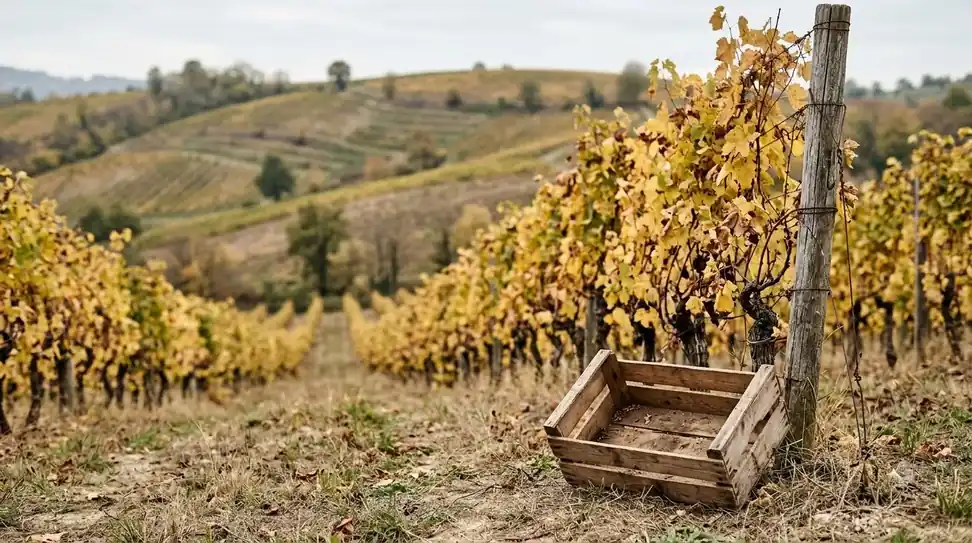
Farther west, Pollak Vineyards is about 25 minutes from the city and is often suggested for visitors who want a quieter stop. Western estates tend to have more open space and fewer crowds than the southern trail, which can suit a slower day with a picnic or a longer conversation with the staff.
How to Plan a Visit to the Charlottesville Vineyards
A good plan starts with one or two areas, not the whole map. Pick a direction, limit yourself to three or four tastings, and leave time for lunch. Most visitors find that a full day covers a single cluster well, while trying to combine the south and the west usually means long drives between tastings.
Reservations are strongly recommended, especially on weekends and for groups, because popular wineries fill quickly. Some estates require bookings in advance, and hours can change with the season, so check each winery’s website before you leave. Weekday visits usually offer more room to talk with staff about the wines.
Seasonal timing matters too. Spring and early fall bring the most pleasant weather for walking between outdoor tasting areas, while summer can be hot and busy on weekends. Some estates host concerts, dinners or polo matches during certain months, and those events are worth checking, but they also mean more crowds and longer waits. If you want a calm tasting, look for a weekday in a quieter month and keep the schedule loose enough to linger at one estate longer than planned.
Transportation is the other planning decision. Many visitors hire a driver or book a guided van for the day, which lets everyone taste without worrying about the rural roads. A group of four or more often finds this the simplest option, while a couple visiting for one afternoon may prefer to split the driving duties and stick to two or three estates.
Tip: Book the first tasting for late morning, and plan the afternoon around one estate with food on site. Designate a driver or book a tour, and drink water between tastings.
Frequently Asked Questions
How many vineyards are there near Charlottesville?
The Monticello Wine Trail includes more than 30 wineries, and a 2014 VinePair guide counted about 32 vineyards within a 30-mile radius of the city. Numbers change as new estates open, so check the current trail map before you plan.
Do I need reservations for Charlottesville wineries?
Many wineries recommend reservations, especially on weekends, holidays and for groups. Some estates require them in advance, and walk-in tastings are not always possible during busy months.
What is the best area for a first visit?
The southern estates near Jefferson Vineyards and Blenheim are a common first stop because they are close to town and easy to reach. Visitors who want more space and a slower pace often prefer the northwest or western estates.
Can I visit the Charlottesville vineyards without a car?
Public transit does not reach most estates, so a car, a tour service or a driver is the practical choice. Many visitors book a guided tour for the day, which takes care of transportation and avoids drinking and driving.
Charlottesville rewards visitors who plan a little. Choose one area, book the tastings you care about most, and leave room for lunch and the drive back. For the wider region and its wines, the Wine Regions section is a useful next step.
More in Wine Regions
 Willcox Wine Trail: Discover Arizona’s High-Elevation Wine CountryUpdated Nov 20, 2026
 Yakima Valley Wine Region: Find the Best Styles to TryUpdated Nov 20, 2026
 Vosne Romanee Wine Tasting: Identify Aromas and Choose Better PairingsUpdated Nov 20, 2026
 Yakima Valley Wine Festival: Find the Best Seasonal Wine EventsUpdated Nov 20, 2026
 Wales Vineyards: Discover Cool-Climate Wines and Where to VisitUpdated Nov 20, 2026
 Yountville Wine Festival: Discover Napa Wines and Local FoodUpdated Nov 20, 2026