

We may earn a commission when you buy through links on this page, at no extra cost to you. Learn more.
Seghesio wine comes from Seghesio Family Vineyards, a Sonoma County family winery whose vines date back to 1895 and whose range is built around Zinfandel. The tasting room sits in Healdsburg, at the gateway to Dry Creek Valley in northern Sonoma County, and the range also includes Italian varietal wines. This guide covers the winery’s history, what Zinfandel tastes like, how to serve Seghesio wine and which foods pair well with it.
Seghesio is a name that many American wine drinkers recognize from restaurant lists and wine shop shelves, but the story behind the label is what sets it apart. The family has farmed the same land for generations, and that continuity shows up in the way the winery talks about its vines and its wines. Understanding the history and the grape makes it easier to choose the right bottle.
The Seghesio Family and Its Vineyards
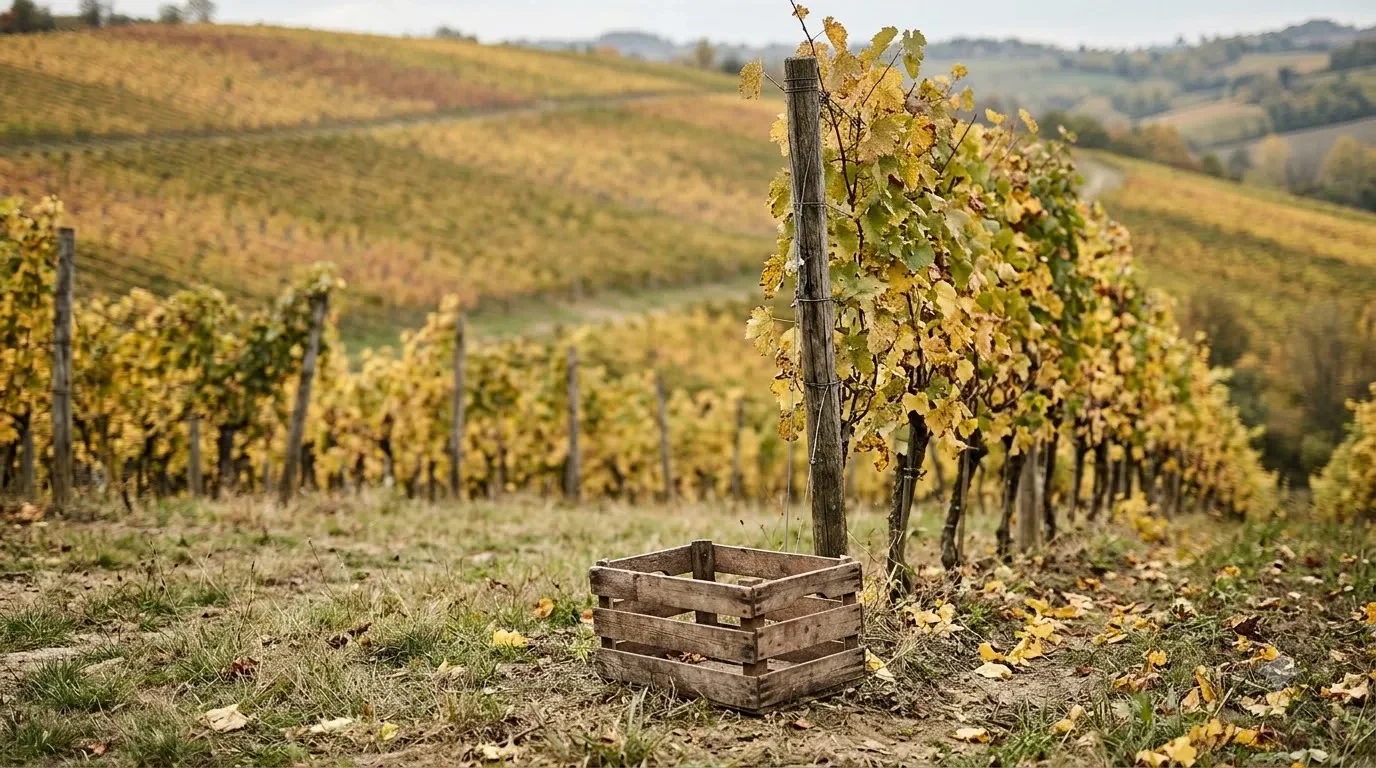
According to the winery’s website, the family planted its first vines in 1895. The roots trace back to an Italian immigrant who came to the United States around the turn of the twentieth century. Viticultural director Ned Neumiller is a fifth-generation family member, and he describes the family as tending the same vines since 1895. That long connection to one place is central to how the winery presents itself.
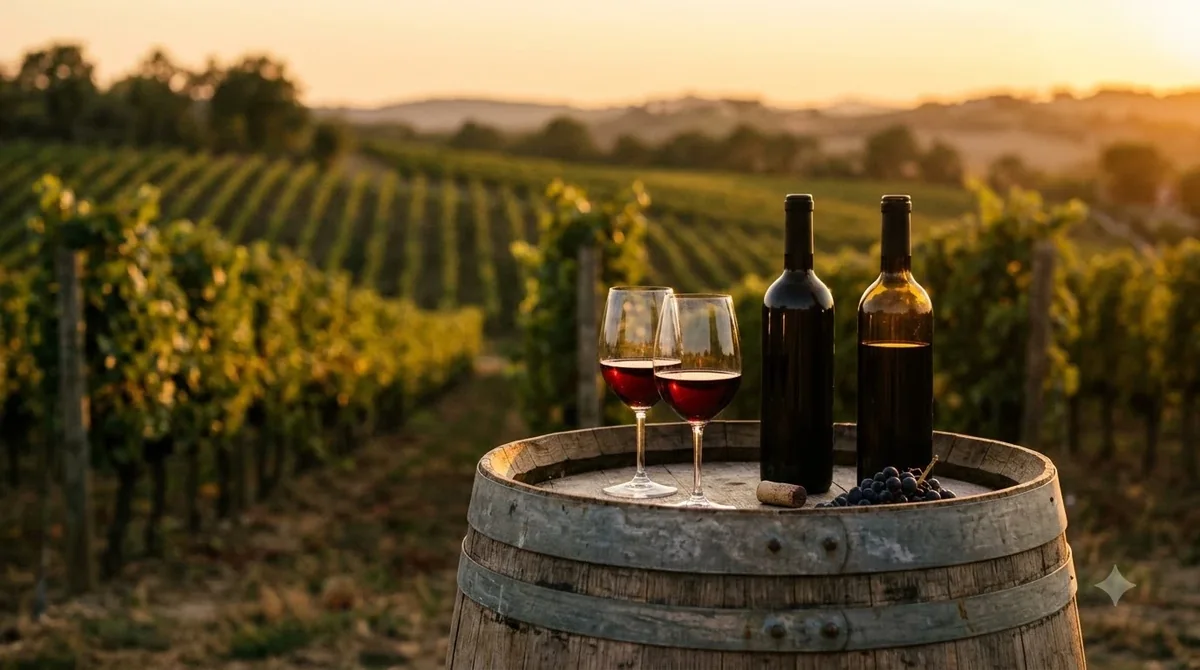
The winery’s tasting room is in Healdsburg, in northern Sonoma County, at the gateway to Dry Creek Valley. The grounds include a shaded grove and gardens where visitors can picnic and play bocce, which gives a sense of the family-run atmosphere the brand emphasizes.
What Zinfandel Tastes Like
Zinfandel is the grape most people associate with Seghesio. The Wine Folly guide to Zinfandel describes it as a bold, fruit-forward red with jammy fruit and smoky, exotic spice notes. It is full-bodied, with medium-high tannins and medium-low acidity. Typical flavors include blackberry, strawberry, peach preserves, cinnamon and sweet tobacco.
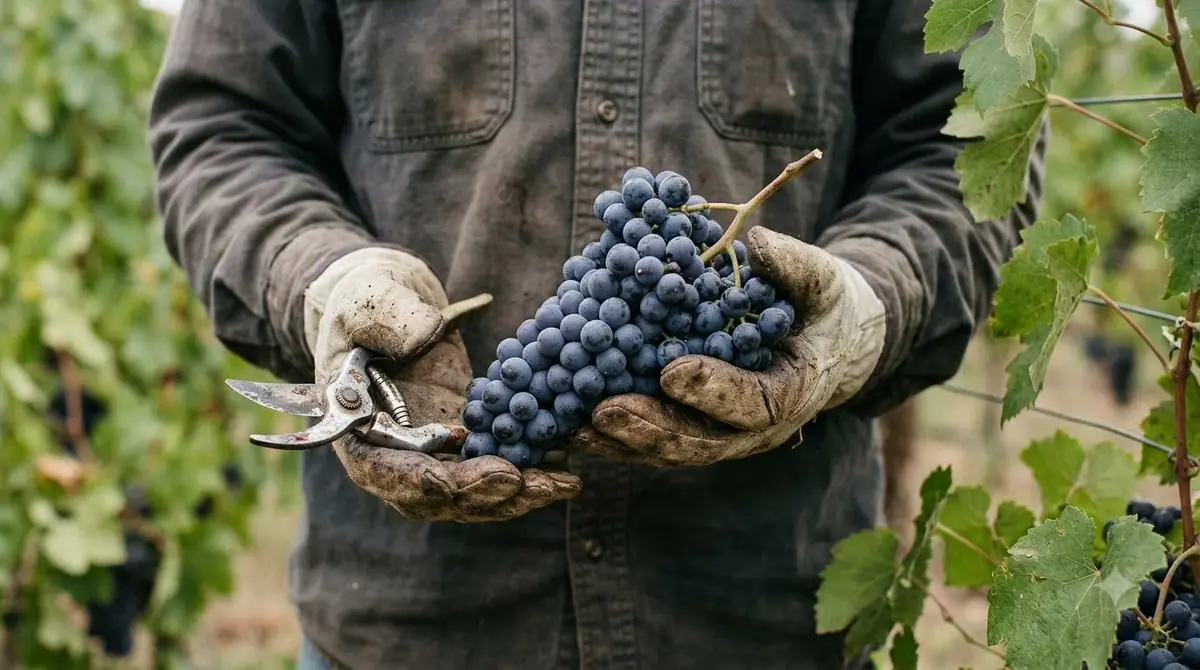
Climate changes the flavor. Cooler sites tend to show red berries, while warmer sites produce deeper black fruit. Zinfandel can run high in alcohol, and the Wine Folly guide notes that many wines reach 14 percent or more. The name also has an interesting history: the grape is genetically identical to the Croatian grape Tribidrag, and in Italy it is known as Primitivo.
| Style | Typical flavors | Good with |
|---|---|---|
| Bright, cool-climate Zinfandel | Raspberry, strawberry, cinnamon | Roast chicken, grilled pork |
| Warm-climate Zinfandel | Blackberry, plum, peach preserves | Barbecue, burgers, ribs |
| Italian varietal red | Cherry, red plum, herbs, savory notes | Tomato pasta, pizza |
If you enjoy comparing a rich red with lighter styles, the Barefoot Wine range gives a useful contrast for everyday drinking, and the wine brands section explains how producers use grape variety and place to shape their styles.
How to Serve Seghesio Wine
Zinfandel is best served at a slightly cool room temperature, about 60 to 68 F (15 to 20 C). Serving it too warm can make the alcohol feel heavy and cover the spice, so a few minutes in a cooler spot before pouring makes a real difference. A large red wine glass gives the aromas room to develop.
Younger Zinfandel usually does not need decanting. Bigger, more structured bottles can open up after 30 minutes or so in a decanter, which softens the tannins and brings out the spice. Keep leftovers corked and refrigerated, and bring the bottle back to cool room temperature before serving again.
Food Pairings for Seghesio Zinfandel
Zinfandel’s ripe fruit and spice make it a strong partner for bold flavors. Barbecue and grilled meats are the classic match, including ribs, pulled pork, burgers and lamb. The wine also works with Moroccan and Turkish spices, which bring out its cinnamon and warm notes.
Cheese and vegetables suit it well too. Sharp cheddar, smoked gouda and grilled halloumi pair nicely, and bold vegetables such as caramelized onion, mushrooms and eggplant complement the wine’s savory side. For a lighter meal, match a red-fruited Zinfandel with roast chicken or a rustic pizza, and save the heavier bottles for grilled and smoked dishes.
Choosing a Zinfandel From Sonoma County
Sonoma County is one of several California regions that grows Zinfandel, and the sub-area on the label can change the wine a lot. Dry Creek Valley, where the Seghesio tasting room sits at its gateway, is a well-known Zinfandel area. Cooler sub-areas tend to produce brighter, more red-fruited wines, while warmer sites give deeper, more concentrated fruit. Reading the appellation on the label is a simple way to predict the style before you open the bottle.
The vintage also shapes the wine. A warm season can push the fruit toward jam and spice, and a cooler one can leave the wine with more freshness and structure. Because Zinfandel often carries a higher alcohol level, many drinkers find it easier to enjoy in smaller pours with food, which also keeps the balance of fruit and spice intact.
If you want a wine for a family dinner, an everyday Zinfandel with clear fruit is a dependable choice. For a special meal, look for a bottle that names a specific vineyard or sub-appellation, since those wines often show more depth. Whatever you choose, plan on pairing it with food, because Zinfandel is built for the table as much as for the glass.
Finally, treat Zinfandel as a wine to share. Its bold fruit and spice can feel heavy on its own over a long evening, but it opens up beautifully with a plate of grilled meat, a bowl of roasted vegetables or a board of sharp cheese.
Zinfandel also has a practical side for entertaining. Its bold character stands up to outdoor cooking, so a bottle often fits naturally into a barbecue, a backyard dinner or a picnic. Serve it with plenty of food and keep an eye on the glass size, since a generous pour of a high-alcohol red can feel heavier than expected on a warm afternoon.
Finally, Zinfandel is a grape that rewards curiosity. The same variety can taste bright and berry-driven in one region and dense and spicy in another, so tasting a few bottles from different sites is one of the best ways to learn how place shapes a wine. A winery with a long family history, like Seghesio, makes that comparison especially interesting because the vineyard story is part of what you taste.
Buyers who want a fuller picture of the brand can also look at how the winery describes its Italian varietal wines alongside its Zinfandel. Those wines give a useful contrast, since they tend to show cherry, herb and savory notes that differ from the ripe, spicy character of the main grape. Tasting both in the same meal is an easy way to see how a single family can work with more than one variety.
Frequently Asked Questions
Where is Seghesio wine made?
Seghesio Family Vineyards is based in northern Sonoma County, California. Its tasting room is in Healdsburg, at the gateway to Dry Creek Valley.
What is Seghesio best known for?
The winery’s main varietal is Zinfandel, and it also produces Italian varietal wines. Its history on the family vineyards, which the winery dates to 1895, is a central part of the brand’s identity.
Is Zinfandel a strong wine?
Zinfandel is often full-bodied and can run high in alcohol, with many wines reaching 14 percent or more. It has medium-high tannins and medium-low acidity, which gives it a rich, fruit-forward feel.
What food goes well with Zinfandel?
Barbecue, ribs, pulled pork, burgers and lamb are classic matches. Sharp cheddar, smoked gouda and grilled vegetables also pair well with the wine’s spice and ripe fruit.
Seghesio is a good introduction to Sonoma Zinfandel, especially if you want a wine with a clear family story and a bold, fruit-driven style. Serve it slightly cool, pair it with grilled and smoky foods, and compare it with other Zinfandels to see how climate shapes the flavor.
More in Wine Brands
 Underwood Wine Price: Compare Bottles, Cans, and Pack SizesUpdated Nov 21, 2026
 Zenato Wine Price: Compare Styles and Choose the Right BottleUpdated Nov 21, 2026
 Zuccardi Wine Price: Compare Bottles and Find the Right RangeUpdated Nov 21, 2026
 Yellow Tail Moscato Review: Taste, Sweetness and Serving TipsUpdated Nov 21, 2026
 Wolf Blass Yellow Label Review: Choose Your Best StyleUpdated Nov 21, 2026
 Wolffer Estate Rose Review: Choose the Right Bottle for Your TableUpdated Nov 21, 2026