

We may earn a commission when you buy through links on this page, at no extra cost to you. Learn more.
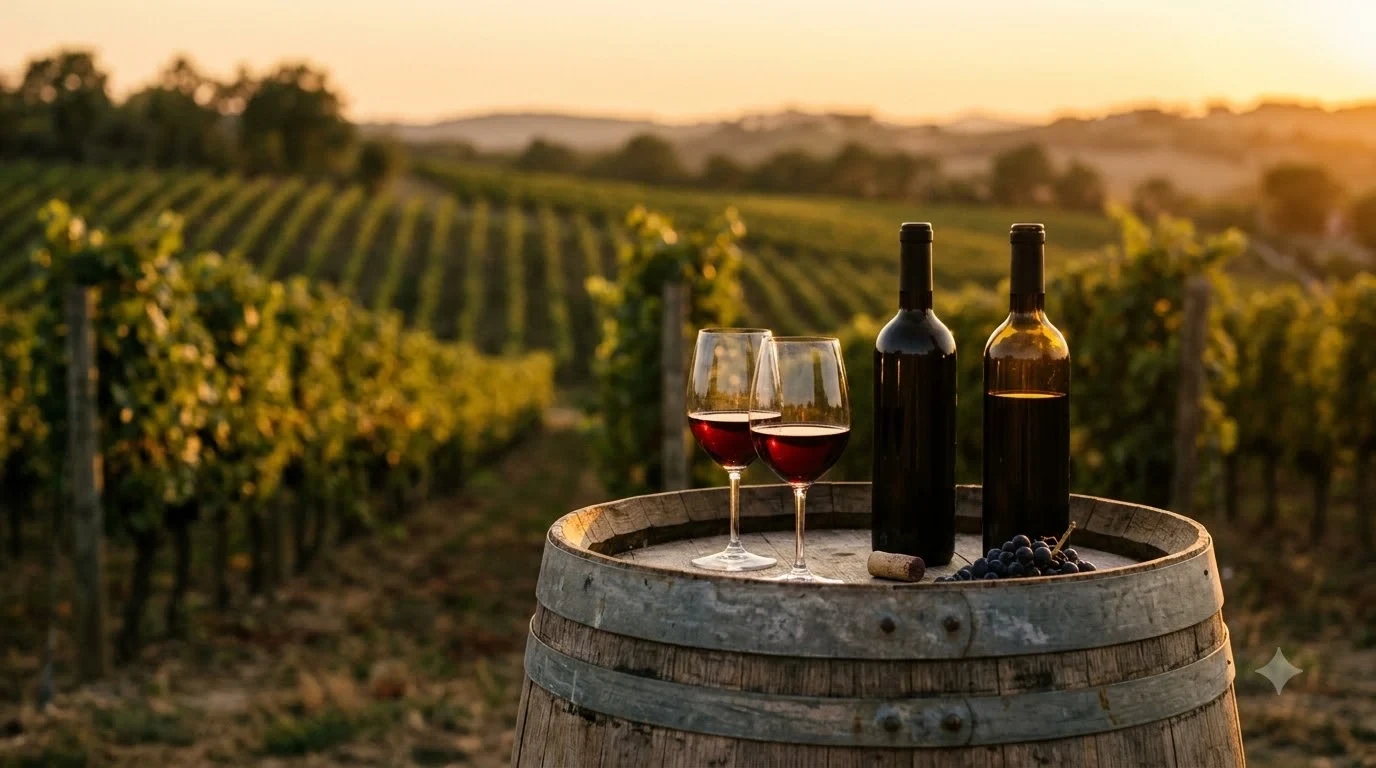
Sebastiani wine comes from a Sonoma family winery whose roots go back to the first vineyard in the Sonoma Valley, and the Sebastiani family still runs the business today. The official site describes the winery as a pioneering Sonoma County producer for 120 years, and it lists the winery as a member of Foley Family Wines. This guide explains the history behind the name, what the lineup covers, and how to serve and pair Sebastiani wines at home.
Many shoppers see the Sebastiani name on wine lists and in wine shops without knowing how long the winery has been in Sonoma. Is it a small estate or a larger brand? What makes its history stand out from other California producers? The sections below answer those questions using the winery’s own site and a historical reference, so you can judge the story for yourself.
Who Founded Sebastiani
The property that became Sebastiani has a much older history than the winery name suggests. According to the Wikipedia entry on Sebastiani Vineyards, the vineyard was founded in 1825 by Franciscan Fathers at Mission San Francisco Solano, and it is described as the first vineyard in the Sonoma Valley. Its wine was used in church services and for Holy Communion in that period.
The modern winery began in 1902, when the property was sold to Samuele Sebastiani, a young immigrant from Tuscany, Italy. He ran the winery with his wife, Elvira, and the same family still operates it more than a century later. That continuity is a large part of the brand’s identity: the name on the bottle belongs to the people who started the business, not to a corporate invention.
Sonoma Roots and a Historic Landmark
The winery sits on 4th Street in Sonoma, California, in the heart of Sonoma wine country. The Wikipedia entry notes that the site is California Historical Landmark No. 739, listed on June 6, 1960, which gives the property a public record beyond its wine.
The official Sebastiani site describes the company as a pioneering producer of Sonoma County wine for 120 years, and it places the tasting room in historic Sonoma. The site also notes that Sebastiani is a member of Foley Family Wines, a group of wineries that operates several Sonoma brands. Knowing that structure helps explain why the family name and the Sonoma location appear so often together on labels and in marketing.
Reading the Sebastiani Lineup
The official site features a small group of wines rather than a long catalog, which makes it easier to see the house style at a glance. The featured bottles include Barbera, Cabernet Sauvignon, Merlot, and a Rosé, covering both reds and a pink wine. The table below lists those featured styles along with what each type usually offers.
| Wine | Typical style | What to know |
|---|---|---|
| Barbera | Italian red with bright acidity and tart cherry notes | Pairs well with tomato sauces and grilled sausage, a fitting match for a family with Italian roots |
| Cabernet Sauvignon | Full-bodied red with dark fruit and firm tannins | Best with roast beef, hard cheeses, and grilled meats |
| Merlot | Softer red with plum and cherry flavors | Easy with roast pork, mushrooms, and pasta dishes |
| Rosé | Dry pink wine with red berry fruit | Works with salads, grilled fish, and warm-weather meals |
The table reflects the general character of each grape rather than a claim about a single bottle, so it is best used as a starting point. A label that names a vintage and a vineyard gives more information than a grape name alone. The official site also mentions a wine club and sister properties, which suggests the brand is built around a range of styles rather than one signature wine.
Shoppers who want an easy comparison with another family-owned brand can look at the wine brands guide, which places several American names side by side.
How to Choose a Sebastiani Bottle
Choosing a bottle from a historic Sonoma winery is easier when you start with the occasion rather than the brand. A red with more body suits a dinner built around grilled meat or roast dishes, while a lighter red or a Rosé is often a better fit for a warm afternoon or a casual meal.
Vintage also matters. Weather in Sonoma changes the balance of fruit and acidity from one year to the next, so two bottles with the same label can taste somewhat different. If you find a style you like, buying a second bottle from a nearby vintage is a simple way to see how the house style holds across years. Shoppers who like a lighter entry point may also compare with Stella Rosa wine, which takes a very different approach to the same question of approachable, easy-drinking bottles.
Buying a bottle from a family-run Sonoma winery also means thinking about where it fits in your routine. Some shoppers want a dependable table wine for weeknight dinners, while others look for a bottle to share with guests or bring to a gathering. A Sonoma red with clear fruit and moderate tannins works well in both settings, and a dry Rosé can be an easy choice when a group has mixed preferences. Labels that name a single vineyard or a specific county tell you more about where the grapes grew, while broader labels usually signal a blend designed for consistency. Neither style is better in general, but knowing which one you are holding helps set expectations before the cork comes out.
Storage is the other practical detail. Keep bottles away from heat and direct sunlight, and store them on their sides if you plan to keep a red for a while. Most everyday bottles are meant to be opened within a few days of purchase, so a bottle bought for a special meal can simply be opened the same day. These habits matter more than the brand name when you are trying to get the best value from a bottle.
Serving and Pairing Sebastiani Wine
Serving temperature changes how a wine tastes, and it matters across the range. Lighter reds and Rosé taste best slightly cool, which keeps the fruit lively, while fuller reds such as Cabernet Sauvignon show more of their structure when they are a little below room temperature rather than fully warm. A short time in the refrigerator before pouring is usually enough to find the right balance.
Pairing follows the same logic. Barbera suits tomato-based pasta, pizza, and grilled sausage. Cabernet Sauvignon works with roast beef and aged cheeses. Merlot is a comfortable choice for roast pork and mushroom dishes, and Rosé is a good match for salads, grilled fish, and summer vegetables. The simplest rule is to match the weight of the food with the weight of the wine, so that neither one overwhelms the other.
Serving wine is also about the setting. A glass poured in a warm room will change more quickly than one poured on a cool patio, so it is worth checking the temperature of the room as well as the bottle. Using a glass with enough room to swirl helps release the aroma, and pouring a modest amount lets the wine stay fresh through a long meal. These small habits make it easier to notice the differences between a Barbera, a Merlot, and a Rosé when you serve them side by side.
Frequently Asked Questions
When did Sebastiani winery start?
The property traces its history to a vineyard founded in 1825 by Franciscan Fathers at Mission San Francisco Solano. The modern Sebastiani winery began in 1902, when Samuele Sebastiani bought the property.
Where is Sebastiani located?
The winery is in Sonoma, California, on 4th Street in the heart of Sonoma wine country. The site is also recognized as California Historical Landmark No. 739.
Is Sebastiani still family owned?
The Wikipedia entry says the Sebastiani family still runs the winery. The official site also notes that the winery is a member of Foley Family Wines, so the business is part of a larger group of Sonoma brands.
What kinds of wine does Sebastiani make?
The official site features Barbera, Cabernet Sauvignon, Merlot, and a Rosé. These cover both reds and a pink wine, so the range is broader than a single signature bottle.
Sebastiani wine is easiest to appreciate when you know the history behind the label. Start with the style that fits your meal, check the vintage, and compare a second bottle from a nearby year if you want to see how the house style holds together over time.
More in Wine Brands
 Underwood Wine Price: Compare Bottles, Cans, and Pack SizesUpdated Nov 21, 2026
 Zenato Wine Price: Compare Styles and Choose the Right BottleUpdated Nov 21, 2026
 Zuccardi Wine Price: Compare Bottles and Find the Right RangeUpdated Nov 21, 2026
 Yellow Tail Moscato Review: Taste, Sweetness and Serving TipsUpdated Nov 21, 2026
 Wolf Blass Yellow Label Review: Choose Your Best StyleUpdated Nov 21, 2026
 Wolffer Estate Rose Review: Choose the Right Bottle for Your TableUpdated Nov 21, 2026