

We may earn a commission when you buy through links on this page, at no extra cost to you. Learn more.
Schramsberg wine is sparkling wine from a historic Napa Valley estate in Calistoga, best known for its traditional-method bottlings made from Chardonnay and Pinot Noir. The winery has focused on sparkling wine for about six decades, and its Blanc de Blancs, Brut Rosé, and Blanc de Noirs are the core of the lineup. Serve them chilled and pair them with oysters, salty snacks, roast fish, or cheese.
Schramsberg is one of the most recognizable names in American sparkling wine. If you are choosing a bottle for a celebration, a dinner, or a gift, this guide explains where the winery is, what its history means for the wines, how the main styles differ, and how to serve and pair them.
The Estate and Its Location
The winery sits on a mountainside property on Diamond Mountain in the Napa Valley, with its address on Schramsberg Road in Calistoga. The estate’s own website says the winery has focused on sparkling wine for 60 years, and it names the Davies family as living and working on the property alongside the winery team. The setting is quiet and rural, and the cool hillside site is part of why the estate has long made sparkling wine rather than only still reds.
Napa is better known for big red wines, so a sparkling house in the valley can surprise first-time visitors. Schramsberg’s position on the hillside gives the team a way to make wines with bright acidity and fine bubbles, which is the foundation of the sparkling range.
A Short History of the Winery
According to the winery’s about page, Jack and Jamie Davies were the founders who brought the estate back to life. In 1965, after a yearlong search, they found a run-down winery on the mountainside above St. Helena. The property had been abandoned for years and included a 19th-century Victorian mansion and underground cellars. The Davies decided on the spot that the winery would be restored.
Later that year, they produced the 1965 Blanc de Blancs. The winery’s website describes it as the first commercial use of Chardonnay in American sparkling wine, a claim that explains why the Blanc de Blancs still anchors the house’s identity. Whatever your view of the history, the story gives the brand a clear through line from its earliest wine to the current releases.
The Main Sparkling Styles
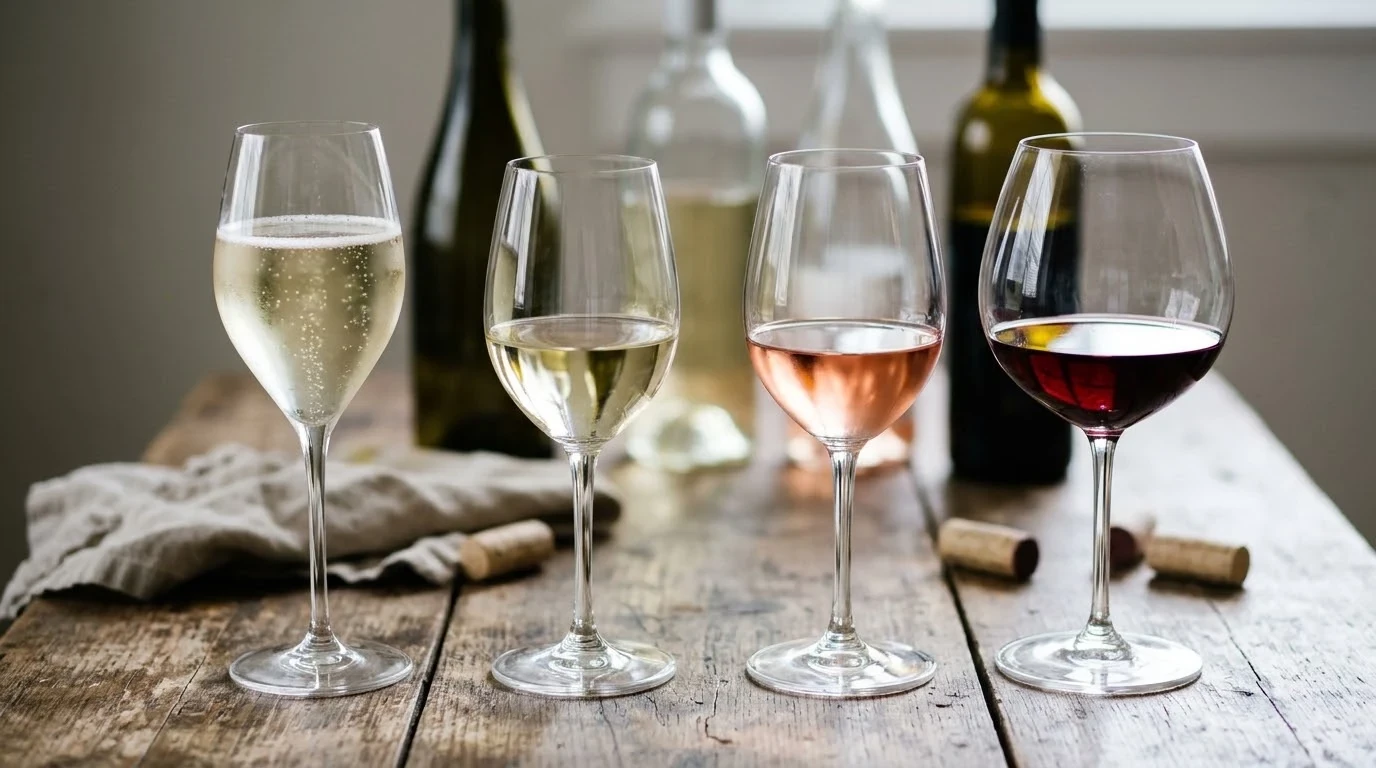
Schramsberg’s lineup is built around a handful of sparkling styles. The Blanc de Blancs is made from white grapes and is the signature wine of the house. The Brut Rosé adds a pink color and red-fruit character, while the Blanc de Noirs is made from red grapes and has a fuller, richer profile. The J. Schram Rosé is a separate line of pink sparkling wine that the winery pairs with roast chicken and carrots.
The winery’s site also mentions still wines from the Davies Vineyards, including Cabernet Sauvignon and Pinot Noir. Those bottlings are a different category, and most guests at a sparkling-focused tasting will be pouring the sparkling range rather than the reds.
How Sparkling Wine Like This Is Made
Sparkling wine gets its bubbles from a second fermentation, which takes place in the bottle after the base wine has been blended and bottled with a small amount of sugar and yeast. The carbon dioxide created in the bottle stays dissolved until the cork is removed. Time on the yeast, known as lees, adds the bread-like and creamy notes that many people look for in a good sparkling wine.
The winery’s website does not spell out the aging times or the exact steps for each cuvée, so it is best to read the specific label or the producer’s product page for those details. What you can count on is the general approach: a traditional, bottle-fermented method that gives the wine its fine bubbles and a textured, lingering finish.
Flavor and Style
Blanc de Blancs styles usually feel crisp and citrusy at the start, with a fuller middle and a clean finish. Brut Rosé has a more fruity profile, with strawberry and red-berry notes and a dry finish that works well with food. Blanc de Noirs tends to be richer and rounder, which makes it a good choice for drinkers who enjoy a little more body in a sparkling wine.
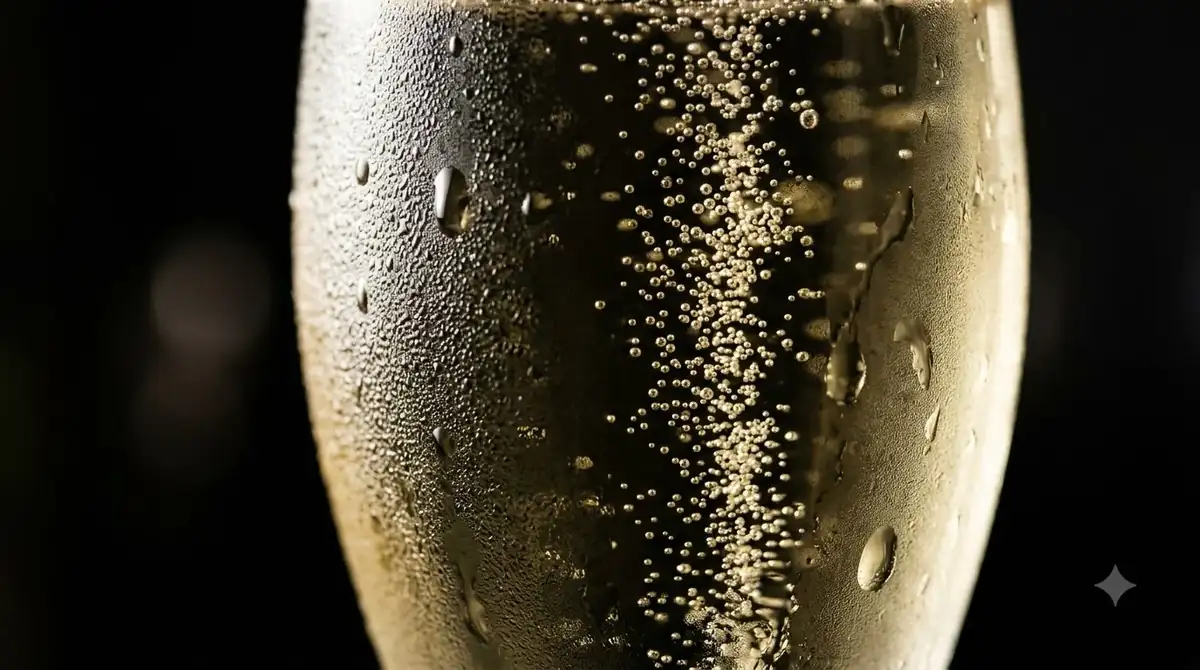
All of these styles share the fine bubbles and lively acidity that make sparkling wine refreshing. The differences come from grape choice, blending, and time on lees, and they show clearly when you taste the three side by side.
How to Serve Schramsberg Sparkling Wine
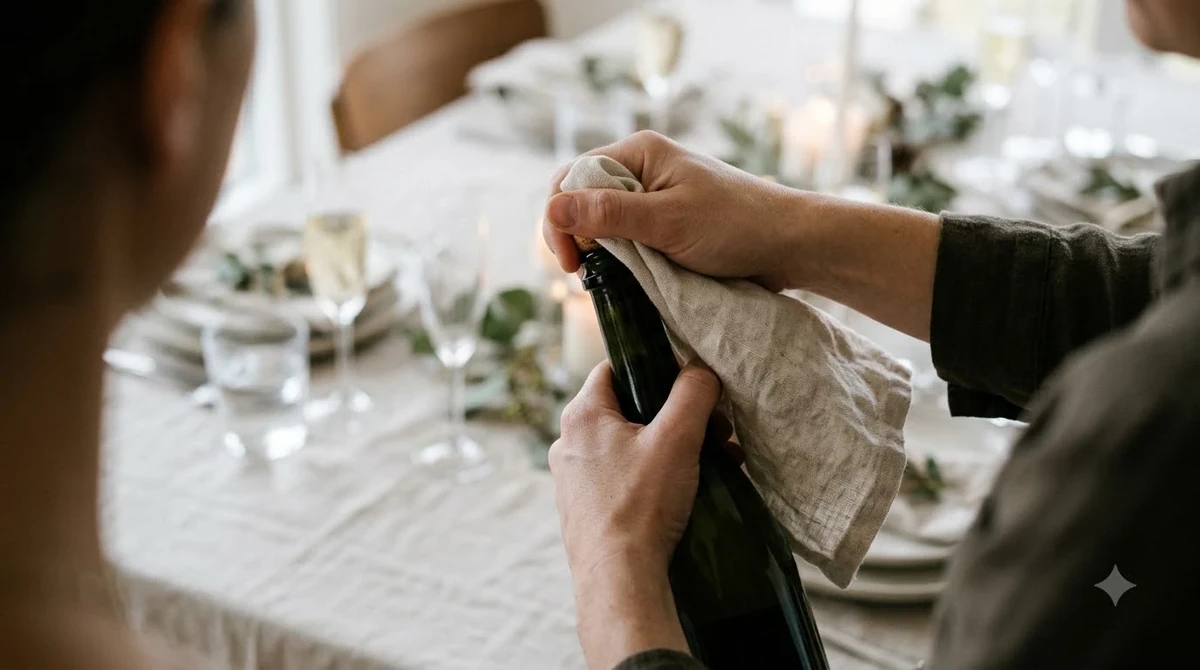
Serve sparkling wine well chilled. A few hours in the refrigerator is usually enough. Open the bottle carefully, keeping the cork under control, and pour into a flute or a tulip-shaped glass that keeps the bubbles lively. Pour slowly at first so the foam does not overflow.
Once opened, reseal the bottle with a proper stopper and keep it cold. Sparkling wine loses its fizz over a day or two, so finish the bottle soon after opening. For a celebration, open it just before guests arrive so the wine is at its best when it is poured.
Food Pairings That Work
The winery’s own pairing suggestions give a useful starting point. Its Blanc de Blancs and Brut Rosé are offered with oysters, radishes with dip, roast salmon, fruit galette, beet and arugula salad, pizza, charcuterie, and cheese. The Blanc de Noirs is suggested as a toast alongside a charcuterie board, and the J. Schram Rosé is paired with roast chicken and carrots.
The common thread is salt, fat, and acidity. Sparkling wine cuts through rich foods and refreshes the palate between bites, which is why it works with fried snacks and creamy sauces as well as with simple dishes like fresh fruit.
Choosing Between the Main Schramsberg Styles
Choosing a bottle is easier when you know what you are serving. The table below compares the three main sparkling styles on the points that matter most at the table.
| Style | Grapes and character | Good with |
|---|---|---|
| Blanc de Blancs | White grapes; crisp, citrusy, with a clean finish | Oysters, roast salmon, salads |
| Brut Rosé | Pink color; red-berry fruit, dry finish | Pizza, charcuterie, fruit galette |
| Blanc de Noirs | Red grapes; fuller, rounder body | Charcuterie boards, richer appetizers |
Tip: If you are unsure which bottle to bring, a Brut Rosé is a flexible choice. Its fruit and dry finish suit both appetizers and the main course, so it is a safe pick for a mixed group.
If your table includes guests who prefer a sweeter, lighter pink wine, a sweet red from another producer offers a different kind of contrast. For background on how sparkling and still wines fit into a broader lineup, the wine brands guide is a useful next read.
Frequently Asked Questions
Is Schramsberg a Champagne?
Champagne refers to wine made in the Champagne region of France. Schramsberg is an American sparkling wine producer in Napa Valley, so its bottles are sparkling wines rather than Champagne, though they are made with a similar bottle-fermented method.
Where is Schramsberg located?
The winery is on Diamond Mountain in the Napa Valley, with its address on Schramsberg Road in Calistoga, California. The estate’s website describes it as a mountainside property.
What is the difference between Blanc de Blancs and Blanc de Noirs?
Blanc de Blancs is made from white grapes, while Blanc de Noirs is made from red grapes that are pressed gently so the juice stays nearly colorless. The two styles taste different, with Blanc de Blancs usually crisper and Blanc de Noirs usually fuller.
Should I serve Schramsberg with dinner or as an aperitif?
Either works. The winery pairs its sparkling wines with many dishes, from oysters and salads to roast fish and charcuterie, and the same bottle can also open a meal as an aperitif.
Schramsberg wine is a strong choice when you want a sparkling bottle with a clear history and a range of styles. Chill it well, serve it in a proper glass, and pair it with salty, fatty, or fresh food. For more on the winery and its current releases, the Schramsberg about page is the most direct source.
More in Wine Brands
 Underwood Wine Price: Compare Bottles, Cans, and Pack SizesUpdated Nov 21, 2026
 Zenato Wine Price: Compare Styles and Choose the Right BottleUpdated Nov 21, 2026
 Zuccardi Wine Price: Compare Bottles and Find the Right RangeUpdated Nov 21, 2026
 Yellow Tail Moscato Review: Taste, Sweetness and Serving TipsUpdated Nov 21, 2026
 Wolf Blass Yellow Label Review: Choose Your Best StyleUpdated Nov 21, 2026
 Wolffer Estate Rose Review: Choose the Right Bottle for Your TableUpdated Nov 21, 2026