

We may earn a commission when you buy through links on this page, at no extra cost to you. Learn more.
Should sauvignon blanc be chilled? Yes, it should be served cold, generally in the 45 to 50°F range, because its citrus, herb and grass aromas fade as the wine warms. Serving guides agree that this style belongs among the coldest whites on the table. Chilling it properly keeps the wine bright and focused, though it should never be served so cold that the aromas disappear.
This guide explains why sauvignon blanc tastes best when cold, how temperature changes its aroma and acidity, and when a slightly warmer pour makes sense. It also covers chilling, storage and the questions people ask after opening a bottle. If you are still deciding how cold white wine should be in general, start with our overview of should white wine be chilled.
Sauvignon Blanc Serving Temperature
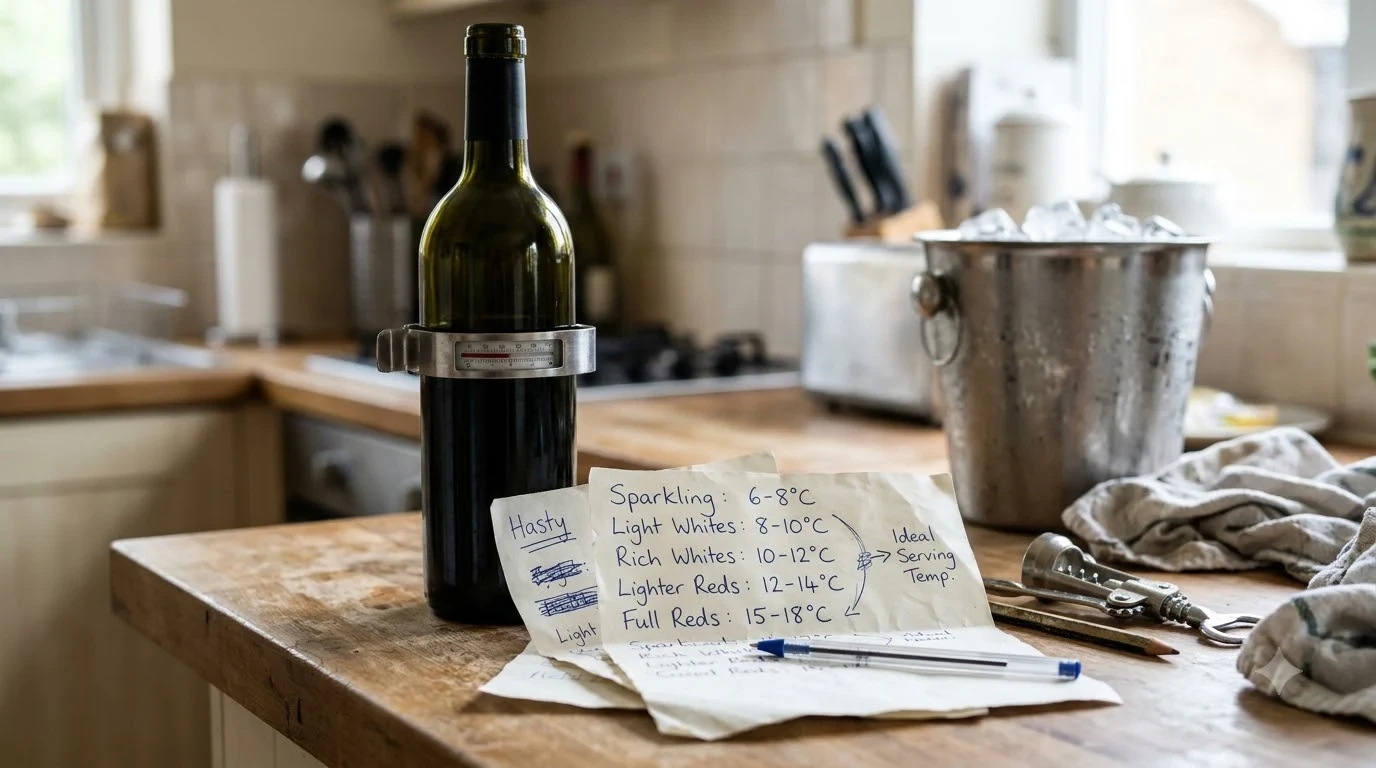
Most serving guides place sauvignon blanc between 45 and 50°F, which is colder than full-bodied whites like oaked Chardonnay. Treat that range as a target zone rather than a strict rule you must hit to the degree.
According to the InVintory serving temperature guide, sauvignon blanc belongs to the light and aromatic white group. That group also includes Pinot Grigio, unoaked Chardonnay, Riesling and Albariño, all in the same 45 to 50°F band. The guide also places dry rosé in that window, which shows how closely these lighter styles share a serving range. If you want to compare a neighboring white, our page on should pinot grigio be chilled covers that style in more detail.
The Kendall-Jackson wine temperature guide gives a similar 45 to 50°F for sauvignon blanc in its chart. Its general notes also mention a slightly colder 40 to 45°F for light-bodied whites, so the exact target can shift a few degrees depending on the source. That overlap is useful, because it tells you the right answer sits in the cool part of the white wine range.
Think of the range as a comfortable zone. A bottle a few degrees colder is still lively, while one that has drifted well above the range loses the freshness that makes this style appealing. Pour a small taste, let it sit briefly in the glass, and adjust from there.
Why Sauvignon Blanc Tastes Best Cold
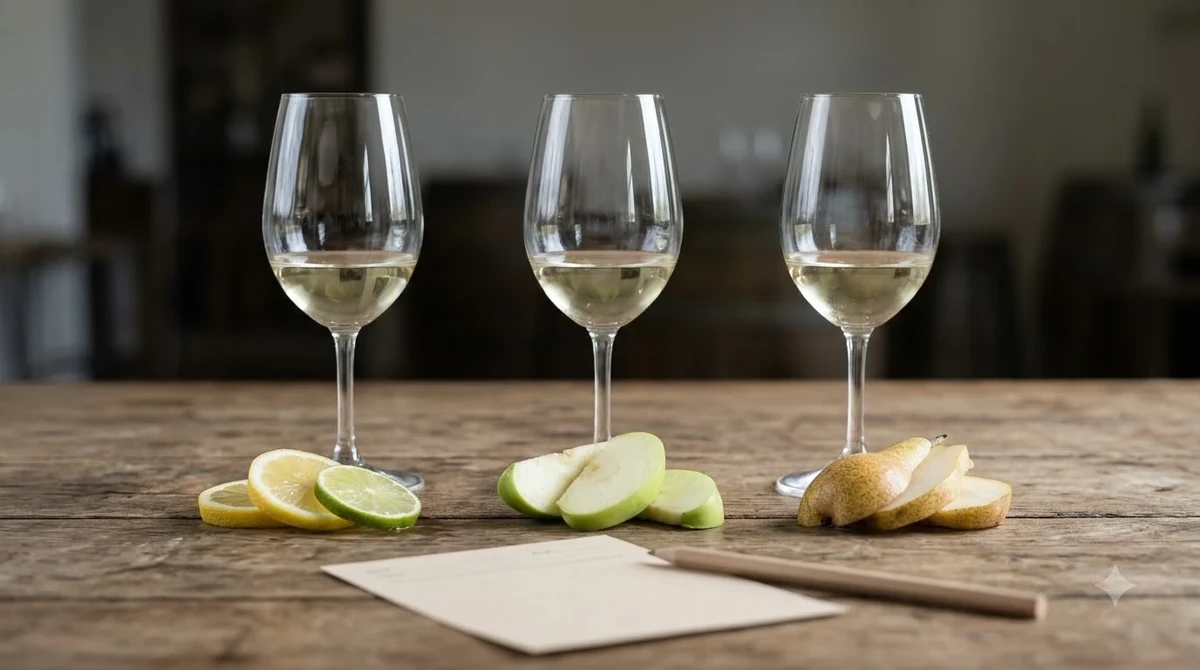
Cold keeps the bright citrus, green herb and grass notes lively, and it holds acidity in balance. Too cold, and those same aromas go quiet. The temperature you choose changes what you smell first and what you taste last.
The InVintory guide notes that citrus, herb and grass aromatics fade quickly once sauvignon blanc warms past its range. That is why it is often the first white on a table to start tasting flat. A properly chilled glass keeps the top notes, the first aromas you smell, vivid before the wine ever reaches your lips.
Acidity is the other reason. Kendall-Jackson notes that cooler temperatures bring out the acidity in a wine. For a crisp, zesty white, that sharper edge is part of the appeal, and it helps the wine feel clean and refreshing with food. Riesling follows a similar logic, as explained on our page about should riesling be chilled.
Cold has limits. Wiens Cellars warns that a heavily chilled white can taste more like ice water than a wine with layers of fruit. The goal is a cool, lively glass, not one chilled until the flavors disappear.
| Serving condition | What you notice | Practical fix |
|---|---|---|
| Too cold | Aromas muted, acidity can feel sharp | Let the glass sit for a few minutes before tasting |
| In the target range | Clear citrus, herb and grass aromas with a crisp finish | Pour and enjoy |
| Too warm | Flat, flabby and less fresh | Return the bottle to the refrigerator |
How Long Does Sauvignon Blanc Last After Opening?
None of the sources used for this guide give a fixed number of days for an opened bottle, so the most reliable answer comes from the producer or the label. Check the producer’s website or the back label for storage advice specific to that wine.
Freshness after opening depends on the producer, the vintage and how the bottle was handled. A bottle that stays cool generally keeps its aroma longer than one left on a warm counter. Wiens Cellars notes that heat speeds up maturing and can bring out cooked fruit characteristics that are not desirable in a fresh white.
Once opened, reseal the bottle with a stopper and return it to the refrigerator between glasses. Keeping it cool helps the wine hold the aromas that make sauvignon blanc enjoyable. Smell and taste the wine before pouring, and if it seems dull or flat, it may be time to finish the bottle or switch to a fresh one.
How to Store Sauvignon Blanc
Store unopened bottles somewhere cool, steady and dark, and avoid the freezer. Sauvignon blanc suffers most from heat and sudden temperature swings, so consistency matters more than chasing a specific number.
InVintory separates storage temperature from serving temperature. For long-term keeping, it points to a consistent 55°F, with no big swings and no heat exposure. That guidance applies to unopened bottles in a cellar or wine refrigerator, and it is a different question from the few minutes of chilling before you pour.
Kendall-Jackson advises against storing bottles in the freezer. Its guide notes that overly cold conditions can block flavor and aroma. A freezer is only a short-term chilling shortcut, not a place to keep wine, and it should never be a storage plan.
A simple routine works well. Keep unopened bottles in a stable spot away from appliances that give off heat, then move a bottle to the refrigerator several hours before you plan to serve it. That gives the wine time to reach the cool range without a rushed chill.
Does Sauvignon Blanc Need to Breathe?
The guides used here do not recommend aerating sauvignon blanc. Decanting appears mainly as a way to adjust temperature, so most people simply open the bottle, chill it and pour.
Wiens Cellars explains that decanting can slightly warm a wine that is too cold, or cool one that is too warm. That is the practical point of decanting for this style. The effect is a small temperature adjustment, not a dramatic change in the wine’s aroma.
Aeration is discussed more often for bold red wines with heavy structure. Sauvignon blanc’s appeal depends on fresh, lifted aromas, so the bigger risk is letting it sit warm rather than failing to breathe. If you do choose to decant, pour gently into a clean vessel and check the temperature first.
If you are curious, pour one glass straight from the chilled bottle and another after a few minutes in the glass. Compare the aroma and taste, and let your own senses decide whether the wine needs extra time.
Quick Tips for Serving Sauvignon Blanc
Chill the bottle for a reliable time, check how it feels, and warm it slightly if it tastes closed. These steps cover most situations you will face at home.
- Start with a bottle at room temperature and place it in the refrigerator. The Kendall-Jackson chart gives about 30 to 40 minutes for sauvignon blanc to reach a cool serving temperature.
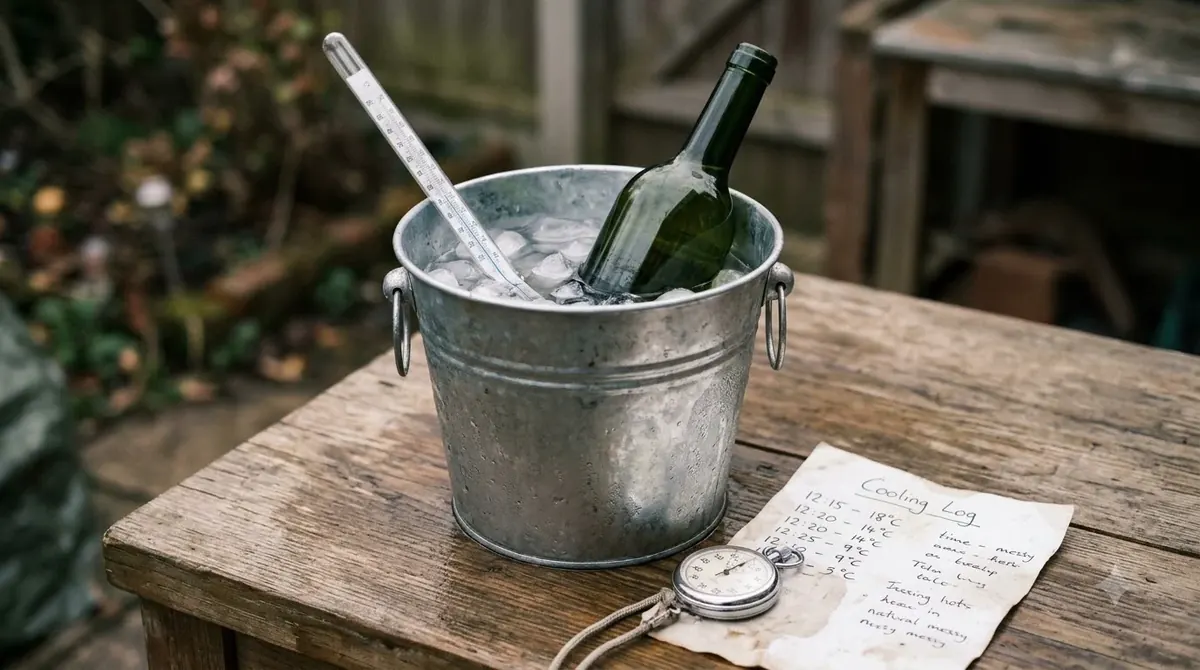
- For a faster result, place the bottle in an ice water bath. InVintory says this method takes about 15 to 20 minutes for a white wine.
- Skip the freezer for a quick chill. InVintory notes that leaving a bottle in the freezer too long can crack it or push the cork out.
- Check the bottle by feel. A cool bottle is a good sign for a white wine, while a warm bottle suggests more chilling time is needed.
- If the wine tastes closed, let it sit for a few minutes in the glass or cup the glass in your hands. InVintory suggests these simple methods for gentle warming.
Tip: Pull the bottle from the refrigerator just before pouring. If the meal runs long, keep the bottle in an ice bucket on the table so the wine stays cool and lively.
Frequently Asked Questions
Should sauvignon blanc be served cold?
Yes. Most serving guides place it around 45 to 50°F, which is colder than fuller whites such as oaked Chardonnay. Serving it straight from a very cold refrigerator can mute its aroma, so let it warm slightly if it tastes closed.
What temperature is best for sauvignon blanc?
The most common target is 45 to 50°F, according to InVintory and Wiens Cellars. Kendall-Jackson lists a similar range in its chart. Treat the range as a guide and adjust to the wine in your glass.
Can I chill sauvignon blanc in the freezer?
You can use the freezer for a short time, but it is risky. A bottle left too long can crack or push out its cork. An ice water bath is nearly as fast and avoids that risk, so it is the safer choice for a quick chill.
Does sauvignon blanc need to breathe before serving?
Generally, no. The guides used here treat decanting mainly as a way to adjust temperature. Most people open the bottle, chill it and pour. If you decant, do it gently and check the temperature first.
Sauvignon blanc rewards a cool, careful pour. Chill it to the right range, store unopened bottles in a steady place, and notice how the aroma changes as the wine warms. For more guidance on other white styles, browse Wine by Type.
More in Wine Types & Grapes
 Zinfandel Sugar Content: Dry Red vs. White Zinfandel GramsUpdated Nov 21, 2026
 Best Zinfandel Substitute Options for Sipping and CookingUpdated Nov 21, 2026
 Zweigelt Food Pairing: Best Dishes, Cheeses, and Serving TipsUpdated Nov 21, 2026
 Zinfandel Tannins Explained: How Structure Shapes Every BottleUpdated Nov 21, 2026
 Zinfandel Sweetness Level: Dry Red vs. Sweet White Zin ExplainedUpdated Nov 21, 2026
 Xinomavro Food Pairing: Best Dishes, Styles, and Serving TipsUpdated Nov 21, 2026