

We may earn a commission when you buy through links on this page, at no extra cost to you. Learn more.
Should riesling be chilled? Usually yes, and the best temperature depends on whether the bottle is dry or sweet. Cool temperatures keep riesling’s high acidity crisp and let its fruit aromas stay focused. Dry, light-bodied styles suit the coldest serving range, while sweeter styles often taste better a little warmer. Check the label for clues about sweetness before you chill the bottle.
This guide explains how temperature, sweetness, storage and time after opening affect riesling. It draws on serving advice from Wine Folly and on how the grape itself tastes. Use it as a practical starting point, then adjust to your own preference.
Riesling Serving Temperature
Riesling is one of the white wines most often served cold, and acidity is the main reason. Wine Folly describes riesling as having high acidity, similar to the sharpness of lemonade, and cold serving keeps that edge feeling clean rather than sour. Most people find a chilled glass refreshing on a warm day.
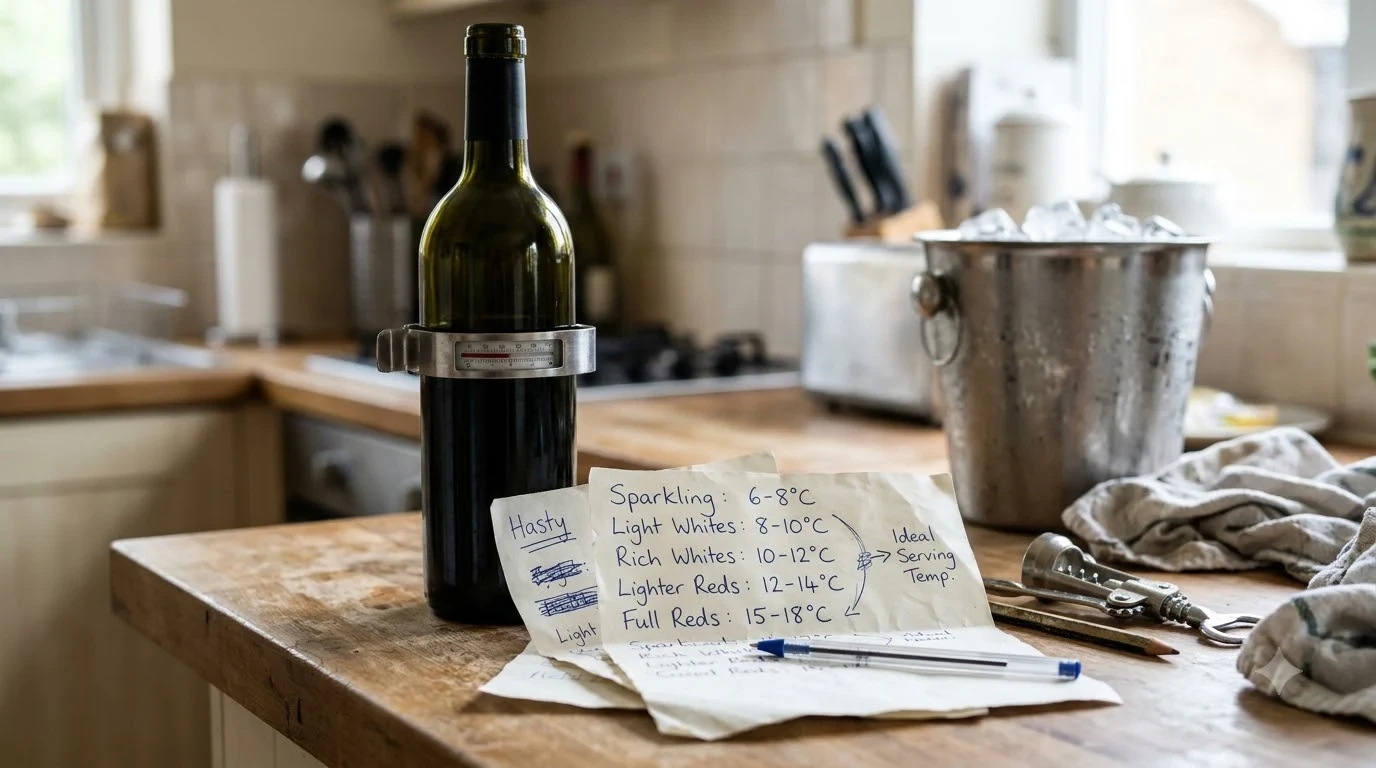
The general white wine guidance from Wine Folly’s serving temperature guide places sparkling and light-bodied whites in an ice-cold range of 38 to 45 degrees Fahrenheit. Fuller-bodied whites sit in a fridge-cold band of 44 to 55 degrees. Many dry rieslings are light-bodied, so they usually belong toward the colder end. Your bottle’s label or the producer’s website may give a more specific suggestion.
| Riesling style | Suggested chill | Why it works |
|---|---|---|
| Dry, light-bodied riesling | Ice cold, about 38 to 45 degrees F | Keeps acidity crisp and aromas lively |
| Fuller or richer dry riesling | Fridge cold, about 44 to 55 degrees F | Shows more body without tasting thin |
| Off-dry or sweet riesling | Cool, a bit warmer than dry styles | Lets sweetness feel balanced rather than syrupy |
Cold temperatures also soften small flaws. Wine Folly notes that lower-quality wines often taste better served cooler, because the chill mutes some aromas. That can help everyday bottles, but a very cold glass can also hide the flavors you bought the wine for. If a riesling tastes like nothing, let it warm slightly in the glass.
How Sweetness Changes the Chilling Rule
Sweetness is the main reason the chilling rule shifts from bottle to bottle. Riesling’s acidity balances its sugar, so a sweeter bottle still tastes fresh. Warmer service brings out more of that sweetness, so cooler service keeps dry styles lean and sweet styles lively.
Wine Folly’s taster’s guide to riesling explains that most riesling has traditionally been on the sweeter end, since sweetness offsets the grape’s natural acidity. Today, plenty of dry riesling is also made, including styles from Alsace, many German wines labeled trocken, and most Australian examples from the Clare and Eden valleys. Dry riesling is the leaner choice for people who want a crisp, savory white.
Sweeter styles need a closer read. German Prädikat wines such as Kabinett and Spätlese range from light to clearly sweet, and labels like feinherb signal a touch of sweetness. For these bottles, a cool but not ice-cold serve often works better, since extreme cold can flatten the aromas that balance the sugar. Pour a few glasses at different temperatures and see which you prefer.
- Lean toward ice cold for labels such as dry, trocken, or Alsace-style bottles.
- Lean toward cool for labels such as feinherb, Kabinett, or Spätlese.
- Read the back label or producer notes, since sweetness is not always stated clearly.
How Long Does Riesling Last After Opening
An opened riesling keeps its character for a shorter time than many people expect, and aroma fades first. Neither source gives a fixed number of days, so treat an open bottle as a short-term purchase. Reseal it with a cork or stopper, and refrigerate it right away.
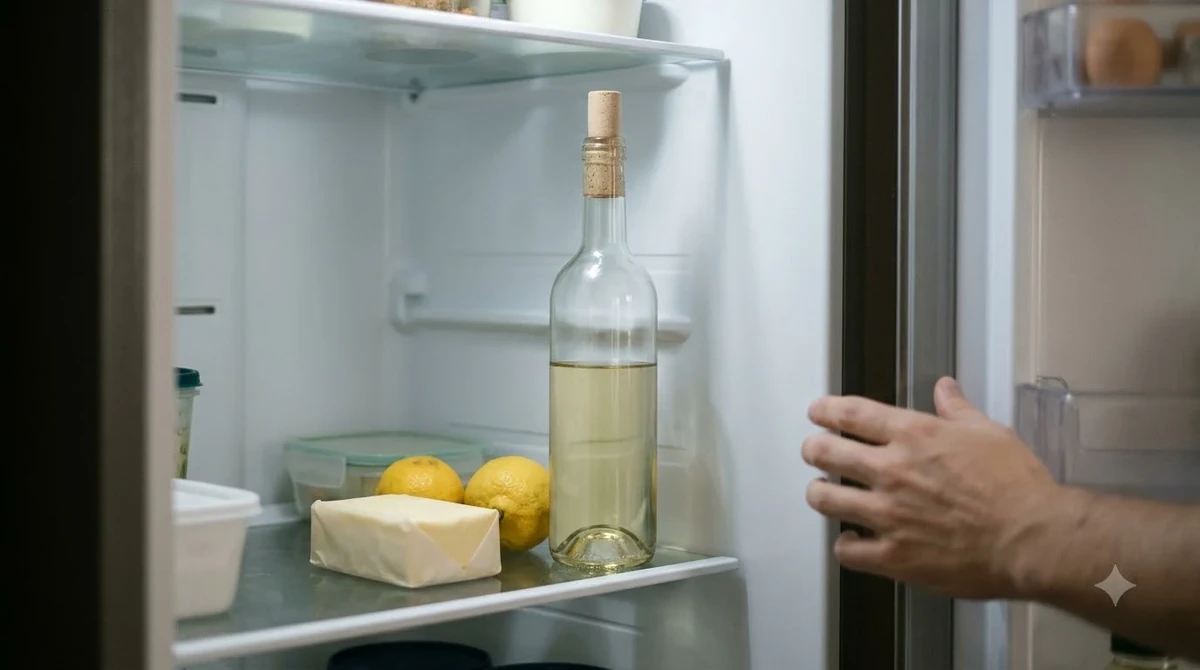
Acidity can help a riesling feel lively for longer than many whites, though this varies from bottle to bottle. Cold storage also slows the changes that come with air exposure. Still, the fruit and floral notes that define the grape will gradually dull. Taste the wine again the next day, and keep tasting over the following days. If it smells flat or tastes dull, it is past its best, even if nothing is wrong with it.
Check the producer’s website or the label for any storage advice. Screw caps and corks behave differently, so one bottle may last longer than another. Write the open date on the label if you tend to forget.
Does Riesling Need to Breathe?
Most riesling does not need decanting, and a young bottle rarely benefits from long aeration. Air can change aromas, but for lighter styles the bigger improvement usually comes from serving temperature. Think of breathing as an optional step rather than a requirement.
Wine Folly notes that temperature strongly affects which flavors and aromas you can smell. Riesling’s aromas are intense even when the wine is ice cold, but a short warm-up in the glass can open them further. This helps most with richer or more aromatic bottles, where notes of honeycomb, jasmine or lime peel may become easier to notice.
Decanting is more common for older or heavier wines that have sediment. Young riesling seldom has that structure. If you want to experiment, pour one glass straight from the bottle and another after a short wait, then compare the two. Your own taste is the best guide.
How to Store Riesling
Store unopened riesling somewhere cool, dark and steady, and keep opened bottles in the refrigerator. Temperature swings do more harm than a moderately warm room. Wine Folly advises storing wines at cellar temperatures, which helps them last longer.
Steady conditions matter more than any single setting. Avoid garages, car trunks and spots near heaters or sunny windows. A closet on an interior wall is often a better choice than a kitchen counter, because the temperature there changes less during the day.
- Keep unopened bottles in a cool, dark place away from heat sources and direct sunlight.
- If the bottle has a cork, store it on its side so the cork stays moist.
- Refrigerate the bottle as soon as you open it, and reseal it with the original closure or a stopper.
- Take the bottle out a few minutes before serving so it reaches the right chill for its style.
Riesling Chilling Tips and Common Mistakes
Most chilling mistakes come from going too cold or serving too warm. A few simple habits keep riesling in its best range. The advice below works for most dry and sweet bottles.
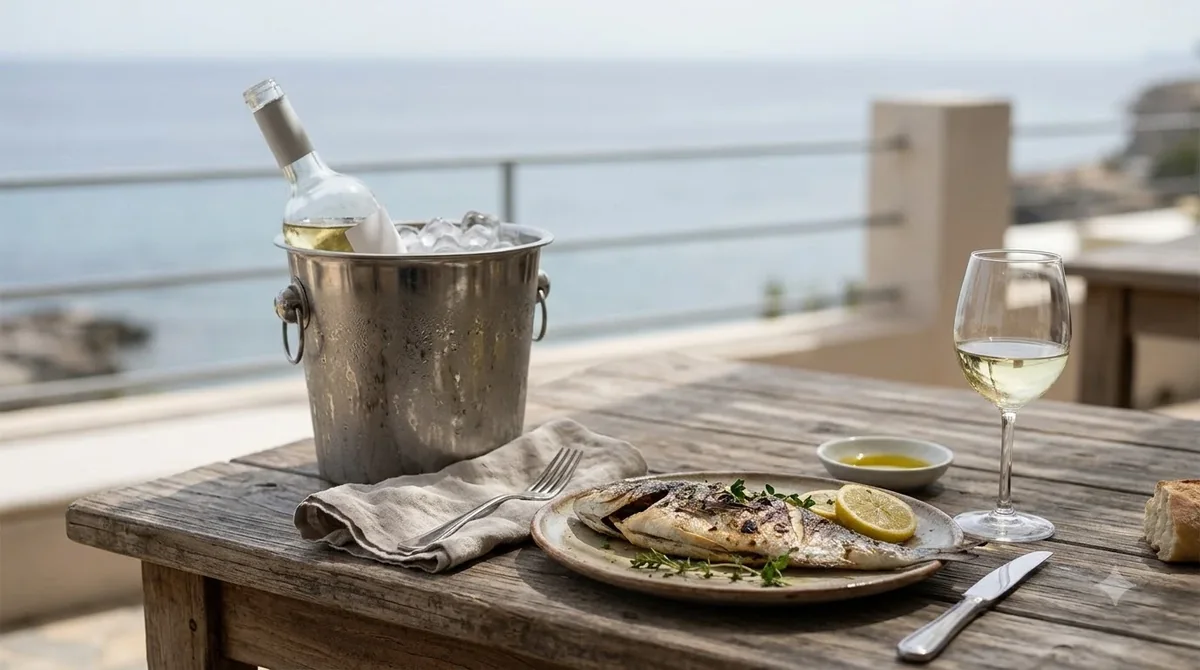
The biggest mistake is leaving a bottle in the freezer and forgetting it. A very cold wine can taste closed, and the aromas that make riesling distinctive stay hidden. Give the bottle time in the refrigerator instead, and check it before pouring. If you chill it in an ice bucket, pour a test glass to judge the temperature.
Another common error is serving a sweet riesling as cold as a bone-dry one without thinking. Sweetness is easier to notice at warmer temperatures, so a cool glass may suit a sweet bottle better. Riesling also pairs well with spicy and savory foods, so match the serving temperature to the meal. If you also drink crisp whites, compare the advice in should sauvignon blanc be chilled and read should white wine be chilled for broader guidance.
Tip: Pull the bottle from the fridge a few minutes before pouring if you prefer a fuller aroma. Adjust the timing to suit your own preference, and drink responsibly.
Frequently Asked Questions
Should dry riesling be served colder than sweet riesling?
Usually yes. Dry, light-bodied riesling tends to suit the ice-cold range, which keeps its acidity crisp. Sweeter styles usually taste more balanced at a cool, slightly warmer serve.
Is it better to let riesling warm up before drinking?
Letting it warm slightly can reveal more aroma, especially in richer bottles. If the wine tastes flat or nearly odorless, a few minutes in the glass may help. Very cold service can keep some flavors hidden.
How long does opened riesling stay fresh?
No fixed number of days applies to every bottle. Keep it sealed and refrigerated, and taste it again over the following days. Once the aroma turns dull, it is past its best, though it may still be drinkable. Check the producer’s guidance if it is available.
Does riesling need to be decanted?
Most riesling does not need decanting. Young, lighter bottles rarely gain much from aeration. Richer or aged bottles may benefit from a short time in the glass, and your own taste should guide the choice.
Riesling is usually best cold, but sweetness is the real guide. Read the bottle, serve dry styles colder than sweet ones, and refrigerate any wine you leave open. For more background on styles and grapes, browse Wine by Type.
More in Wine Types & Grapes
 Zinfandel Sugar Content: Dry Red vs. White Zinfandel GramsUpdated Nov 21, 2026
 Best Zinfandel Substitute Options for Sipping and CookingUpdated Nov 21, 2026
 Zweigelt Food Pairing: Best Dishes, Cheeses, and Serving TipsUpdated Nov 21, 2026
 Zinfandel Tannins Explained: How Structure Shapes Every BottleUpdated Nov 21, 2026
 Zinfandel Sweetness Level: Dry Red vs. Sweet White Zin ExplainedUpdated Nov 21, 2026
 Xinomavro Food Pairing: Best Dishes, Styles, and Serving TipsUpdated Nov 21, 2026