

We may earn a commission when you buy through links on this page, at no extra cost to you. Learn more.
Should pinot grigio be chilled? Yes, in most cases, because cool serving temperatures keep its crisp acidity and light pear and citrus flavors in focus. Chilled pinot grigio tastes fresher and cleaner, which suits the grape’s typical light style. Fuller, richer bottles can be served a little warmer, so the best answer depends on the style in your glass.
This guide explains why pinot grigio is usually served cold, how temperature changes its flavor, and how to chill and store a bottle. You will also find a short comparison with other crisp white wines so you can decide what fits your table.
Pinot Grigio Serving Temperature
Pinot grigio is generally served chilled, and most bottles on store shelves are made with that in mind. Cooler temperatures make the wine feel brighter and more precise, while warmer temperatures soften the acidity and let the fruit and body come forward.
Wine Folly’s Pinot Gris guide notes that the grape should generally be served chilled, no matter the style. The guide adds that light, zesty versions benefit most from the crispness a cooler temperature provides. That advice matches what most people find when they pour a standard bottle straight from the fridge.
One Alto Adige producer’s sheet for a classic Pinot Grigio lists a serving temperature of 10 °C. The same sheet describes the wine as an ideal summer companion and an aperitif. Use that figure as a helpful reference point rather than a strict rule, since your fridge and glass will change how quickly the wine warms up.
Richer styles behave differently. Wine Folly suggests that fuller-bodied or skin-contact versions can taste more complex when served slightly warmer. If you are unsure, pour a small glass at a cool temperature, let it sit for a few minutes, and taste again. For a broader look at the question, read should white wine be chilled, which covers how temperature affects most white styles.
How to Chill Pinot Grigio Properly
Chilling pinot grigio well takes planning, but the method is simple. The goal is a steady, even cold rather than a bottle that is frozen on the outside and warm in the middle.
- Place the bottle in the refrigerator several hours before serving. This is the most reliable method and keeps the wine evenly cold.
- If you are short on time, submerge the bottle in a bucket of ice and water. This chills wine much faster than a refrigerator alone, and it is a good option for a warm afternoon.
- Avoid the freezer for long stays. A bottle left there can freeze or burst, and it is easy to forget it is in there.
- Chill your glasses too. A cold glass helps the wine stay at its intended temperature for longer once you pour.
- Check the bottle by touch before pouring. It should feel cool to the hand, not icy on the outside and not warm.
Once the bottle is chilled, keep it cold while you serve. An ice bucket on the table works well for a long meal, and it prevents the wine from warming quickly in the glass. If you pour a bit at a time, return the bottle to the fridge or the bucket between glasses so the rest of the wine stays crisp.
Serving temperature is only one part of the experience. Glassware, the food you pair with the wine, and the room temperature all influence how the wine tastes. Still, starting with a properly chilled bottle gives you the best base for enjoying its fresh character.
How Long Does Pinot Grigio Last After Opening?
An opened bottle of pinot grigio keeps for a shorter time than an unopened one. Once air reaches the wine, oxidation begins, and the fresh fruit and citrus notes gradually fade.
The shelf life listed on a producer’s sheet usually refers to unopened bottles. The Alto Adige DeSilva Pinot Grigio listing on Wine Folly gives a shelf life of several years for the sealed wine, which shows how well a well-made bottle can age before opening. That figure does not tell you how long the wine will stay fresh after the cork is pulled.
As a practical rule, taste the wine before you pour a second glass. A fresh, lively wine with bright acidity is still good, while a flat, dull, or vinegary smell means it is time to pour it out. Lighter, unoaked styles tend to fade faster than richer, more structured bottles, so plan to finish them sooner. Check the label or the producer’s website for any guidance on the specific wine you bought.
How to Store Pinot Grigio
Good storage protects both unopened and opened pinot grigio. The main enemies are heat, light, and air, so the goal is a cool, dark, and stable spot.
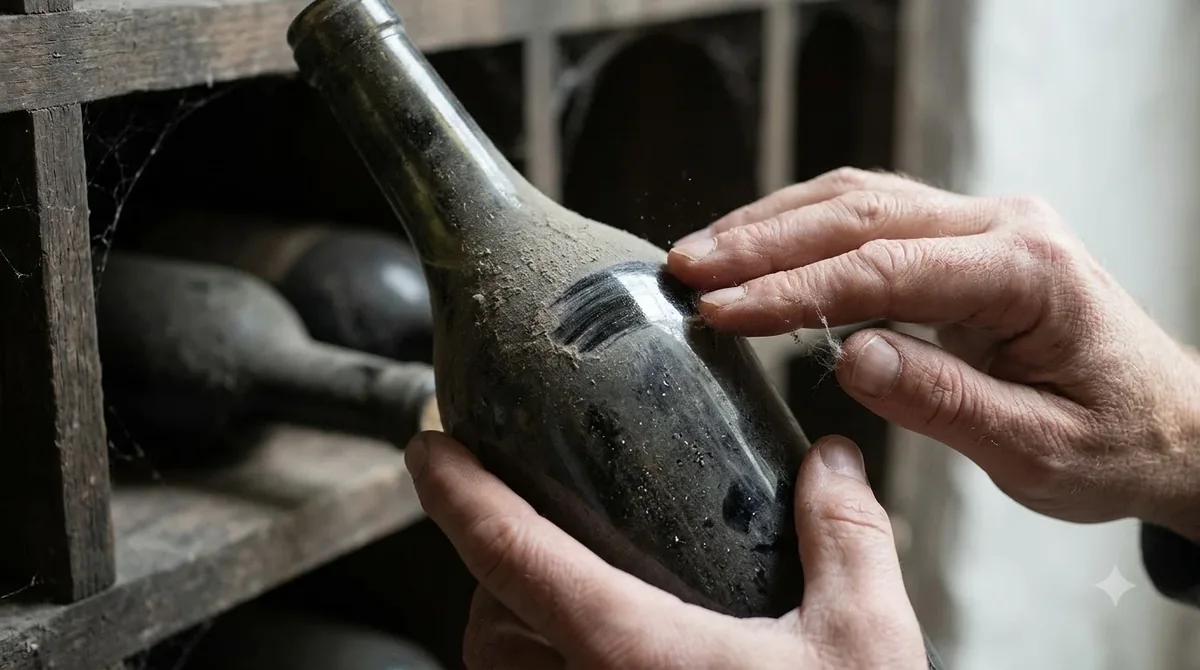
Keep unopened bottles in a cool, dark place away from appliances that give off heat. A closet or a cabinet away from the stove works well for short-term storage. Store bottles on their sides only if they have a natural cork that needs to stay moist, and otherwise keep them upright to keep the label and cap in good shape.
After opening, recork the bottle or use a wine stopper to limit air exposure. Then refrigerate it, since cold slows the oxidation that dulls fresh fruit. Keep the bottle in the fridge door only if it is the coldest spot you have, because frequent temperature changes can stress the wine. Let the wine warm slightly for a few minutes before tasting if it was very cold, so the aromas can open up.
Tip: If you plan to serve the rest of an open bottle later, pour the wine into a smaller, fuller bottle or a half-bottle. Less air in the container means less oxidation and a fresher glass.
Pinot Grigio vs. Other Crisp White Wines
Pinot grigio sits among several popular crisp white wines, and each has its own serving preferences. Comparing them helps you see why cool serving usually works best for the light styles.
| Wine | Typical style | Serving approach |
|---|---|---|
| Pinot grigio | Light, citrus and pear notes, often zesty | Serve well chilled; richer versions can be a bit warmer |
| Sauvignon blanc | Crisp, herbal, and often citrus-driven | Serve cool to keep the aromas bright |
| Riesling | Ranges from dry to sweet, with high acidity | Serve chilled, with sweeter styles often served cooler |
| Unoaked chardonnay | Clean, fresh fruit with a lighter body | Serve cool, similar to pinot grigio |
| Oaked chardonnay | Fuller body with toast, vanilla, or butter notes | Serve slightly warmer than light whites |
Pinot grigio shares its cool-serving habit with sauvignon blanc, which also shows off its aromas best when chilled. For a closer comparison, read about should sauvignon blanc be chilled, which explains how the herbal and citrus notes shift with temperature. Riesling follows a similar pattern, and the guide on should riesling be chilled covers how sweetness changes the ideal serving range.
The main difference is body and texture. Pinot grigio is usually lighter and more straightforward than an oaked chardonnay, so it benefits from being kept cool. If you choose a richer, barrel-aged white, you can serve it a little warmer to let its texture and oak notes come through.
Frequently Asked Questions
Is pinot grigio supposed to be served cold?
Yes, most pinot grigio is meant to be served cold. Cool temperatures keep its acidity crisp and let the citrus and pear flavors stand out. Richer, fuller versions can be served slightly warmer for a more rounded taste.
What temperature should pinot grigio be served at?
One Alto Adige producer lists 10 °C as the serving temperature for its classic Pinot Grigio. Use that as a guide, and check the label or producer’s website for the bottle you have. Avoid serving it so cold that the aromas disappear.
Can pinot grigio go in the freezer to chill quickly?
A freezer can chill a bottle quickly, but it is risky. Wine left too long may freeze, which can push out the cork or crack the bottle. A bucket of ice and water is a safer way to speed up the process.
How should I store leftover pinot grigio?
Recork the bottle or use a stopper to limit air, then refrigerate it. Taste the wine before serving it again, since freshness fades after opening. If the smell or taste has turned flat or sharp, it is best to pour it out.
Pinot grigio is usually best served cold, and the right temperature protects the fresh fruit and crisp acidity that make it appealing. Chill the bottle properly, store it well, and keep an eye on how long it stays fresh after opening. For more guidance on serving other styles, explore Wine by Type.
More in Wine Types & Grapes
 Zinfandel Sugar Content: Dry Red vs. White Zinfandel GramsUpdated Nov 21, 2026
 Best Zinfandel Substitute Options for Sipping and CookingUpdated Nov 21, 2026
 Zweigelt Food Pairing: Best Dishes, Cheeses, and Serving TipsUpdated Nov 21, 2026
 Zinfandel Tannins Explained: How Structure Shapes Every BottleUpdated Nov 21, 2026
 Zinfandel Sweetness Level: Dry Red vs. Sweet White Zin ExplainedUpdated Nov 21, 2026
 Xinomavro Food Pairing: Best Dishes, Styles, and Serving TipsUpdated Nov 21, 2026