

We may earn a commission when you buy through links on this page, at no extra cost to you. Learn more.
Sassicaia wine is a Bordeaux-style red from the Tenuta San Guido estate in Bolgheri, on the Tuscan coast of Italy, and it is one of the country’s best-known bottles. It is built mainly on Cabernet Sauvignon, it was one of the first wines to show that Italy could make serious reds in the Bordeaux manner, and the estate is the only producer allowed to use its own DOC name. This guide covers where the wine comes from, how it tastes, how to serve it, and what to look for on the label.
Sassicaia sits at the center of the modern Italian wine story. People who look up the name usually want three things: a clear picture of the wine’s history, a sense of what is in the glass, and some practical advice on serving and buying. The sections below cover each of those points in order, using the producer’s own material and independent wine writing as the basis.
Where Sassicaia Comes From
The wine comes from the Tenuta San Guido estate, near the village of Bolgheri on the coast of Tuscany. The area is warm and close to the Tyrrhenian Sea, and the sea breezes give the vineyards a longer, cooler ripening period than the hot inland sites would have. That combination suits Bordeaux grape varieties, and it is the main reason the estate chose them.
The estate came into the Incisa della Rocchetta family through marriage. Marchese Mario Incisa della Rocchetta wanted to make a red that could stand beside the best Bordeaux wines, and he planted the first vines with that goal in mind. Accounts of the exact year of the marriage differ between sources, so it is safer to say the family held the land from the 1930s onward.
A Short History of the Wine
The history of Sassicaia is slow and unusual. The vines were planted in the 1940s, and a separate vineyard called Sassicaia was planted in the mid-1960s. The first commercial vintage was 1968, but the wine was kept within the family and a circle of friends before it reached the market. According to the estate’s own history, the wine was first released publicly in 1971, with the 1968 vintage.
The wine’s reputation grew through the 1970s. Wine writers credit it with helping to launch the category known as Super Tuscan, a name for high-quality Tuscan reds that used international grapes outside the strict rules of traditional Italian appellations. Early vintages were aged in large Slovenian oak casks and were described as hard and tannic. The switch to small French oak barriques from the 1977 vintage is often cited as the point where the wine became more polished at a younger age.
What Is in the Bottle
Sassicaia is a blend in which Cabernet Sauvignon is the dominant grape. The producer’s rules require at least 80 percent Cabernet Sauvignon, and the rest of the blend is usually Cabernet Franc. The estate describes the wine as showing clear red fruit and spice, with a long finish and a fresh, elegant structure. Many tasters also note an aromatic quality that they compare to the wild Mediterranean scrub, or maquis, that grows around the vineyards.
The wine must be aged for at least 18 months in 225-liter barriques before release. That time in oak softens the tannins and adds notes of vanilla, toast and dried herbs, but the fruit is still the main draw. Sassicaia is not a wine that hides behind heavy oak, which is one reason it remains popular with people who want a structured red without a wall of wood flavor.
| Feature | What to expect |
|---|---|
| Main grape | Cabernet Sauvignon, at least 80 percent of the blend |
| Other grape | Usually Cabernet Franc |
| Region | Bolgheri, Tuscany, on the coast |
| Aging | At least 18 months in 225-liter French barriques |
| Dominant aromas | Red fruit, spice, herbal and maquis notes |
| Style | Dry, structured, Bordeaux-influenced red |
Tip: Vintages differ a lot, so the same label can taste very different from one year to the next. Check the vintage date before you buy if you plan to drink the bottle now.
How to Serve Sassicaia
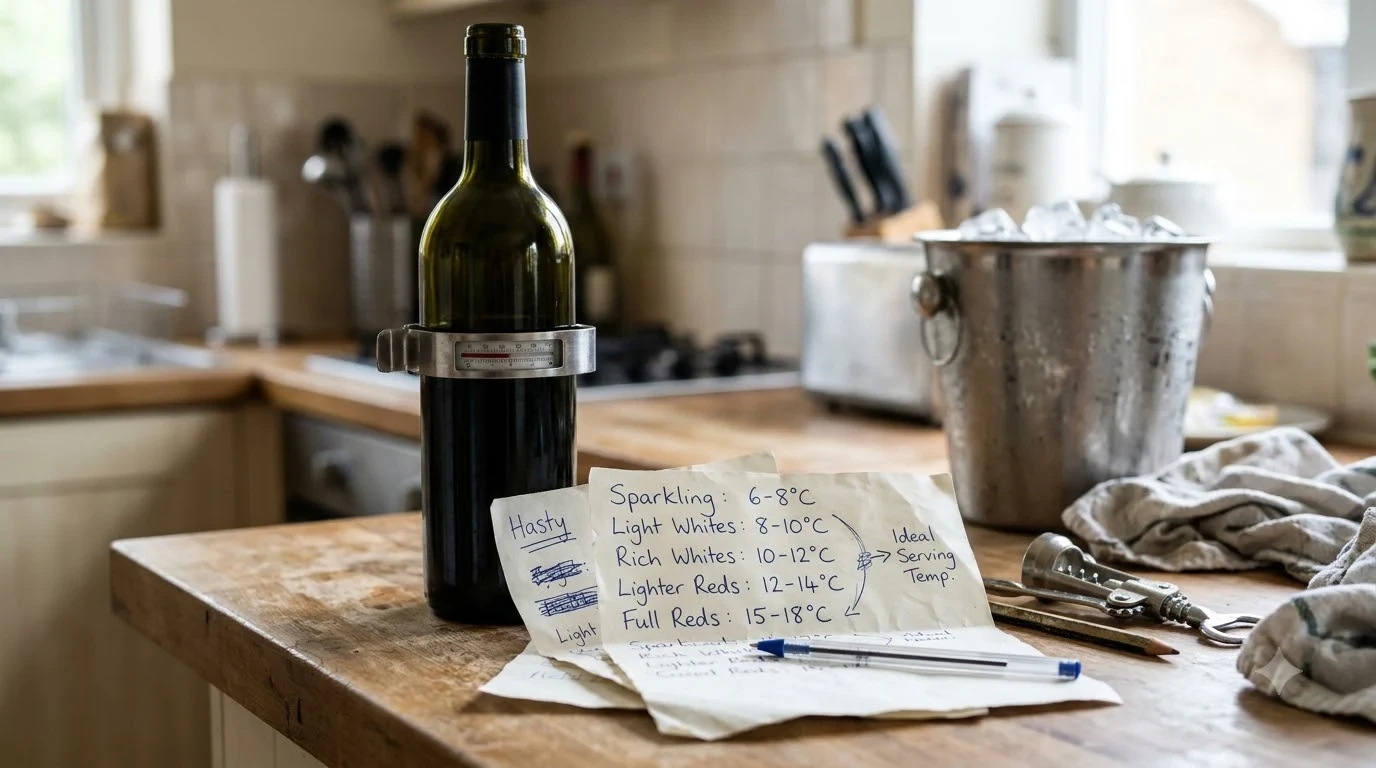
Serving a serious red well is about temperature and time more than fuss. Most Italian reds of this type are best a little below room temperature, so give the bottle time to cool in a cellar or a cool room before opening. Avoid serving it very warm, because heat makes the alcohol stand out and hides the fruit.
A young bottle can benefit from a short decant, which lets the wine open up and soften. Older bottles often need less air and can be poured more gently, since too much exposure can fade the fruit. Use a large, wide-bowled red wine glass so the aromas have room to develop.
Food Pairings That Suit Sassicaia
Because the wine has firm tannins and a good level of acidity, it works best with food that has some fat and savory depth. Roasted red meats, grilled lamb and aged hard cheeses are classic partners. Tuscan dishes built on olive oil, herbs and grilled meat also tend to suit it well. The wine can be overwhelmed by very spicy food, so keep chili heat low when you plan a menu.
If you are looking for a lighter or more casual Italian bottle to start with, the La Marca Prosecco guide covers a very different style. For a wider view of how Italian labels are organized, the Wine Brands section is a useful starting point.
How to Buy and Store Sassicaia
Sassicaia is a wine that rewards careful storage. Keep bottles lying on their side in a cool, dark place with steady temperature and moderate humidity. Avoid kitchen cupboards near the stove or sunny windows. Bottles bought from a reputable retailer with good storage conditions are a safer choice than those with a long, unknown history of heat exposure.
The producer’s own material and independent reviews are the best guides to which vintages are worth drinking, and it is wise to read more than one source. Some people prefer to buy one bottle first, taste it with a meal, and then decide whether a case is worth the commitment. For a broader look at well-known Italian and international labels, the producer’s site is a good place to start, and you can also read the VinePair Sassicaia guide for a concise history and style summary.
Frequently Asked Questions
Is Sassicaia a Super Tuscan?
Yes. Sassicaia is often cited as one of the wines that started the Super Tuscan category. It uses Bordeaux grapes, mainly Cabernet Sauvignon, and it was made outside the traditional Chianti rules of its time.
What grape is Sassicaia made from?
Sassicaia is mainly Cabernet Sauvignon. Producer rules require at least 80 percent of that grape, and Cabernet Franc is the usual partner in the remainder of the blend.
What does the Bolgheri Sassicaia DOC mean on the label?
The Bolgheri Sassicaia DOC was created in 2013 as a denomination of its own, separate from the broader Bolgheri DOC created in 1994. Tenuta San Guido is the only producer allowed to use the name, so the label tells you the bottle comes from that estate.
Should Sassicaia be decanted?
A younger bottle often benefits from a short decant to soften the tannins and open the aromas. Older bottles usually need gentler handling, so a light pour and a short wait is a safer approach.
Sassicaia is a wine with a clear identity: a coastal Tuscan red built on Cabernet Sauvignon, aged with care and shaped by a long family history. If you enjoy structured reds with fresh fruit and a Mediterranean edge, it is worth tasting and comparing with other bottles you already know.
More in Wine Brands
 Underwood Wine Price: Compare Bottles, Cans, and Pack SizesUpdated Nov 21, 2026
 Zenato Wine Price: Compare Styles and Choose the Right BottleUpdated Nov 21, 2026
 Zuccardi Wine Price: Compare Bottles and Find the Right RangeUpdated Nov 21, 2026
 Yellow Tail Moscato Review: Taste, Sweetness and Serving TipsUpdated Nov 21, 2026
 Wolf Blass Yellow Label Review: Choose Your Best StyleUpdated Nov 21, 2026
 Wolffer Estate Rose Review: Choose the Right Bottle for Your TableUpdated Nov 21, 2026